The structure of Streptococcus gordonii surface protein SspB in complex with TEV peptide provides clues to oral streptococcal adherence to salivary agglutinin
Joshua L. Mieher, Norbert Schormann, Sangeetha Purushotham, Veena B. Krishnan, Ren Wu, Manisha Patel, Hui Wu, Champion Deivanayagam

TL;DR
This paper identifies a key binding site in a bacterial protein that helps oral bacteria stick to saliva proteins, offering new targets for preventing harmful bacterial growth.
Contribution
The study reports the first identified binding site in V-domains of oral streptococci for salivary agglutinin, with potential therapeutic applications.
Findings
The structure of SspB’s V-domain bound to TEV peptide reveals a conserved binding interface with Gp340.
The synthetic peptide PepCD1SRCR inhibits biofilm formation by Streptococcus mutans in a dose-dependent manner.
Mutational analysis confirms the importance of conserved residues in adhesion to salivary agglutinin.
Abstract
Streptococcus gordonii is a commensal bacterium in the oral cavity and has many surface adhesins that have been well characterized. SspA/B belongs to the Antigen I/II-like family of proteins, which are well known for their multifunctional adherence capabilities. Most AgI/II-like proteins adhere to salivary agglutinin (also known as glycoprotein 340, Gp340). In an effort to identify the putative binding site on the AgI/II-like family of proteins, we conducted structural studies to determine the V-domain of SspB. In this paper, we report the structure of SspB’s V-domain in complex with a TEV-peptide that was inserted to cleave the histidine tag at the C-terminus after purification. This peptide shared sequence and structural homology with a helical region on the scavenger receptor cysteine-rich (SRCR) domain of Gp340. Our studies with the synthetic peptide PepCD1SRCR show that it inhibits…
Genes, proteins, chemicals, diseases, species, mutations and cell lines named across the full text — each resolved to its canonical identifier and authoritative record.
Click any figure to enlarge with its caption.
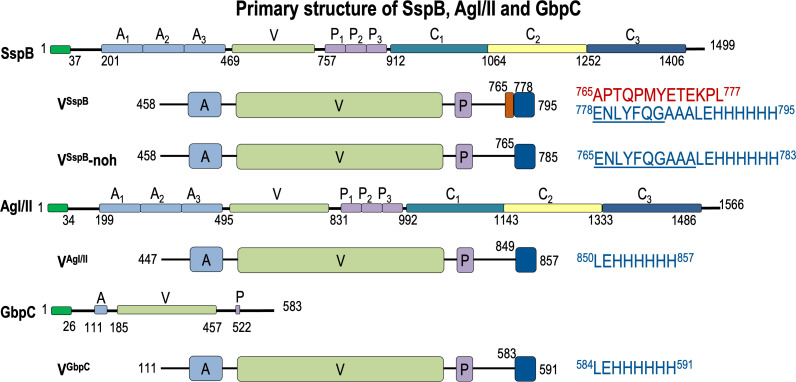 Figure 1
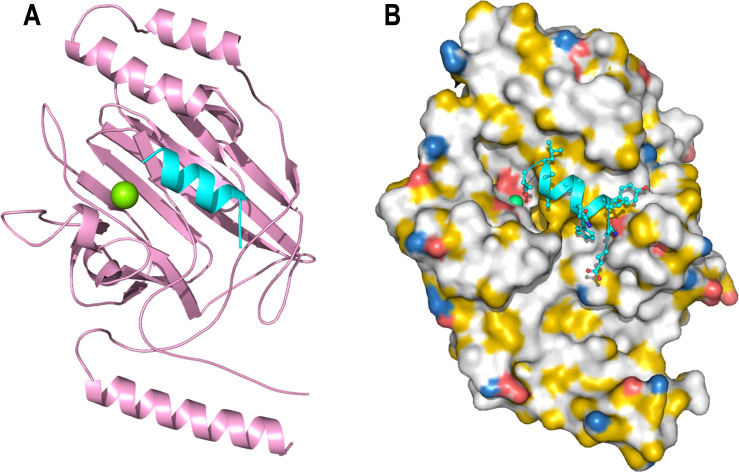 Figure 2
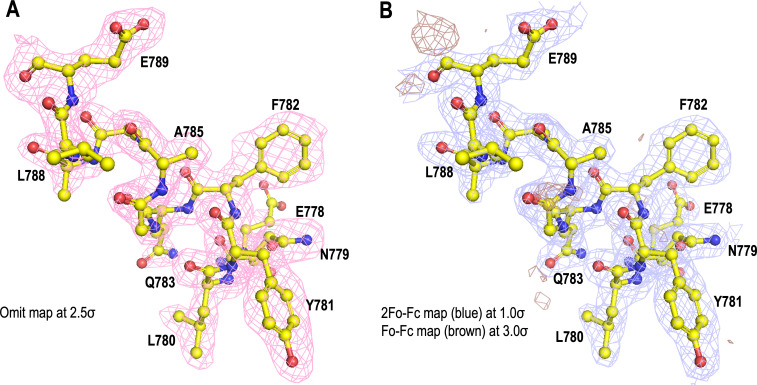 Figure 3
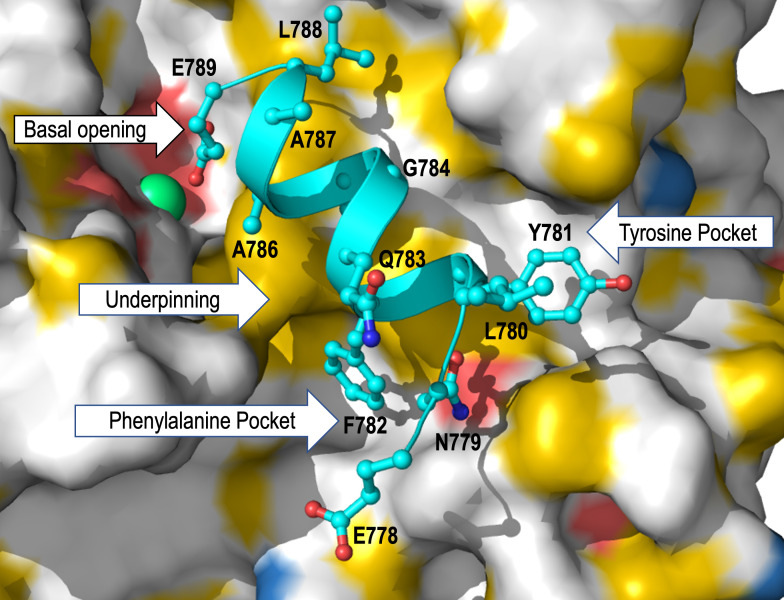 Figure 4
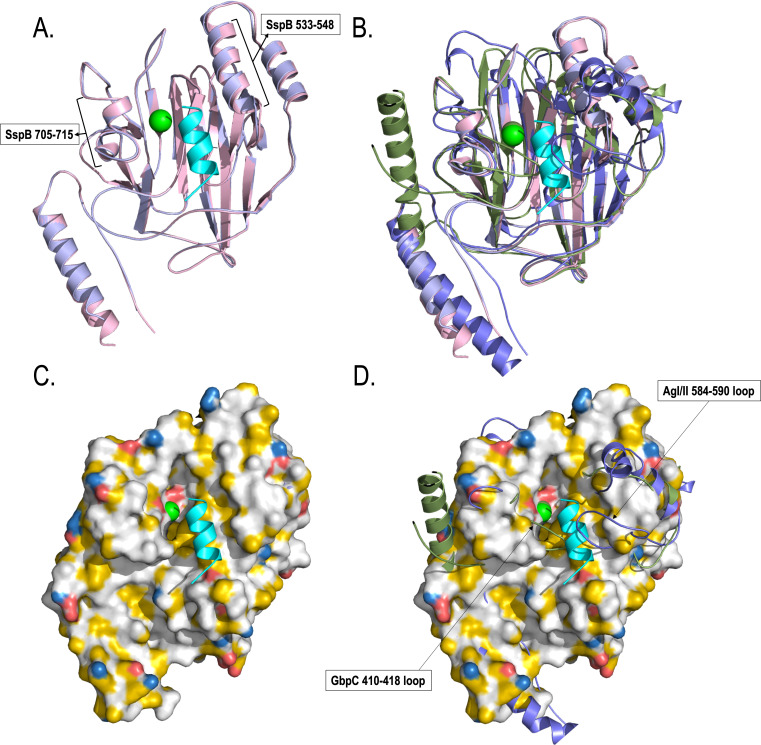 Figure 5
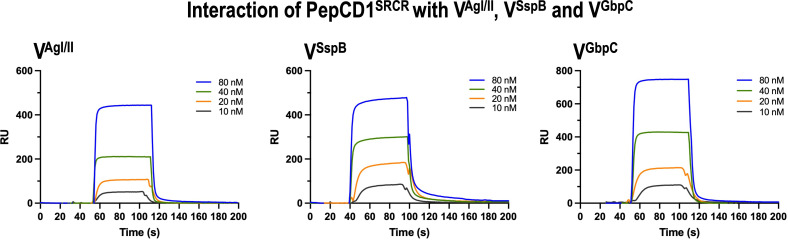 Figure 6
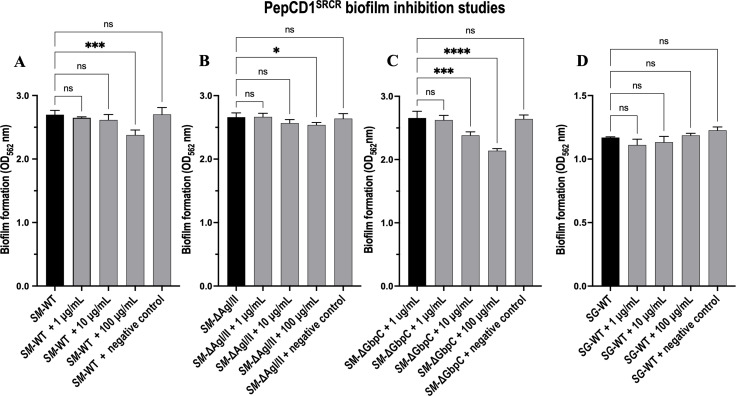 Figure 7
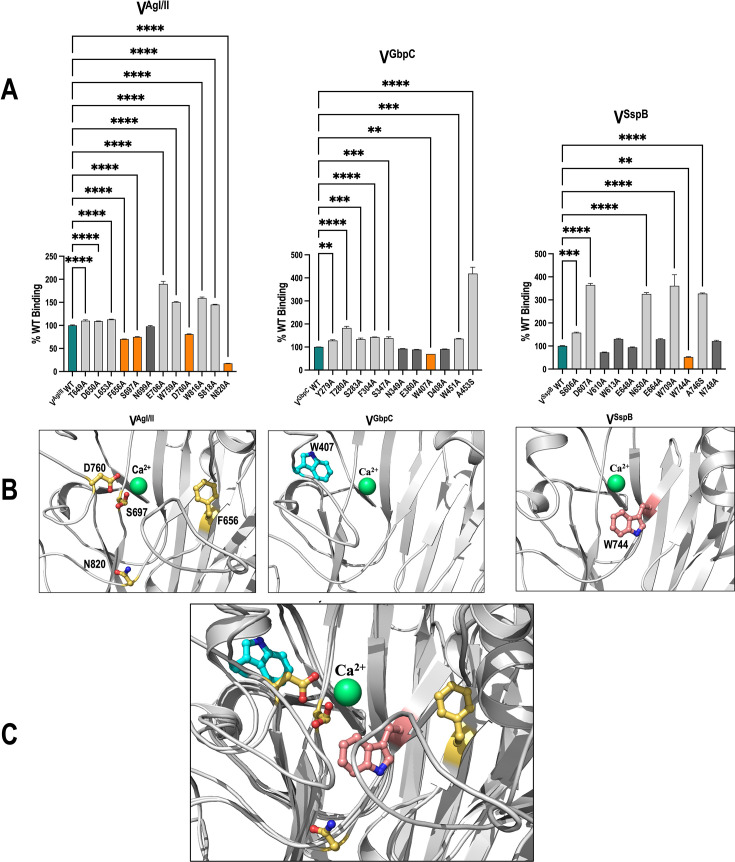 Figure 8
Peer Reviews
No public reviews on file for this paper yet. If you reviewed it on a platform where reviews are public (OpenReview, ICLR, NeurIPS, ICML), you can paste yours below so the community can read it here.
Videos
No videos yet. Explain this paper in a talk, walkthrough, or lecture? Add one.
Taxonomy
TopicsBiochemical and Structural Characterization · Oral microbiology and periodontitis research · Streptococcal Infections and Treatments