Extracellular vesicles of Emergomyces africanus modulate host immune responses and reflect metabolic adaptations to nutrient availability
Leandro Honorato, Albaniza Liuane Ribeiro do Nascimento Sabino, Jhon Jhamilton Artunduaga Bonilla, Susana Ruiz Mendoza, Julio Kornetz, Flavia C. G. dos Reis, Elaine R. Albergoni, Vinicius Alves, Susana Frases, Allan Jefferson Guimarães, Daniel Zamith-Miranda, Simone Sidoli

TL;DR
This study shows how a fungus called Emergomyces africanus uses tiny particles to change immune responses and survive in the host, depending on nutrient availability.
Contribution
The study reveals how E. africanus adjusts extracellular vesicle content under different nutrient conditions to modulate immune responses and enhance survival.
Findings
EVs under nutrient limitation carry virulence proteins like catalase and HSP60, activating dendritic cells and promoting inflammation.
BMDMs exposed to these EVs showed increased IL-10 and improved antifungal activity against E. africanus.
EV pre-treatment protected Galleria mellonella against Histoplasma capsulatum infection.
Abstract
Emergomyces africanus is a thermal dimorphic fungus and a leading cause of emergomycosis, a neglected infection primarily affecting immunocompromised individuals. Despite its clinical relevance, little is known about how E. africanus adapts to the host environment. Recent studies suggest that fungal extracellular vesicles (EVs) may contribute to host adaptation by modulating immune responses and transporting virulence factors. Here, we report the production and characterization of E. africanus EVs obtained under nutrient-rich and nutrient-limited media, mimicking environmental and host-like conditions. We also evaluated the effect of E. africanus EVs released in nutrient-limited media on bone marrow-derived dendritic cells (BMDCs) and bone marrow-derived macrophages (BMDMs). Under nutrient limitation, E. africanus released EVs enriched in virulence-associated proteins, including…
Genes, proteins, chemicals, diseases, species, mutations and cell lines named across the full text — each resolved to its canonical identifier and authoritative record.
Click any figure to enlarge with its caption.
 Figure 1
 Figure 2
 Figure 3
 Figure 4
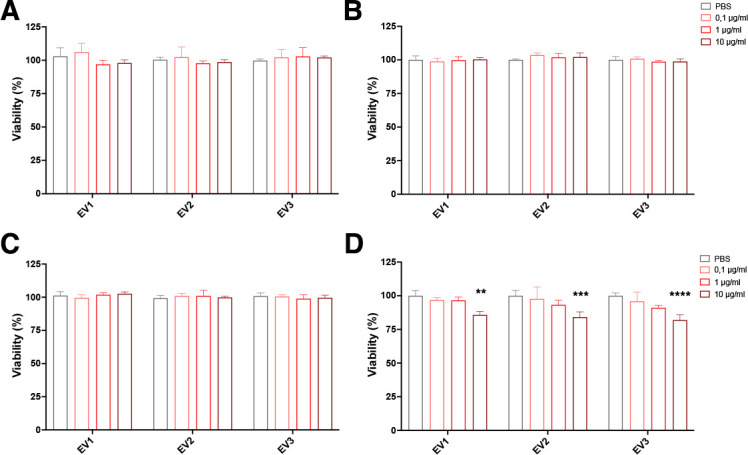 Figure 5
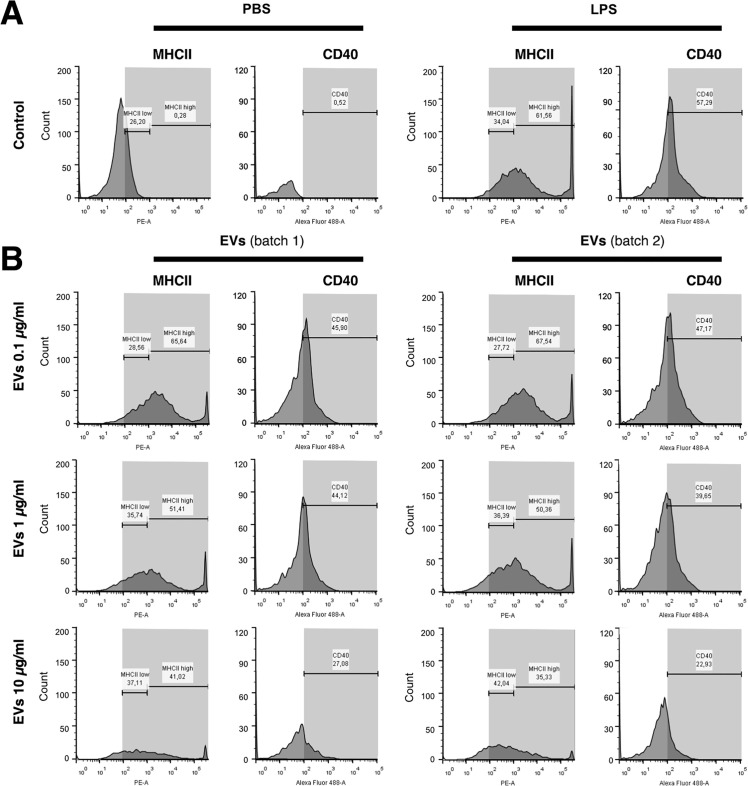 Figure 6
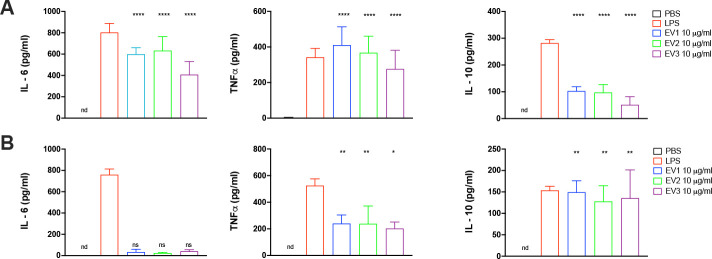 Figure 7
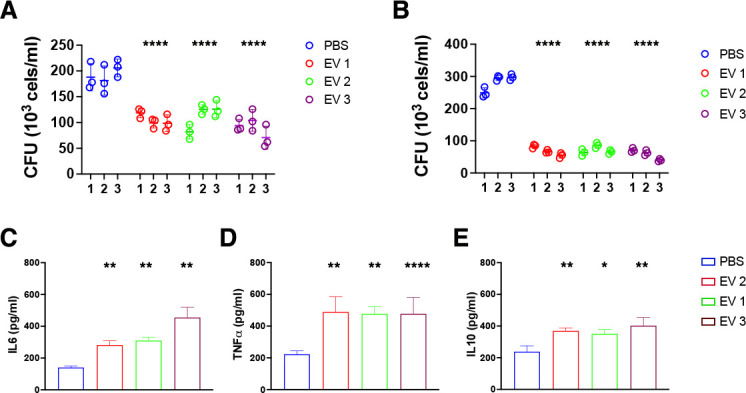 Figure 8
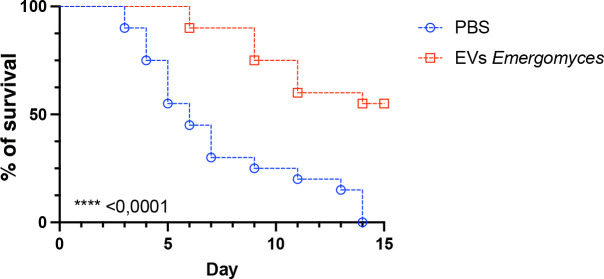 Figure 9
Peer Reviews
No public reviews on file for this paper yet. If you reviewed it on a platform where reviews are public (OpenReview, ICLR, NeurIPS, ICML), you can paste yours below so the community can read it here.
Videos
No videos yet. Explain this paper in a talk, walkthrough, or lecture? Add one.
Taxonomy
TopicsFungal Infections and Studies · Antifungal resistance and susceptibility · Extracellular vesicles in disease