Multi-tissue transcriptomic profiling reveals the internal physiological landscape of laying hens in cage and cage-free systems
Nonoko N. Shimura, Eiki Asagi, Tadahiro Matsubara, Itsufumi Sato, Yuki Higashiura, Saki Nakamura, Chihiro Kase, Atushi J. Nagano, Shozo Tomonaga, Jun-ichi Shiraishi, Kaito Kurogi, Ryohei Matsuo, Shinobu Yasuo, Tatsuhiko Goto, Kan Sato, Tsuyoshi Shimmura

TL;DR
This study compares the physiological effects of different housing systems on laying hens using transcriptomic and behavioral data.
Contribution
The study reveals how cage-free systems affect metabolic and neurophysiological pathways in laying hens.
Findings
Cage-free systems promote higher insulin sensitivity and norepinephrine signaling compared to caged systems.
Transcriptomic analysis showed insulin resistance in caged hens and enhanced signaling in cage-free hens.
Behavioral diversity increased in barn and free-range systems compared to battery cages.
Abstract
Welfare-friendly housing systems for laying hens, such as cage-free, have become prevalent. However, the physiological effects of housing systems on the laying hens remain poorly understood. Here, we compared behavioral characteristics and transcriptomic profiles from 90 multi-tissue samples among three housing systems: battery cage (BC), barn (BR), and free-range (FR). BR and FR housing promoted behavioral diversity compared to cages. Transcriptome analysis of central tissues (diencephalon and cerebral hemisphere) and peripheral tissues involved in egg production (liver, ovary, oviductal segments of magnum, and uterine) revealed significant enrichment of insulin resistance-related pathways in both diencephalon and liver of BC hens, and enhanced norepinephrine signaling in the cerebrum of BR and FR hens. To validate these findings, we performed a glucose tolerance test to assess insulin…
Genes, proteins, chemicals, diseases, species, mutations and cell lines named across the full text — each resolved to its canonical identifier and authoritative record.
Click any figure to enlarge with its caption.
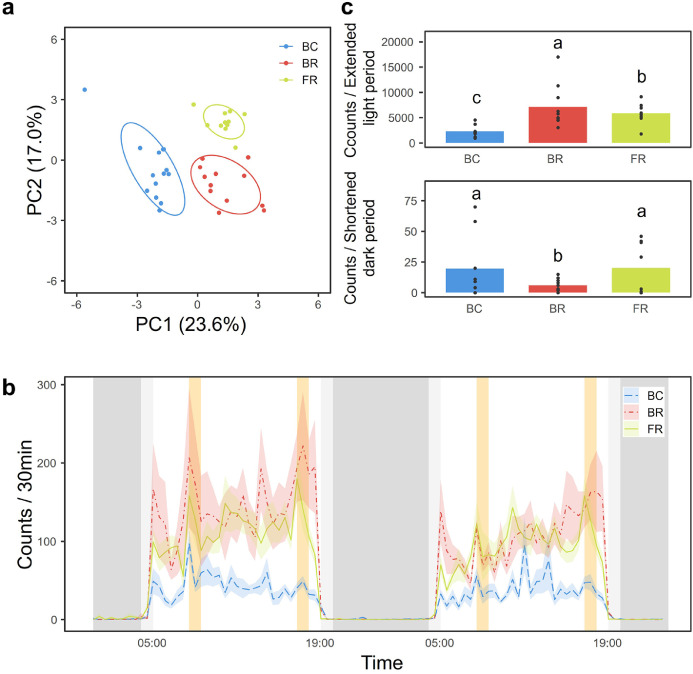 Figure 1
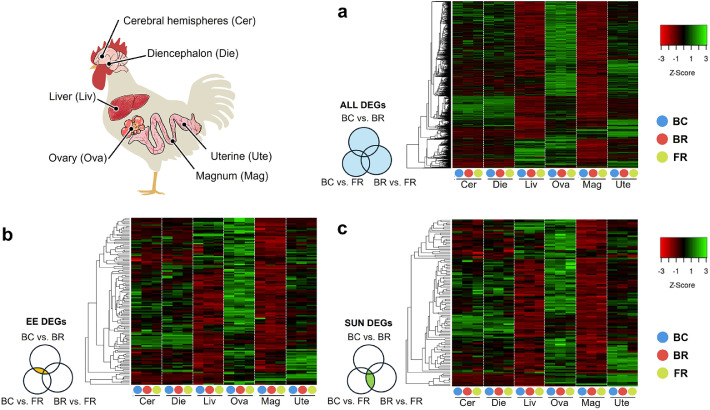 Figure 2
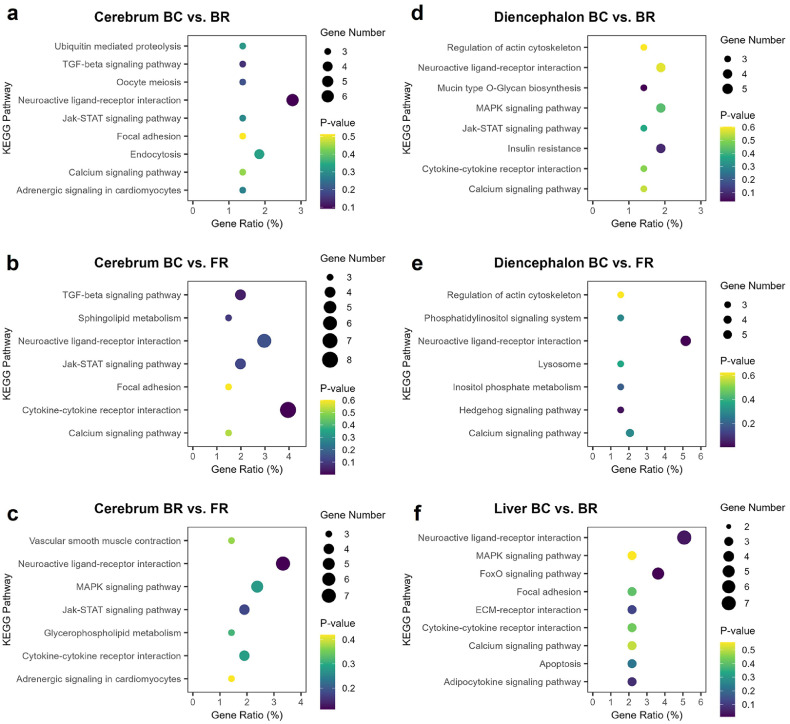 Figure 3
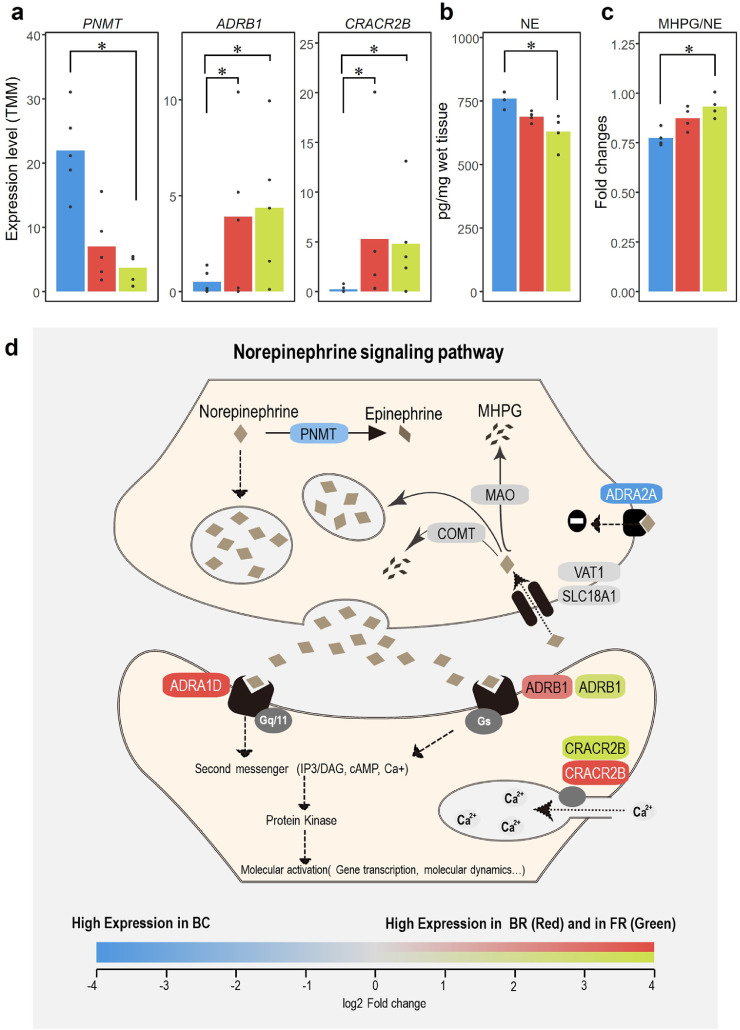 Figure 4
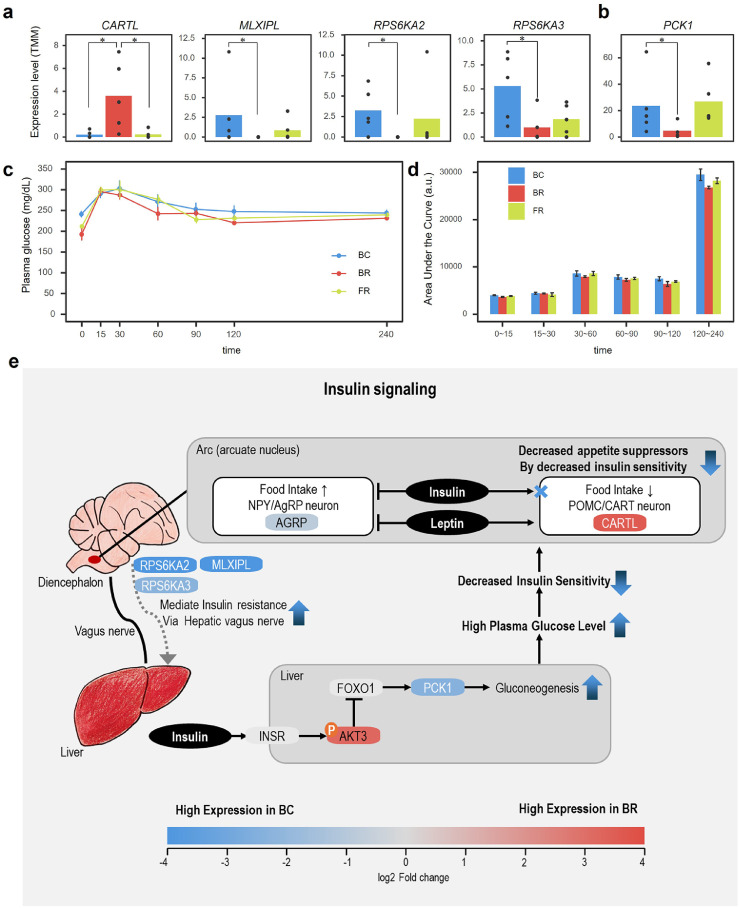 Figure 5
Peer Reviews
No public reviews on file for this paper yet. If you reviewed it on a platform where reviews are public (OpenReview, ICLR, NeurIPS, ICML), you can paste yours below so the community can read it here.
Videos
No videos yet. Explain this paper in a talk, walkthrough, or lecture? Add one.
Taxonomy
TopicsAnimal Nutrition and Physiology · Animal Genetics and Reproduction · Genetic Mapping and Diversity in Plants and Animals