Epidemiological Analysis and Susceptibility Profile of Pathogens Isolated in Blood Cultures From Hospital Angeles Lindavista in Mexico City
Mauricio Castillo-Salazar, Erika Perez Sanjulian-Krasovsky, María Citlali Martínez-Sánchez, José Luis Pinacho-Velázquez, Carlos Andrey Diosdado-Franco, Luis Gerardo Balcázar-Ochoa, Laura Gomez-Virgilio

TL;DR
This study analyzed bacteria causing bloodstream infections in a Mexican hospital, focusing on their resistance patterns and clinical associations.
Contribution
The paper provides a detailed epidemiological and susceptibility profile of pathogens from blood cultures in a specific hospital setting.
Findings
Escherichia coli was the most common bacterium, with 11 isolates producing extended-spectrum β-lactamases.
ESBL-producing E. coli showed high susceptibility to amikacin, cefotaxime, and tigecycline but resistance to other antibiotics.
No statistically significant associations were found between clinical predictors and isolated pathogens.
Abstract
Background Bloodstream infections contribute to morbidity and mortality. A wide variety of microorganisms can be identified and recovered from these infections, and blood culture is the primary method for detecting them and determining their antimicrobial susceptibility. This helps clinicians confirm the efficacy of the initial empiric therapy or select an appropriate alternative based on the susceptibility of the isolated microorganism, thereby reducing the risks associated with antimicrobial misuse. We aimed to describe and analyze the bacteria isolated in blood culture samples, their antimicrobial resistance at Hospital Angeles Lindavista, and their association with demographic and clinical characteristics; to provide tools for the effective antimicrobial treatment of bacteremia; and to monitor the evolution of microbial resistance in this institution. Methods A retrospective…
Genes, proteins, chemicals, diseases, species, mutations and cell lines named across the full text — each resolved to its canonical identifier and authoritative record.
Click any figure to enlarge with its caption.
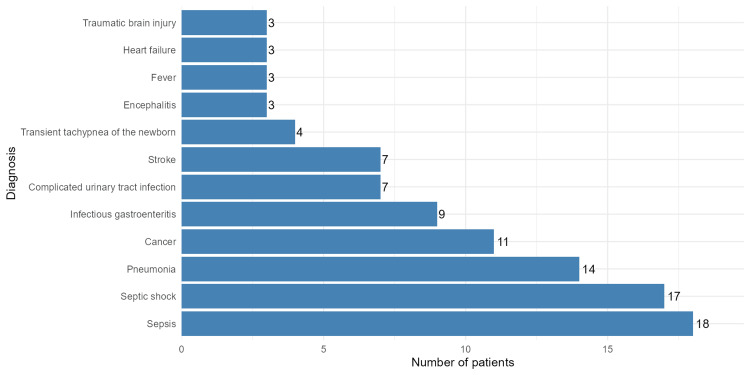 Figure 1
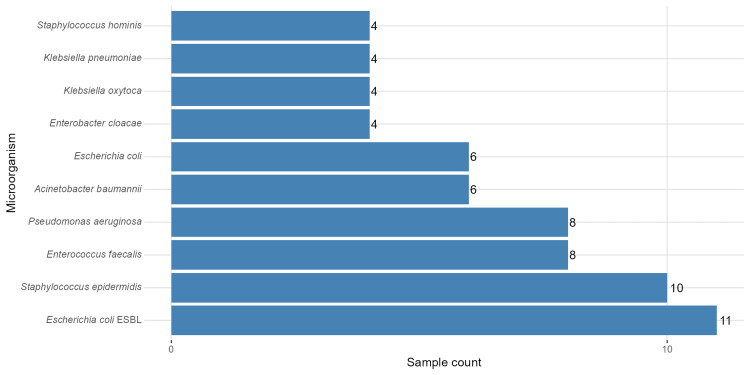 Figure 2
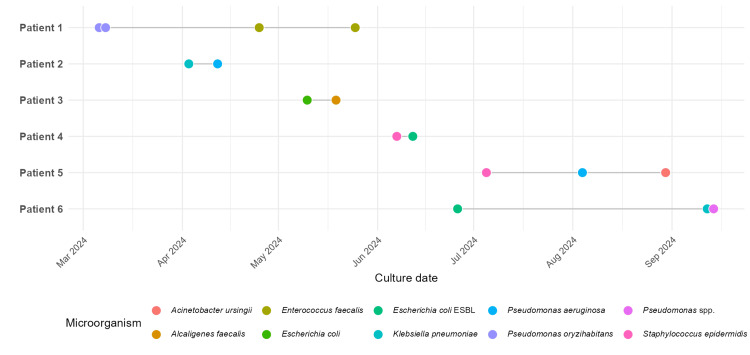 Figure 3
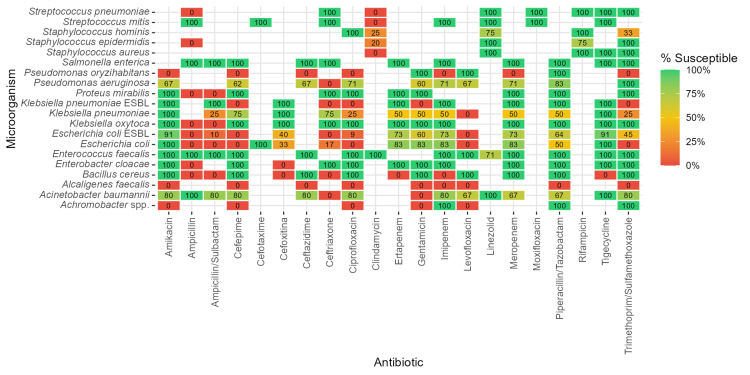 Figure 4
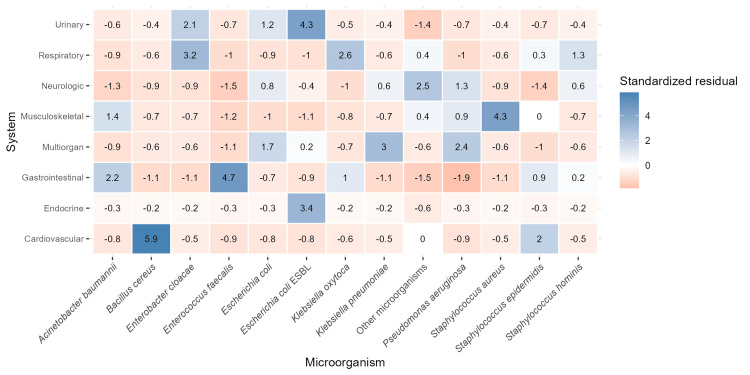 Figure 5
Peer Reviews
No public reviews on file for this paper yet. If you reviewed it on a platform where reviews are public (OpenReview, ICLR, NeurIPS, ICML), you can paste yours below so the community can read it here.
Videos
No videos yet. Explain this paper in a talk, walkthrough, or lecture? Add one.
Taxonomy
TopicsBacterial Identification and Susceptibility Testing · Neonatal and Maternal Infections · Sepsis Diagnosis and Treatment