Maize (Zea mays L.) productivity and profitability response to inorganic N-P nutrients, biochar and vermicompost levels in acidic soils of Northwestern Ethiopia
Habtamu Tadele, Tesfaye Feyisa, Lewoye Tsegaye, Sintayehu Musie

TL;DR
This study finds that combining specific amounts of inorganic nutrients, biochar, and vermicompost improves maize yield and profitability in acidic soils in Ethiopia.
Contribution
The study identifies an optimal combination of N/P₂O₅, biochar, and vermicompost for enhancing maize productivity and profitability in acidic soils.
Findings
The highest grain yield (12.13 t ha⁻¹) was achieved with 120 kg N + 69 kg P₂O₅ + 8 t biochar + 10.04 t vermicompost.
Treatment T14 (120/69 kg N/P₂O₅ + 4 t biochar + 5.02 t vermicompost) provided the highest net benefit and economic yield.
Integrated nutrient management significantly improved physiological traits, growth, and yield components of maize.
Abstract
Maize (Zea mays L.) is sensitive to abiotic factors that can severely diminish crop yields. The combined use of organic and inorganic sources of nutrients enhances soil fertility and crop productivity. However, site and crop-specific integration levels are essential for optimal outcomes. This study aimed to identify the optimal N/P₂O₅, biochar (BC), and vermicompost (VC) combination to improve the physiological traits, growth, yield components, and yield of maize (BH-661) under rainfed agriculture. A field experiment was conducted over two consecutive growing seasons (2023/24 and 2024/25) to identify the optimal combination of N/P₂O₅, BC, and VC for improving physiological traits, growth, yield components, and yield of maize. The experiment was arranged in a 3 × 3 × 3 RCBD design with three replicates. Treatments included three levels each of N/P₂O₅ (0/0, 120/69, 240/138 kg ha⁻¹), BC…
Genes, proteins, chemicals, diseases, species, mutations and cell lines named across the full text — each resolved to its canonical identifier and authoritative record.
Click any figure to enlarge with its caption.
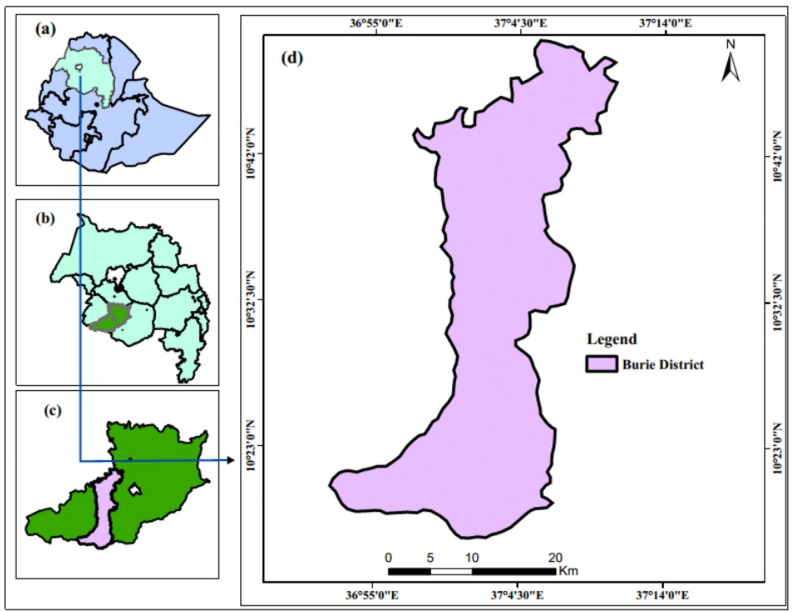 Figure 1
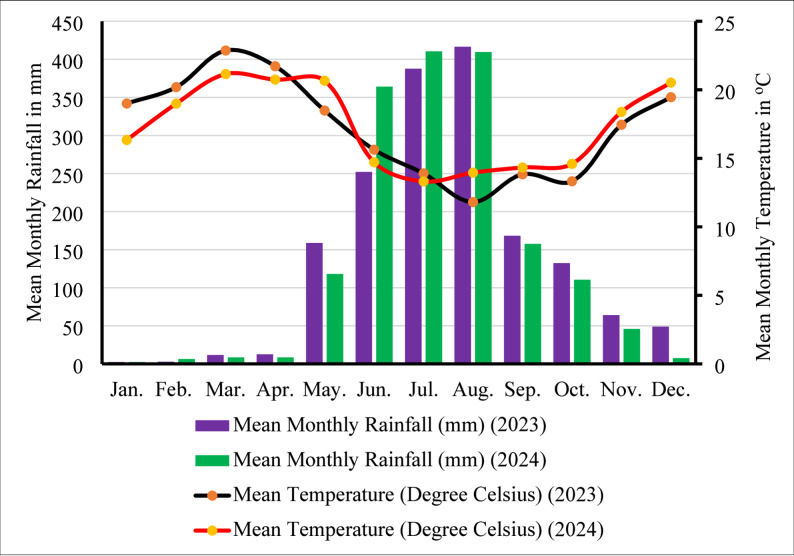 Figure 2
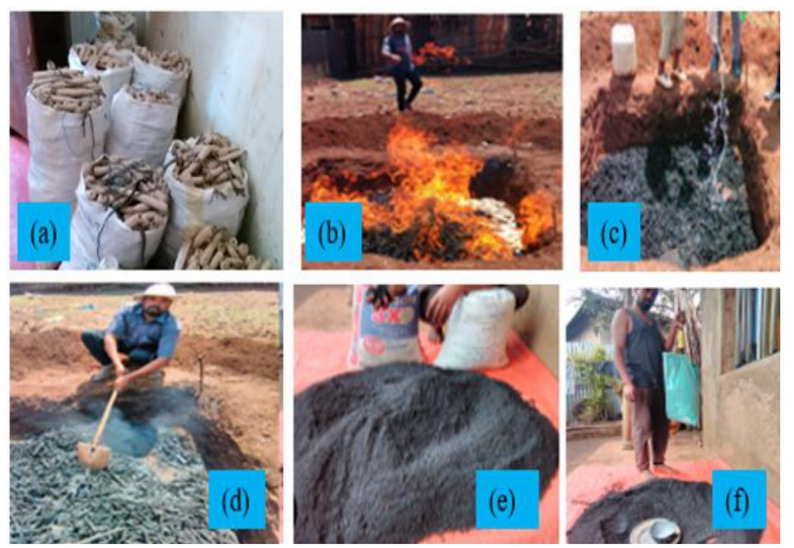 Figure 3
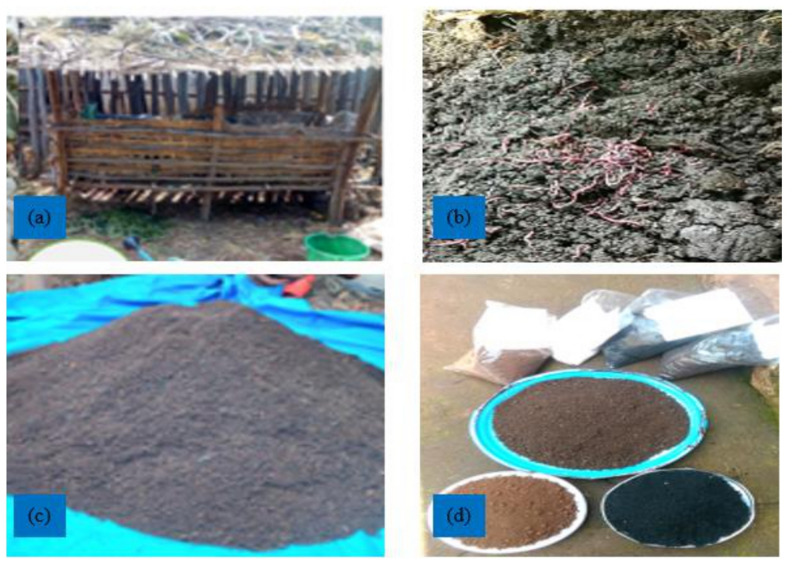 Figure 4
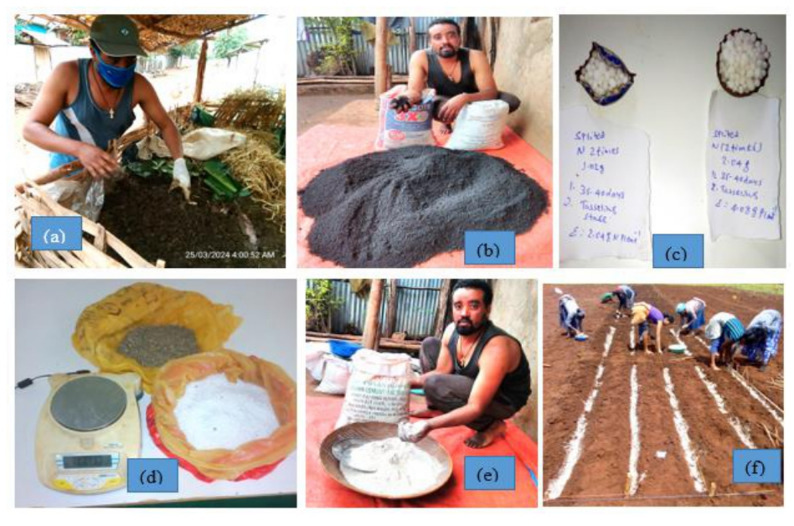 Figure 5
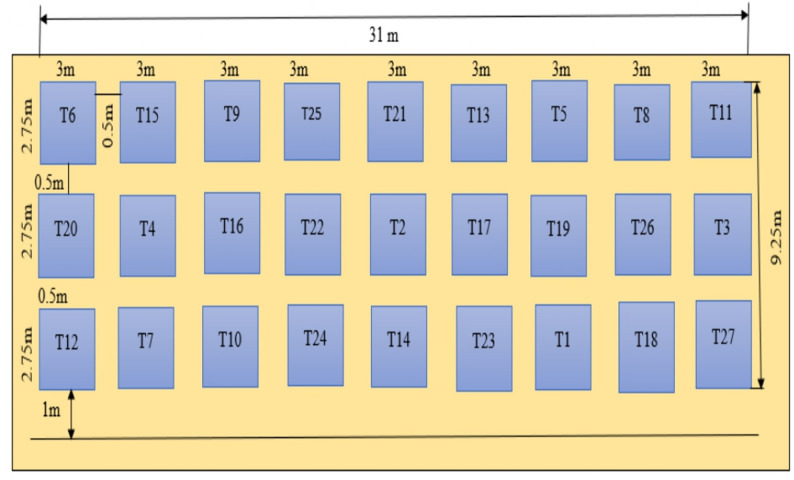 Figure 6
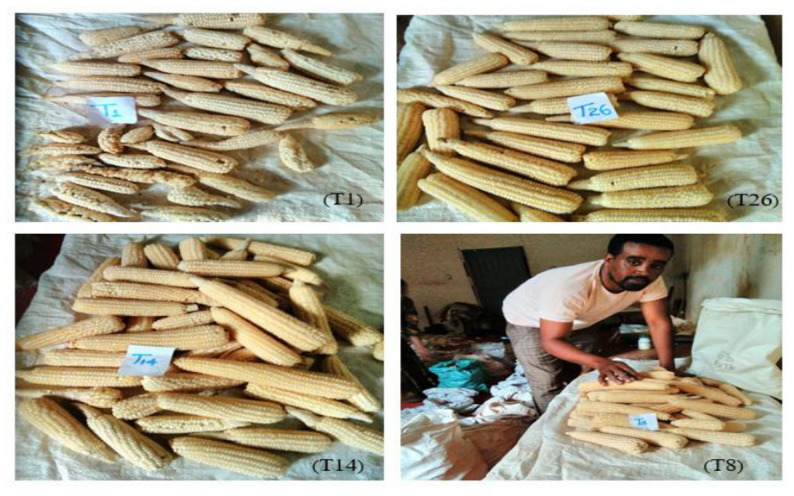 Figure 7
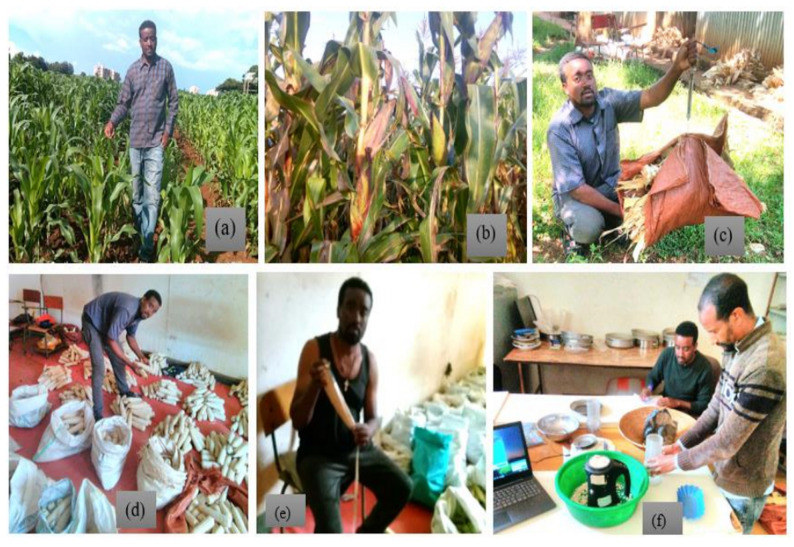 Figure 8
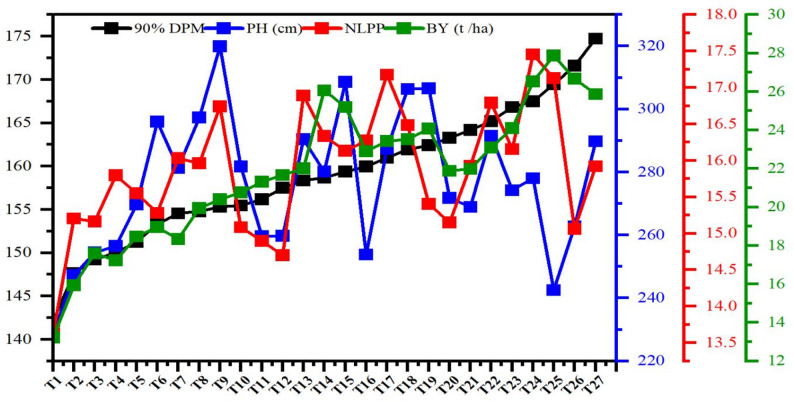 Figure 9
Peer Reviews
No public reviews on file for this paper yet. If you reviewed it on a platform where reviews are public (OpenReview, ICLR, NeurIPS, ICML), you can paste yours below so the community can read it here.
Videos
No videos yet. Explain this paper in a talk, walkthrough, or lecture? Add one.
Taxonomy
TopicsCrop Yield and Soil Fertility · Soil Carbon and Nitrogen Dynamics · Composting and Vermicomposting Techniques