Efficacy of a fluralaner-based ectoparasiticide for the control of otodectic and sarcoptic mange in naturally infested dogs, evaluated in randomized, double-blind clinical studies
Breno Cayeiro Cruz, Marina Belucci Teixeira, Gessica Ariane de Melo Cruz, Juliana Aparecida do Carmo Emidio Moreira da Silva, Milenni Garcia Michels, Carol Della Nina Pistoni, Marcus Antonio Martins Buso, Ferdinando Nielsen de Almeida, Igor Renan Honorato Gatto

TL;DR
A new fluralaner-based treatment for dog mange is shown to be highly effective against two types of mites with a single dose.
Contribution
Demonstrates WellPet™ as a novel, single-dose treatment for sarcoptic and otodectic mange in dogs.
Findings
WellPet™ achieved 100% efficacy against Sarcoptes scabiei by day 28 with a single dose.
WellPet™ showed 100% efficacy against Otodectes cynotis by day 21.
The treatment simplified disease management by eliminating the need for retreatment in sarcoptic mange.
Abstract
One of the most relevant parasitic mites is Sarcoptes scabiei, which causes sarcoptic mange, commonly known as scabies. This condition is highly contagious and leads to intense itching and skin lesions in dogs. Otodectes cynotis, the “ear mite,” is immensely relevant as well, being the primary cause of external otitis in domestic carnivores, causing severe ear itching. The treatment and control of both these forms of mange rely on the use of antiparasitic compounds, such as fluralaner, which acts by paralyzing and killing arthropods. This study aimed to determine the acaricidal efficacy of WellPet™ (Ourofino Saúde Animal Ltda.), a new commercial palatable tablet based on fluralaner, at a dose range of 10–22.5 mg/kg, against S. scabiei and O. cynotis mites parasitizing naturally infested domestic dogs. Two clinical studies evaluate the acaricide efficacy against each mite species in…
Genes, proteins, chemicals, diseases, species, mutations and cell lines named across the full text — each resolved to its canonical identifier and authoritative record.
Click any figure to enlarge with its caption.
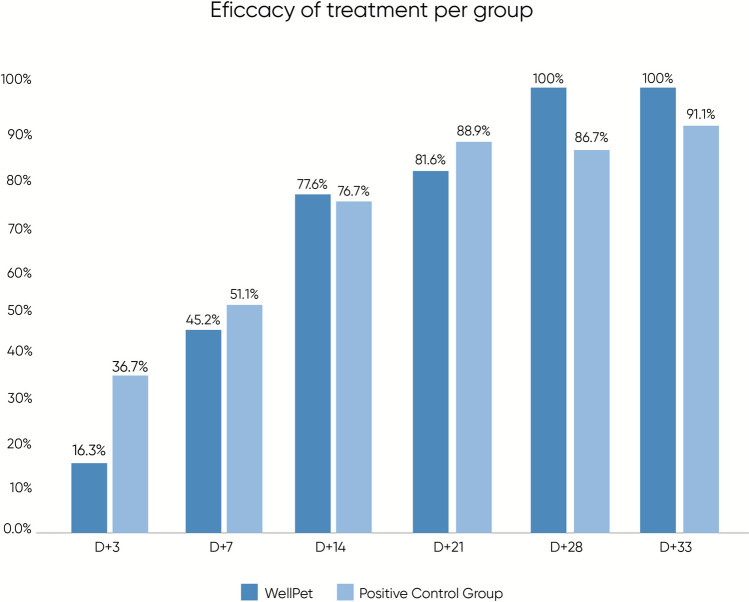 Figure 1
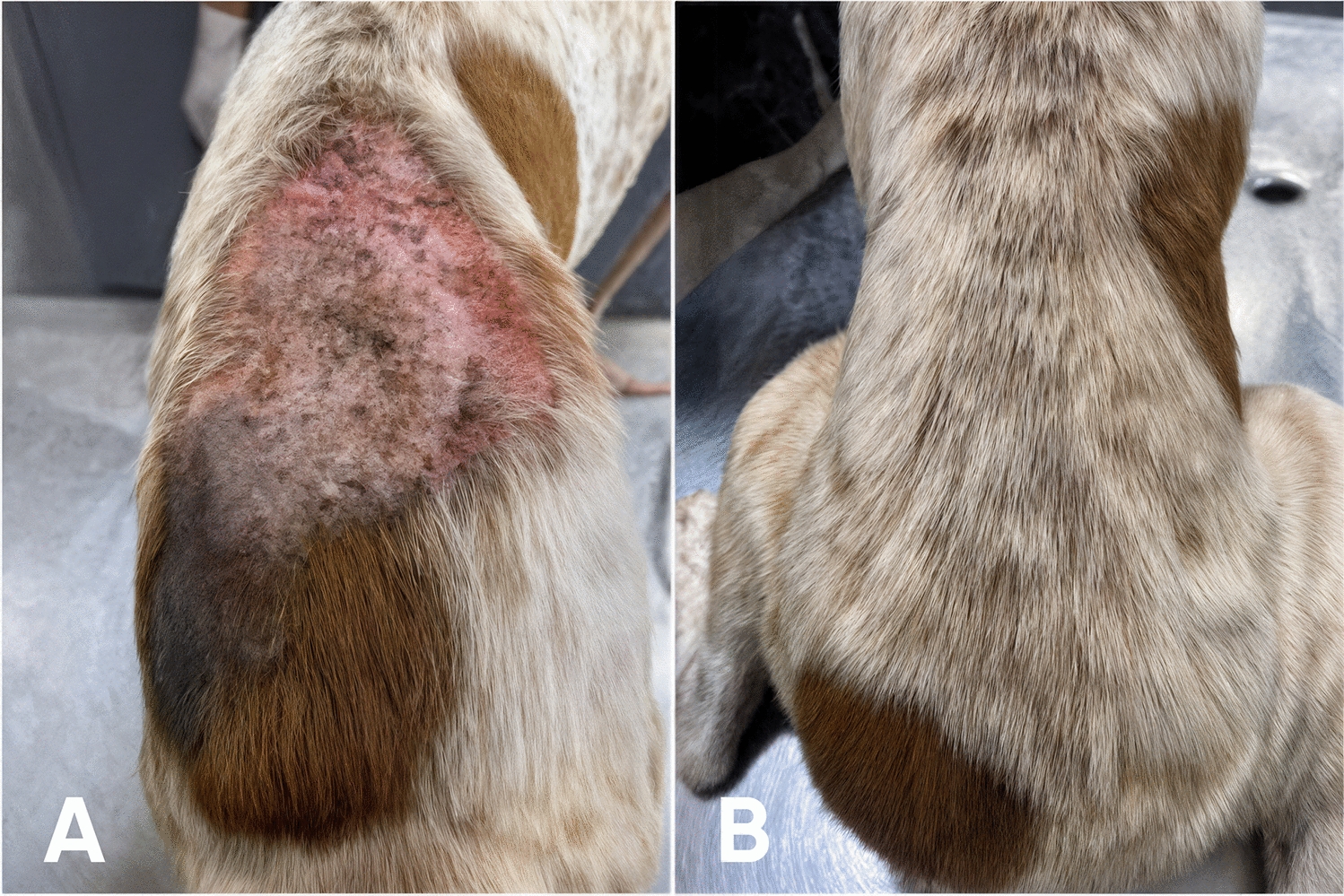 Figure 2
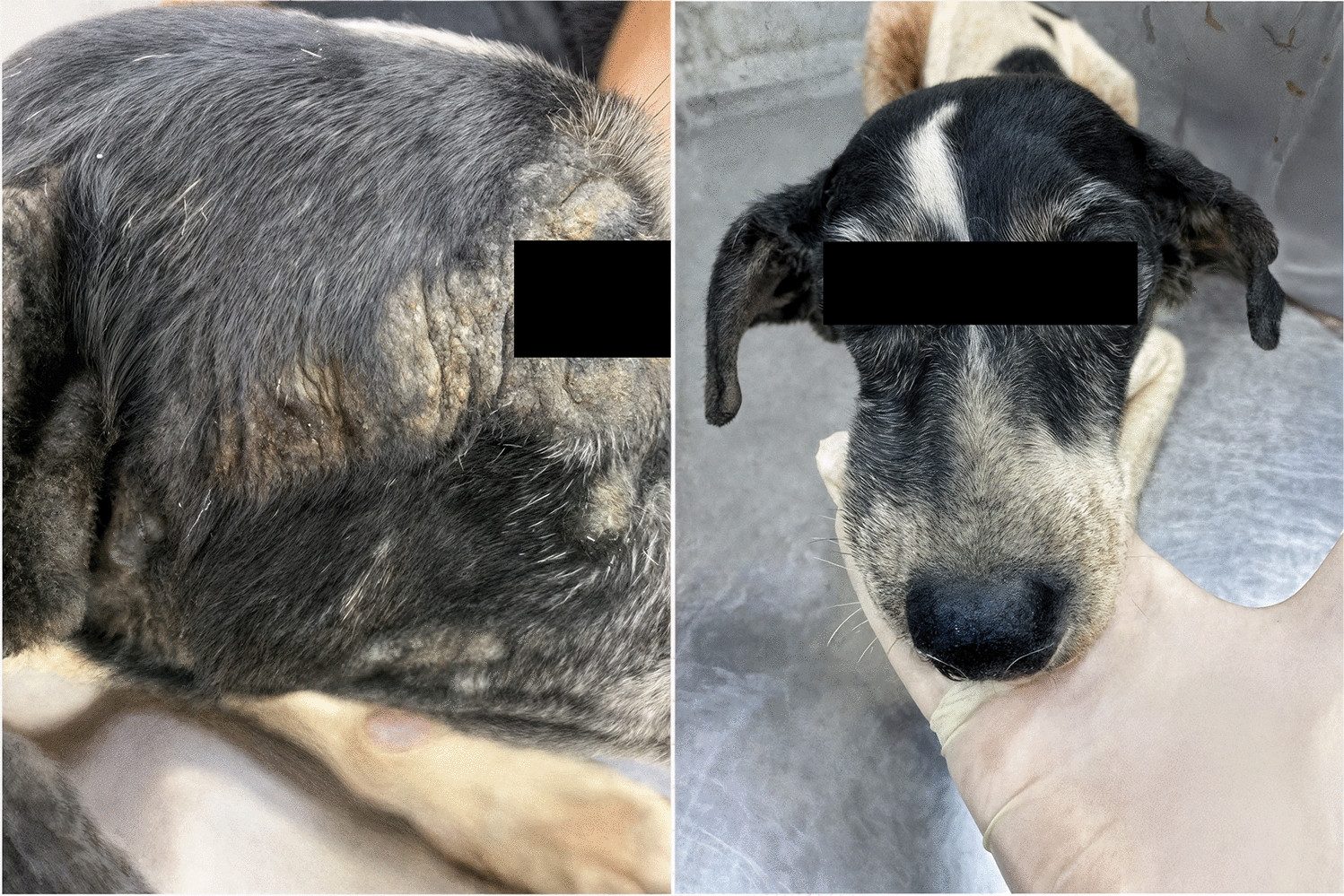 Figure 3
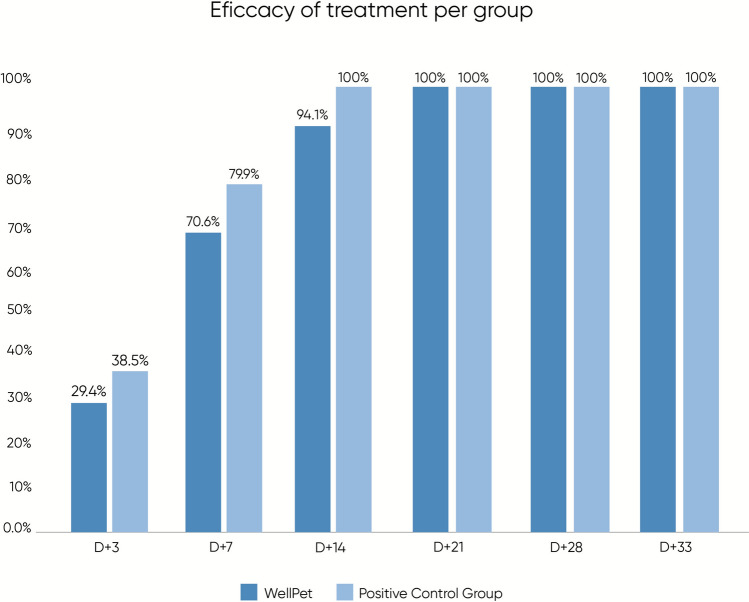 Figure 4
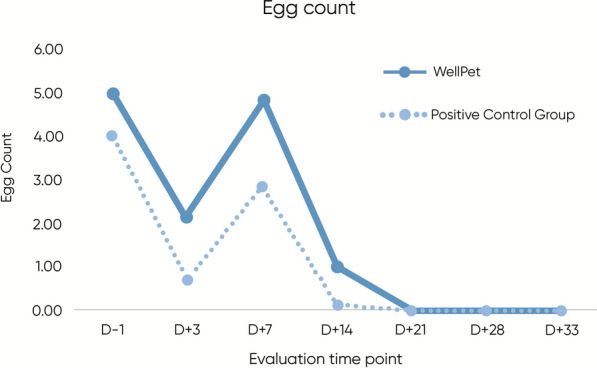 Figure 5
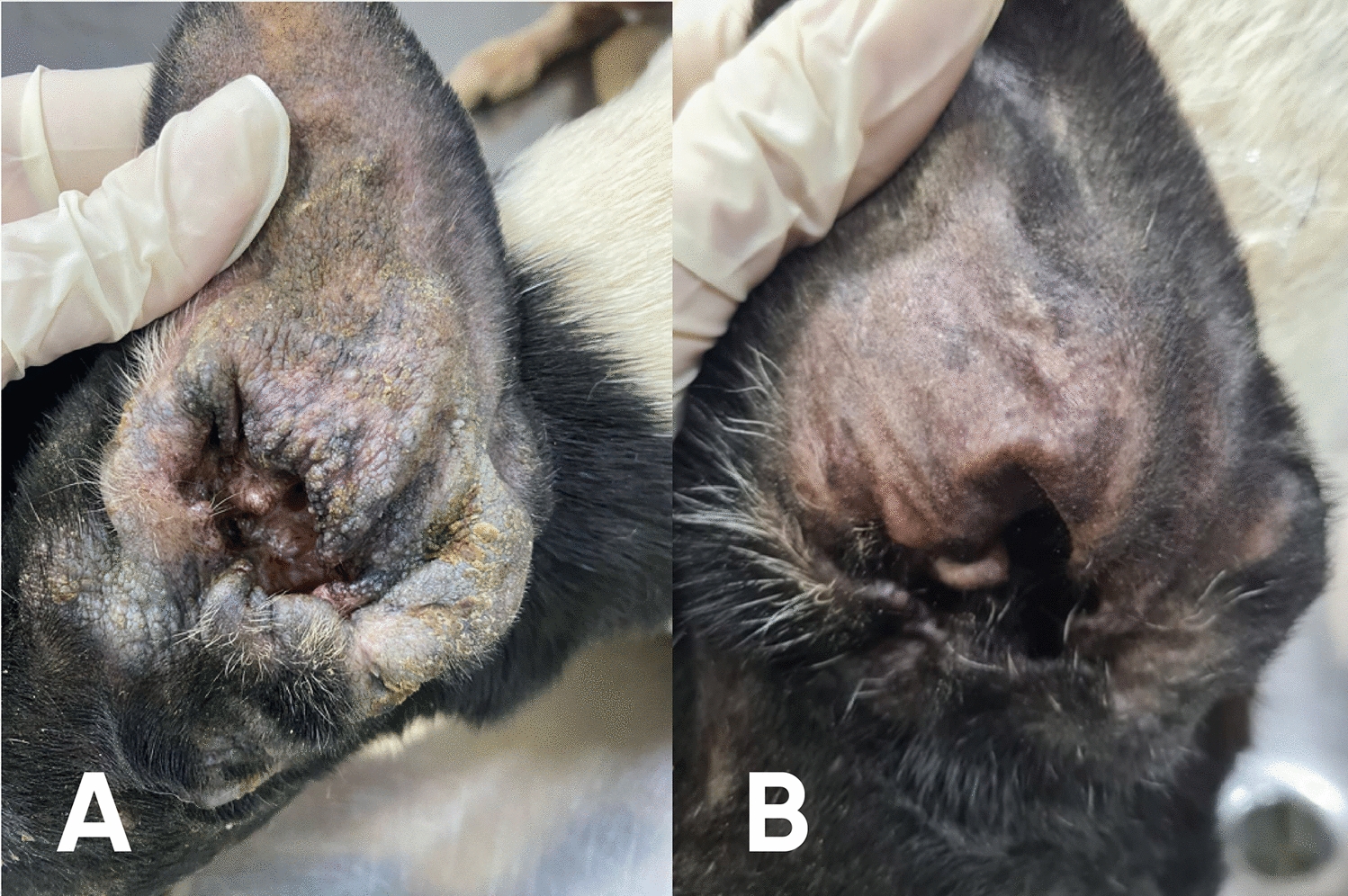 Figure 6
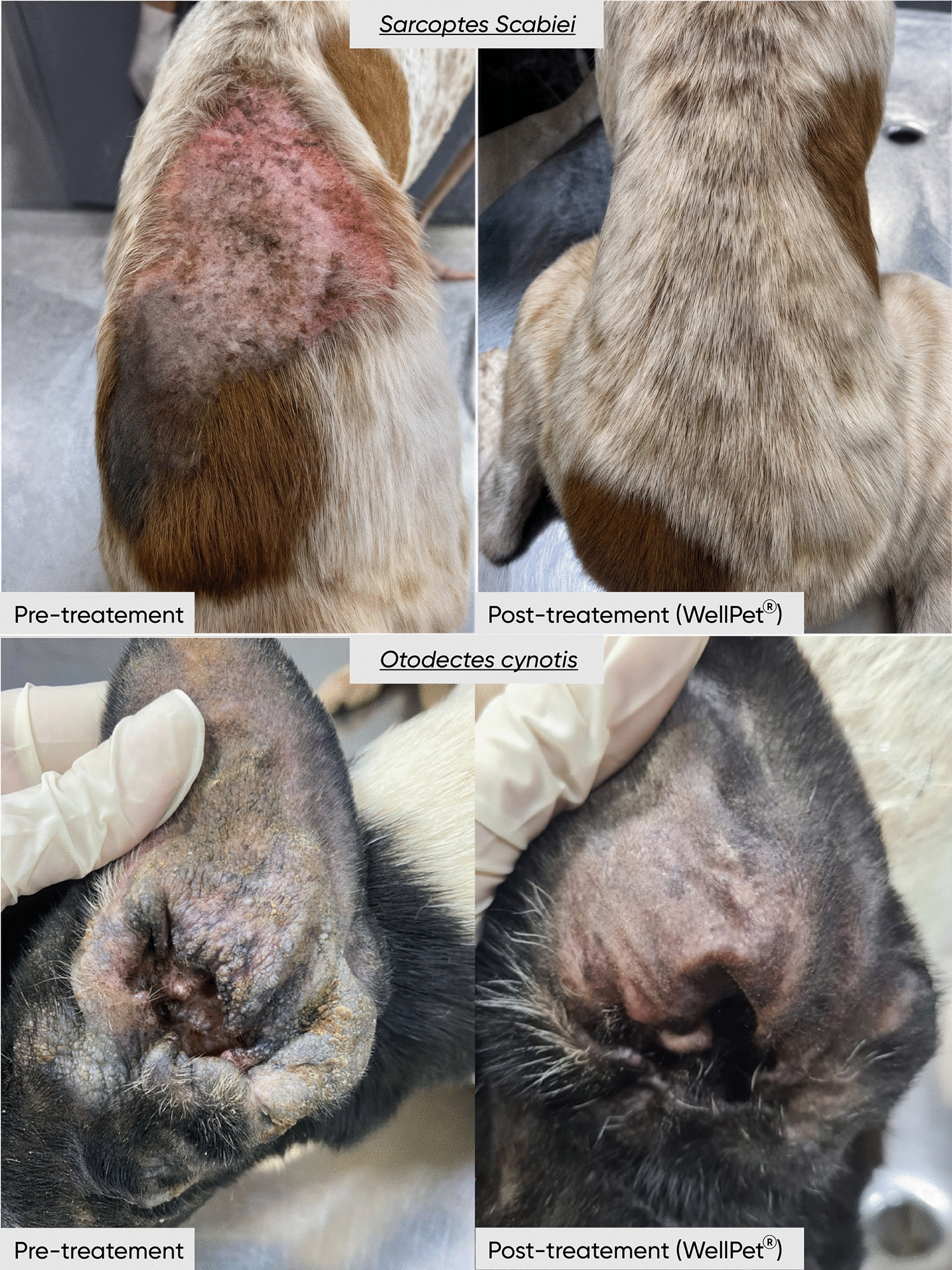 Figure 7
Peer Reviews
No public reviews on file for this paper yet. If you reviewed it on a platform where reviews are public (OpenReview, ICLR, NeurIPS, ICML), you can paste yours below so the community can read it here.
Videos
No videos yet. Explain this paper in a talk, walkthrough, or lecture? Add one.
Taxonomy
TopicsDermatological diseases and infestations · Helminth infection and control · Forensic Entomology and Diptera Studies