Ultrasonic repression of TRPA1-dependent astrocyte reactivity confers neuroprotection in models of Lewy body dementia
Ji Hun Kim, Keunhyung Lee, Minseok Koo, Doeun Kim, Jin Kyung Hong, Jeong-Yun Choi, Han Seok Ko, Joo-Ho Shin, Joo Min Park, Jinhyoung Park, Yunjong Lee

TL;DR
Using low-intensity ultrasound to target astrocyte activity through TRPA1 may protect the brain in Lewy body dementia by reducing inflammation and cognitive decline.
Contribution
This study demonstrates a novel therapeutic strategy using ULIUS to modulate astrocyte reactivity and reduce neuroinflammation in LBD.
Findings
ULIUS prevents neuroinflammation and Lewy-like pathologies in LBD mouse models.
ULIUS reduces α-syn-induced elevation of TRPA1 and inflammatory markers in astrocytes.
ULIUS rescues cognitive impairment in LBD mice without causing hippocampal inflammation or neurodegeneration.
Abstract
The pathology of Lewy body dementia (LBD) features neuronal α-synuclein (α-syn) accumulation and astrocytic hyperactivation in cognitive brain circuits. Ultra-low-intensity ultrasound (ULIUS) modulates astrocyte function via transient receptor potential ankyrin 1 (TRPA1) and has been investigated for therapeutic applications in neurodegenerative diseases. The therapeutic efficacy and mechanisms of ULIUS were evaluated in primary cultured astrocytes and neuron-glia cocultures treated with α-syn preformed fibrils (PFFs), as well as in an LBD model induced by hippocampal α-syn PFF injection into neuronal α-syn-A53T transgenic mice. Astrocytic TRPA1 was modulated under pathologic conditions with ULIUS or a pharmacologic TRPA1 antagonist to determine calcium responses and transcriptional regulation of Trpa1 and inflammation-related genes. Neuropathological analyses for Lewy-like inclusions,…
Genes, proteins, chemicals, diseases, species, mutations and cell lines named across the full text — each resolved to its canonical identifier and authoritative record.
Click any figure to enlarge with its caption.
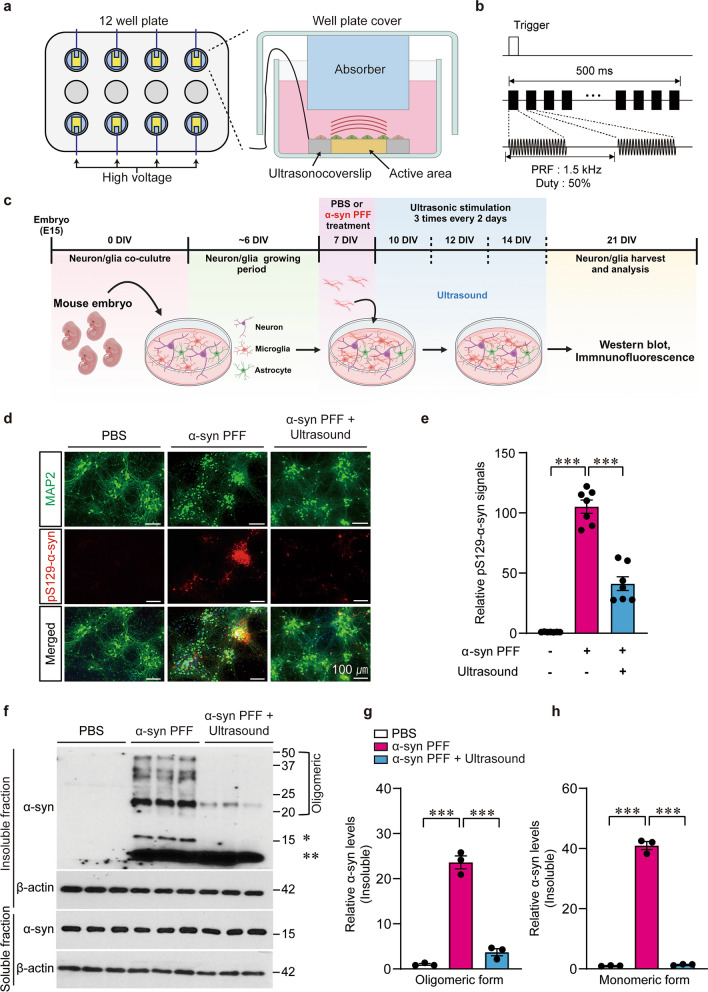 Figure 1
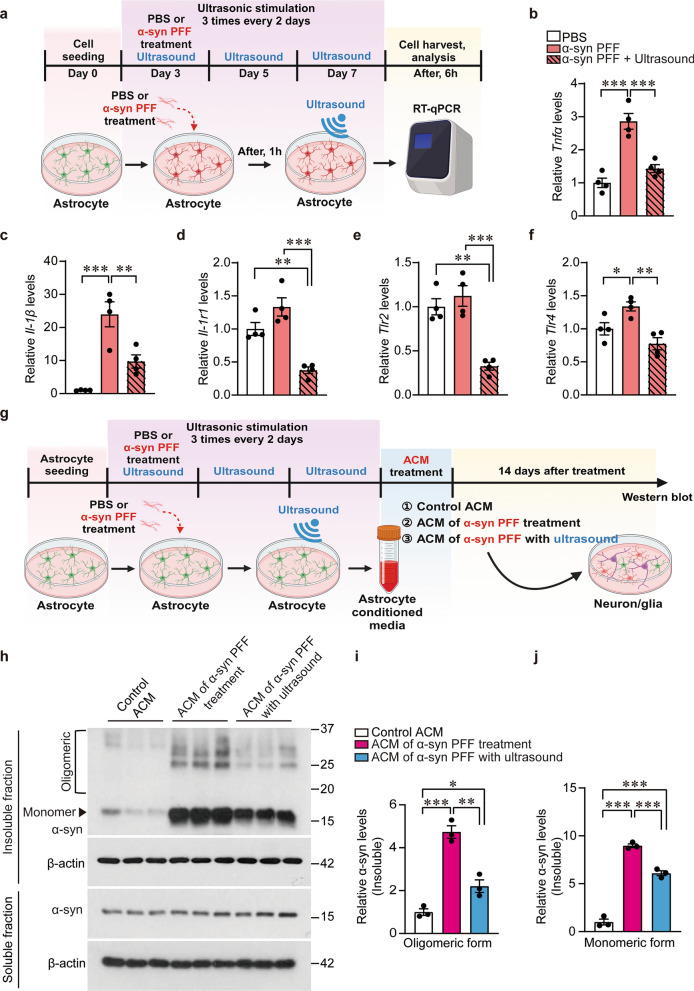 Figure 2
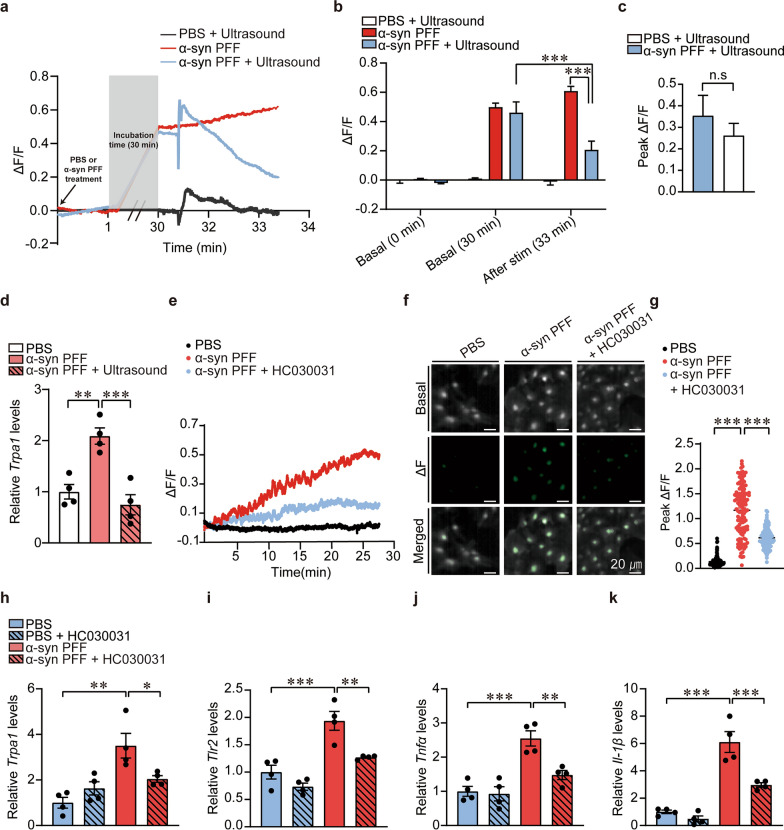 Figure 3
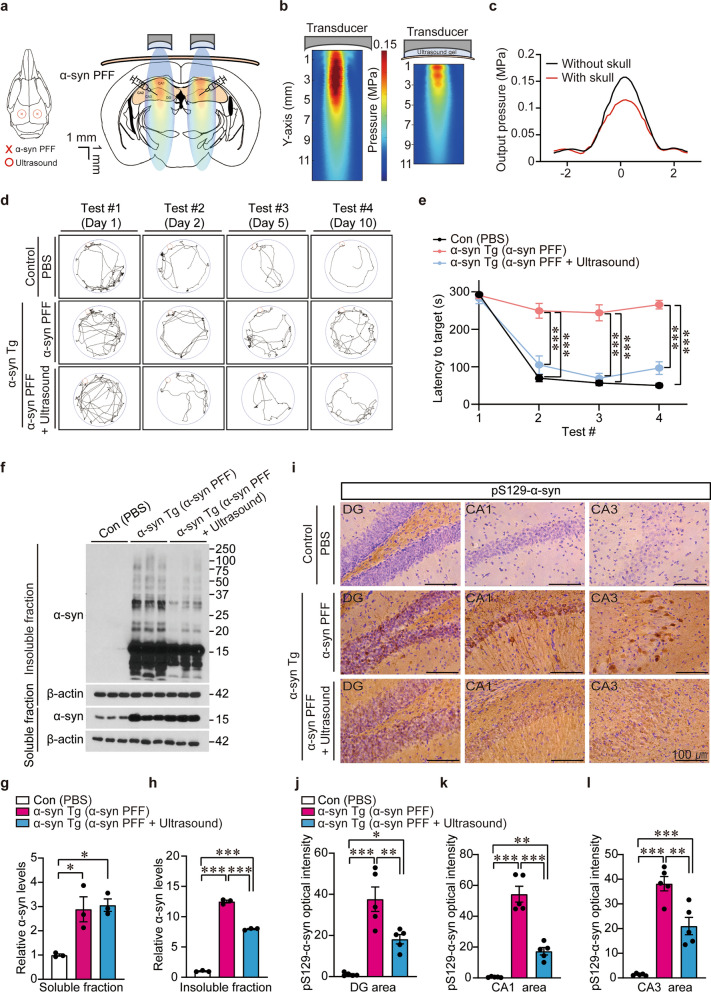 Figure 4
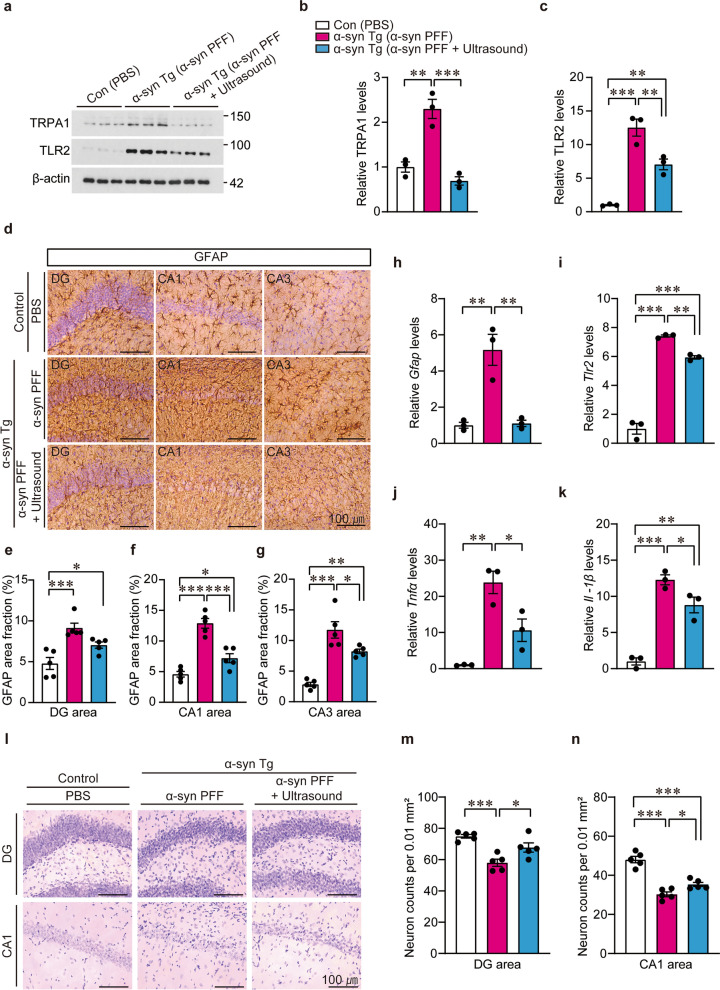 Figure 5
Peer Reviews
No public reviews on file for this paper yet. If you reviewed it on a platform where reviews are public (OpenReview, ICLR, NeurIPS, ICML), you can paste yours below so the community can read it here.
Videos
No videos yet. Explain this paper in a talk, walkthrough, or lecture? Add one.
Taxonomy
TopicsUltrasound and Hyperthermia Applications · Hearing, Cochlea, Tinnitus, Genetics · Ultrasound and Cavitation Phenomena