Application of 18β-glycyrrhetinic acid Fluorescent probes in cell imaging
Yifan Zhao, Hongxia Sun, Zhiwei Yan, Youde Wang, Shuai Li, Yachun Guo, Guangxin Miao, Tienan Wang, Liying Zhang, Chengjun Song

TL;DR
Researchers developed fluorescent probes to study how 18β-GA reduces inflammation in macrophages, finding that it likely acts on cytoplasmic proteins.
Contribution
Designed and tested fluorescent probes to identify the subcellular targets of 18β-GA in anti-inflammatory processes.
Findings
Modifying C-3 hydroxyl and C-30 carboxyl groups improved 18β-GA's anti-inflammatory activity.
Two fluorescent probes (Ia and IIc) showed similar anti-inflammatory effects to 18β-GA on key inflammatory factors.
Fluorescence signals from the probes were localized in the cytoplasm, suggesting cytoplasmic protein targets.
Abstract
Fluorescently labelled small molecule probes (fluorescent probes) play an important role in cell imaging and are often used in combination with light-affinity probes to determine the subcellular localisation of target proteins. To investigate the target proteins of 18β-glycyrrhetinic acid (18β-GA), which regulates the macrophage inflammatory response, we designed and synthesised three types of fluorescent probes. We analysed its structure-activity relationship by evaluating the biological activity and screening for fluorescent probes with high activity. Our results showed that modifying C-3 hydroxyl and C-30 carboxyl groups enhanced the anti-inflammatory activity of 18β-GA, and found that two preferred probes had similar effects on LPS-induced, inflammation-related factor release (IL-1β, TNF-α, IL-6, HDAC8, P-STAT3, and SOCS3) to those of 18β-GA. Fluorescence signals of the preferred…
Genes, proteins, chemicals, diseases, species, mutations and cell lines named across the full text — each resolved to its canonical identifier and authoritative record.
Click any figure to enlarge with its caption.
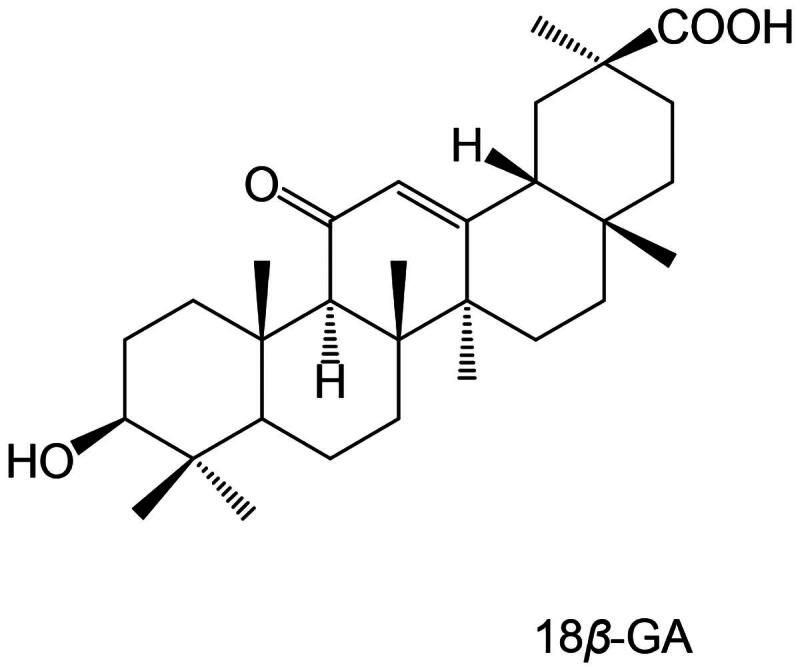 Figure 1
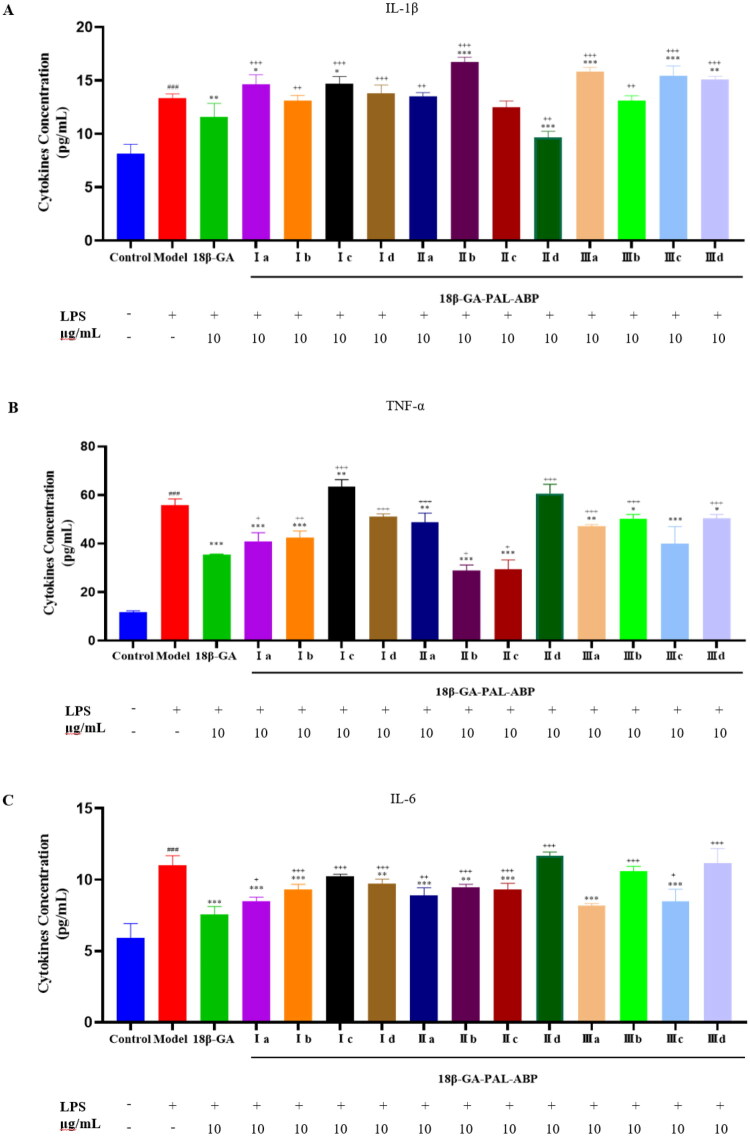 Figure 2
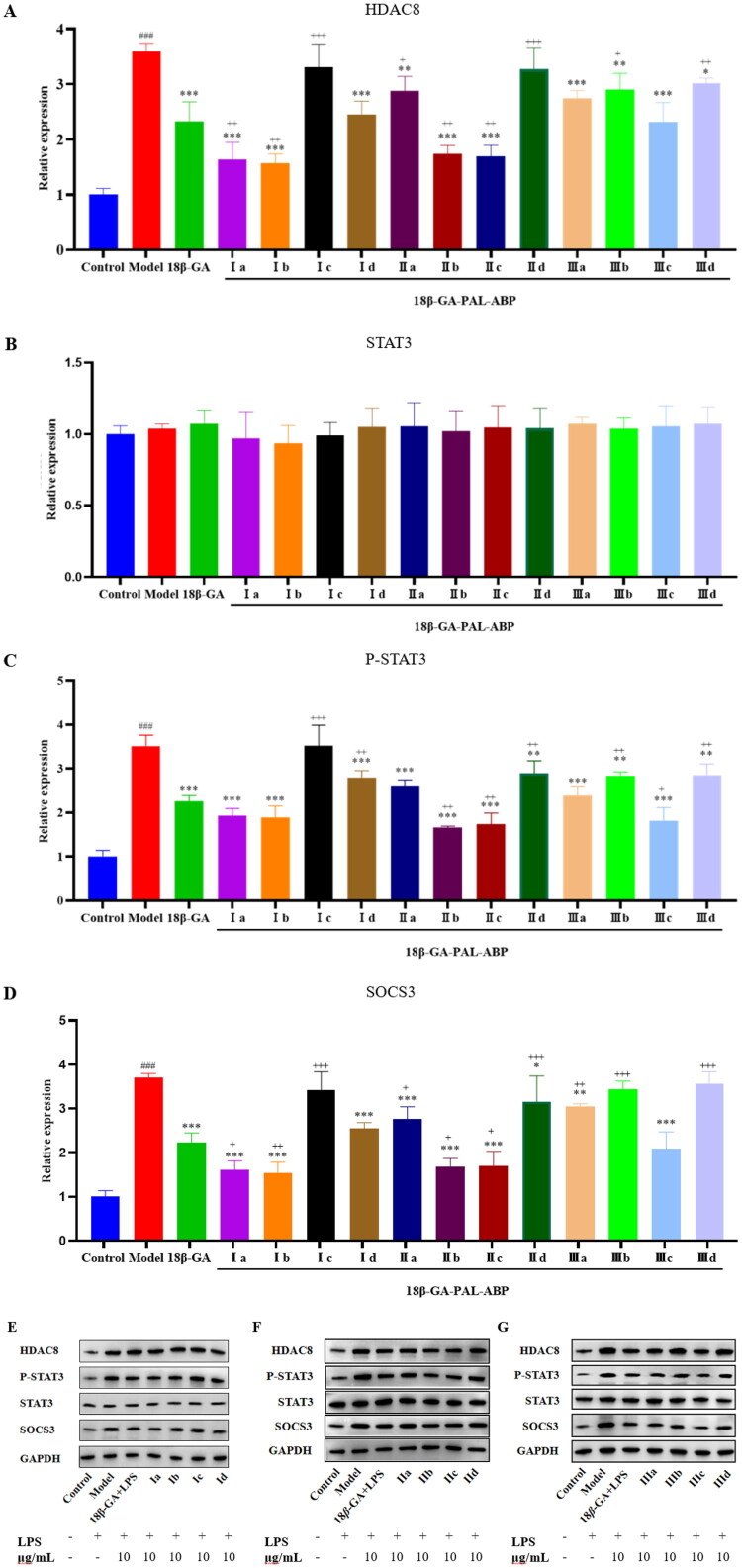 Figure 3
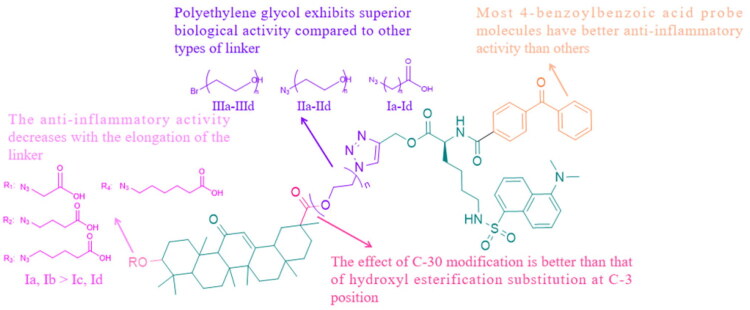 Figure 4
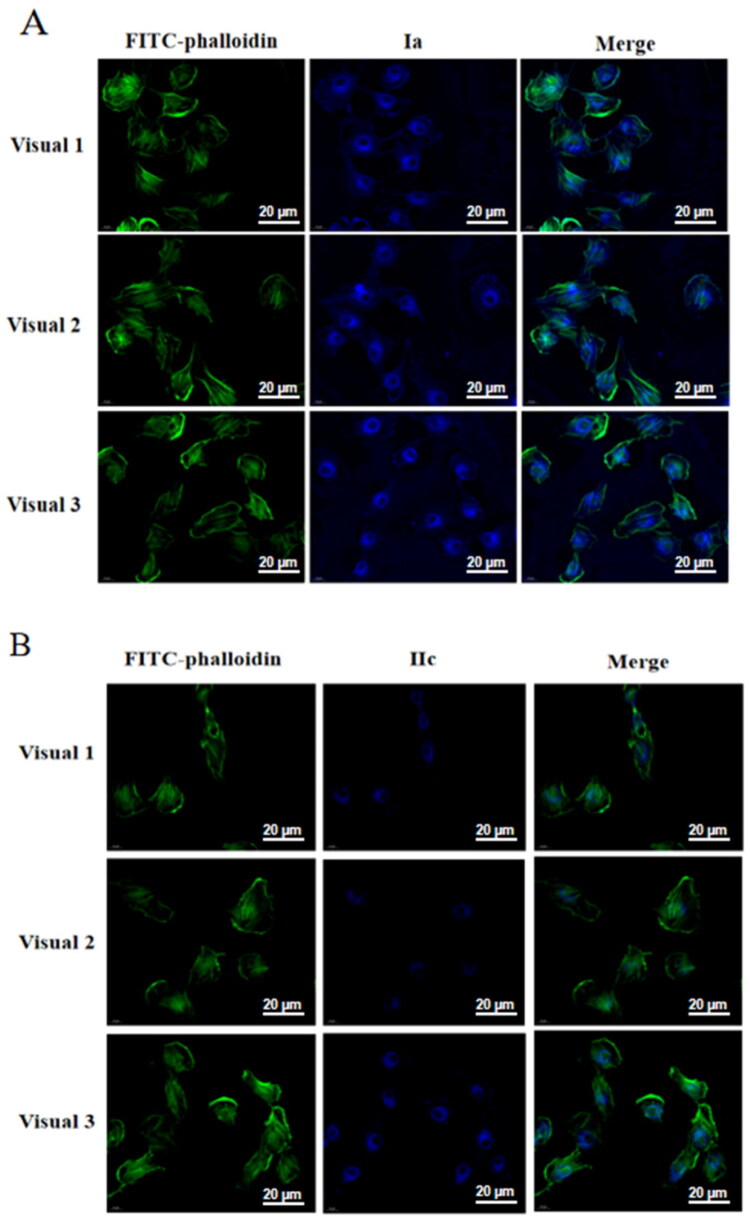 Figure 5
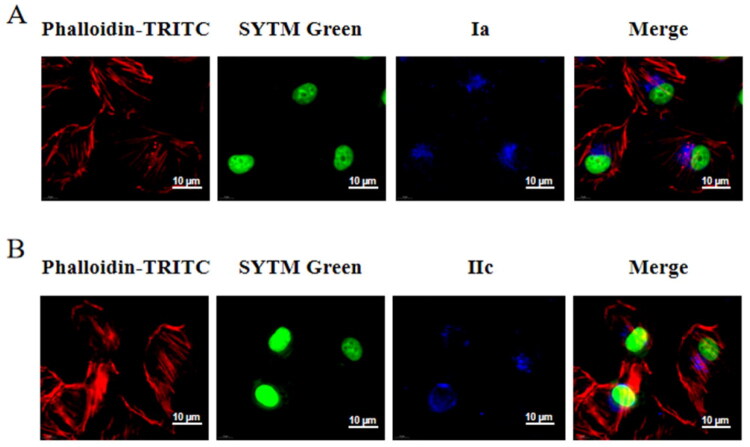 Figure 6
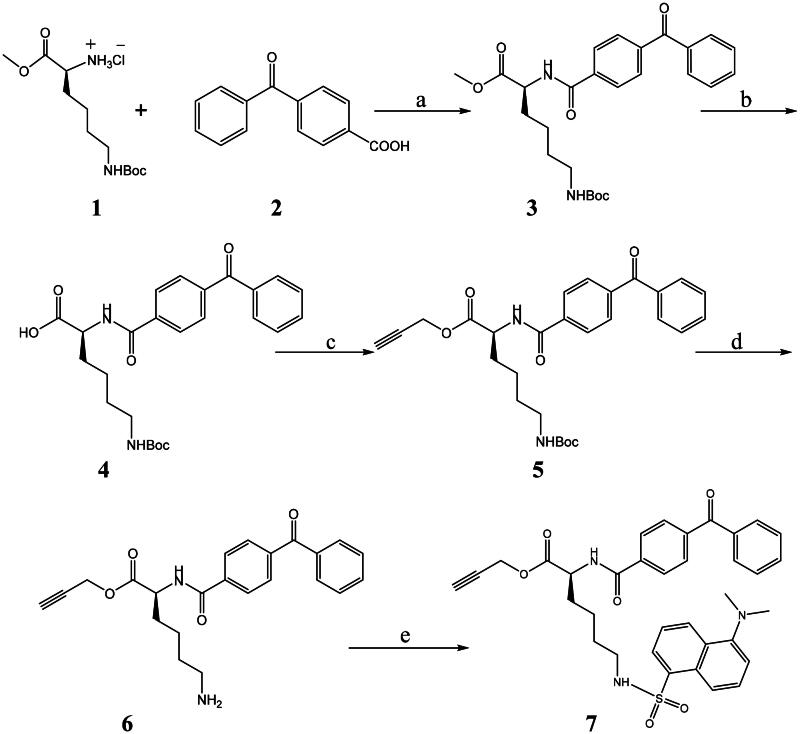 Figure 7
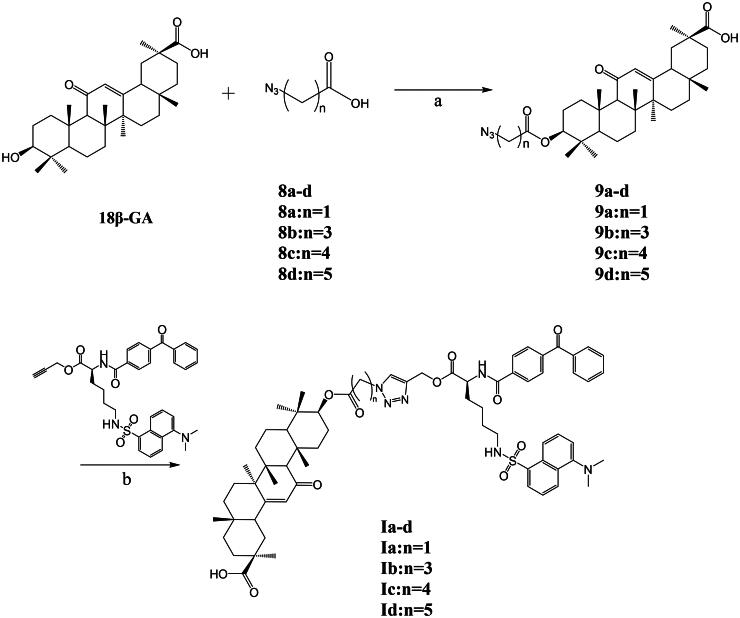 Figure 8
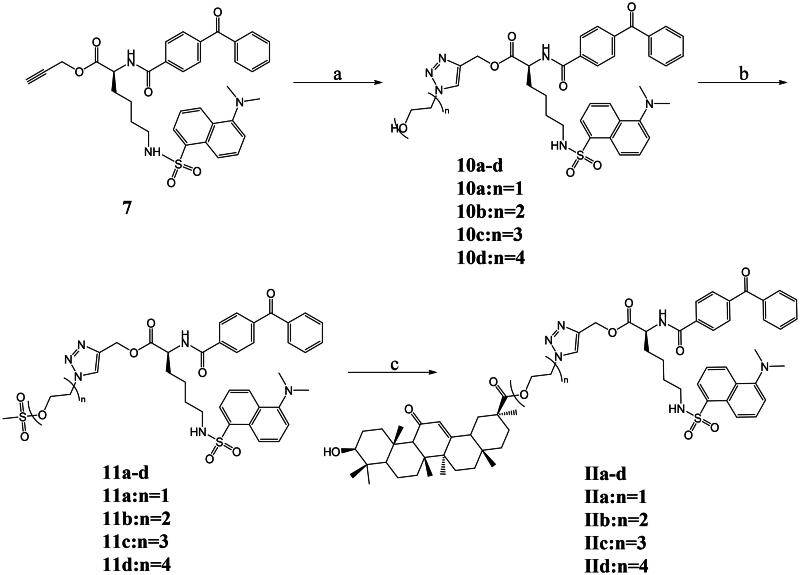 Figure 9
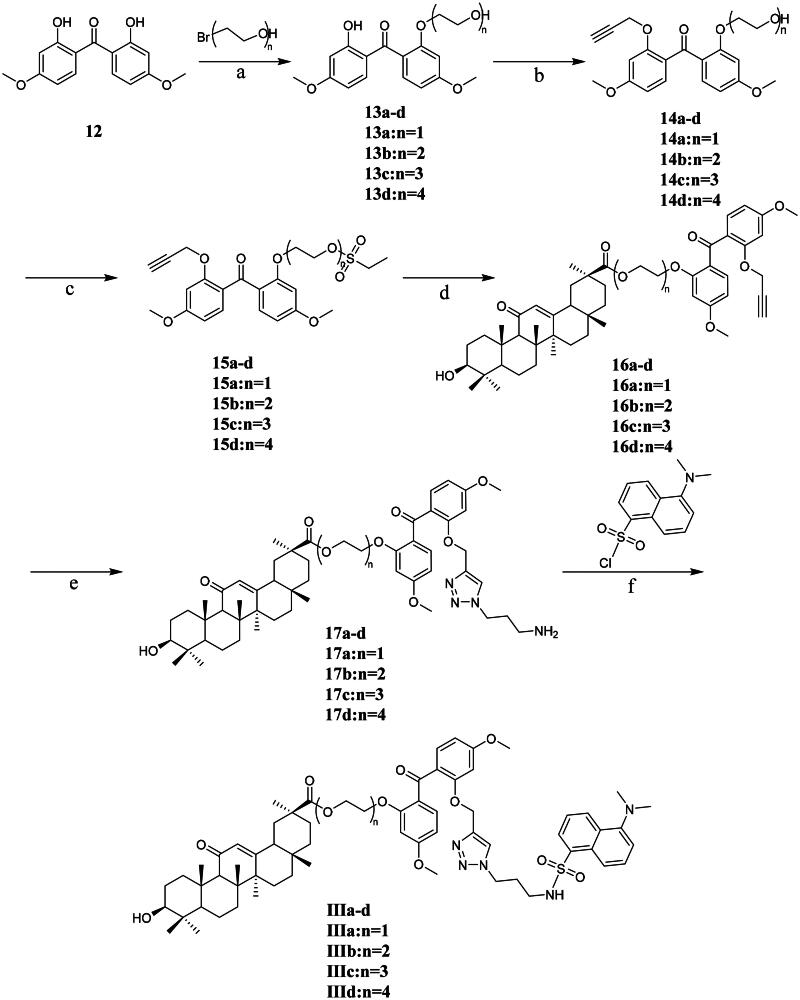 Figure 10
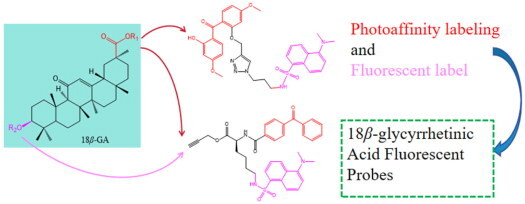 Figure 11
Peer Reviews
No public reviews on file for this paper yet. If you reviewed it on a platform where reviews are public (OpenReview, ICLR, NeurIPS, ICML), you can paste yours below so the community can read it here.
Videos
No videos yet. Explain this paper in a talk, walkthrough, or lecture? Add one.
Taxonomy
TopicsPharmacological Effects of Natural Compounds · Aldose Reductase and Taurine · Signaling Pathways in Disease