Sickness absence in the working age population: a retrospective cohort study using primary care health record data
Naijie Guan, James Rockey, Tom Marshall, Eleanor Hathaway, Tracy Roberts, Francesca Crowe, Louise J. Jackson, Shamil Haroon

TL;DR
This study found that sickness absence in England increased during the pandemic, mainly due to mental health issues, causing significant economic losses.
Contribution
The study provides new evidence on the rise of sickness absence and its economic impact during the pandemic, particularly linked to mental health.
Findings
Fit note rates increased slightly from 23.5 to 24.0 per 100 person-years between pre-pandemic and late pandemic periods.
Depression and anxiety were the leading medical causes for sickness absence.
The estimated annual cost of sickness absence rose from £13.3 billion to £15.9 billion during the pandemic.
Abstract
Economic inactivity rate in the UK reached 22.2% in 2024, driven largely by increased long-term sickness, and exceeds those reported in comparable high-income countries. Sickness absence remains a major challenge, imposing substantial costs on individuals and society. This study aimed to assess sickness absence rates and associated economic output losses in primary care for working-age adults in England. This was a population-based retrospective cohort study using primary care data from the Clinical Practice Research Datalink (CPRD) Aurum database. 10 million adults aged 18–65 years was followed from January 2017 to December 2019 (pre-COVID-19 pandemic period) and March 2022 to February 2023 (late pandemic period). Sickness absence was measured using fit notes (“statements of fitness for work”) issued in primary care. We quantified annual fit note rates, identified underlying medical…
Genes, proteins, chemicals, diseases, species, mutations and cell lines named across the full text — each resolved to its canonical identifier and authoritative record.
Click any figure to enlarge with its caption.
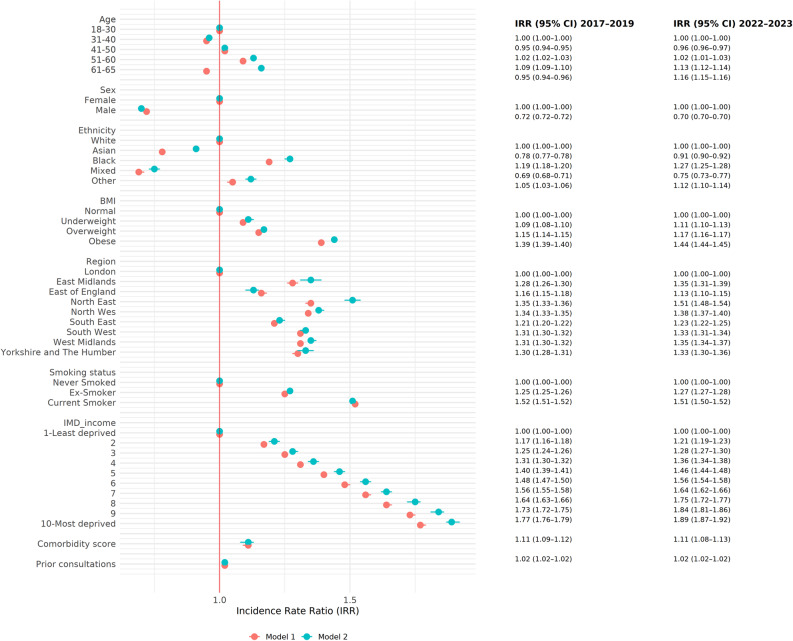 Figure 1
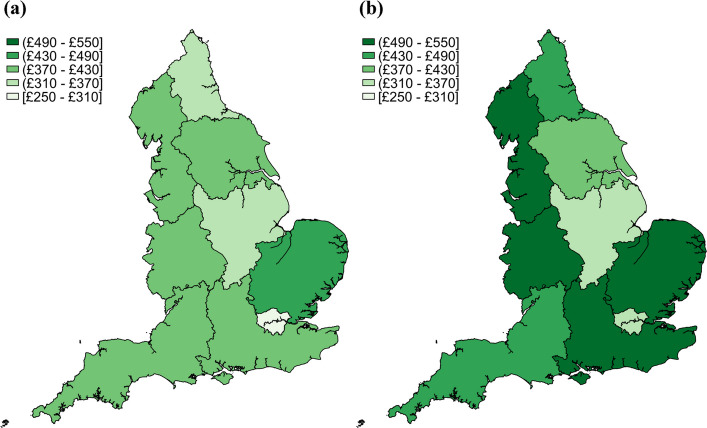 Figure 2
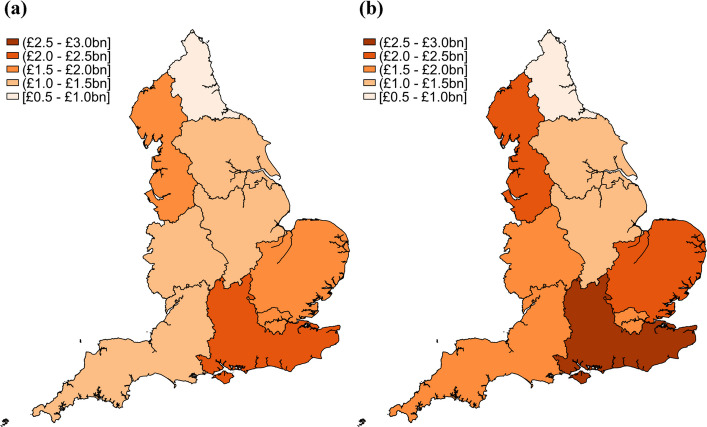 Figure 3
Peer Reviews
No public reviews on file for this paper yet. If you reviewed it on a platform where reviews are public (OpenReview, ICLR, NeurIPS, ICML), you can paste yours below so the community can read it here.
Videos
No videos yet. Explain this paper in a talk, walkthrough, or lecture? Add one.
Taxonomy
TopicsWorkplace Health and Well-being · Sleep and Work-Related Fatigue · Musculoskeletal pain and rehabilitation