Carbonaceous supports for Schiff base metal complexes: Strategies for enhanced catalytic efficiency
Abhishek Maurya

TL;DR
This review discusses how attaching metal-Schiff base complexes to carbon-based materials improves catalytic performance and sustainability in chemical reactions.
Contribution
The paper presents a comprehensive overview of recent strategies for immobilizing metal-Schiff base complexes on carbonaceous supports to enhance catalytic efficiency.
Findings
Carbonaceous supports like graphene and carbon nanotubes improve the stability and reusability of metal-Schiff base catalysts.
Immobilization techniques reduce metal leaching and enhance catalytic performance in organic transformations.
Composite carbonaceous polymer matrices offer sustainable and industrially viable catalytic systems.
Abstract
Recent developments in anchoring metal-Schiff base complexes onto carbonaceous polymeric matrices highlight the growing emphasis on using carbonaceous polymers as versatile support materials. The development of supported metal catalysts has gained significant attention due to their potential to combine the advantages of homogeneous and heterogeneous catalysis. This review explores recent advances in the immobilization of metal-Schiff base complexes onto carbonaceous polymeric supports and its application toward organic transformation reactions. This discussion emphasizes diverse strategies for synthesizing composite materials, particularly the incorporation of metal catalysts into solid supports, such as activated carbon, carbon nanotubes, graphene, and Merrifield resin, which has led to enhanced catalytic performance, stability, and reusability. Additionally, the review addresses…
Genes, proteins, chemicals, diseases, species, mutations and cell lines named across the full text — each resolved to its canonical identifier and authoritative record.
Click any figure to enlarge with its caption.
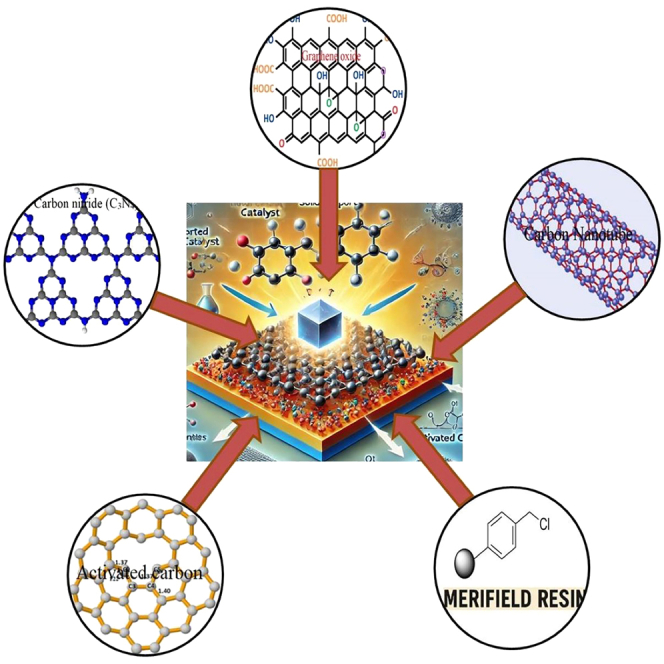 Figure 1
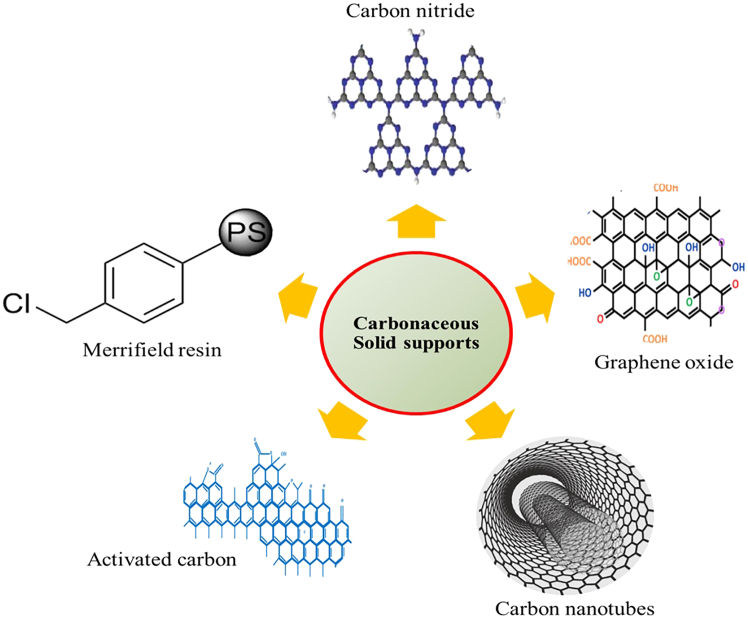 Figure 2
 Figure 3
 Figure 4
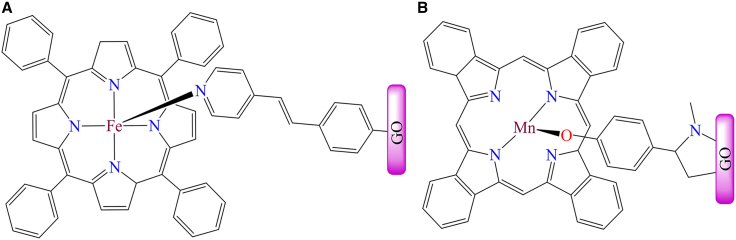 Figure 5
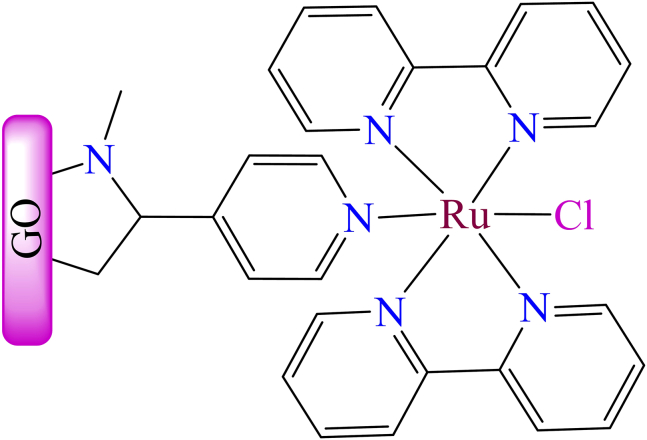 Figure 6
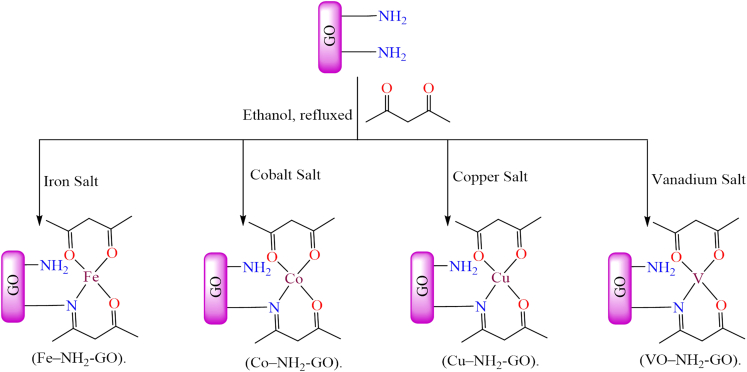 Figure 7
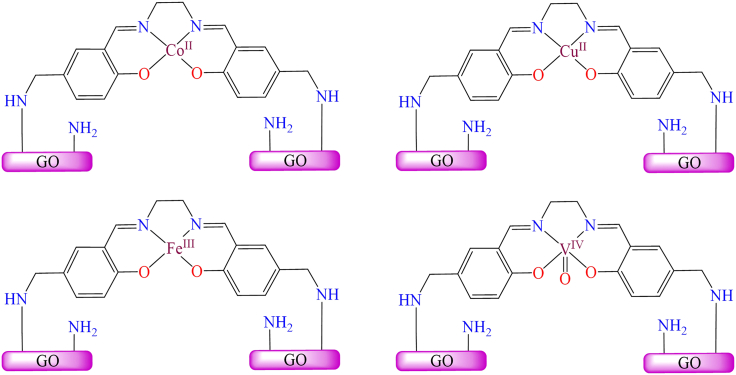 Figure 8
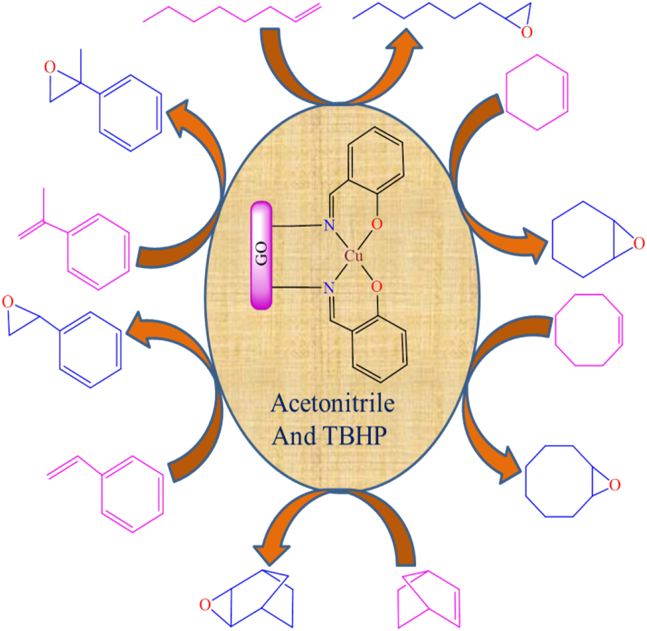 Figure 9
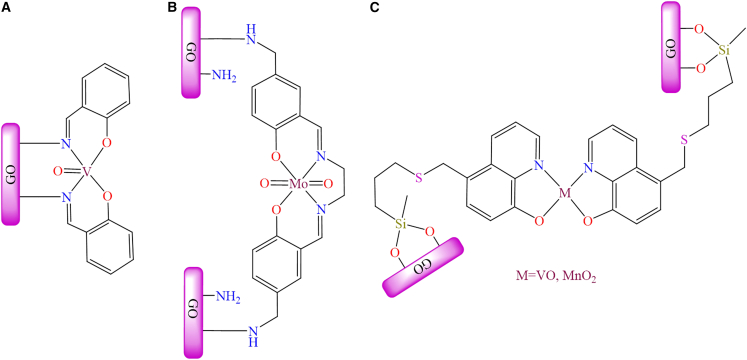 Figure 10
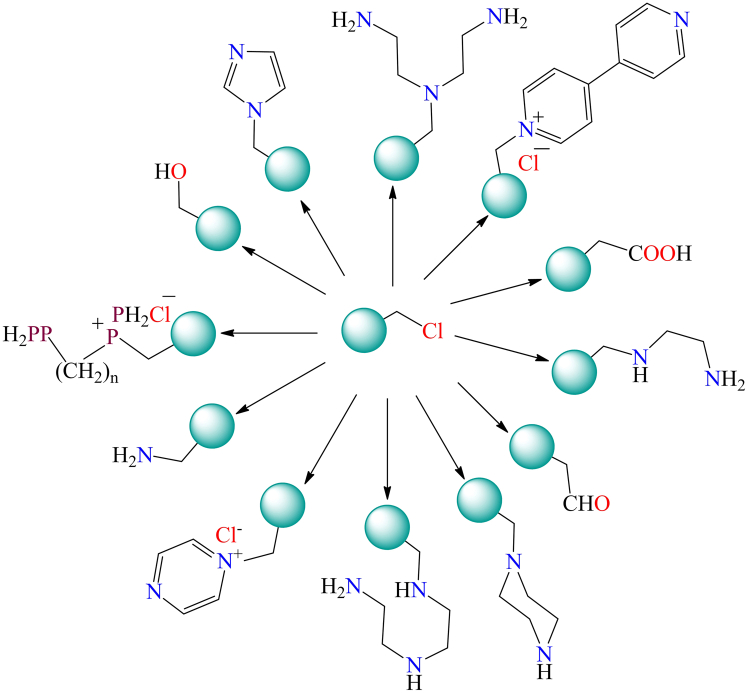 Figure 11
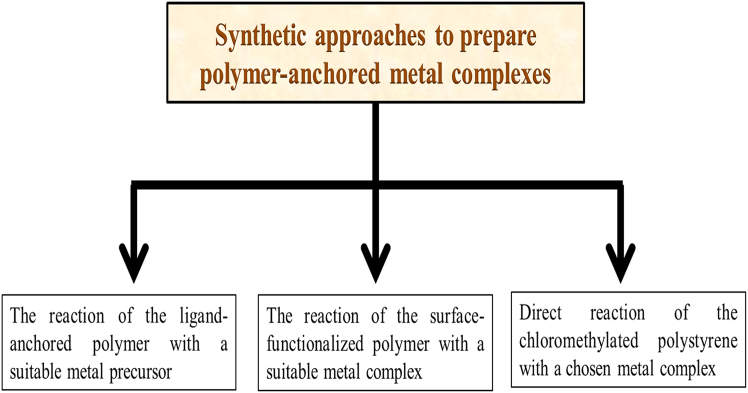 Figure 12
 Figure 13
 Figure 14
 Figure 15
 Figure 16
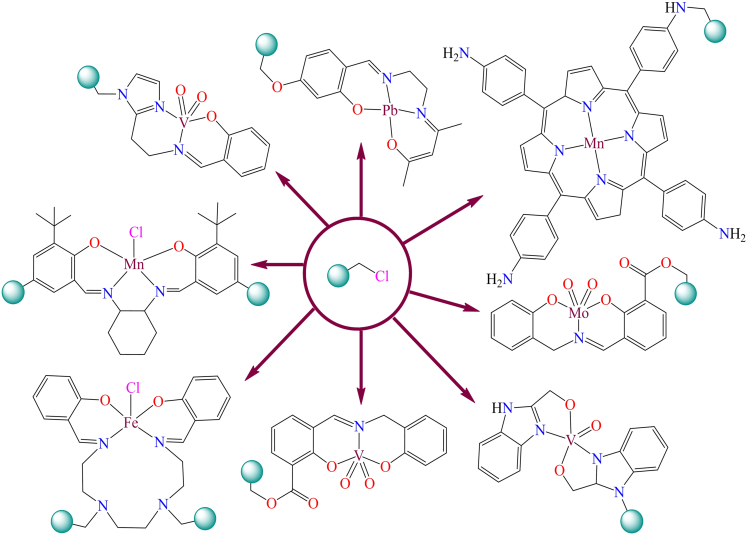 Figure 17
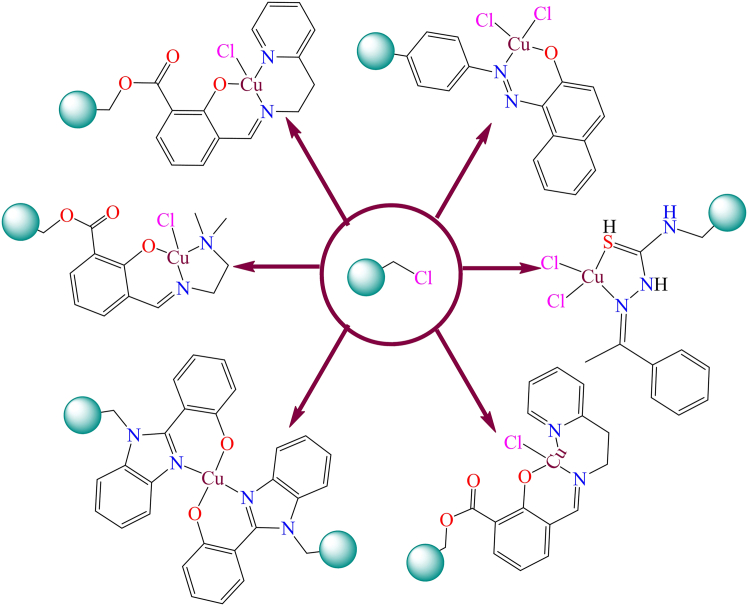 Figure 18
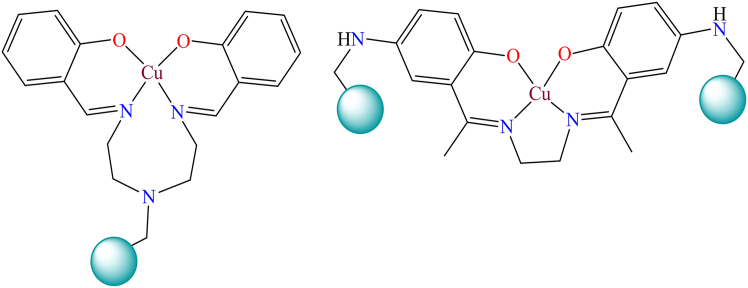 Figure 19
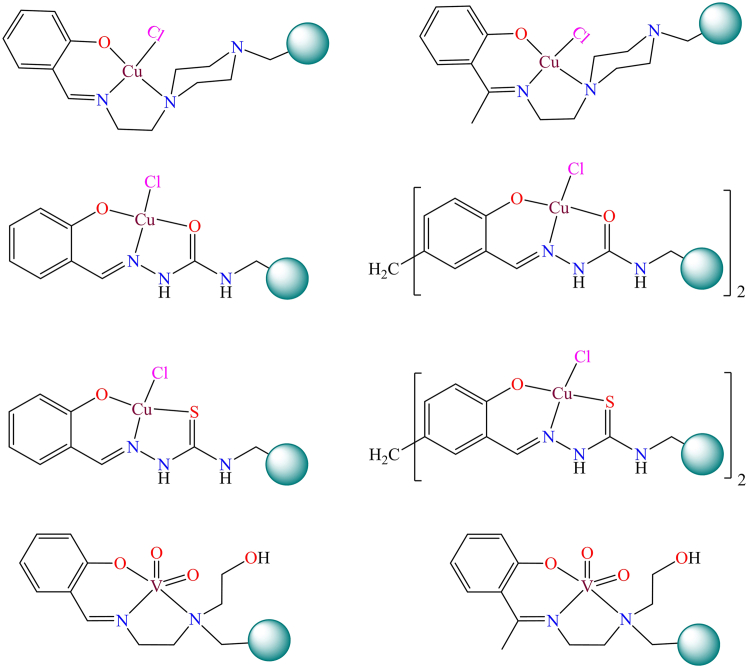 Figure 20
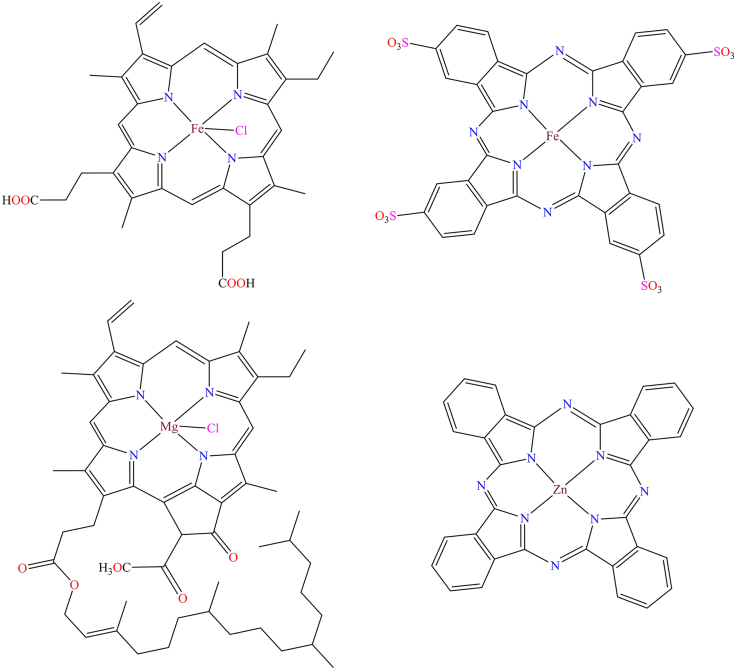 Figure 21
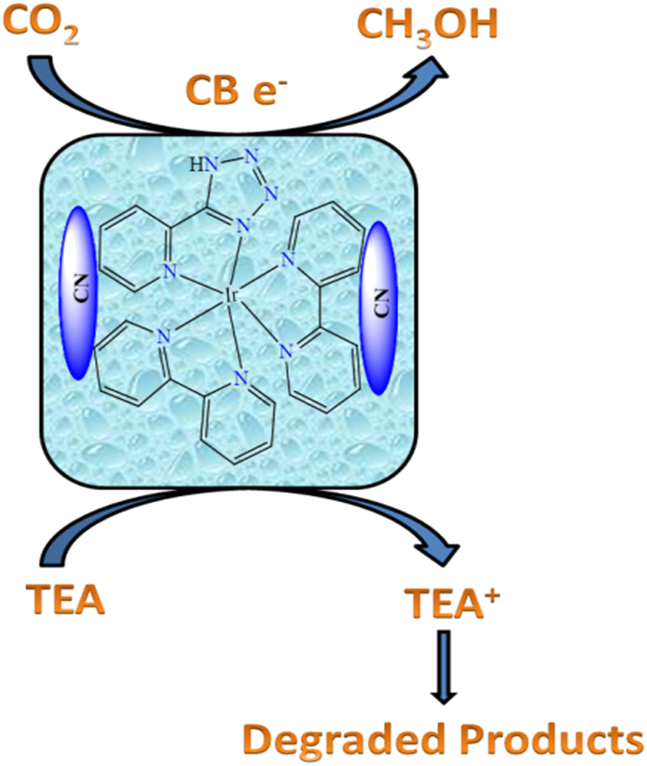 Figure 22
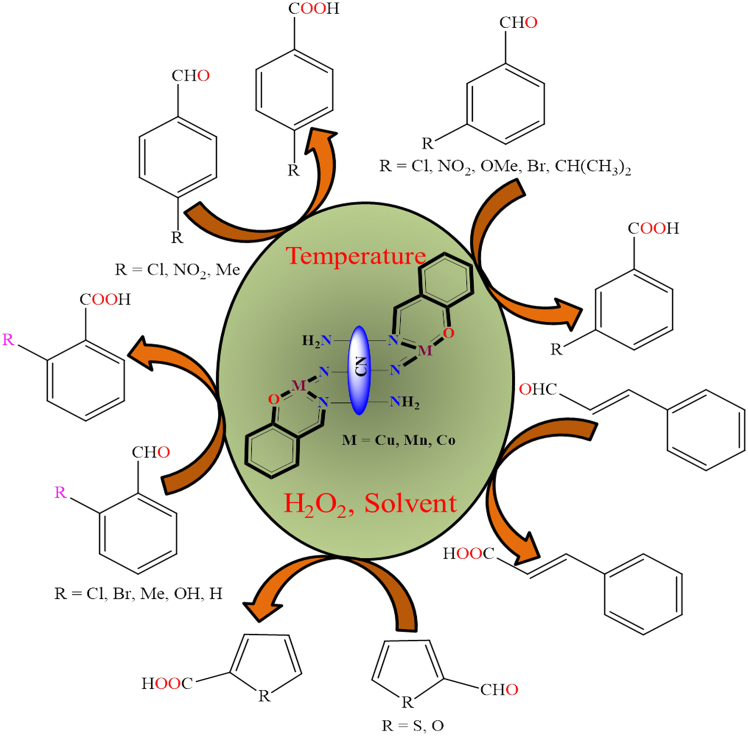 Figure 23
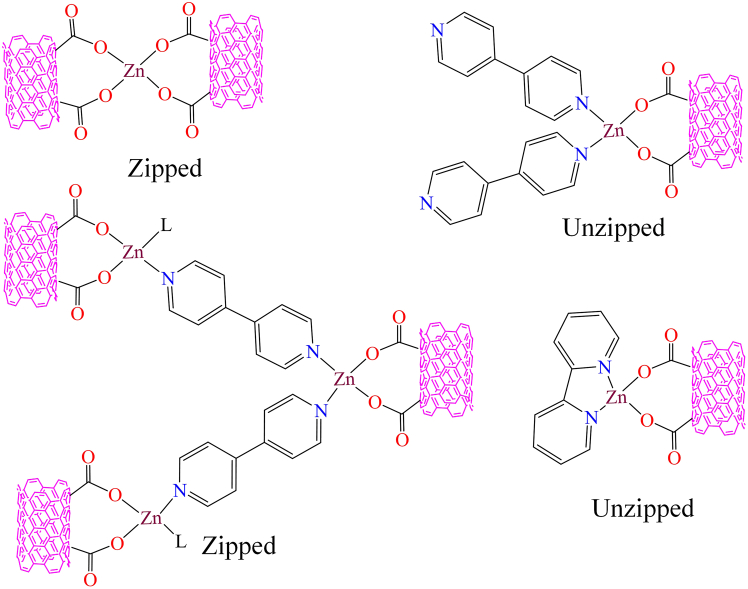 Figure 24
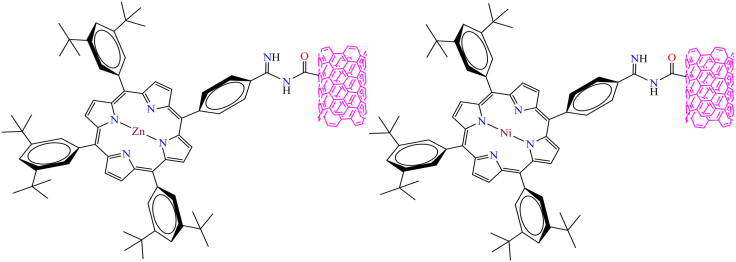 Figure 25
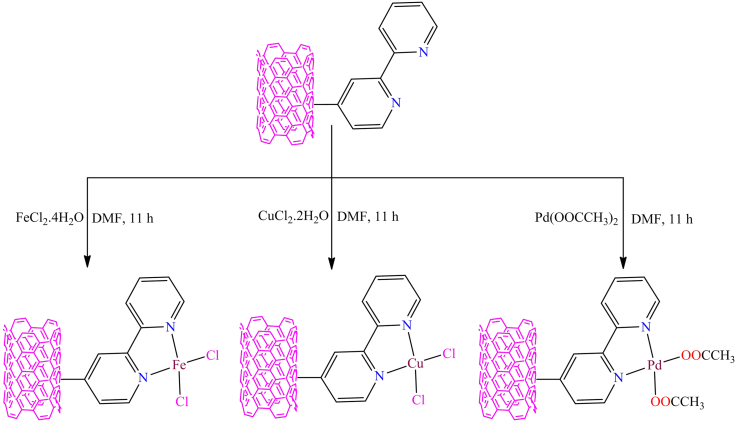 Figure 26
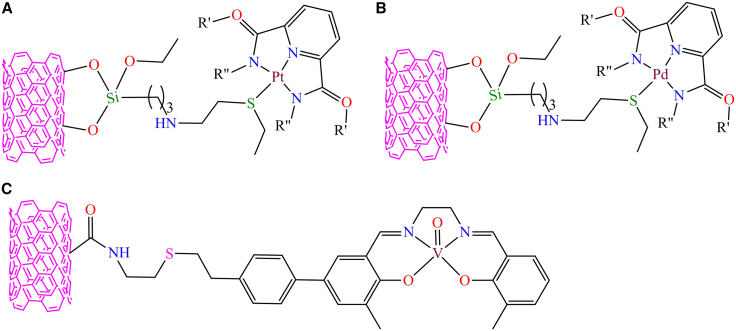 Figure 27
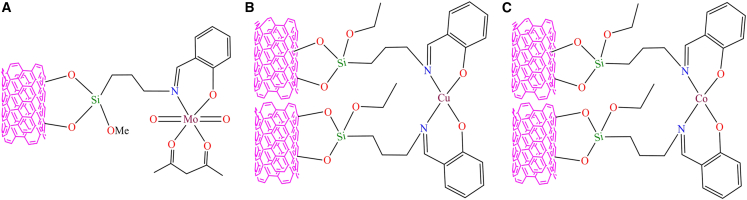 Figure 28
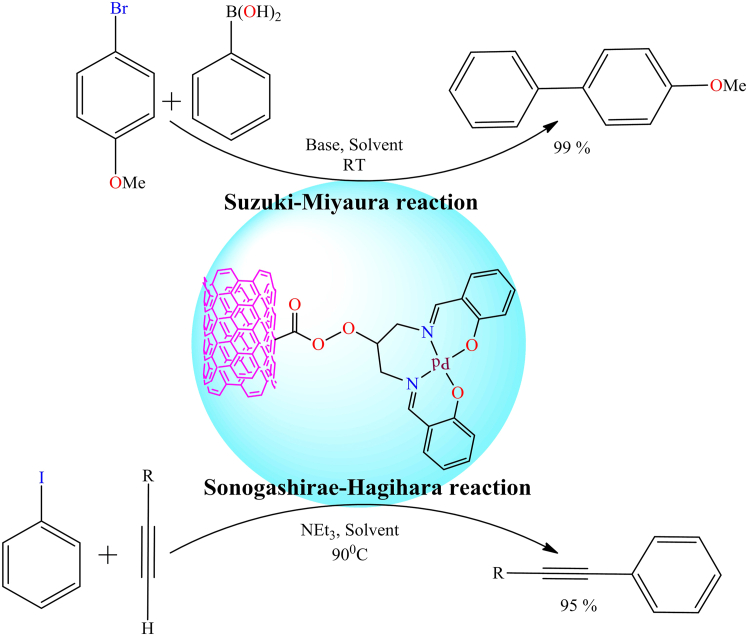 Figure 29
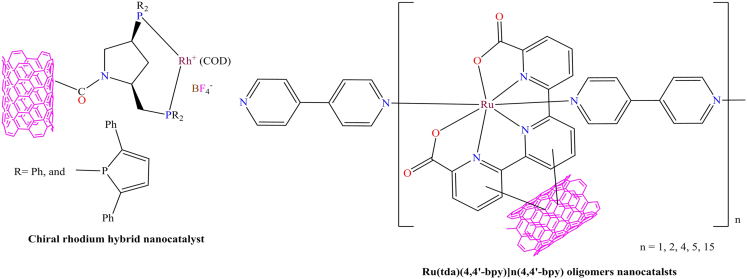 Figure 30
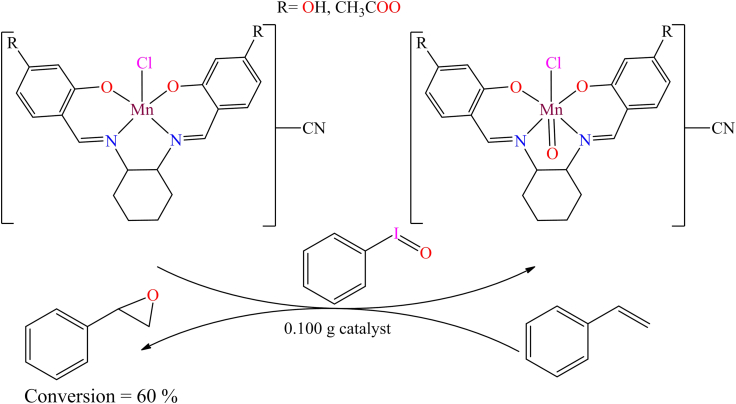 Figure 31
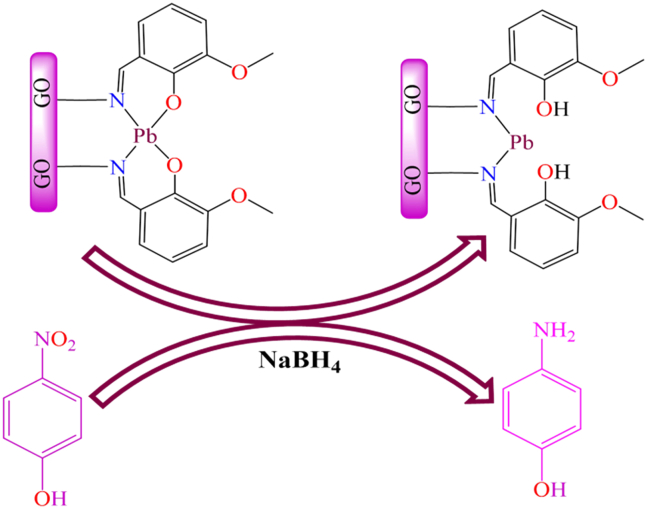 Figure 32
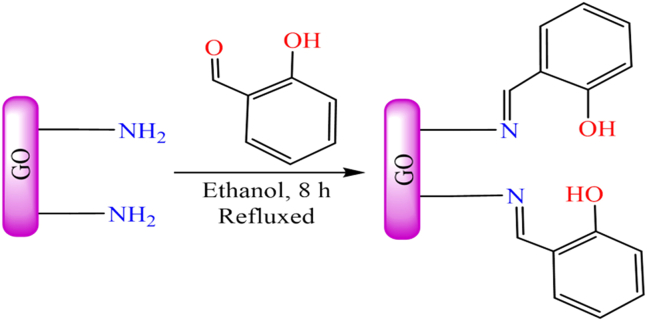 Figure 33
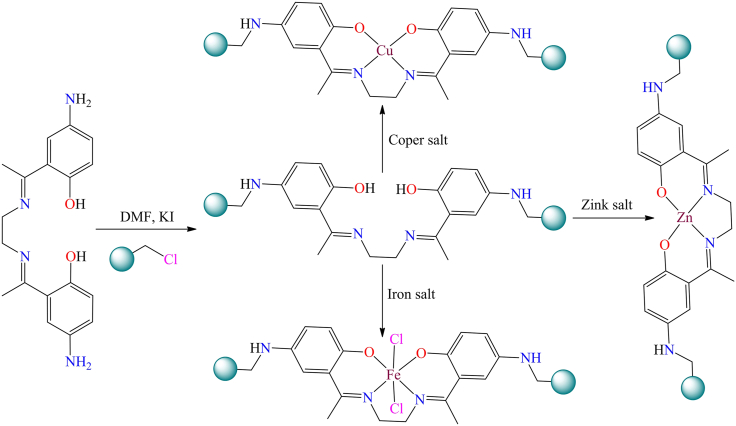 Figure 34
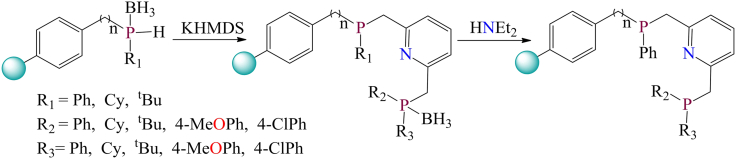 Figure 35
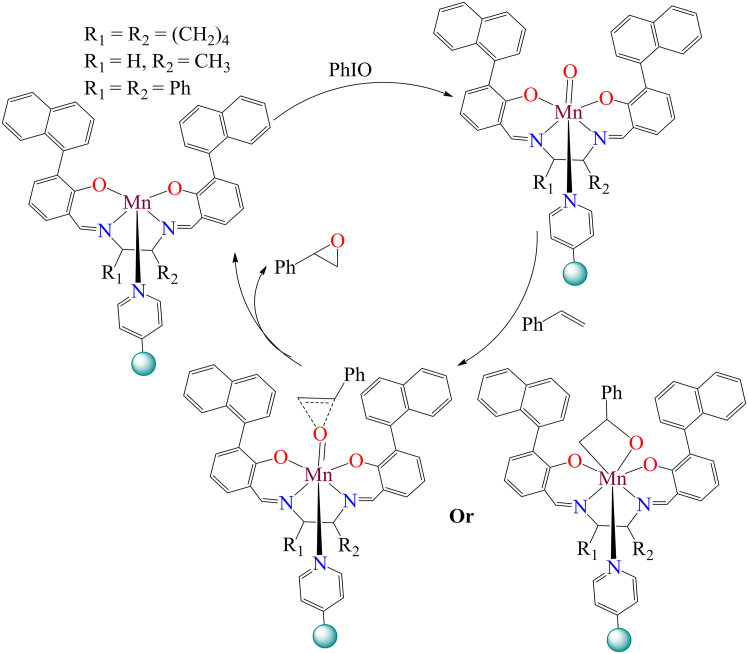 Figure 36
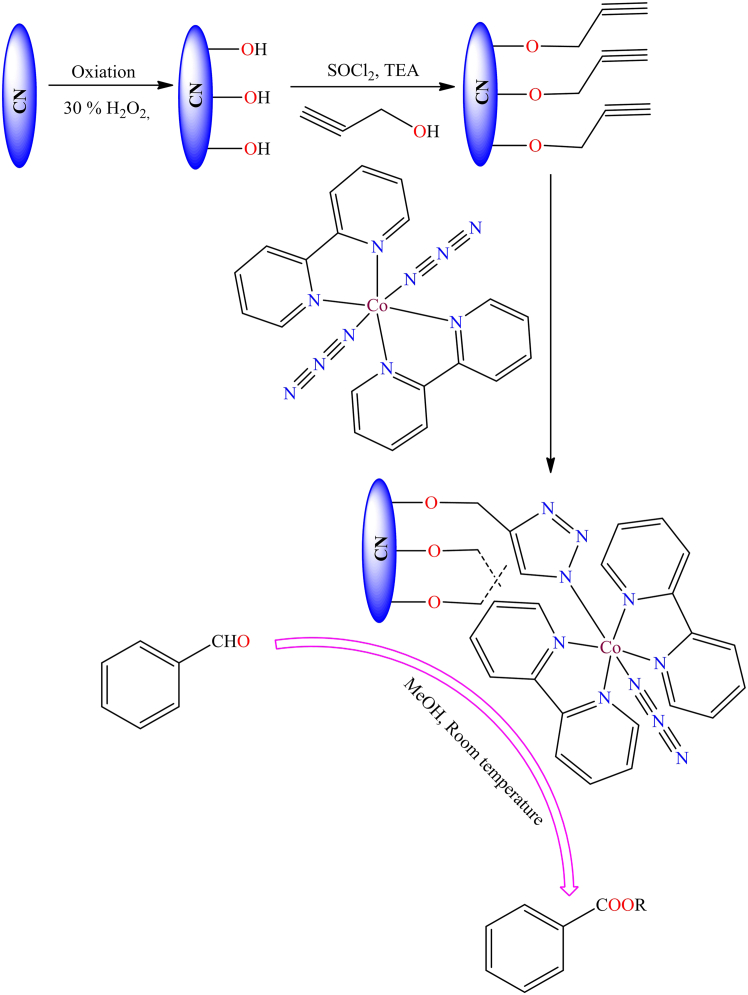 Figure 37
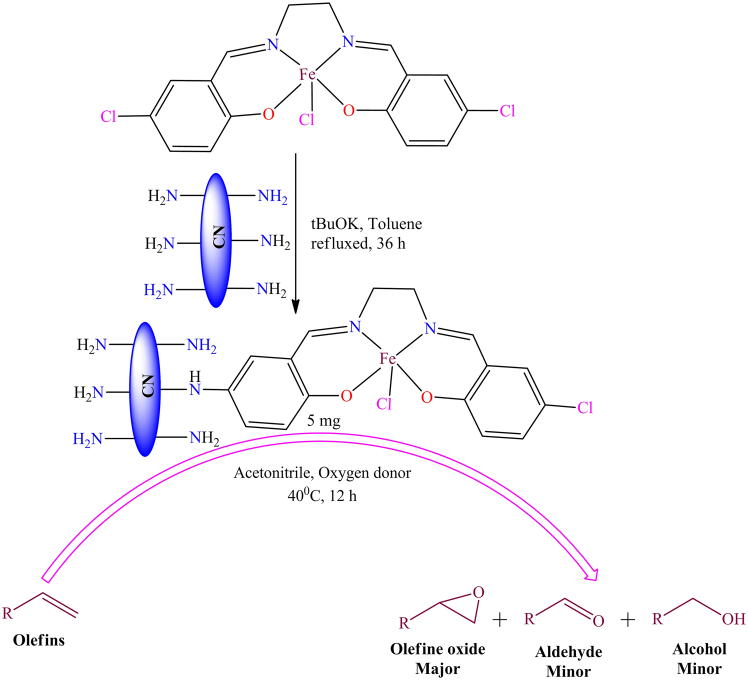 Figure 38
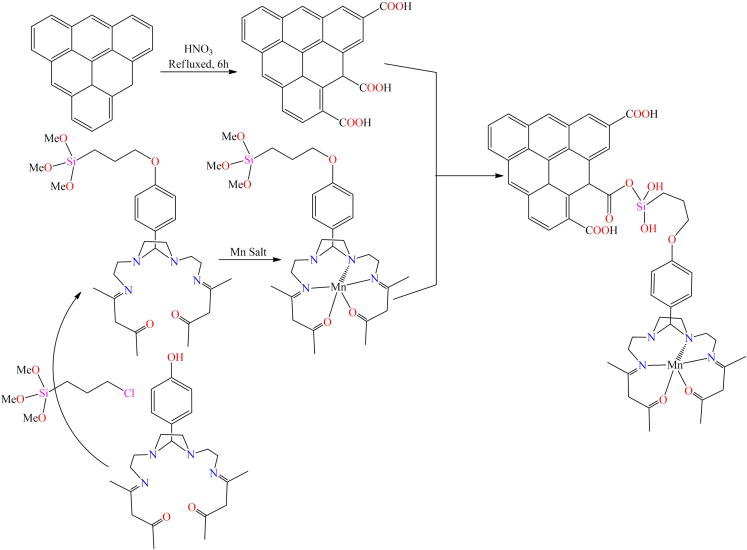 Figure 39
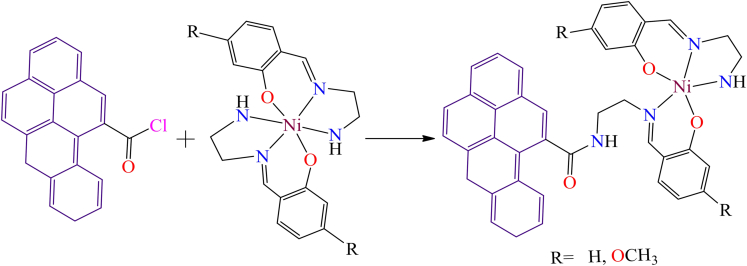 Figure 40
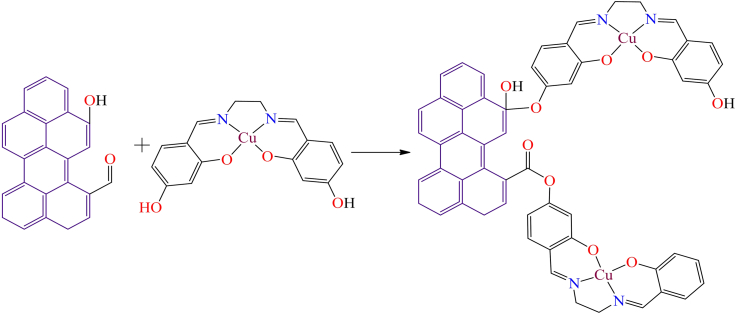 Figure 41
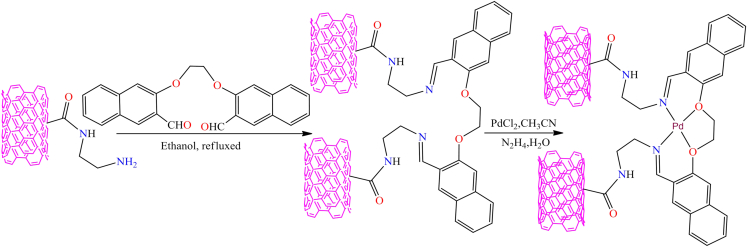 Figure 42
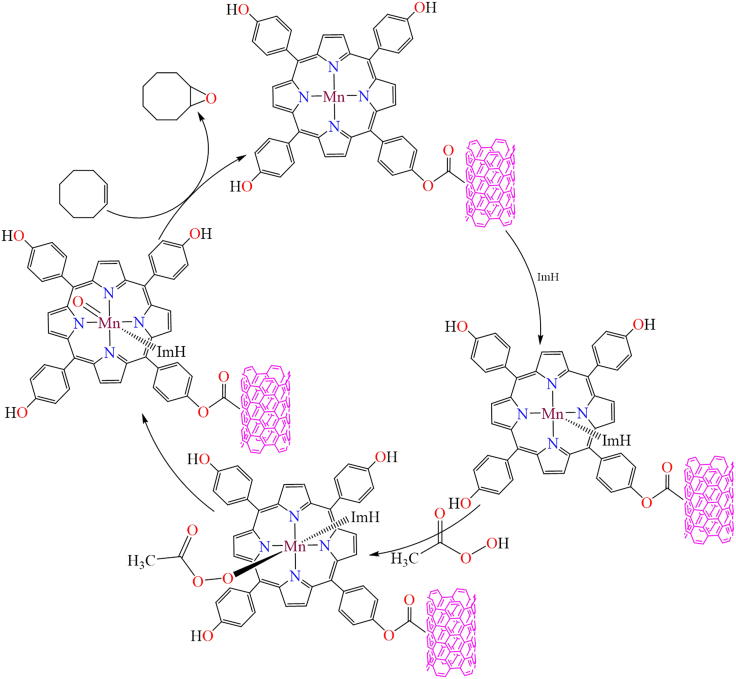 Figure 43
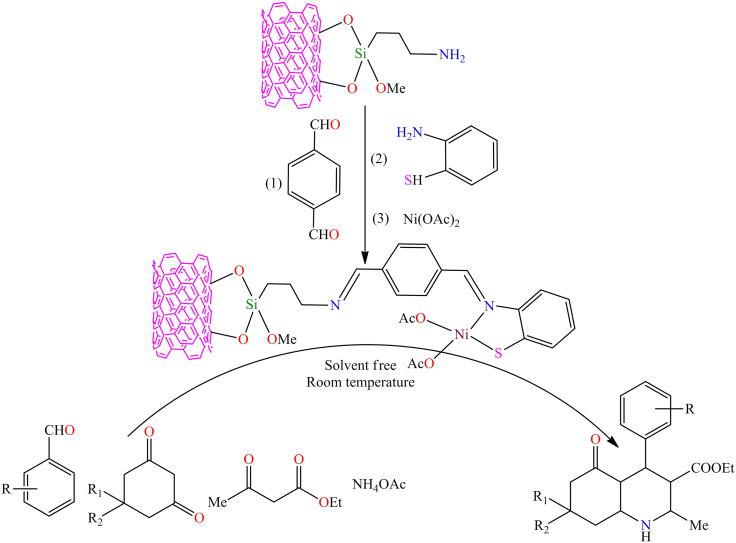 Figure 44
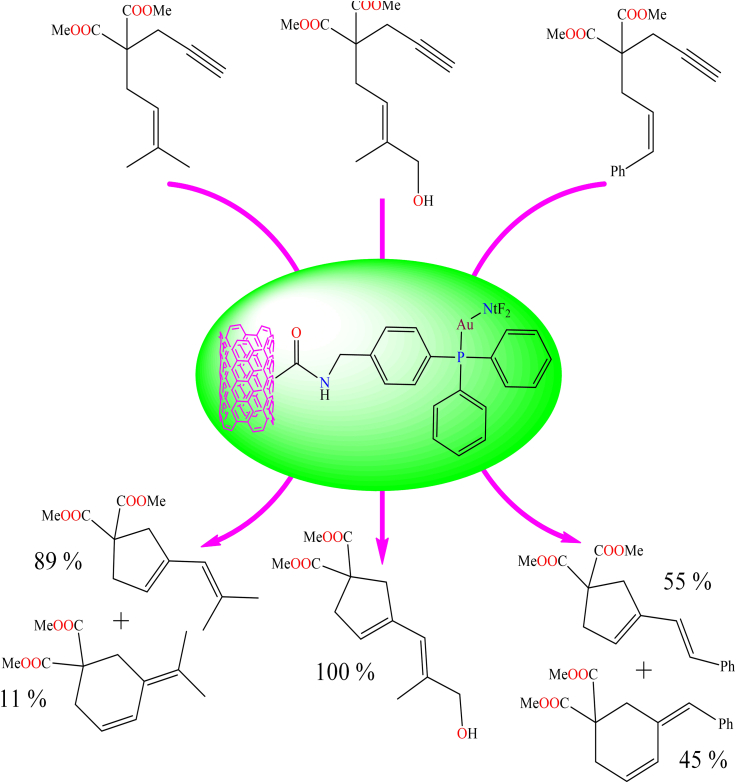 Figure 45
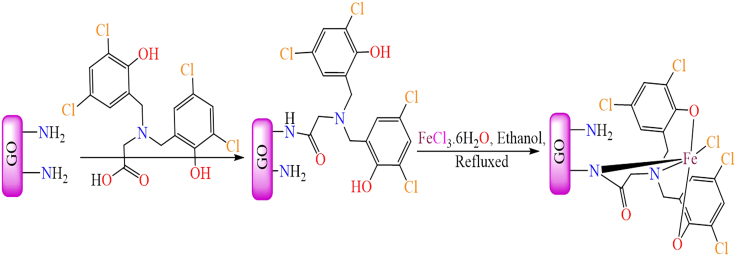 Figure 46
Peer Reviews
No public reviews on file for this paper yet. If you reviewed it on a platform where reviews are public (OpenReview, ICLR, NeurIPS, ICML), you can paste yours below so the community can read it here.
Videos
No videos yet. Explain this paper in a talk, walkthrough, or lecture? Add one.
Taxonomy
TopicsCarbon dioxide utilization in catalysis · Mesoporous Materials and Catalysis · Organometallic Complex Synthesis and Catalysis