Obesogenic behaviors during structured periods among children and adolescents with intellectual and developmental disabilities: a systematic review and meta-analysis
Keagan P. Kiely, Keith Brazendale, McKenna Hill, Sarah Burkart, Michael W. Beets, Elizabeth L. Adams, Bridget Armstrong, Christine St. Laurent, Abigail Hogan, James W. White III, Olivia Finnegan, Joshua Culverhouse, Anthony Holmes, R. Glenn Weaver

TL;DR
This study reviews how structured periods affect obesity-related behaviors in children and adolescents with intellectual and developmental disabilities, finding that more structure improves physical activity and diet.
Contribution
The study extends the Structured Days Hypothesis to children with intellectual and developmental disabilities, revealing specific impacts on physical activity and diet.
Findings
Periods of greater structure are linked to better physical activity outcomes in children with IDD.
Diet improves during structured periods, but evidence is limited.
Sleep and sedentary behaviors do not align with the Structured Days Hypothesis.
Abstract
Children and adolescents with intellectual and developmental disabilities (IDD) are at greater risk for obesity and poor obesogenic behaviors (e.g., physical activity, screen time, diet, sleep) than their typically developing counterparts. The Structured Days Hypothesis (SDH) suggests that in typically developing children and adolescents, obesogenic behaviors worsen during periods of reduced structure (e.g., weekend or summer vacation). However, children and adolescents with IDD have unique factors that may alter how structure (i.e., pre-planned, segmented, adult supervised, out-of-home programs) influences obesogenic behaviors. Therefore, the objective of this systematic review and meta-analysis is to examine obesogenic behaviors during periods of more and less structure among children and adolescents with IDD. A comprehensive search of PubMed, PsycINFO, Embase, and Web of Science was…
Genes, proteins, chemicals, diseases, species, mutations and cell lines named across the full text — each resolved to its canonical identifier and authoritative record.
Click any figure to enlarge with its caption.
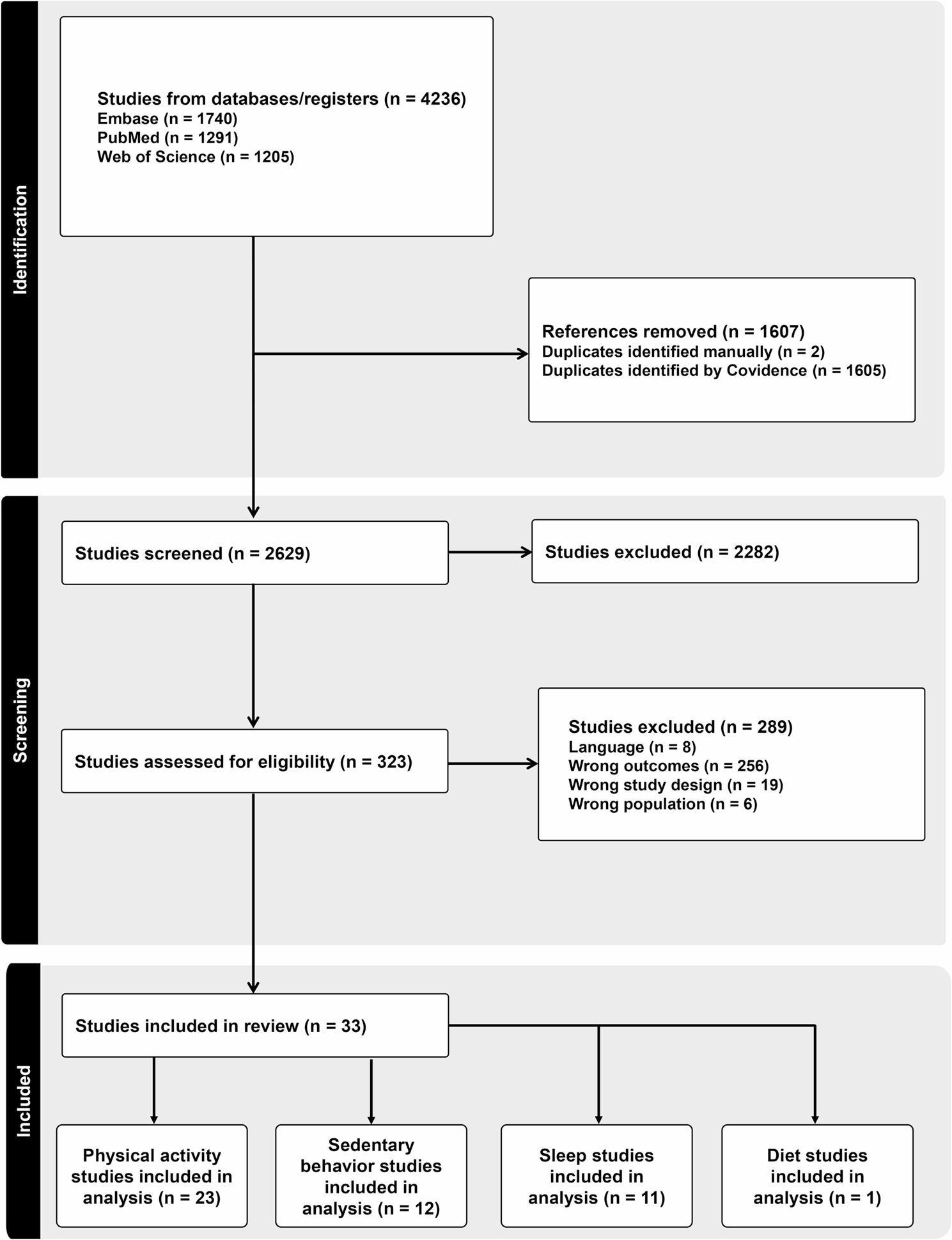 Figure 1
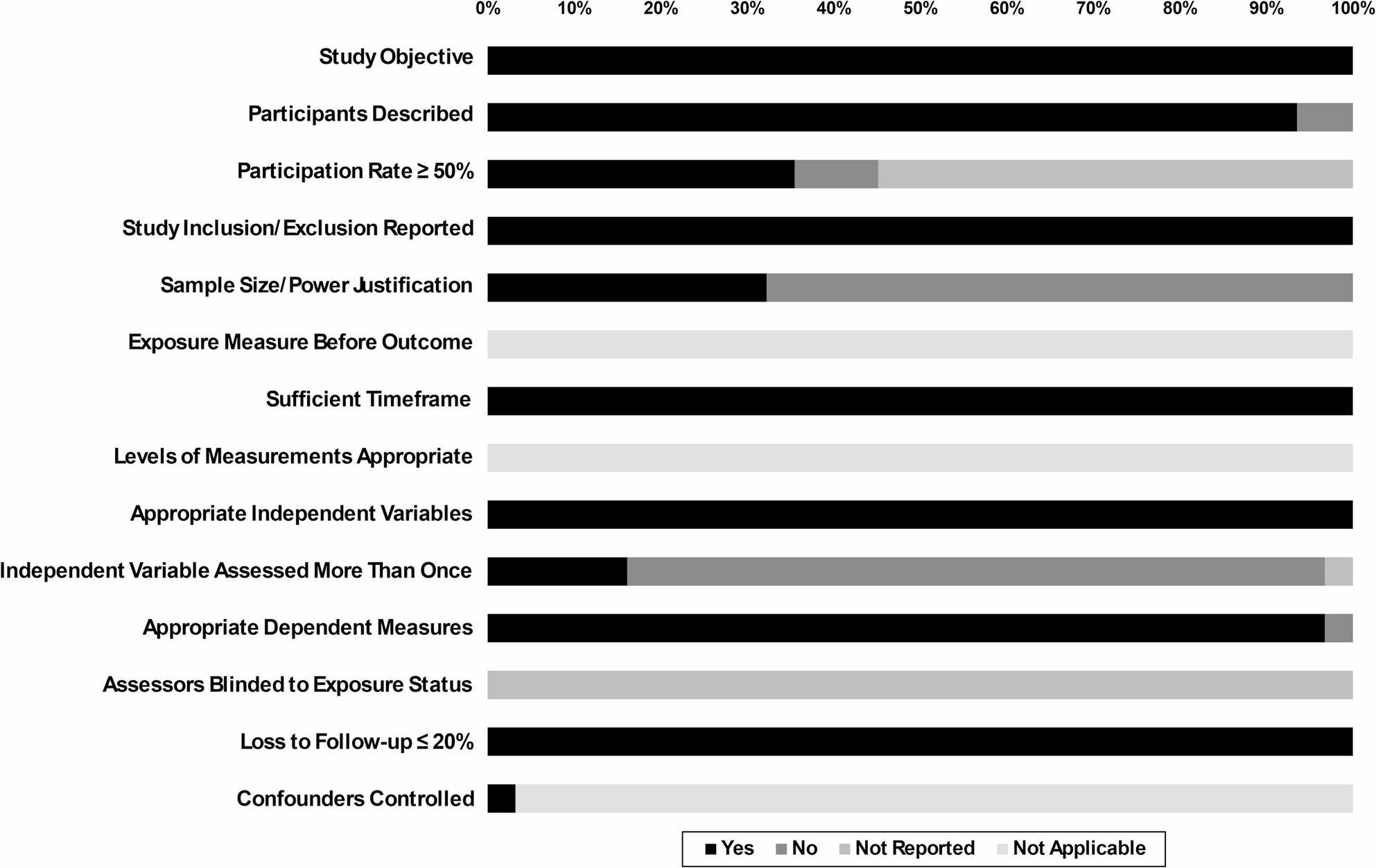 Figure 2
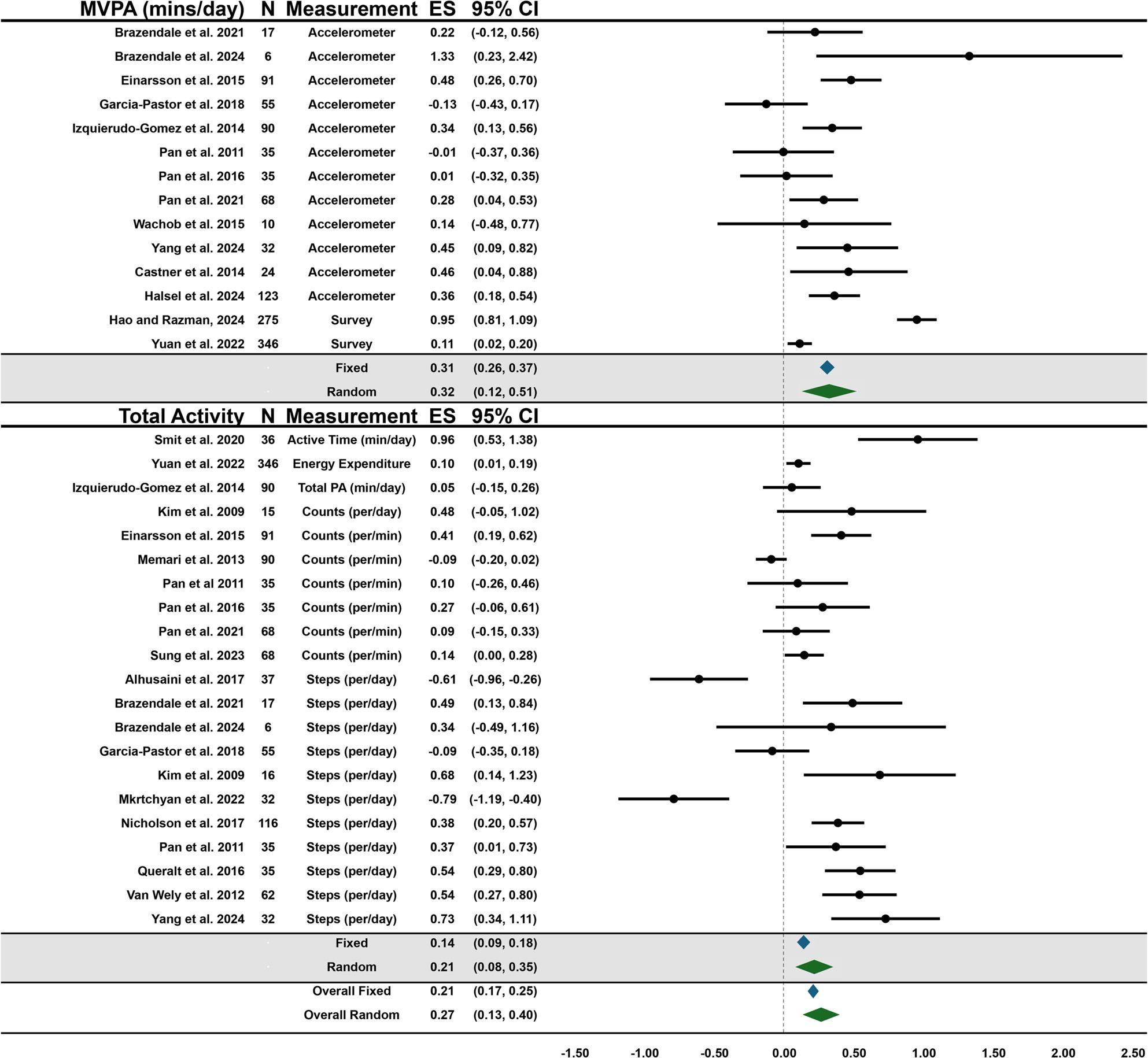 Figure 3
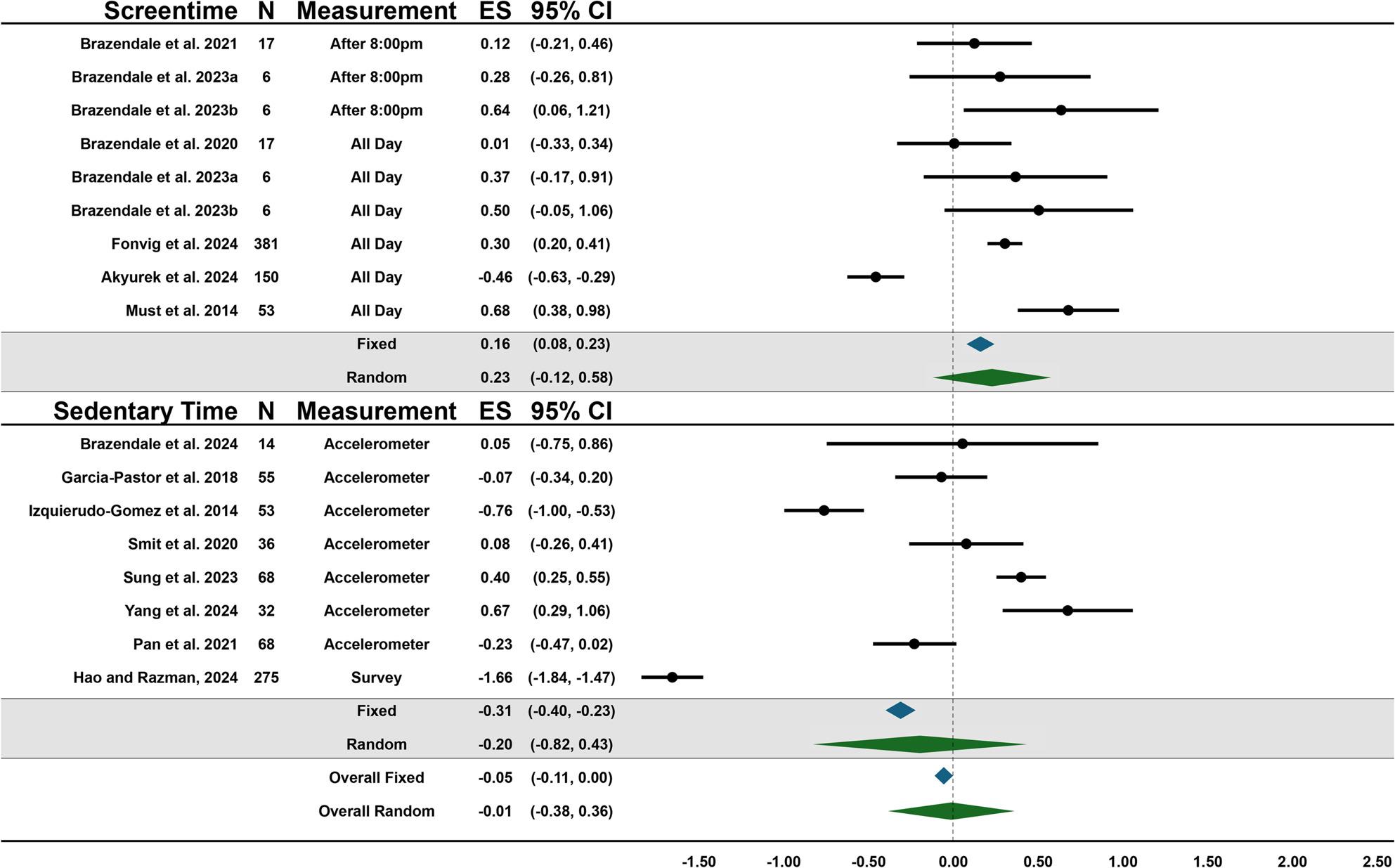 Figure 4
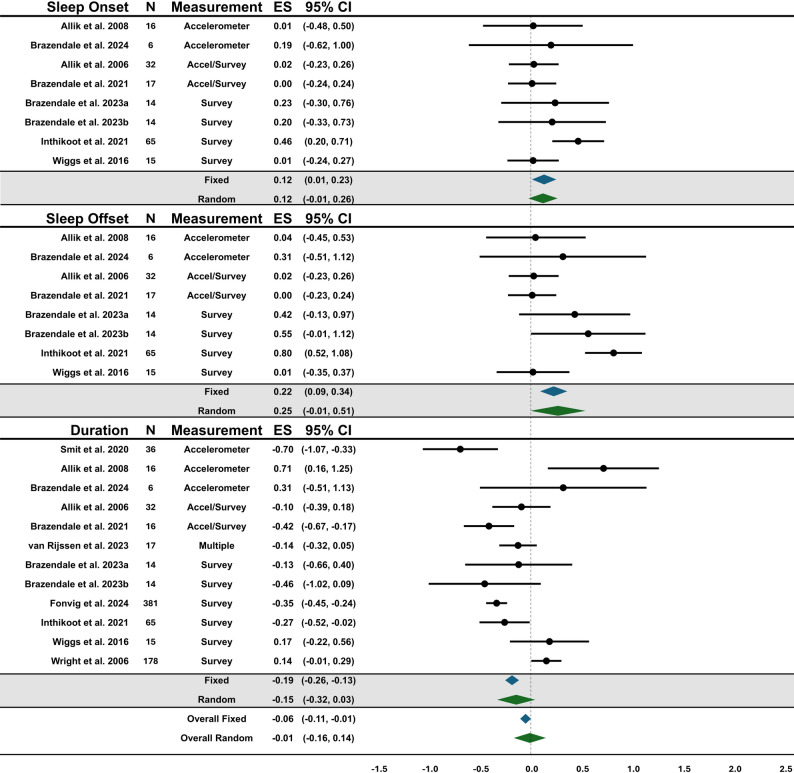 Figure 5
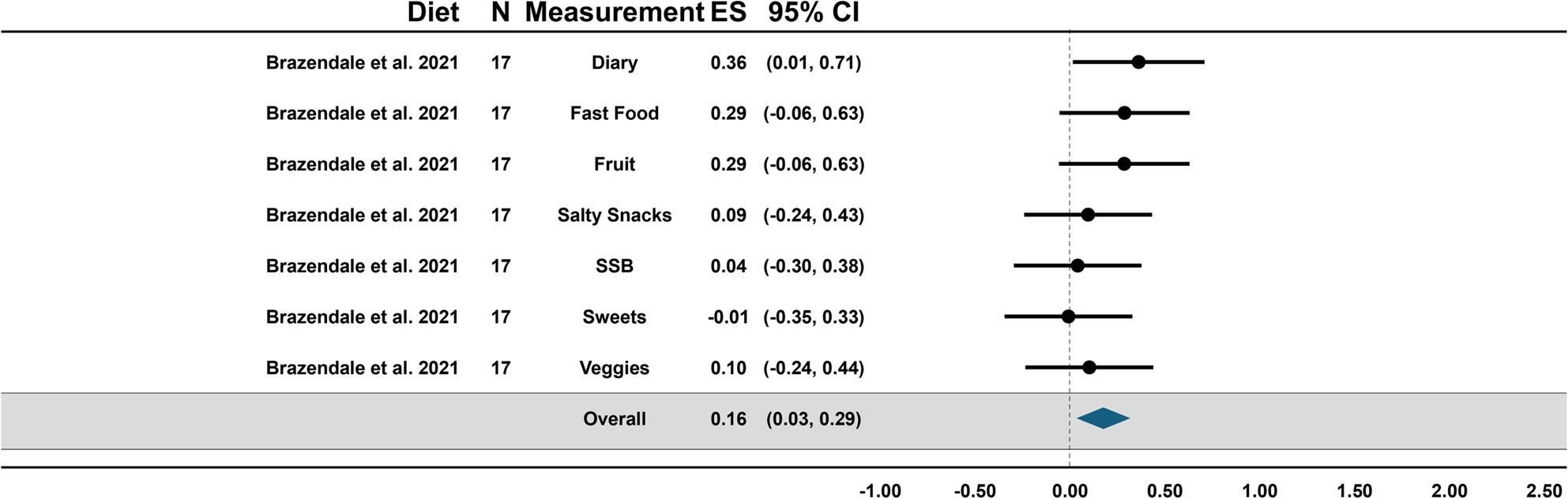 Figure 6
Peer Reviews
No public reviews on file for this paper yet. If you reviewed it on a platform where reviews are public (OpenReview, ICLR, NeurIPS, ICML), you can paste yours below so the community can read it here.
Videos
No videos yet. Explain this paper in a talk, walkthrough, or lecture? Add one.
Taxonomy
TopicsDown syndrome and intellectual disability research · Obesity, Physical Activity, Diet · Attention Deficit Hyperactivity Disorder