Non-contact detection of post-regurgitation deep inhalation in calves using infrared thermography and deep learning-based nostril segmentation
Sueun Kim, Norio Yamagishi, Shingo Ishikawa, Shinobu Tsuchiaka

TL;DR
This study introduces a non-contact method using infrared thermography and deep learning to detect deep inhalation in calves after regurgitation, which is a key part of rumination.
Contribution
The novel approach uses non-contact infrared thermography and deep learning for detecting post-regurgitation deep inhalation in calves.
Findings
PRDI events show significantly deeper inspiratory minima compared to non-rumination inhalation (p < 0.001).
A threshold was identified to distinguish PRDI from NRI with a balanced accuracy and G-mean of 0.72.
The method provides proof-of-concept for non-contact detection of post-regurgitation respiratory features.
Abstract
Continuous monitoring of rumination is highly informative for assessing cattle health and welfare. Traditional methods for rumination detection, such as pressure sensors, accelerometers, and acoustic sensors, require direct attachment to animals, which can be costly and stressful for the animals. This study proposes a non-contact approach for characterizing post-regurgitation deep inhalation (PRDI) in calves using infrared thermography and deep learning-based nostril segmentation. Synchronized RGB and temperature data were collected from 8 calves across 28 imaging sessions, during which rumination was visually confirmed. Deep learning algorithms were used to automatically segment the nostril region in each RGB frame, enabling temperature data extraction from the segmented regions to obtain breathing patterns. Visual observation of the video recordings was used to annotate the timing of…
Genes, proteins, chemicals, diseases, species, mutations and cell lines named across the full text — each resolved to its canonical identifier and authoritative record.
Click any figure to enlarge with its caption.
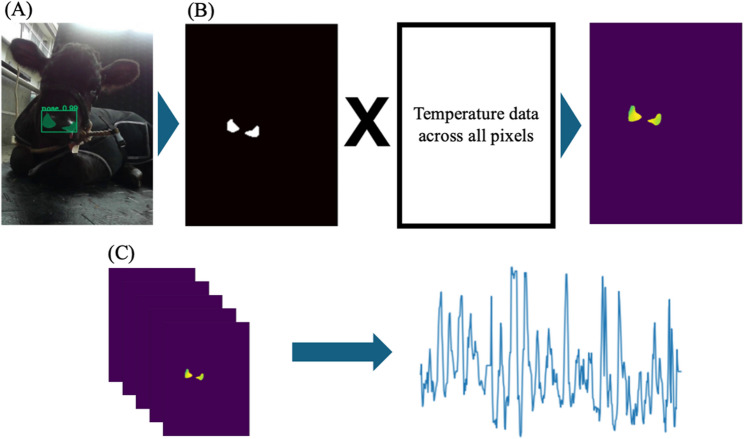 Figure 1
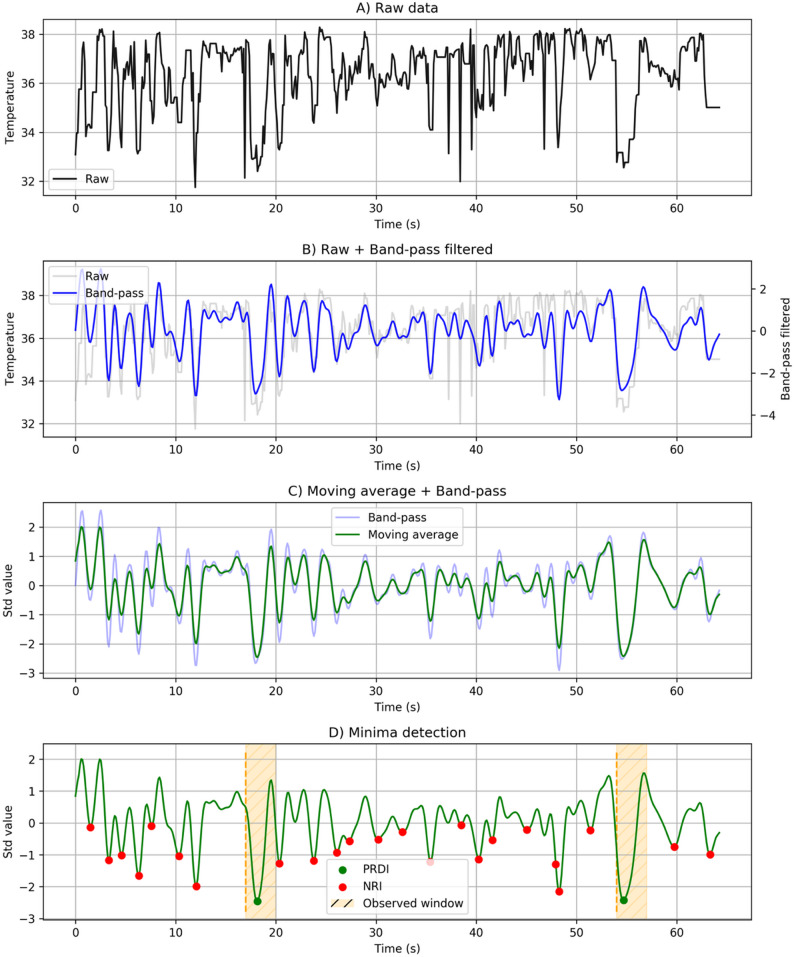 Figure 2
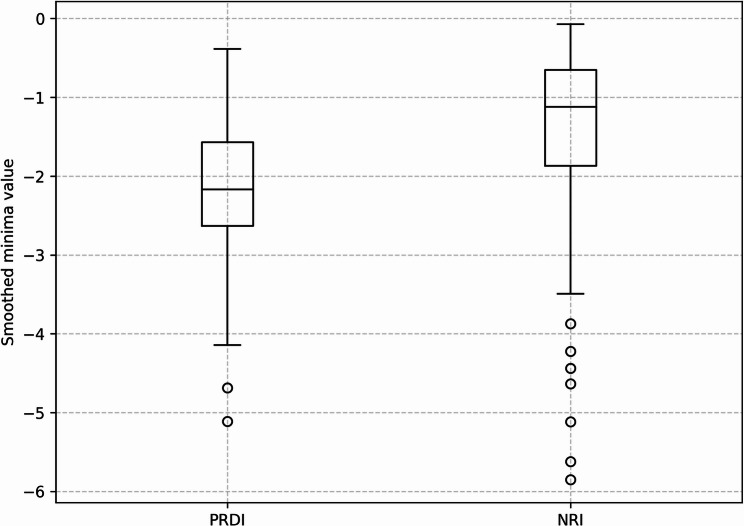 Figure 3
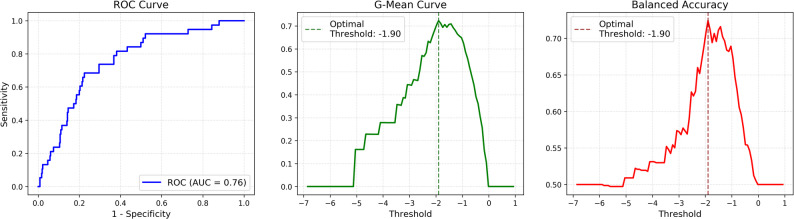 Figure 4
Peer Reviews
No public reviews on file for this paper yet. If you reviewed it on a platform where reviews are public (OpenReview, ICLR, NeurIPS, ICML), you can paste yours below so the community can read it here.
Videos
No videos yet. Explain this paper in a talk, walkthrough, or lecture? Add one.
Taxonomy
TopicsEffects of Environmental Stressors on Livestock · Animal Behavior and Welfare Studies · Food Supply Chain Traceability