Identifying vulnerable groups in academic burnout among higher education students: lifestyle and sociodemographic characteristic
Marja Eliisa Holm, Jouni Lahti, Valtteri Pohjola, Suvi Parikka

TL;DR
This study identifies vulnerable student groups in academic burnout based on lifestyle and sociodemographic factors, finding that women with disabilities and financial insecurity are most at risk.
Contribution
The study introduces a novel approach combining latent class analysis of lifestyle factors with sociodemographic data to identify vulnerable groups in academic burnout.
Findings
Four distinct lifestyle groups were identified among higher education students.
Women with disabilities and financial insecurity reported the highest levels of academic burnout across all lifestyle groups.
Promoting physical activity and reducing screen time could help prevent academic burnout.
Abstract
Academic burnout is a major concern in higher education. We aimed to identify lifestyle groups among students using latent class analyses and to examine how sociodemographic characteristics and these lifestyle groups were associated with academic burnout. A representative population-based survey of Finnish higher education students (n = 3639; aged 18–34 y) was conducted in 2024. Latent class analyses of the lifestyles (physical activity, use of nicotine products, cannabis use, risky alcohol consumption, eating vegetables and fruits/berries, insufficient sleep, problematic Internet use) were used to group students. Differences in academic burnout by lifestyle groups and sociodemographic characteristics were examined using a regression analysis. Academic burnout was assessed using the School Burnout Inventory (SBI-9). Female sex, disability, and financial insecurity were associated with…
Genes, proteins, chemicals, diseases, species, mutations and cell lines named across the full text — each resolved to its canonical identifier and authoritative record.
Click any figure to enlarge with its caption.
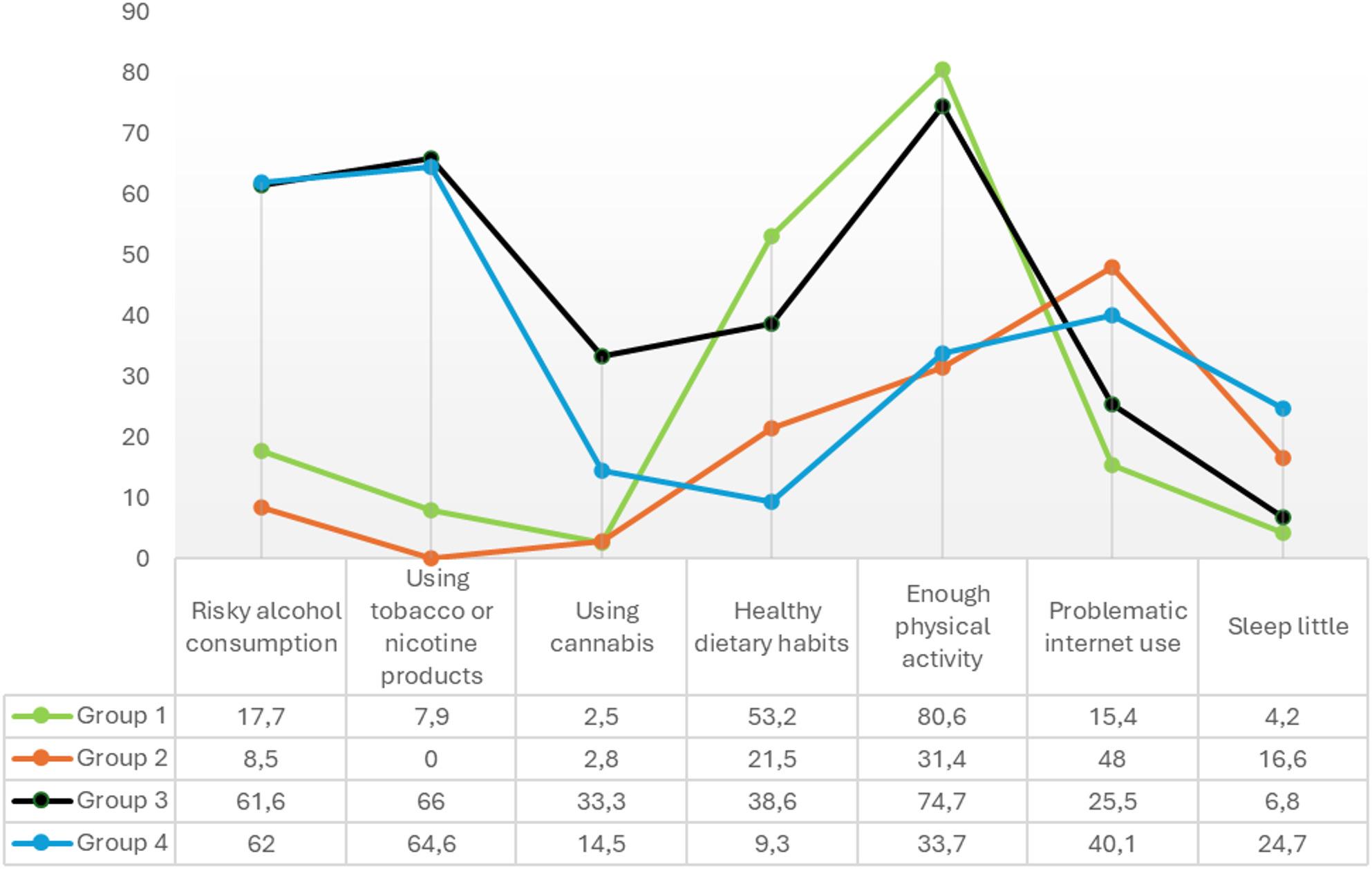 Figure 1
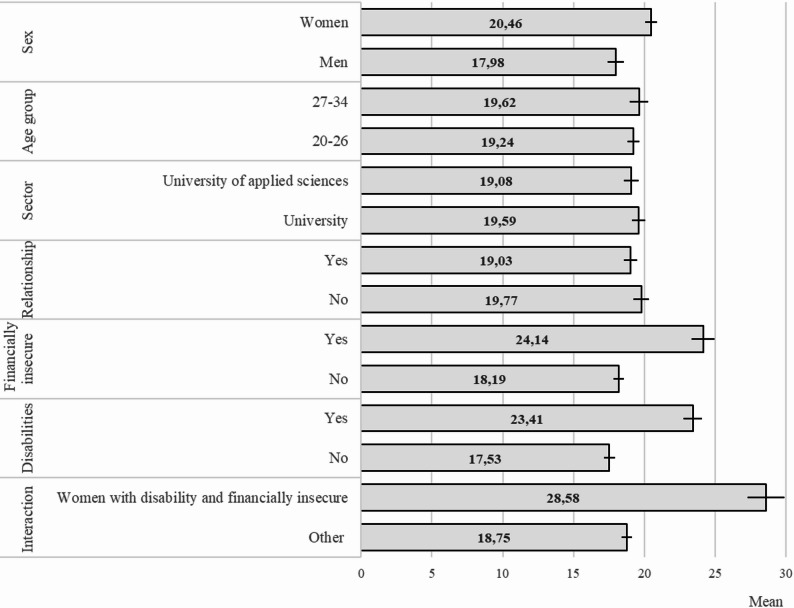 Figure 2
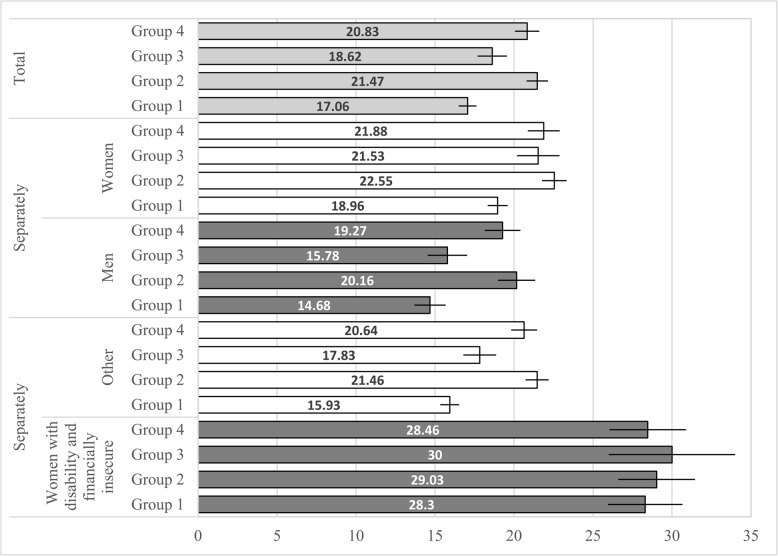 Figure 3
Peer Reviews
No public reviews on file for this paper yet. If you reviewed it on a platform where reviews are public (OpenReview, ICLR, NeurIPS, ICML), you can paste yours below so the community can read it here.
Videos
No videos yet. Explain this paper in a talk, walkthrough, or lecture? Add one.
Taxonomy
TopicsHealthcare professionals’ stress and burnout · Perfectionism, Procrastination, Anxiety Studies · Stress and Burnout Research