The patient experience of hereditary angioedema: findings from a racially diverse sample of adult patients
Lynne Broderick, April M. Foster, Laura Tesler Waldman, Laura Bordone, Jordan Valentine, Aaron Yarlas

TL;DR
This study explores the patient experience of hereditary angioedema among a racially diverse group of adults, finding similar symptoms and quality of life impacts as previously reported in predominantly White samples.
Contribution
The study provides insights into HAE patient experiences from a racially diverse sample, addressing a gap in prior predominantly White research.
Findings
Participants reported common symptoms like swelling, nausea, and fatigue during HAE attacks.
HAE impacts were observed across seven domains of health-related quality of life, including emotional, physical, and social functioning.
Findings from the diverse sample were similar to those from predominantly White patient studies.
Abstract
Hereditary angioedema (HAE) is a rare, autosomal dominant disorder causing swelling attacks in various parts of the body, resulting in symptoms and impacts on health-related quality of life (HRQoL). The symptoms and impacts on HRQoL have been well-documented; however, they are based on samples of participants who are primarily White. The objective of this qualitative interview study was to explore the patient experience of HAE among a racially diverse sample of adults. This was a non-interventional, qualitative study that involved adults with HAE. A purposive sampling strategy was used to recruit 16 adults with HAE, with a target of at least 8 who were non-White. All participants completed a one-time, one-on-one, 60-minute, remote interview. Interview data were coded and analyzed using qualitative data analysis software. Sixteen adults took part in the study, with three-quarters of…
Genes, proteins, chemicals, diseases, species, mutations and cell lines named across the full text — each resolved to its canonical identifier and authoritative record.
Click any figure to enlarge with its caption.
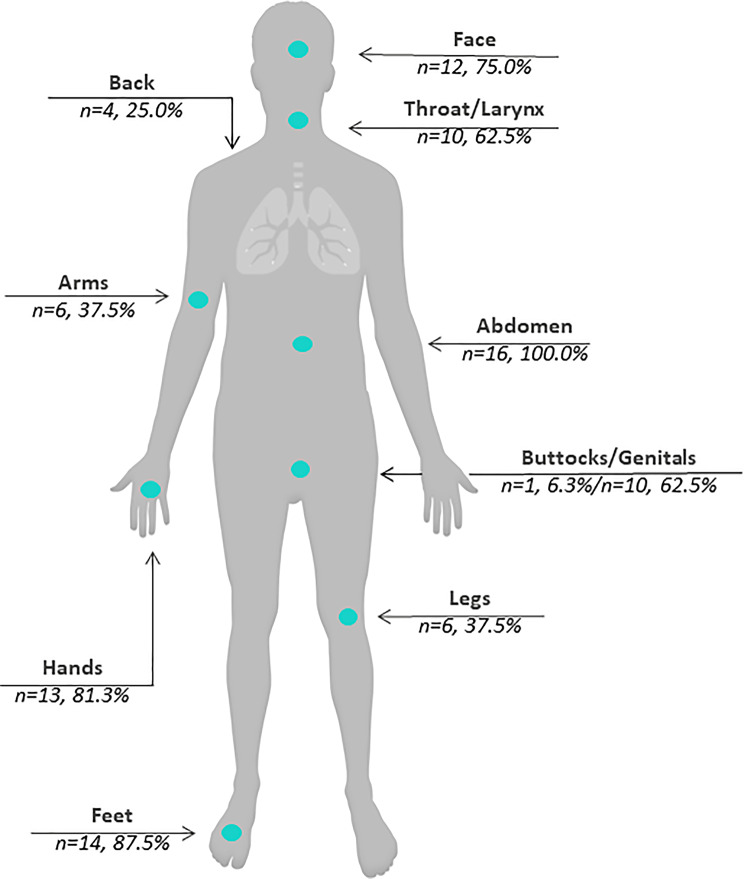 Figure 1
 Figure 2
 Figure 3
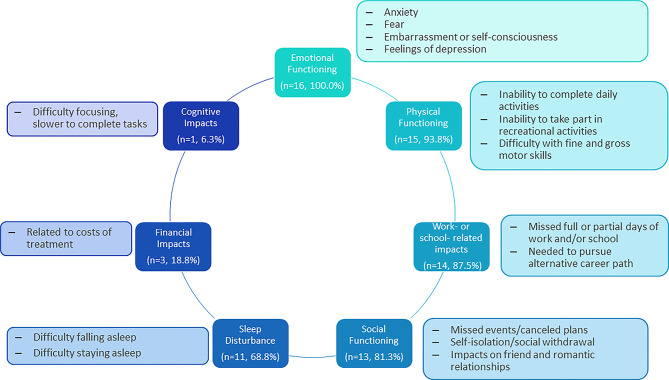 Figure 4
Peer Reviews
No public reviews on file for this paper yet. If you reviewed it on a platform where reviews are public (OpenReview, ICLR, NeurIPS, ICML), you can paste yours below so the community can read it here.
Videos
No videos yet. Explain this paper in a talk, walkthrough, or lecture? Add one.
Taxonomy
TopicsCoagulation, Bradykinin, Polyphosphates, and Angioedema · Hemophilia Treatment and Research · Complement system in diseases