Gut-initiated alpha synuclein fibrils drive parkinsonism phenotypes: temporal mapping of REM sleep behavior disorder-like and other non-motor symptoms
Daniel Dautan, Wojciech Paslawski, Sergio G. Montejo, Daniel C. Doyon, Valentina I. Brioschi, Roberta Marongiu, Michael G. Kaplitt, Rong Chen, Valina L. Dawson, Xiaoqun Zhang, Ted M. Dawson, Per Svenningsson

TL;DR
Injecting alpha-synuclein fibrils into the gut of mice caused Parkinson's-like symptoms, including sleep issues, showing how gut-brain connections may drive the disease.
Contribution
Demonstrates the gut-brain axis model's role in non-motor symptom progression, particularly REM sleep behavior disorder-like features in experimental parkinsonism.
Findings
Gut-injected alpha-synuclein fibrils spread to the brain and cause progressive motor and non-motor symptoms in mice.
Dopamine dysfunction in the striatum is linked to REM sleep behavior disorder-like sleep disturbances in the model.
The model mirrors clinical PD progression, emphasizing the role of gut-brain signaling in non-motor symptom onset.
Abstract
Parkinson’s disease (PD) is a progressive neurodegenerative disorder marked by both motor and non-motor symptoms. Although non-motor features such as gastrointestinal and sleep disturbances often precede motor impairments and are critical to PD pathogenesis, the mechanisms underlying their onset and progression remain insufficiently characterized. To investigate the sequential development of motor and non-motor symptoms in a model of experimental parkinsonism, we injected alpha-synuclein (αSyn) preformed fibrils (PFFs) into the duodenum and antrum of wild-type mice, establishing a gut-brain axis model of PD. We performed whole-brain anatomical mapping of αSyn-PFF propagation and assessed behavioral alterations at multiple time points post-injection. Correlations between anatomical spread and behavioral changes, particularly sleep, were further validated through SNCA overexpression or…
Genes, proteins, chemicals, diseases, species, mutations and cell lines named across the full text — each resolved to its canonical identifier and authoritative record.
Click any figure to enlarge with its caption.
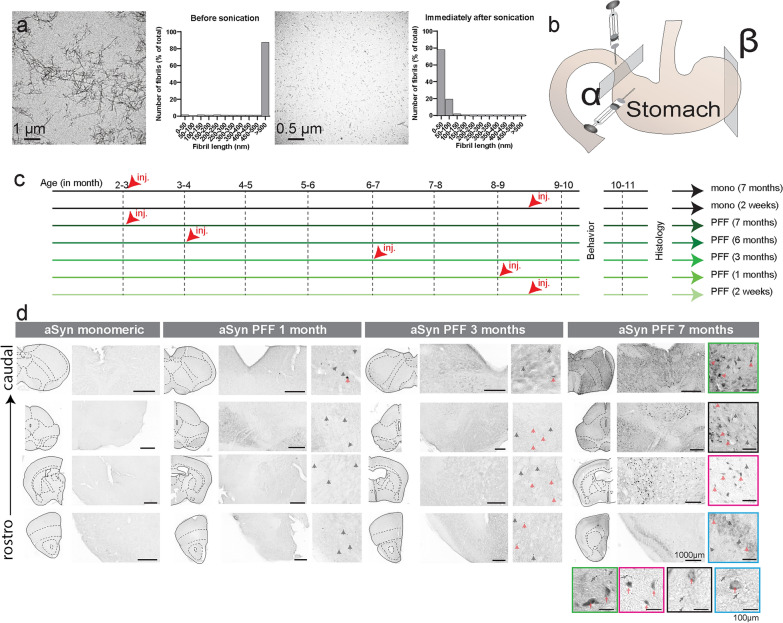 Figure 1
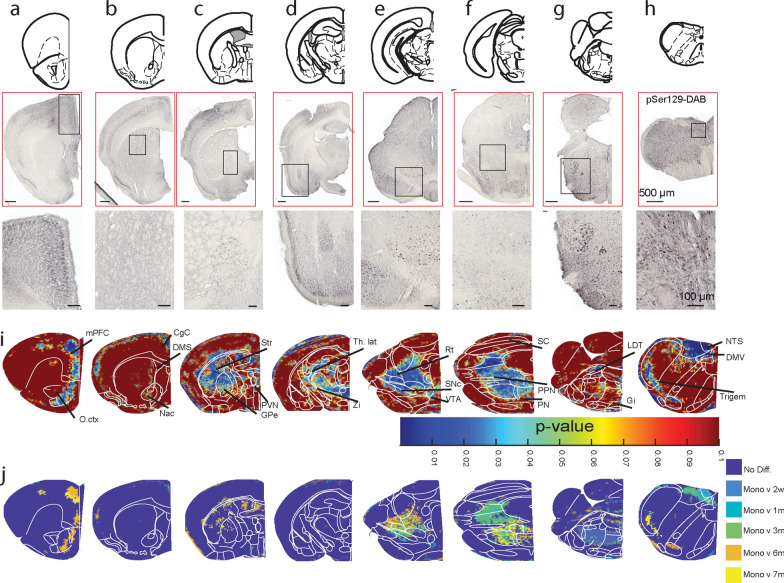 Figure 2
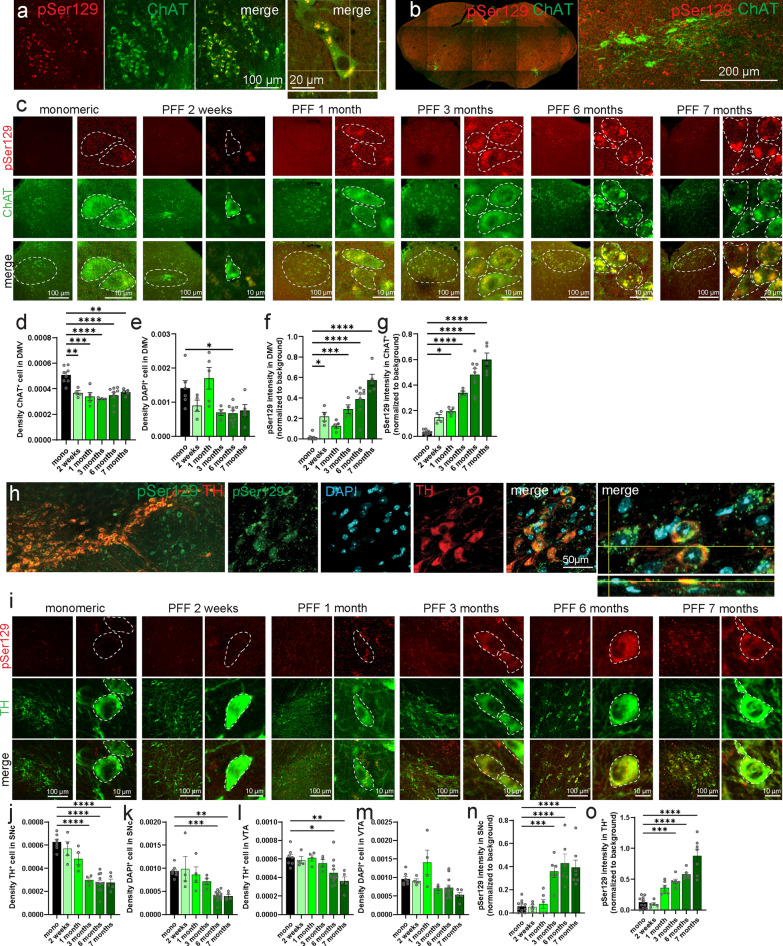 Figure 3
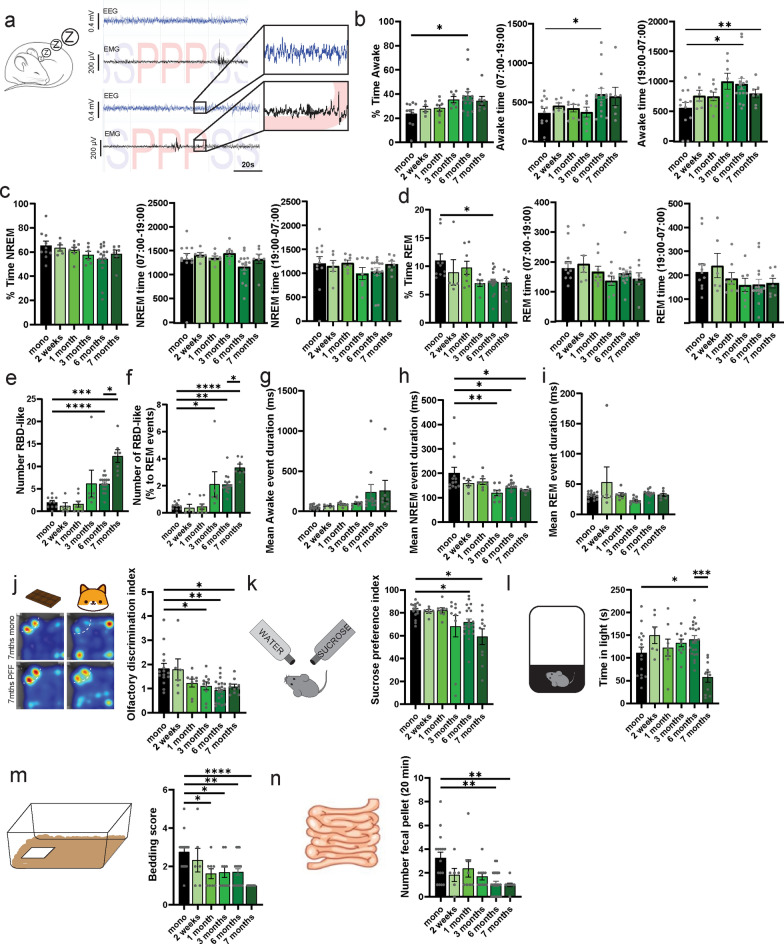 Figure 4
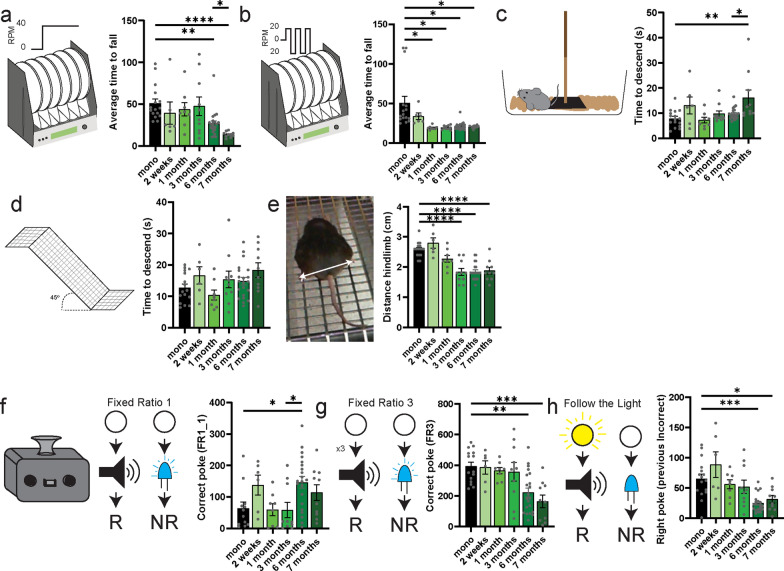 Figure 5
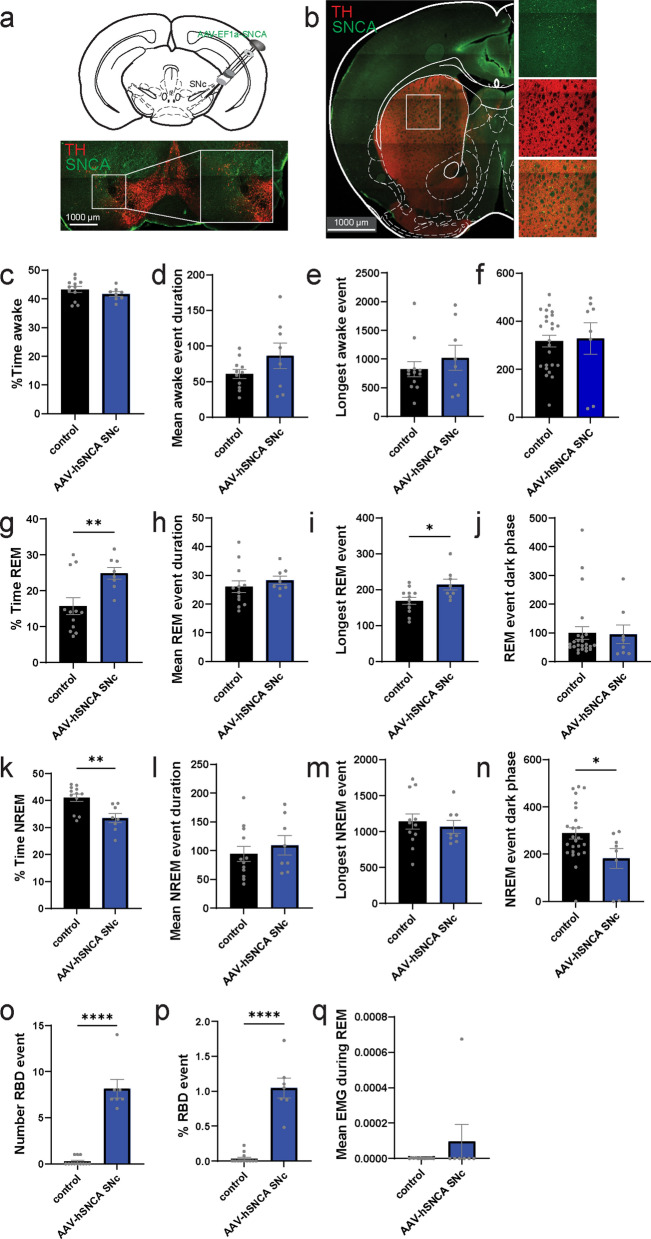 Figure 6
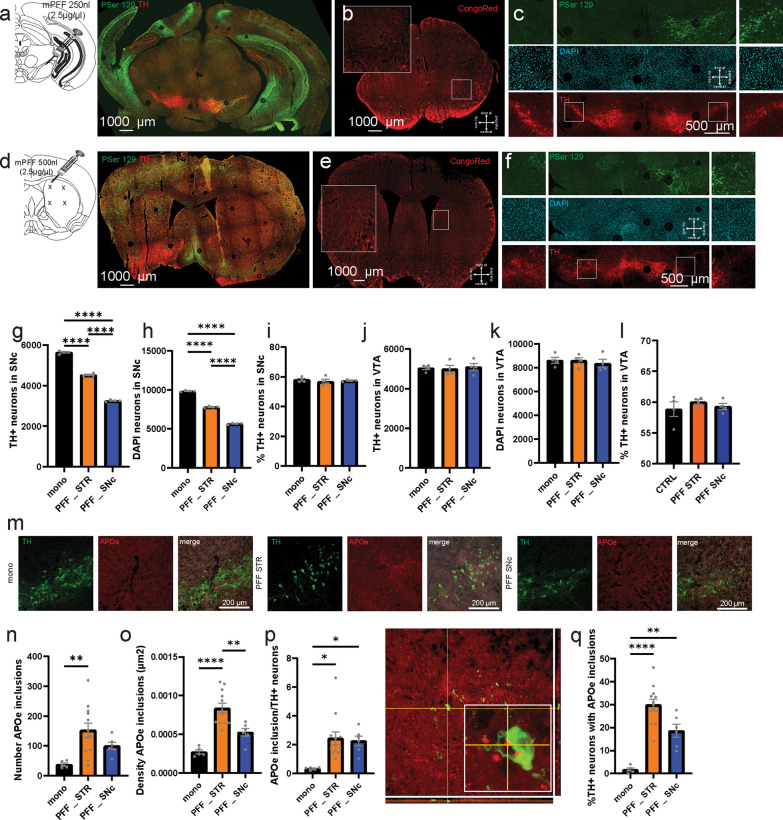 Figure 7
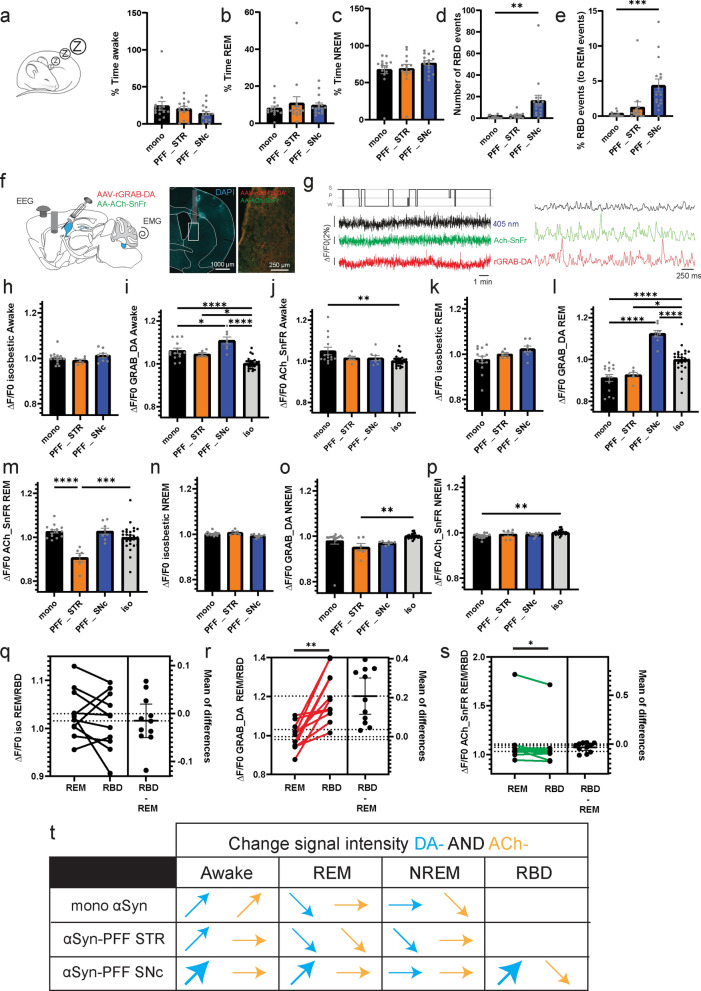 Figure 8
Peer Reviews
No public reviews on file for this paper yet. If you reviewed it on a platform where reviews are public (OpenReview, ICLR, NeurIPS, ICML), you can paste yours below so the community can read it here.
Videos
No videos yet. Explain this paper in a talk, walkthrough, or lecture? Add one.
Taxonomy
TopicsParkinson's Disease Mechanisms and Treatments · Neurological disorders and treatments · Sleep and Wakefulness Research