Albendazole–doxycycline combination therapy alleviates MRI- and pathology-evident neuroinflammation and restores IL-33/GFAP balance in mouse neuroangiostrongyliasis
Kai-Yuan Jhan, Eny Sofiyatun, Shao-Chieh Chiu, Chih-Jen Chou, Yi-An Day, Pei-Jui Chiang, Shih-Ming Jung, Wei-June Chen, Po-Ching Cheng, Lian-Chen Wang

TL;DR
Combining albendazole and doxycycline reduces brain inflammation and parasite load in mice infected with rat lungworm, showing promise for treating this parasitic disease.
Contribution
Demonstrates that ABZ–DOX co-therapy improves neuroinflammation and restores IL-33/GFAP balance in a mouse model of neuroangiostrongyliasis.
Findings
ABZ–DOX co-therapy reduced parasite recovery to near-zero levels in infected mice.
Co-therapy improved MRI and histopathological outcomes compared to untreated infected controls.
Co-therapy normalized IL-33 and GFAP levels in a region- and strain-specific manner.
Abstract
Angiostrongylus cantonensis (rat lungworm) infection causes neuroangiostrongyliasis, a parasitic disease characterized by eosinophilic meningitis and meningoencephalitis. Within the central nervous system (CNS), larval migration and degeneration provoke neuroinflammation involving microglia and astrocytes. Albendazole (ABZ) is the mainstay treatment but may exacerbate inflammation through antigen release from dying worms. Doxycycline (DOX), a tetracycline antibiotic with anti-inflammatory and neuroprotective properties, can attenuate glial activation and matrix metalloproteinase activity. As a follow-up to our previous work on ABZ–DOX treatment outcomes, this study evaluated whether ABZ–DOX co-therapy (co) provides antiparasitic and neuroprotective benefits associated with interleukin (IL)-33/glial fibrillary acidic protein (GFAP) regulation in A. cantonensis-infected mice. A…
Genes, proteins, chemicals, diseases, species, mutations and cell lines named across the full text — each resolved to its canonical identifier and authoritative record.
Click any figure to enlarge with its caption.
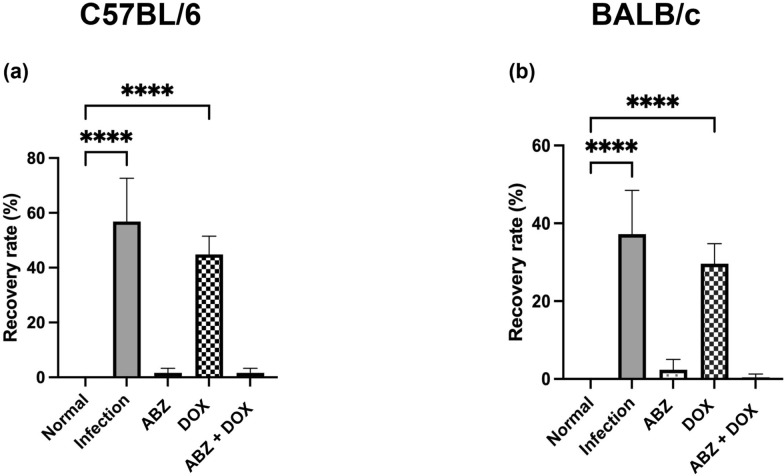 Figure 1
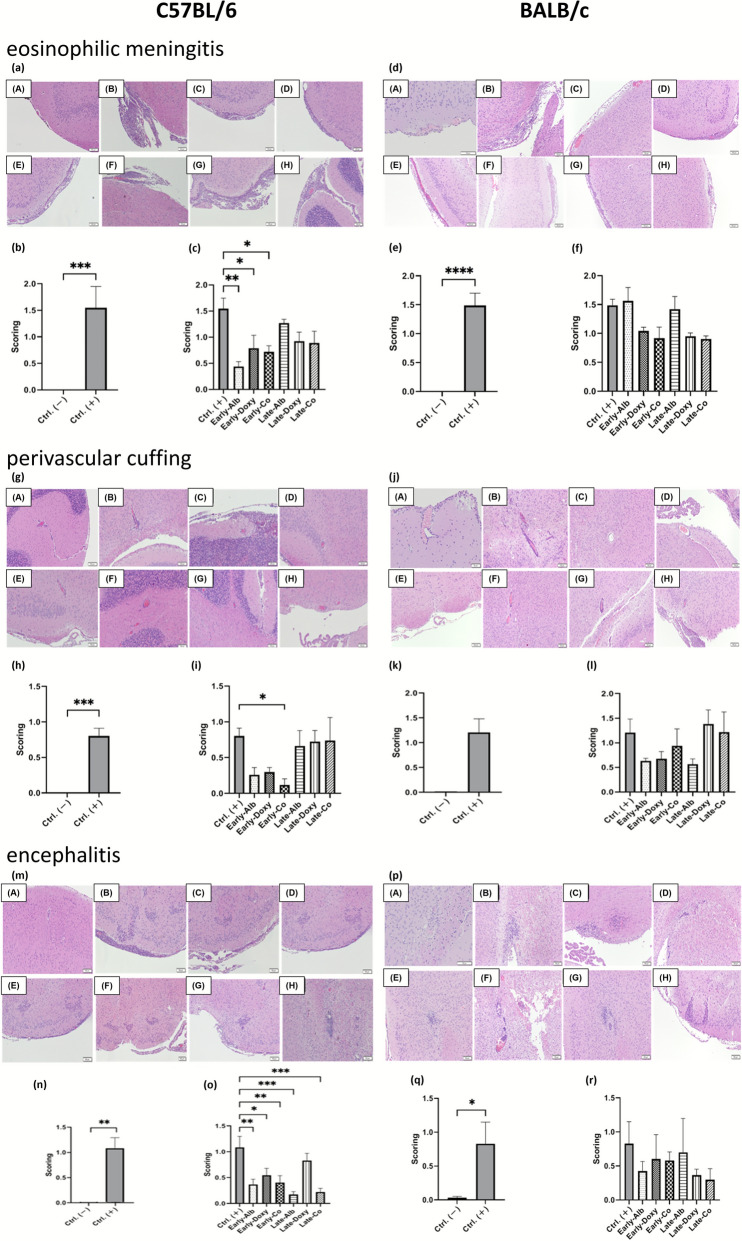 Figure 2
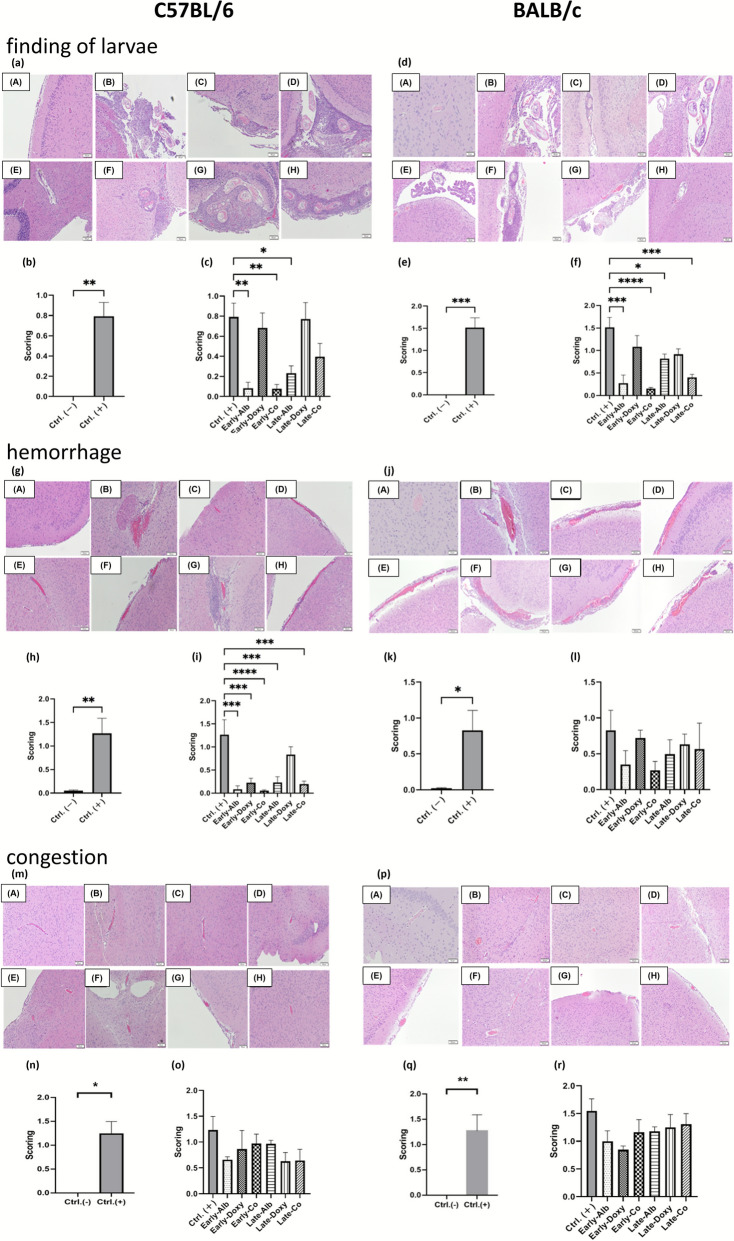 Figure 3
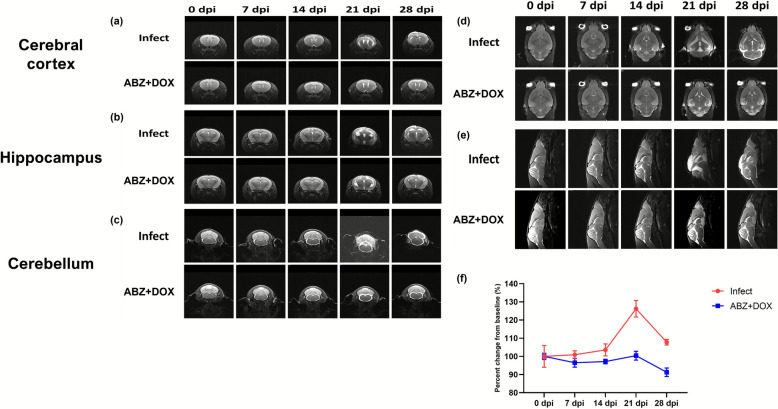 Figure 4
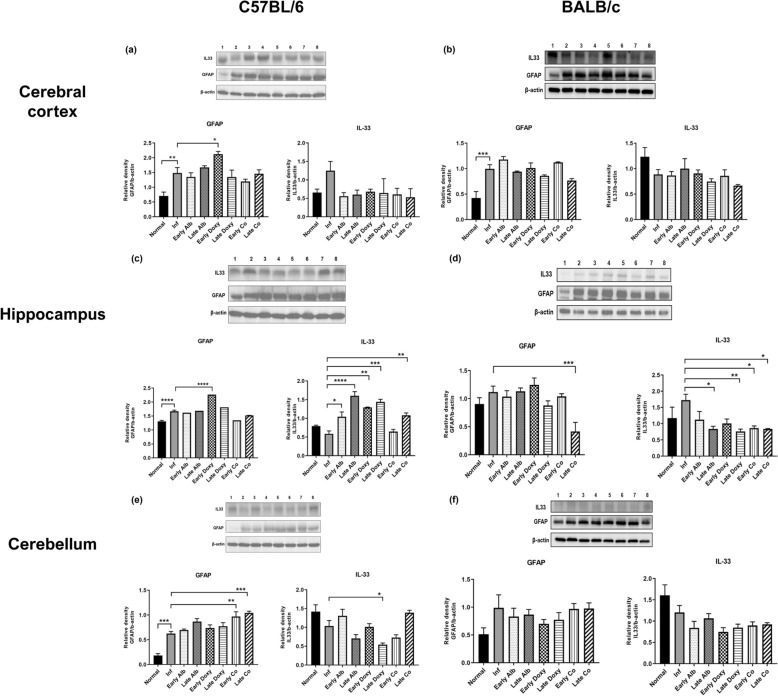 Figure 5
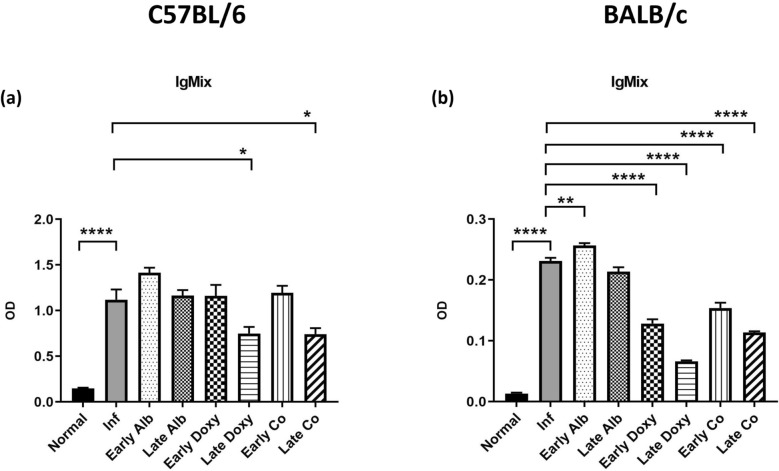 Figure 6
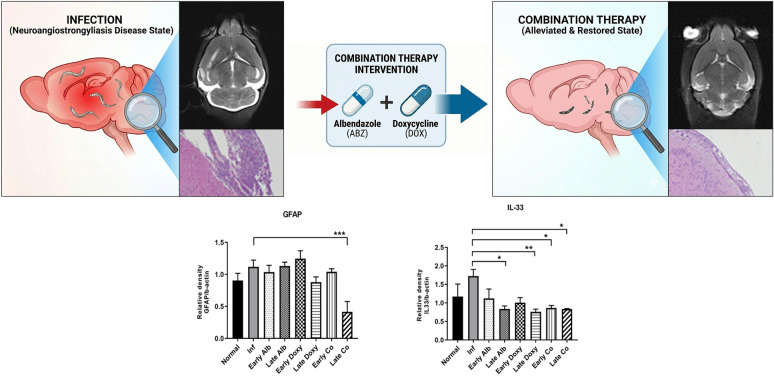 Figure 7
Peer Reviews
No public reviews on file for this paper yet. If you reviewed it on a platform where reviews are public (OpenReview, ICLR, NeurIPS, ICML), you can paste yours below so the community can read it here.
Videos
No videos yet. Explain this paper in a talk, walkthrough, or lecture? Add one.
Taxonomy
TopicsIL-33, ST2, and ILC Pathways · Parasitic infections in humans and animals · Studies on Chitinases and Chitosanases