Progesterone receptor membrane component 1 (PGRMC1) regulates Heme trafficking through mitochondria-ER junctions
Robert B. Piel, Chibuike D. Obi, Martonio Ponte Viana, Mathilda M. Willoughby, Osiris Martinez-Guzman, Aaliyah Wadley, Yasaman Jami-Alahmadi, James A. Wohlschlegel, Kevin G. Hicks, Jared Rutter, J. Alan Maschek, J. Leon Catrow, James Cox, Amit R. Reddi, Oleh Khalimonchuk

TL;DR
This study shows that PGRMC1 helps move heme within cells, particularly through connections between mitochondria and the endoplasmic reticulum.
Contribution
The novel finding is that PGRMC1 regulates heme trafficking via mitochondria-ER junctions, supported by yeast model and metabolomics data.
Findings
PGRMC1 knockout cells show altered heme trafficking and metabolite changes.
PGRMC1 co-localizes with mitochondrial-associated membrane proteins.
Complementation with PGRMC1 or DAP1 restores normal heme trafficking.
Abstract
Heme is a cofactor essential for a multitude of biological reactions. The terminal step of heme synthesis occurs in the mitochondrial matrix which means that heme must be trafficked from there to other locales in the cell. Thus, identifying intracellular heme chaperones is crucial to understanding regulation of global cellular metabolism. The heme-binding protein progesterone receptor membrane component 1 (PGRMC1) has been proposed to function as a chaperone for several biologically active molecules including heme, but its cellular role is not fully understood. Here, we investigate the function of PGRMC1 in heme metabolism. By monitoring intracellular heme location and concentrations in Saccharomyces cerevisiae, we show that mutants lacking damage associated protein 1 (Dap1), the yeast ortholog of PGRMC1, have altered nuclear heme trafficking which can be corrected by complementation…
Genes, proteins, chemicals, diseases, species, mutations and cell lines named across the full text — each resolved to its canonical identifier and authoritative record.
Click any figure to enlarge with its caption.
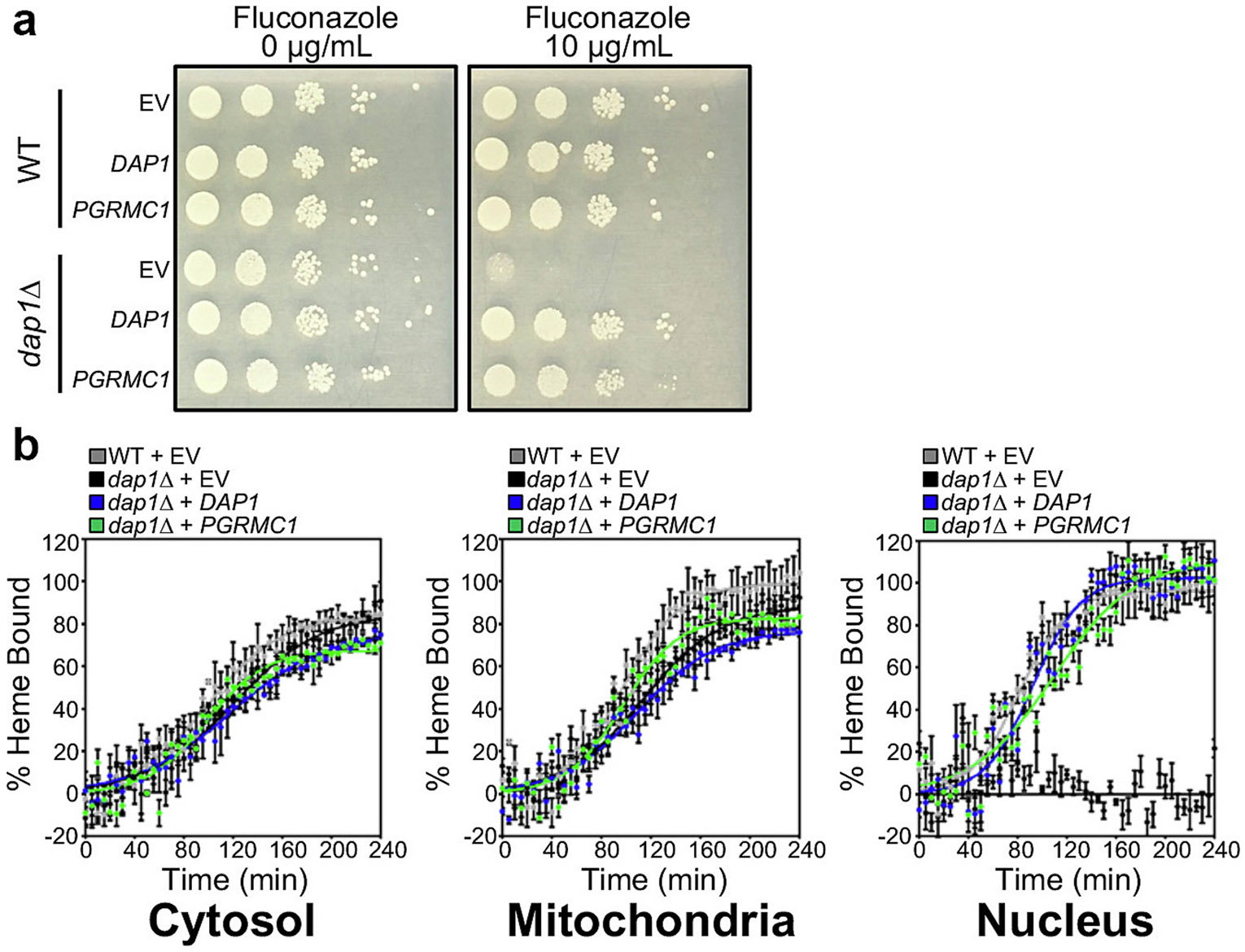 Figure 1
 Figure 2
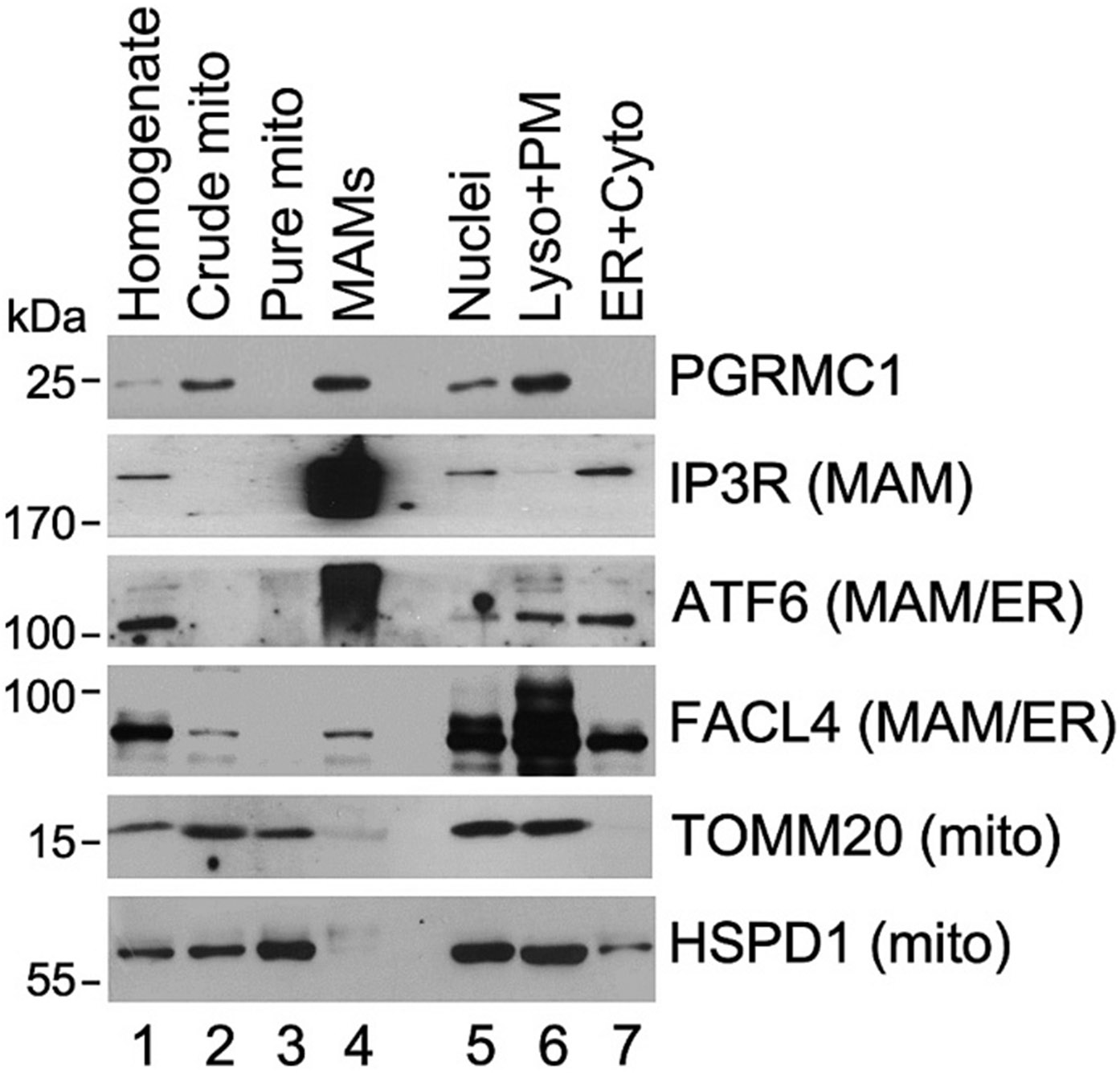 Figure 3
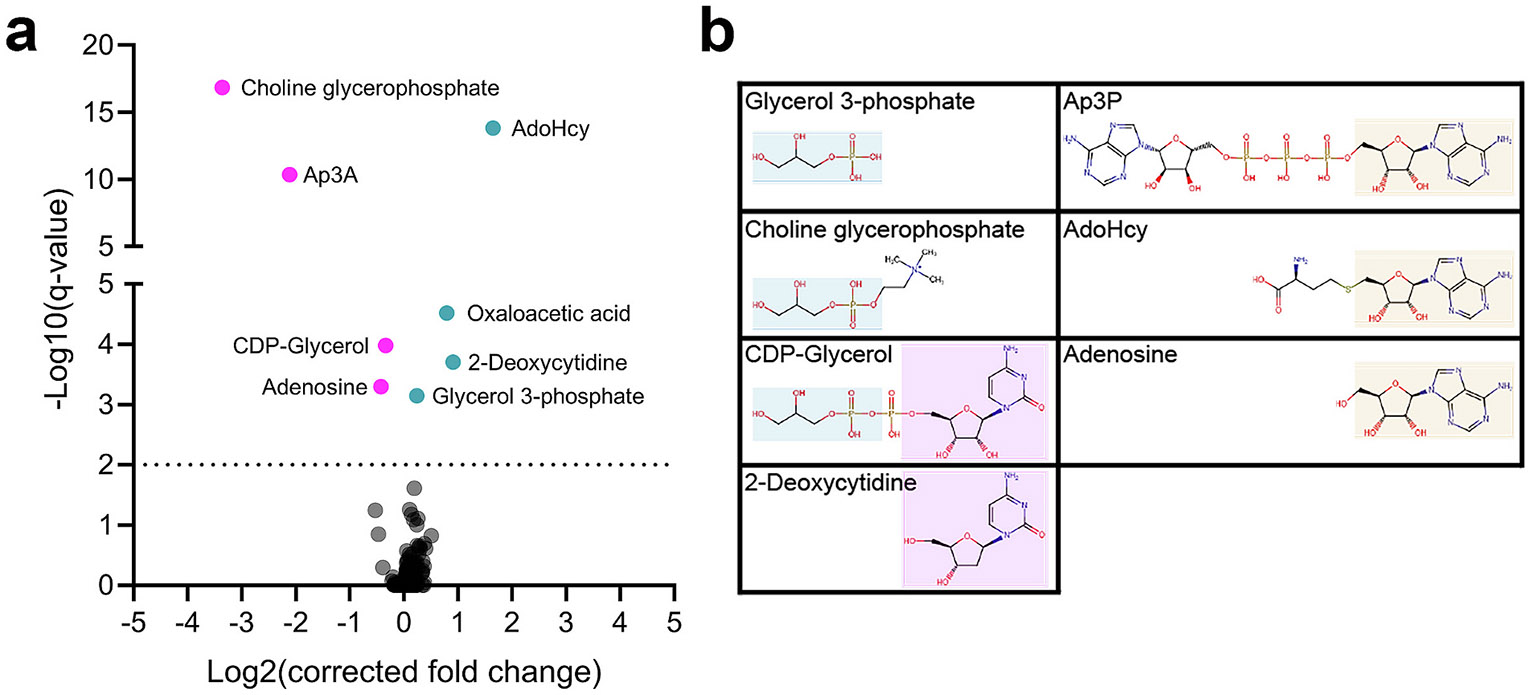 Figure 4
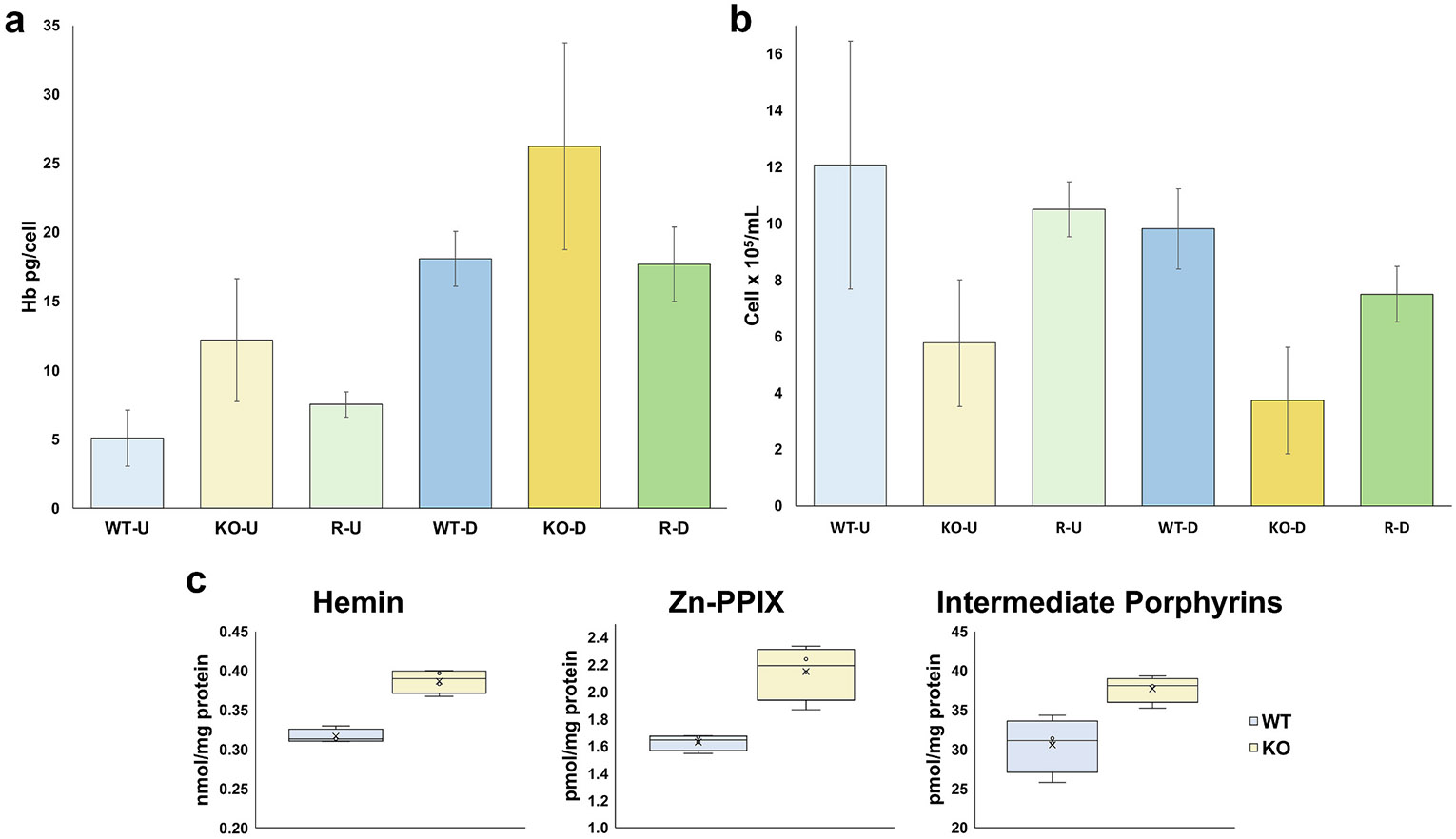 Figure 5
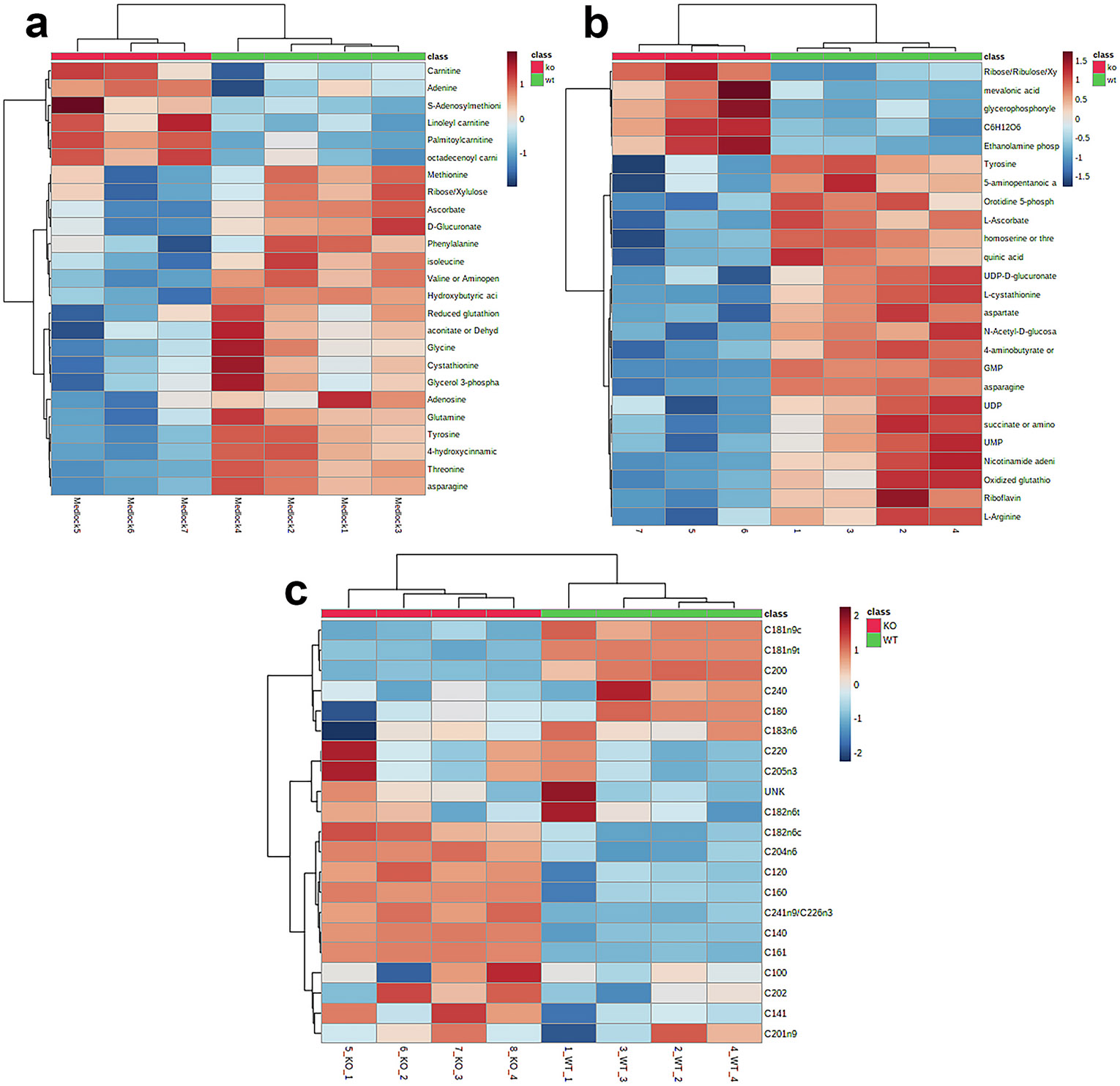 Figure 6
Peer Reviews
No public reviews on file for this paper yet. If you reviewed it on a platform where reviews are public (OpenReview, ICLR, NeurIPS, ICML), you can paste yours below so the community can read it here.
Videos
No videos yet. Explain this paper in a talk, walkthrough, or lecture? Add one.
Taxonomy
TopicsAdenosine and Purinergic Signaling · Endoplasmic Reticulum Stress and Disease · CRISPR and Genetic Engineering