Synthesis of sulfanyl derivatives of 1,2,4-triazoles via an acid catalyzed intramolecular cyclization of isothiosemicarbazones: structural characterization, E/Z isomerism, mechanistic insights and in vitro cytotoxicity
Kallivalappil Snisha, Mano Chitra Karthikeyan, Nattamai Bhuvanesh, Antony Joseph Velanganni Arockiam, Ramasamy Karvembu

TL;DR
Researchers synthesized new 1,2,4-triazole compounds and found they are more effective at killing cancer cells than a common drug, with low toxicity to normal cells.
Contribution
A novel acid-catalyzed method to synthesize sulfanyl 1,2,4-triazoles with enhanced cytotoxicity against cancer cells.
Findings
Cyclized sulfanyl 1,2,4-triazoles showed higher cytotoxicity toward MDA-MB-231 and HeLa cells than 5-FU.
Substituted compounds CL2 and CL3 exhibited enhanced activity compared to the unsubstituted CL1.
Compounds induced apoptosis via ROS generation and mitochondrial membrane potential depletion.
Abstract
Sulfanyl derivatives of 1,2,4-triazoles (CL1–CL3) were synthesized via a Lewis or Brønsted acid catalyzed intramolecular cyclization of corresponding isothiosemicarbazones (TL1–TL3). All the synthesized isothiosemicarbazones and their cyclized sulfanyl 1,2,4-triazole derivatives were well characterized by spectroscopic techniques and single crystal XRD analyses. The E/Z isomerism of the isothiosemicarbazones was elucidated using NMR spectroscopy and single crystal XRD analysis. Mechanistic investigations, supported by controlled experiments and spectroscopic evidence, revealed that the cyclization proceeded via an ionic pathway with the evolution of hydrogen. The cytotoxic effect of the cyclized sulfanyl 1,2,4-triazole derivatives (CL1–CL3) was evaluated by MTT assay against MDA-MB-231 (breast), MCF-7 (breast), and HeLa (cervical) cancer cell lines, as well as HEK-293 (kidney) normal…
Genes, proteins, chemicals, diseases, species, mutations and cell lines named across the full text — each resolved to its canonical identifier and authoritative record.
Click any figure to enlarge with its caption.
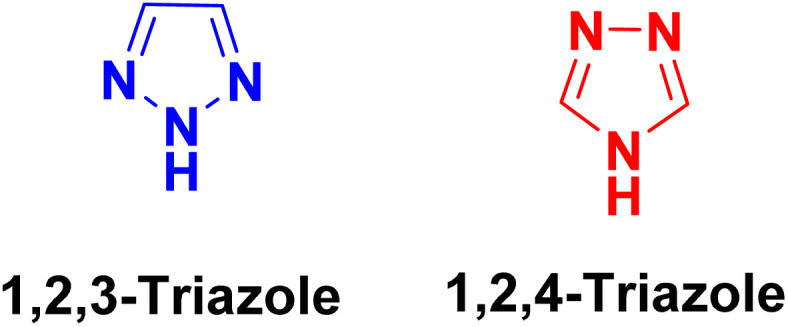 Figure 1
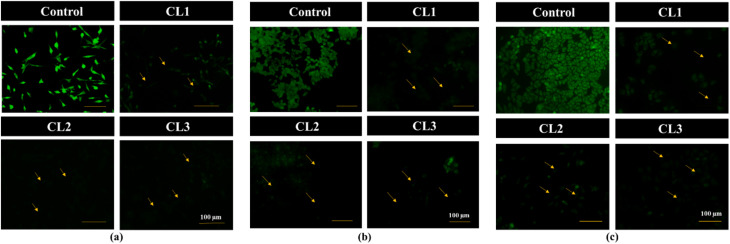 Figure 2
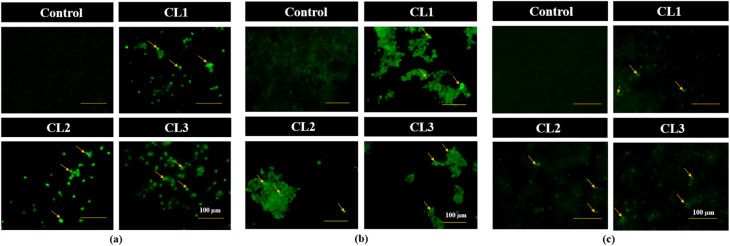 Figure 3
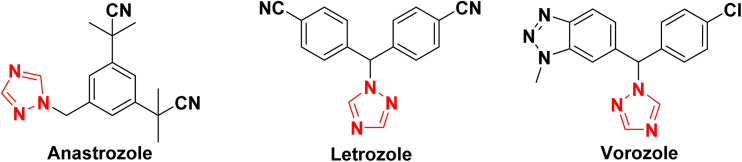 Figure 4
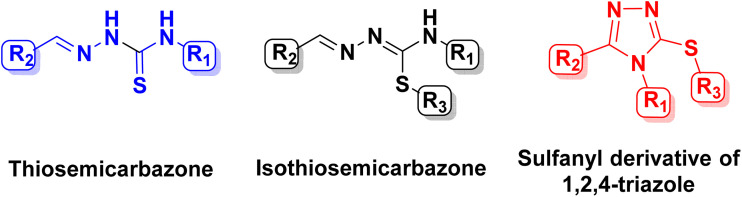 Figure 5
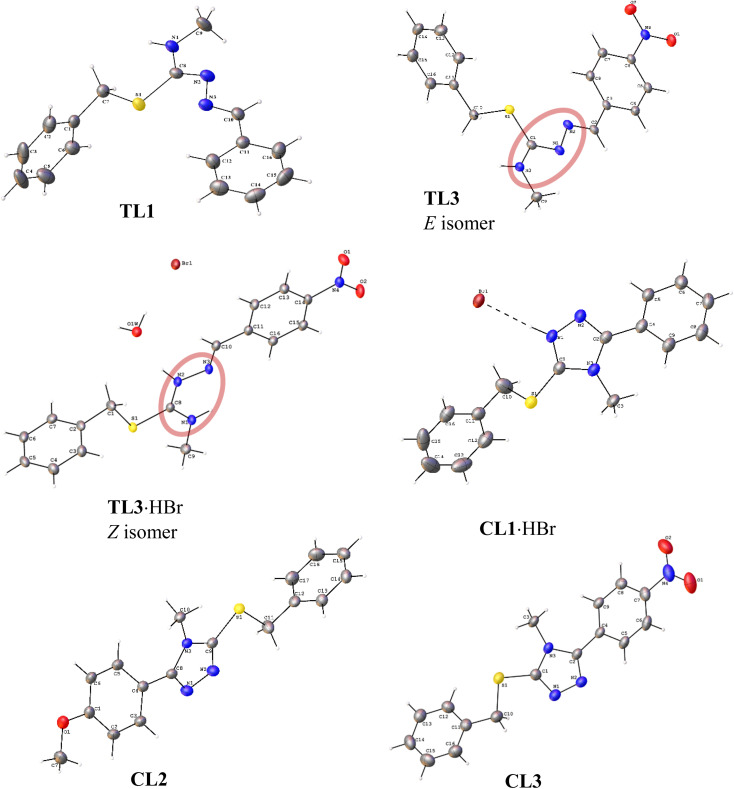 Figure 6
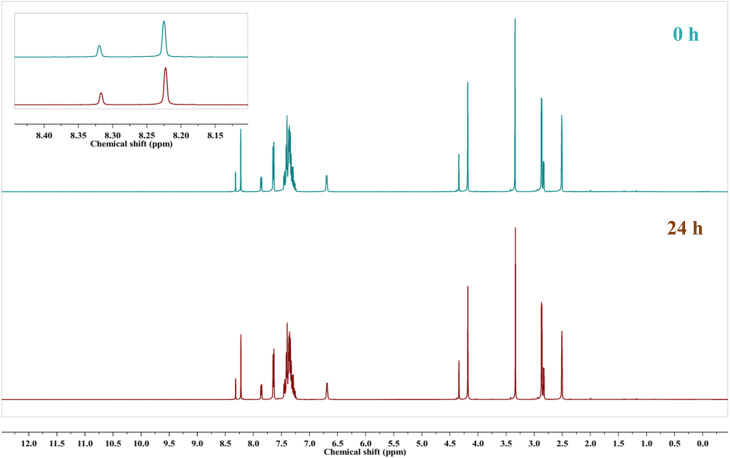 Figure 7
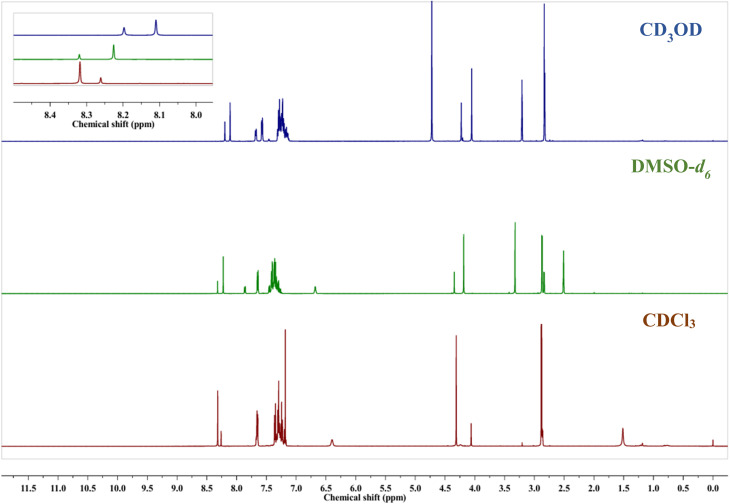 Figure 8
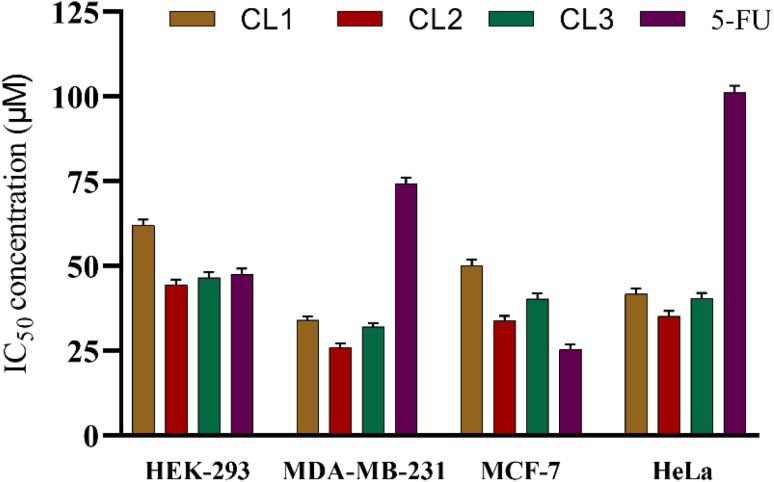 Figure 9
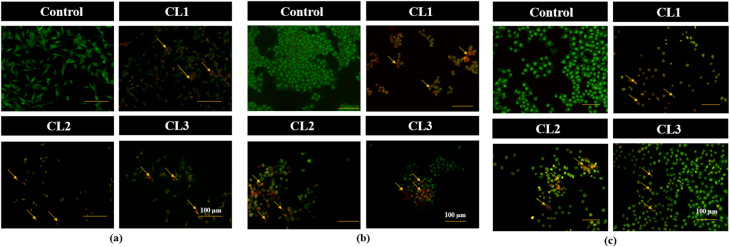 Figure 10
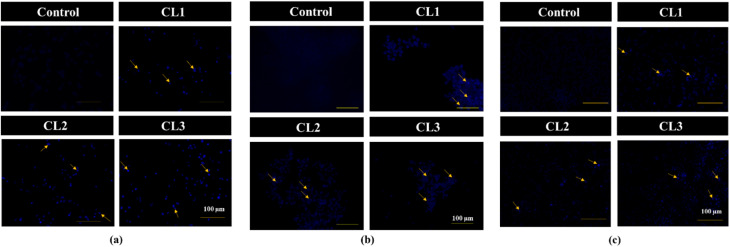 Figure 11
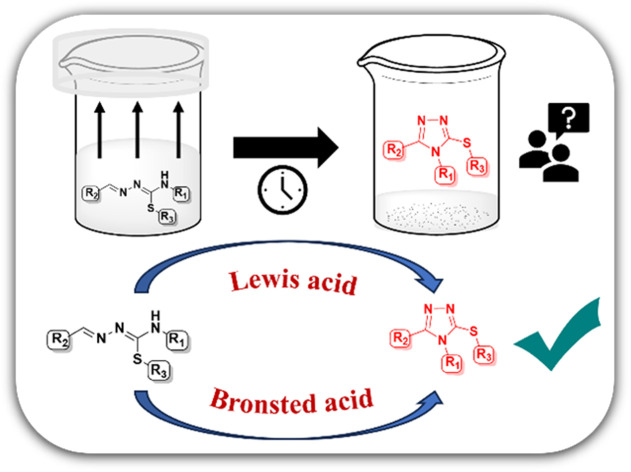 Figure 12
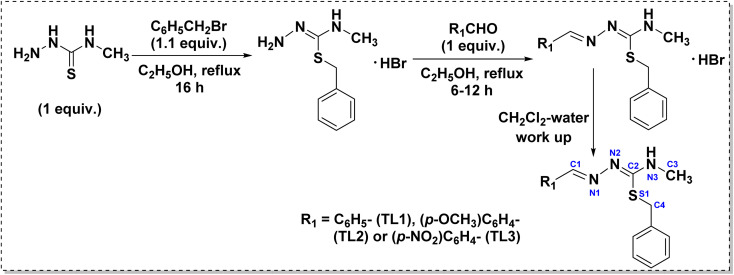 Figure 13
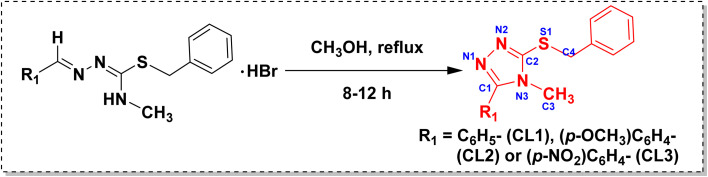 Figure 14
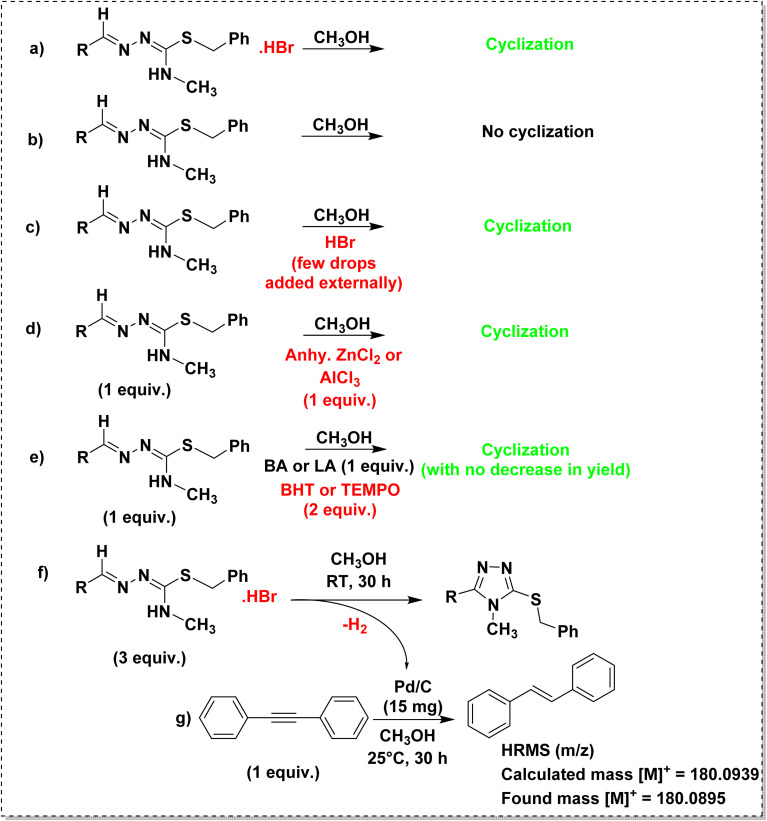 Figure 15
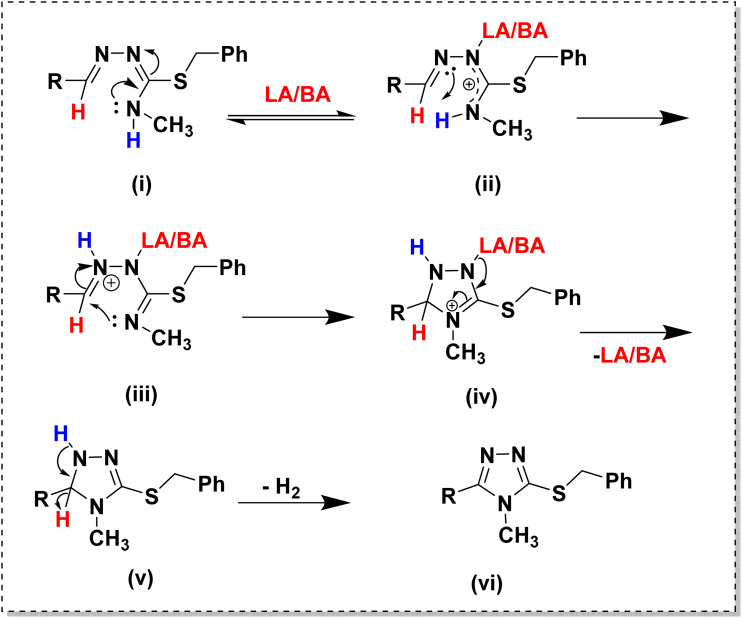 Figure 16
Peer Reviews
No public reviews on file for this paper yet. If you reviewed it on a platform where reviews are public (OpenReview, ICLR, NeurIPS, ICML), you can paste yours below so the community can read it here.
Videos
No videos yet. Explain this paper in a talk, walkthrough, or lecture? Add one.
Taxonomy
TopicsSulfur-Based Synthesis Techniques · Click Chemistry and Applications · Synthesis and biological activity