Case Report: Transcatheter closure of ventricular septal defect using a Starway Neo Occluder via a single-access approach: report of two cases
Changjing Huang, Nan Cai, Youqian Li, Weike Wu, Jingfeng Liu, Haifeng Hong, Guodong Zhang, Zhihui Hu, Wei Zhong

TL;DR
This case report describes a new minimally invasive technique for closing heart defects using a single catheter access point, showing promising early results in two patients.
Contribution
The paper introduces a novel transcatheter single-access approach for VSD closure, reducing procedural risks compared to conventional methods.
Findings
The single-access technique was successfully applied in two patients with stable device positioning confirmed by echocardiography.
Patients tolerated the procedure well with same-day ambulation and no major complications during early recovery.
Immediate and one-month follow-ups showed no residual shunt or valvular regurgitation.
Abstract
Ventricular septal defect (VSD) is among the most prevalent congenital heart diseases, accounting for approximately 20%–30% of cases. Mainstay treatments encompass interventional closure and surgical repair. The conventional interventional approach necessitates puncturing both the femoral artery and vein to establish an arteriovenous circuit for device delivery. While markedly less invasive than open-heart surgery, this method carries inherent risks, including sheath compression challenges, conduction block, injury to valvular chordae tendineae, and vascular complications. To enhance procedural safety while maintaining efficacy, our center pioneered a transcatheter single-access closure technique for VSD, performed under fluoroscopic and echocardiographic guidance in two patients. This “single” strategy proved successful in both instances. The procedures were well-tolerated, with…
Genes, proteins, chemicals, diseases, species, mutations and cell lines named across the full text — each resolved to its canonical identifier and authoritative record.
Click any figure to enlarge with its caption.
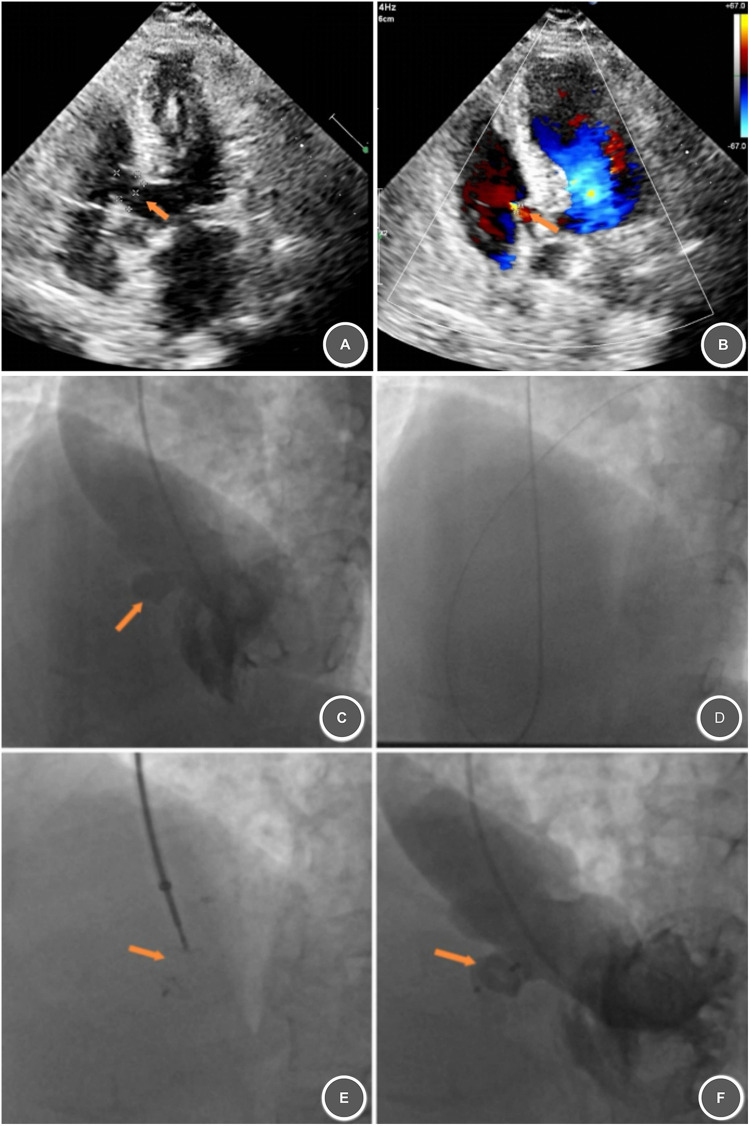 Figure 1
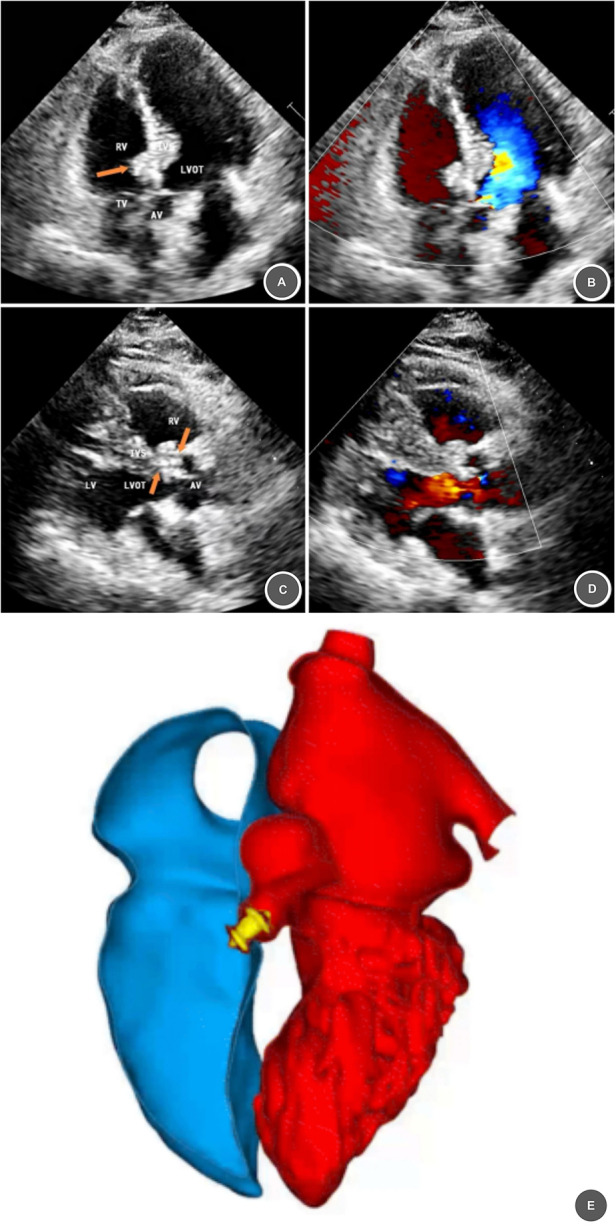 Figure 2
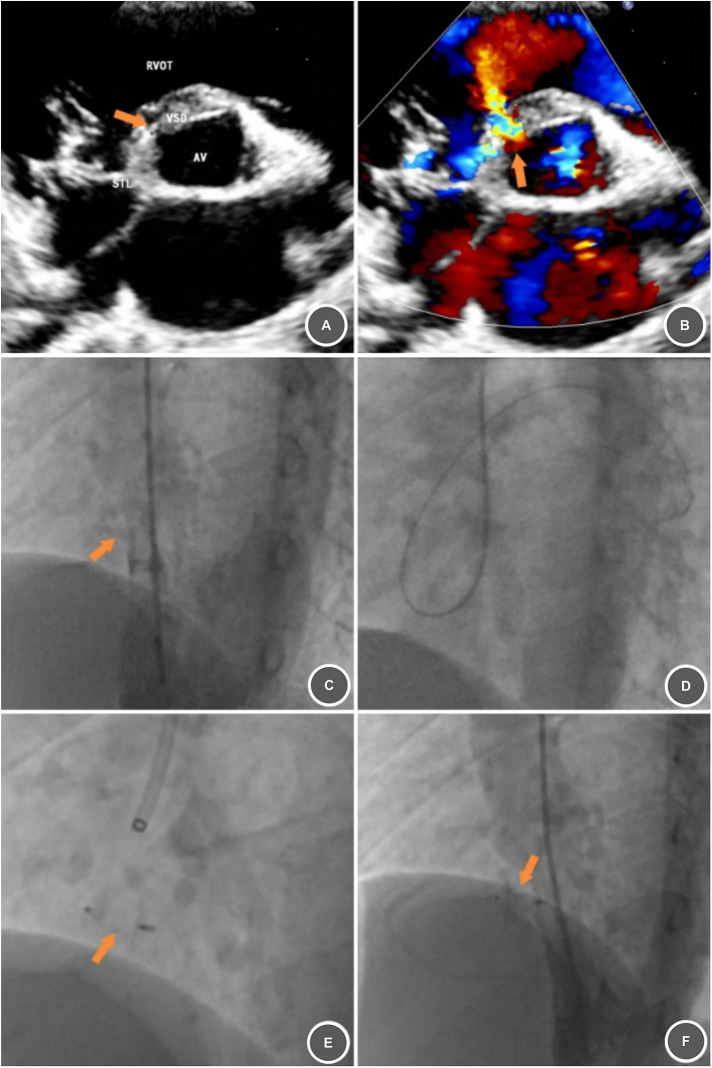 Figure 3
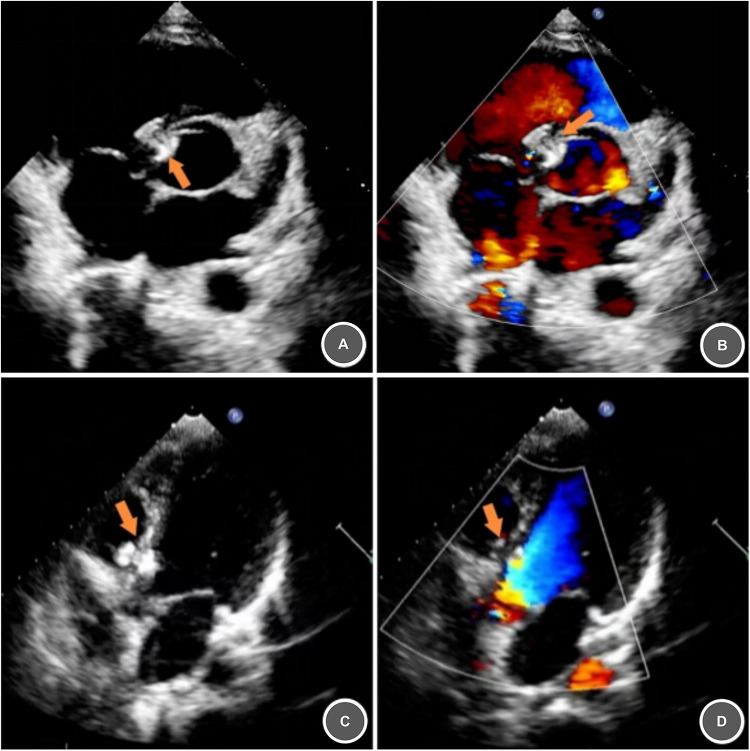 Figure 4
Peer Reviews
No public reviews on file for this paper yet. If you reviewed it on a platform where reviews are public (OpenReview, ICLR, NeurIPS, ICML), you can paste yours below so the community can read it here.
Videos
No videos yet. Explain this paper in a talk, walkthrough, or lecture? Add one.
Taxonomy
TopicsCongenital Heart Disease Studies · Cardiac Valve Diseases and Treatments · Cardiac and Coronary Surgery Techniques