Visual marker–assisted gene editing of MLO confers powdery mildew resistance in Nicotiana alata
Hua-Yin Liu, Xin-Yao Huang, Jin-Wang, Yan-Qun Zhang, Jing Li, Ling-Wang Kong, Shi-Ping Zhou, Qiu-Fen Hu, Wei-Guang Wang

TL;DR
Scientists used gene editing to make a popular ornamental plant resistant to powdery mildew, reducing the need for fungicides.
Contribution
The study introduces a visual marker-based gene-editing system for Nicotiana alata, enabling marker-free identification and disease resistance.
Findings
Knocking out NalaMLO conferred powdery mildew resistance in Nicotiana alata plants.
Floral volatile profiles remained unchanged in edited plants, preserving ornamental traits.
Resistance is likely mediated by multiple pathways including MAPK signaling and phenylpropanoid biosynthesis.
Abstract
Nicotiana alata is a high-value floricultural crop, but its widely cultivated commercial cultivar ‘Jasmine’ is highly susceptible to powdery mildew under low-light indoor conditions. This susceptibility results in leaf mold, yellowing, and wilting, along with a sharp decline in ornamental value. To address this issue and reduce fungicide reliance, we developed the first gene-editing system for N. alata featuring antibiotic marker–free visual identification. This system employs dual-visual markers for rapid positive screening using anthocyanin accumulation to indicate successful transformation and albino phenotypes resulting from editing of NalaPDS to signal successful gene editing. To enhance the horticultural traits of N. alata, we knocked out NalaMLO, resulting in T1 and T2 plants with significantly greater resistance to powdery mildew. Headspace solid-phase microextraction–gas…
Genes, proteins, chemicals, diseases, species, mutations and cell lines named across the full text — each resolved to its canonical identifier and authoritative record.
Click any figure to enlarge with its caption.
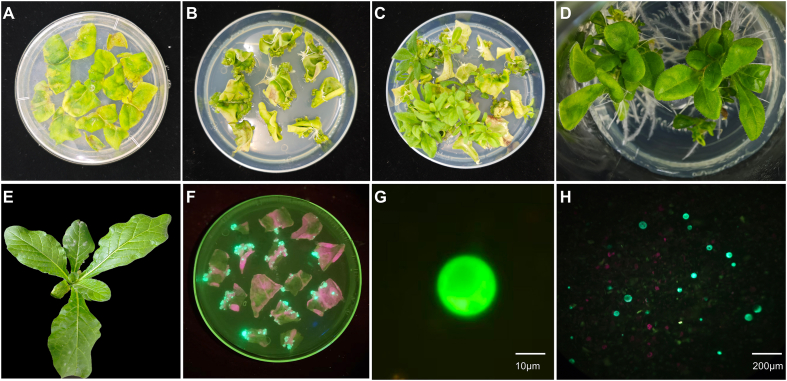 Figure 1
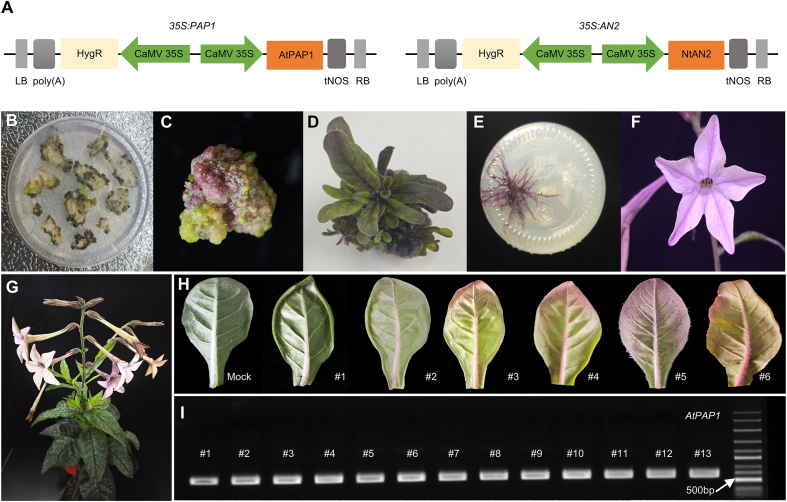 Figure 2
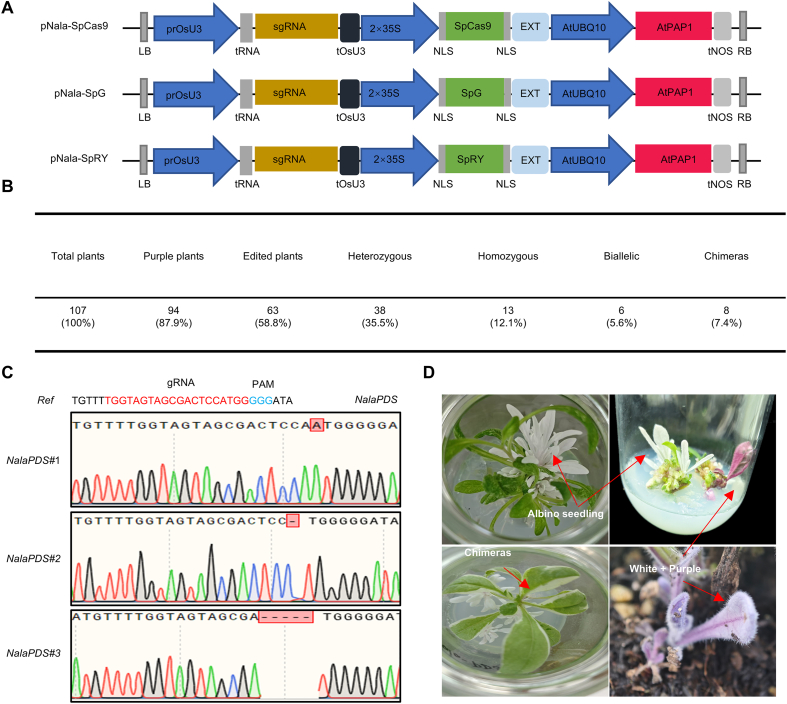 Figure 3
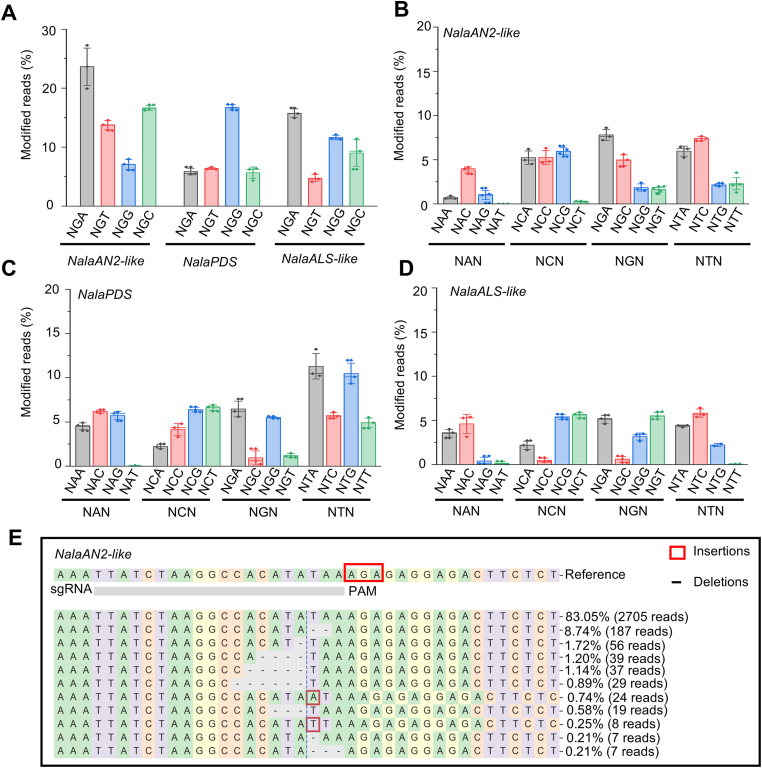 Figure 4
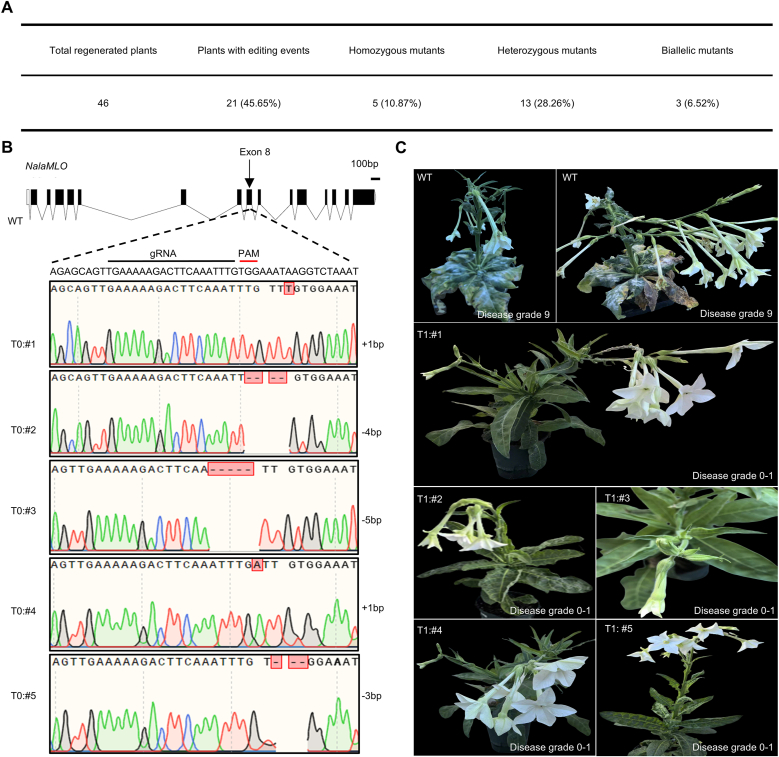 Figure 5
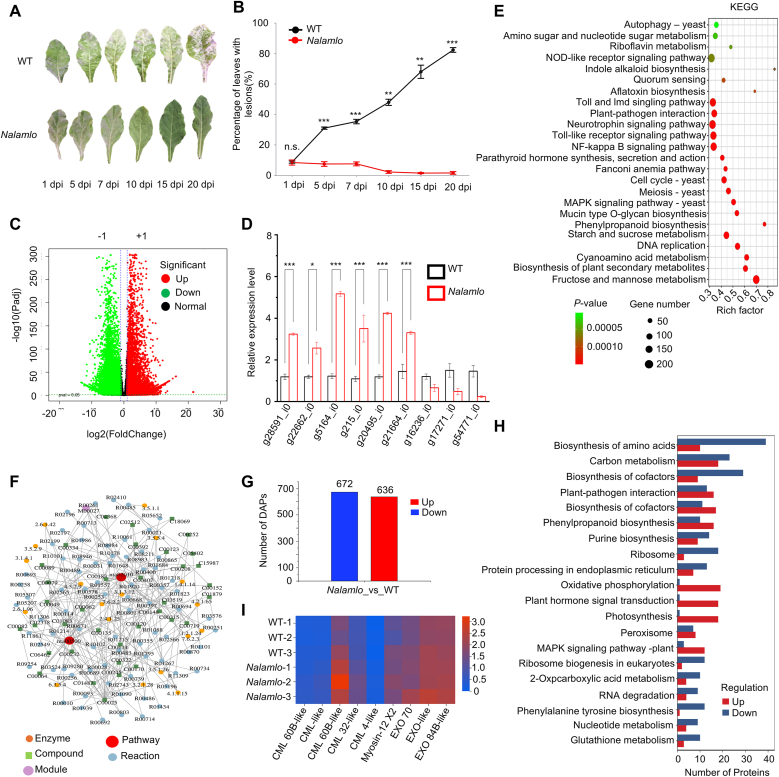 Figure 6
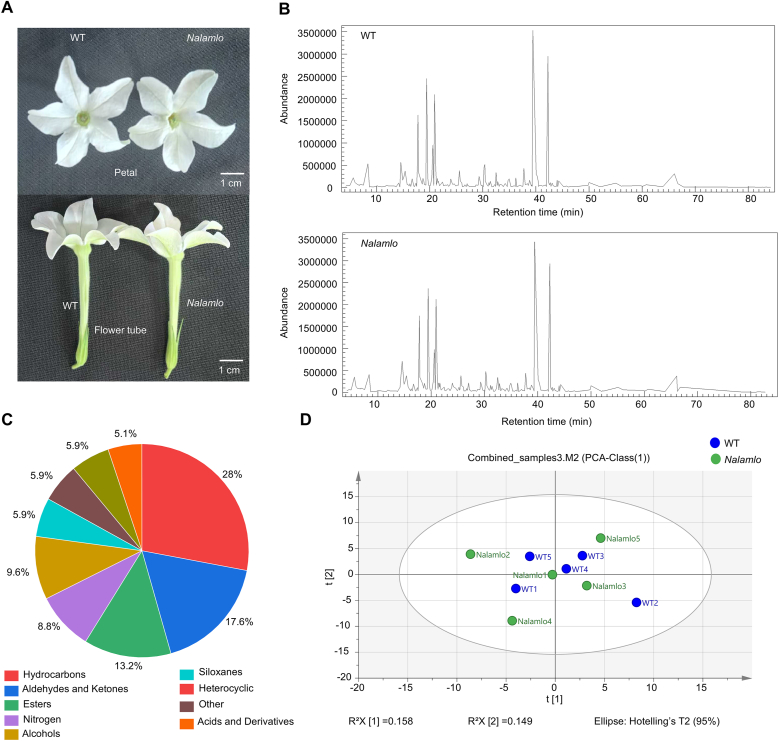 Figure 7
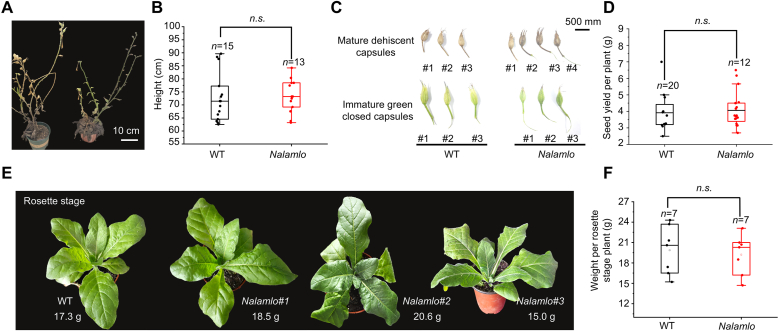 Figure 8
Peer Reviews
No public reviews on file for this paper yet. If you reviewed it on a platform where reviews are public (OpenReview, ICLR, NeurIPS, ICML), you can paste yours below so the community can read it here.
Videos
No videos yet. Explain this paper in a talk, walkthrough, or lecture? Add one.
Taxonomy
TopicsPowdery Mildew Fungal Diseases · CRISPR and Genetic Engineering · Plant Molecular Biology Research