Proteomic and Secretomic Response of an African Armillaria Species to Iron
Deborah L. Narh, Brenda D. Wingfield, Martin P. A. Coetzee

TL;DR
This study explores how an African Armillaria fungus responds to iron, revealing changes in proteins and secreted molecules that could help control its pathogenicity.
Contribution
The study identifies iron-responsive proteomic and secretomic changes and three putative siderophore biosynthetic gene clusters in an Armillaria species.
Findings
Iron supplementation caused significant changes in proteins related to metabolism and growth.
No oxidative stress response was observed at 100 μM iron.
Three putative siderophore biosynthetic gene clusters were identified and some were expressed.
Abstract
Armillaria species have attracted considerable research interest, because they are widely distributed, mostly plant-pathogenic, and exhibit unique characteristics. Abiotic factors influence intra- and interspecies variations in pathogenicity and/or virulence of these fungi. However, the mechanisms involved in causing these variations are not well understood. Iron is an indispensable element in several molecular and biological processes. Yet, excessive abundance of iron can be toxic to organisms due to Fenton-like reactions. This study aimed to gain insights into the type and extent of iron-responsive proteomic and secretomic changes in Armillaria sp. strain CMW4456 cultured in liquid media supplemented with iron using a multiomics approach. Significant iron-dependent alterations of proteins involved in metabolism and growth were observed in the proteomes and secretomes. Iron…
Genes, proteins, chemicals, diseases, species, mutations and cell lines named across the full text — each resolved to its canonical identifier and authoritative record.
Click any figure to enlarge with its caption.
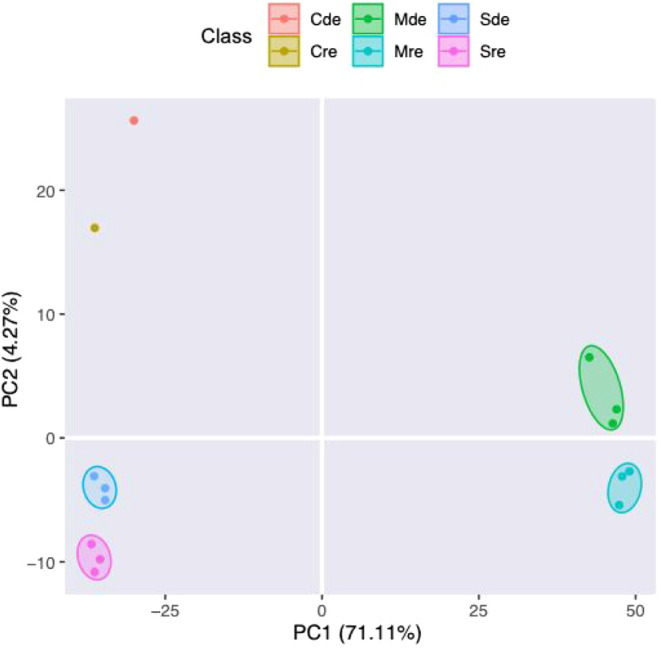 Figure 1
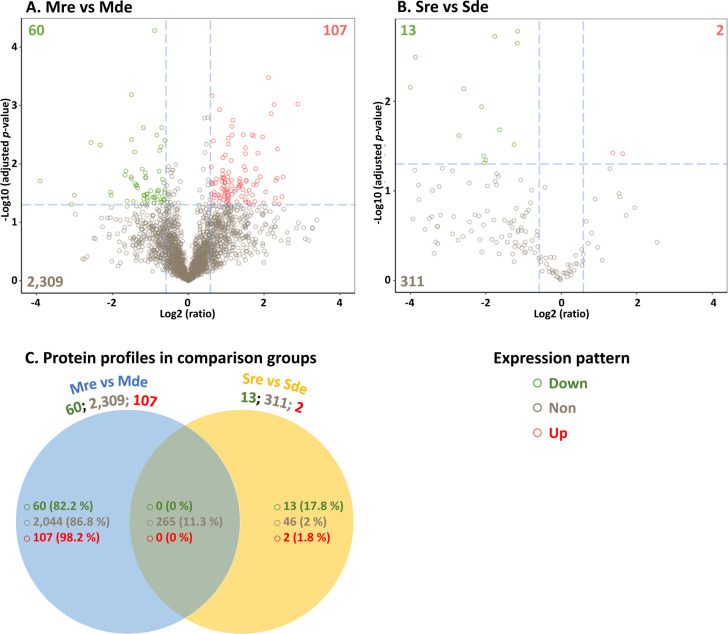 Figure 2
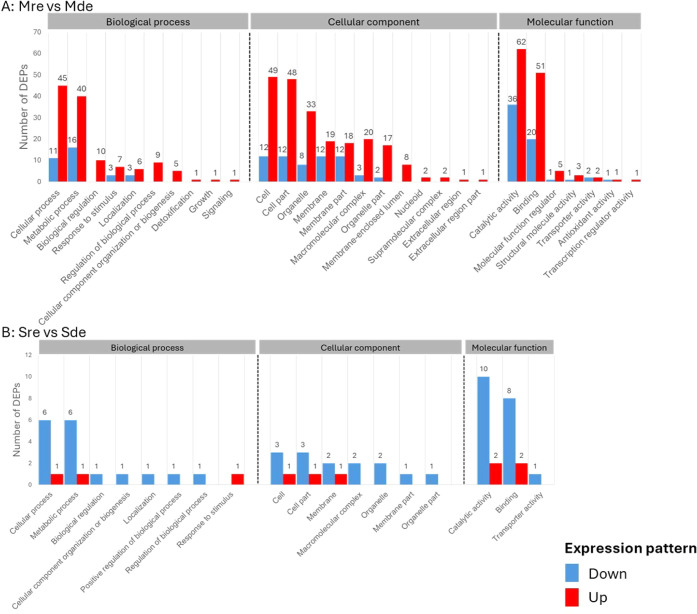 Figure 3
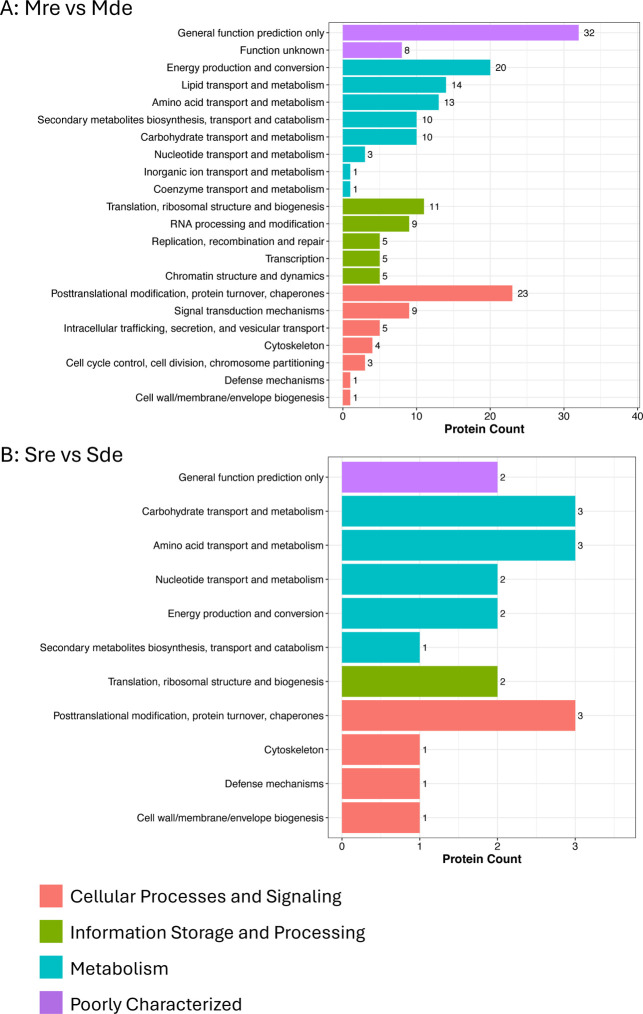 Figure 4
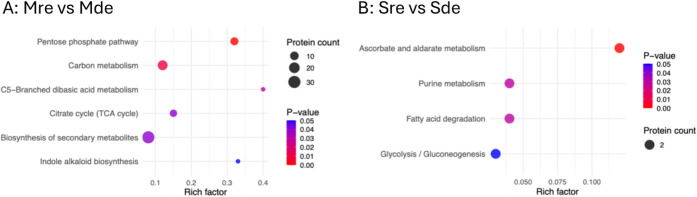 Figure 5
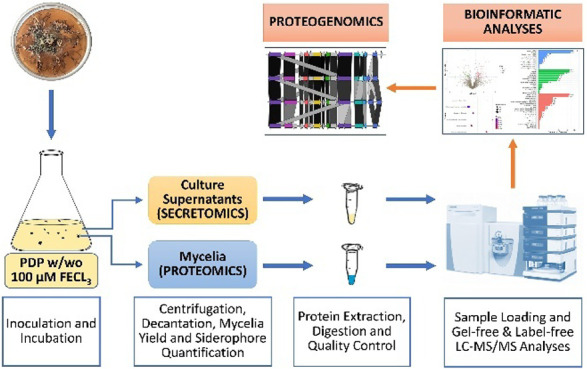 Figure 6
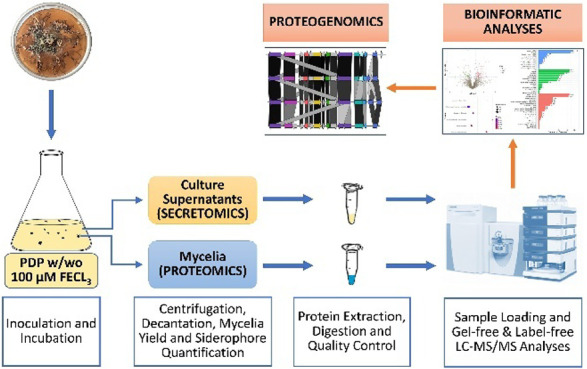 Figure 7
 Figure 8
Peer Reviews
No public reviews on file for this paper yet. If you reviewed it on a platform where reviews are public (OpenReview, ICLR, NeurIPS, ICML), you can paste yours below so the community can read it here.
Videos
No videos yet. Explain this paper in a talk, walkthrough, or lecture? Add one.
Taxonomy
TopicsMycorrhizal Fungi and Plant Interactions · Fungal and yeast genetics research · Fungal Biology and Applications