Deep excitation afterglow luminescent probes for biomedical applications
Yiqian Hao, Yuxia Liu, Xi Liu, Siyue Ma, Chao Wang, Qing Miao, Linlin Wang, Pu Chen, Dongliang Su, Jonathan L. Sessler, Bo Tang, Tony D. James, Guang Chen

TL;DR
This paper discusses afterglow imaging probes that can provide deep tissue imaging without continuous excitation, improving sensitivity and reducing background noise for biomedical applications.
Contribution
The paper introduces deep excitation afterglow luminescent probes that overcome limitations of conventional imaging techniques.
Findings
Afterglow imaging avoids autofluorescence and improves signal-to-background ratio.
X-ray-activated afterglow probes allow effective imaging of deep-seated lesions.
The paper outlines strategies for molecular design and clinical translation of afterglow probes.
Abstract
In addition to the high sensitivity, excellent spatio-temporal resolution and powerful real-time imaging capabilities, biomedical applications impose high demands on imaging techniques. Unfortunately, conventional imaging relies on the real-time excitation and suffers from limited tissue penetration. In contrast, afterglow imaging can provide continuous and deep luminescence once the probe is excited by NIR-light, X-ray or ultrasound. As such, it can effectively avoid autofluorescence and improve the imaging sensitivity and signal-to-background ratio. Moreover, X-ray-activated afterglow probes benefit from enhanced depth of penetration, thereby allowing more effective imaging of deep-seated lesions. Such advantages have attracted the interest of researchers, which should speed up the translation of biomedical afterglow research for clinical applications. With this perspective, we…
Genes, proteins, chemicals, diseases, species, mutations and cell lines named across the full text — each resolved to its canonical identifier and authoritative record.
Click any figure to enlarge with its caption.
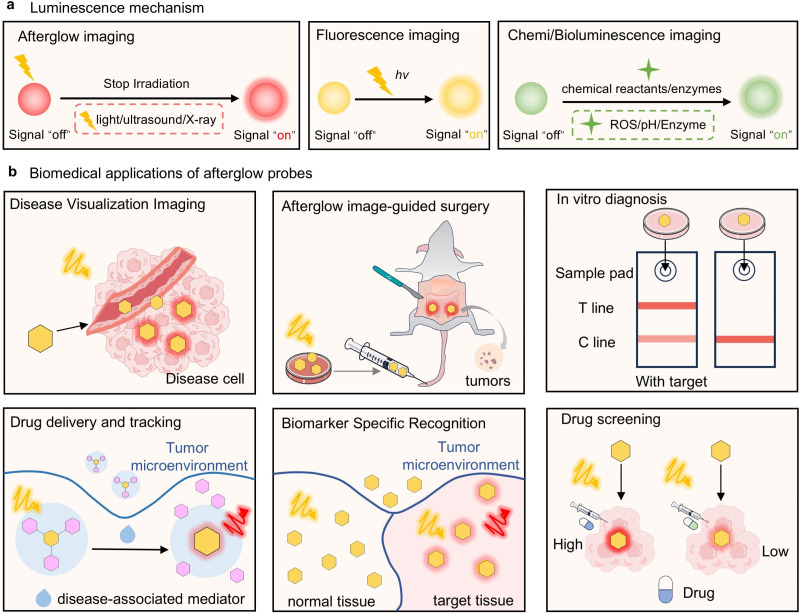 Figure 1
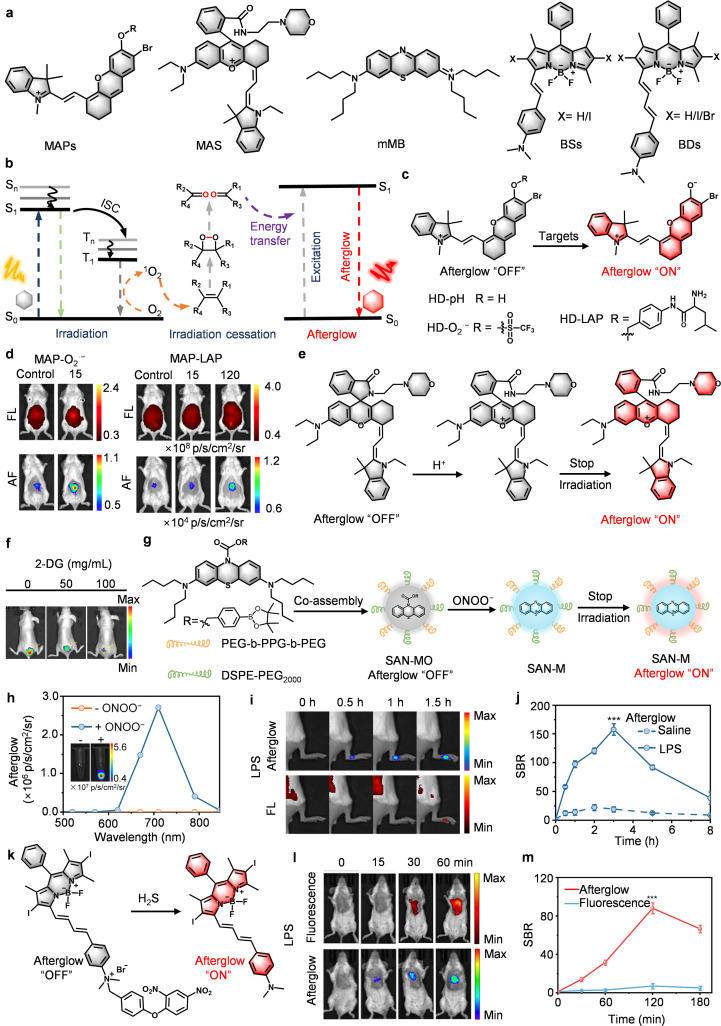 Figure 2
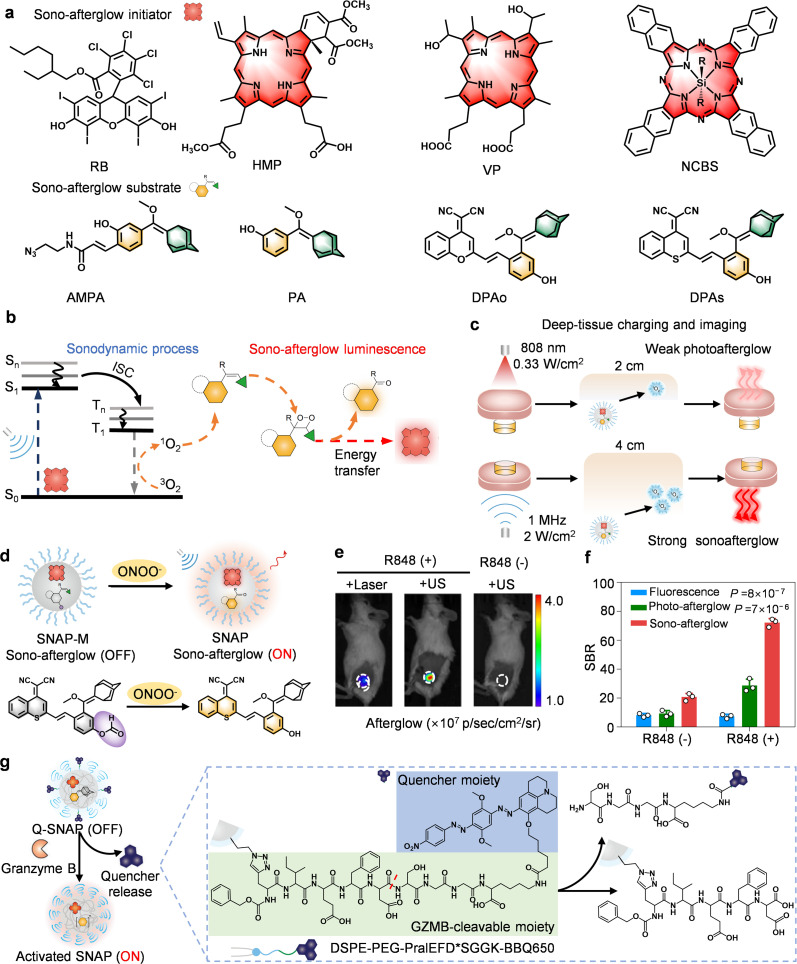 Figure 3
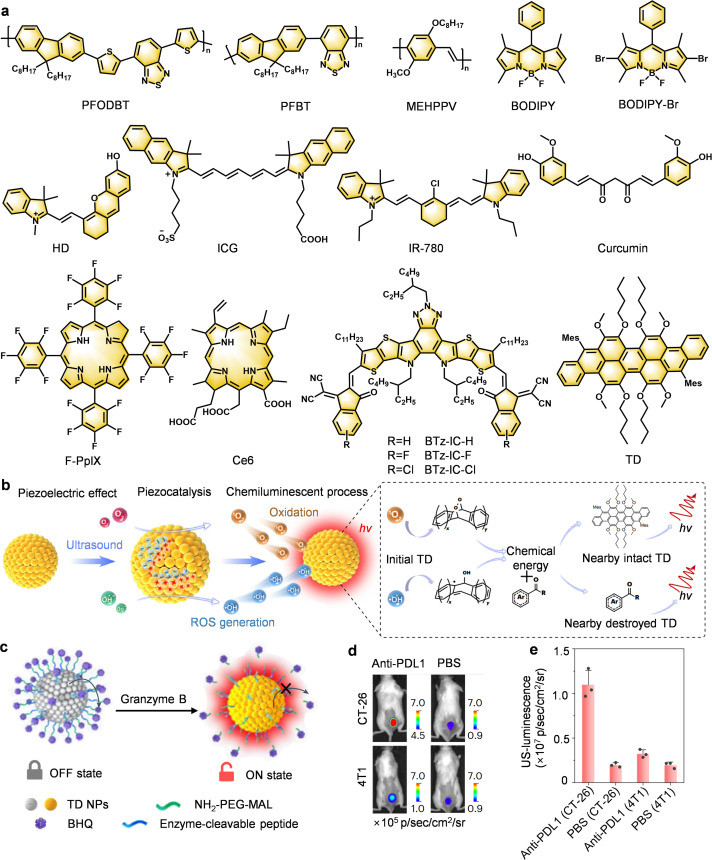 Figure 4
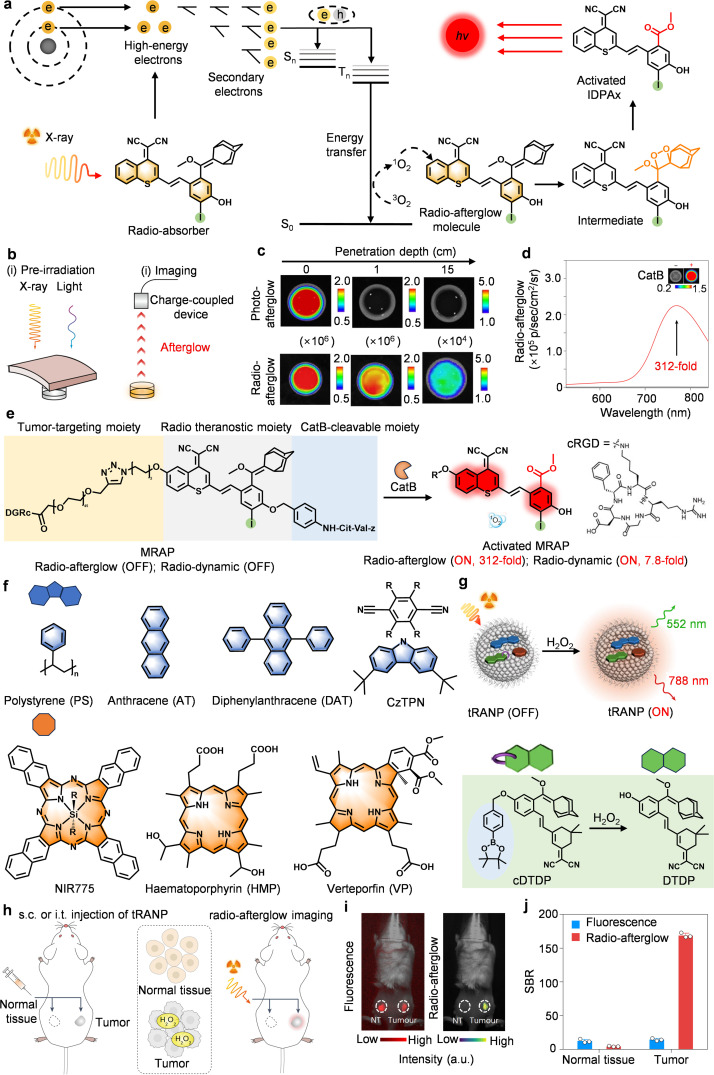 Figure 5
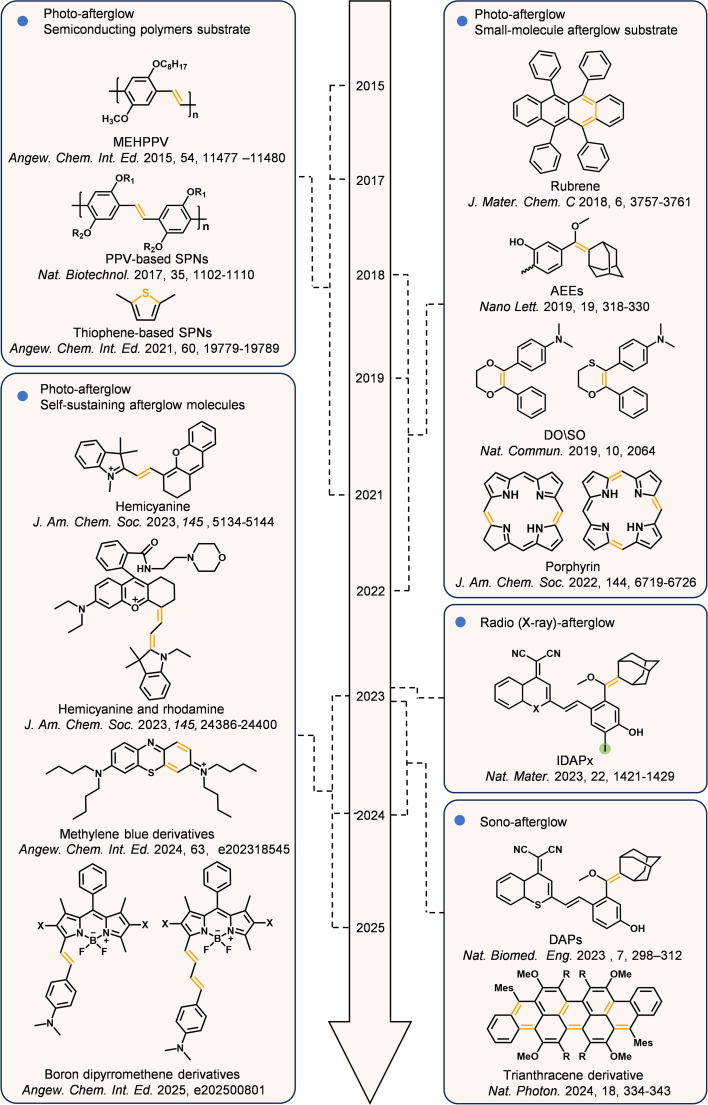 Figure 6
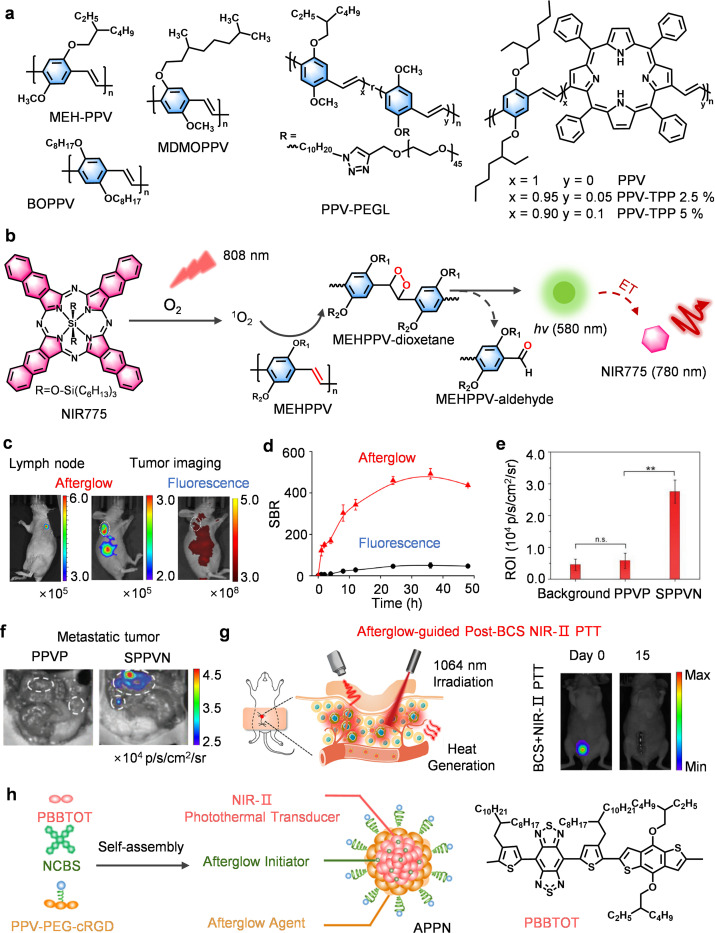 Figure 7
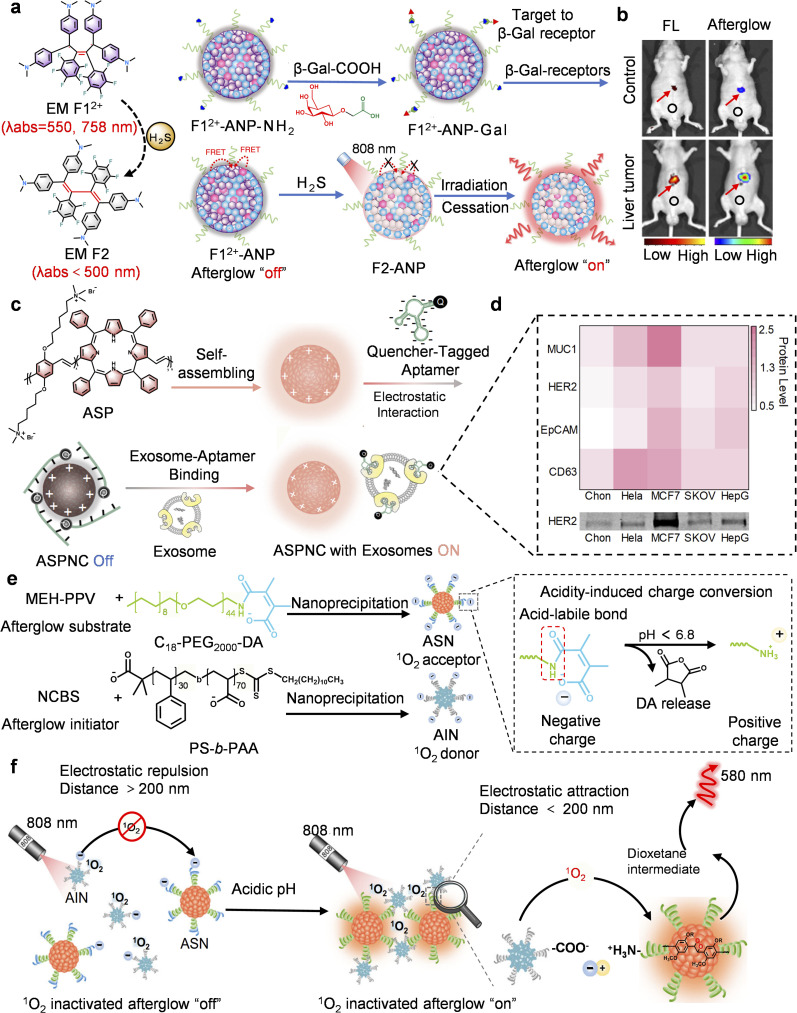 Figure 8
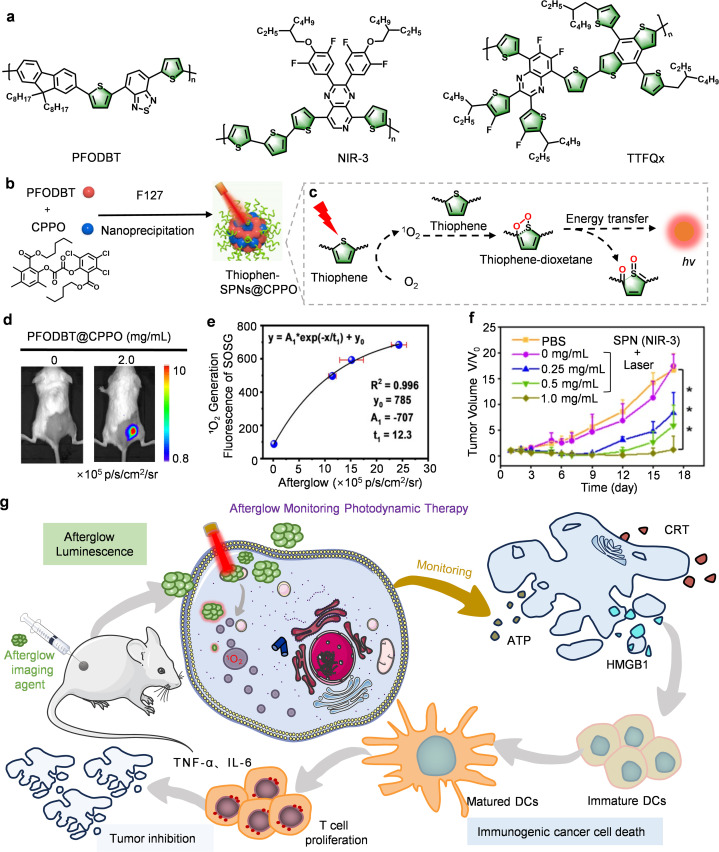 Figure 9
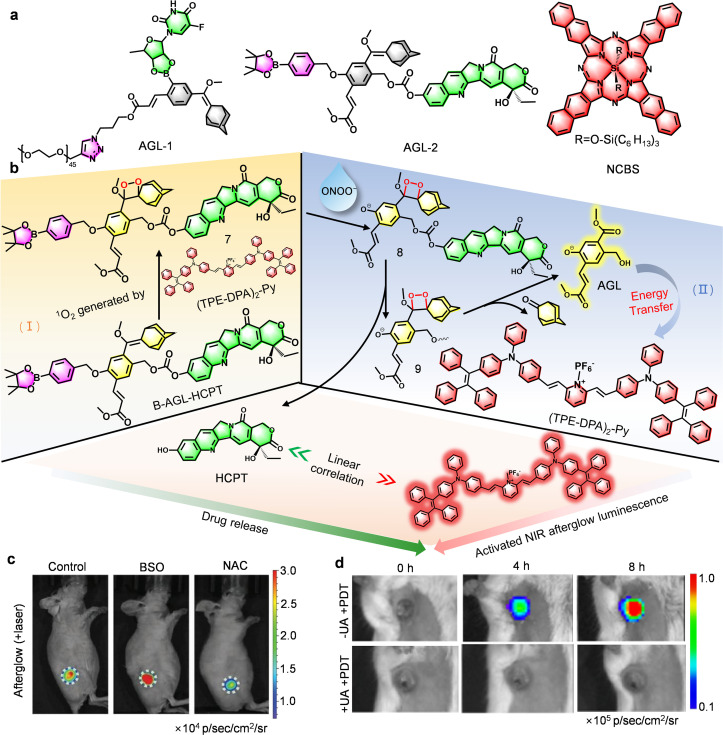 Figure 10
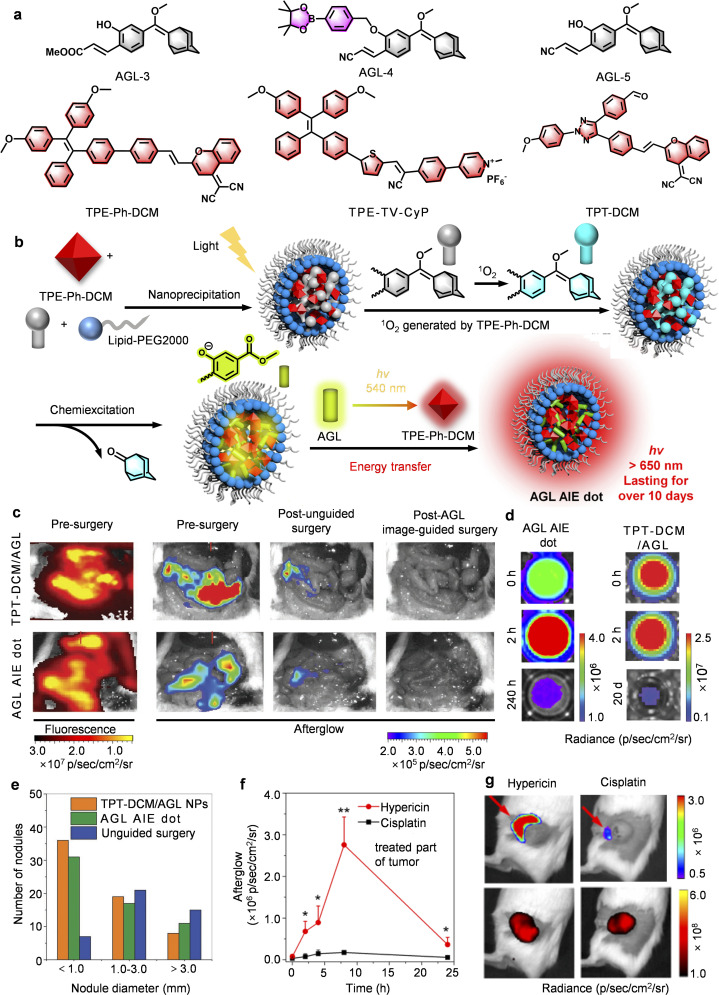 Figure 11
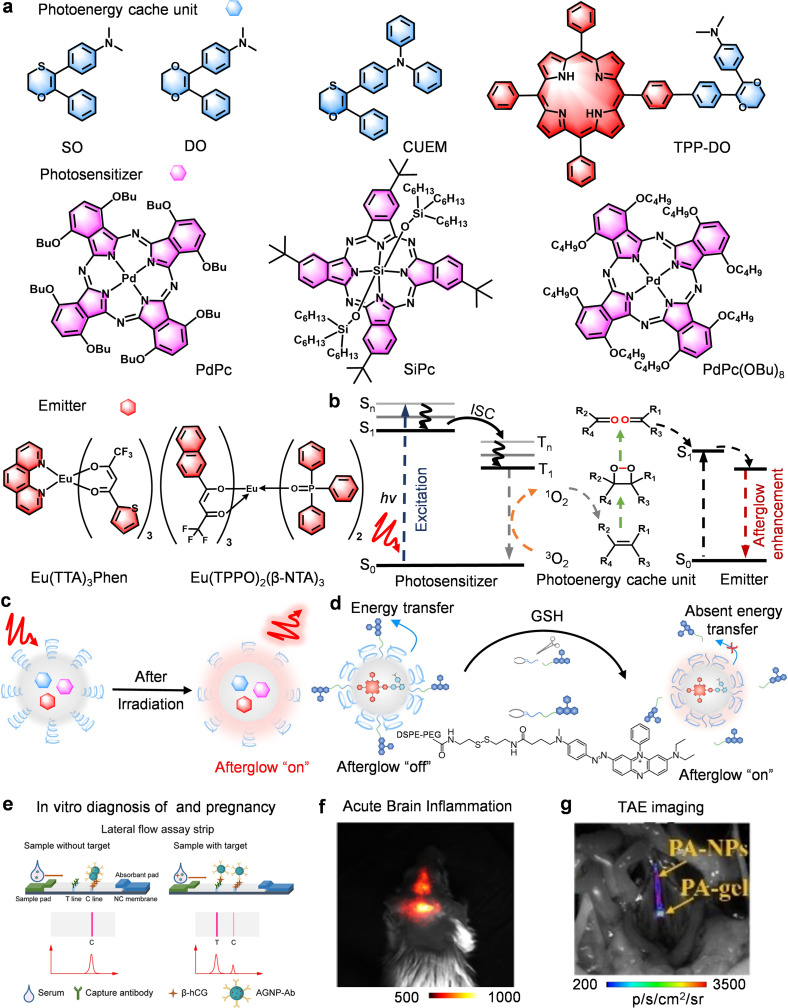 Figure 12
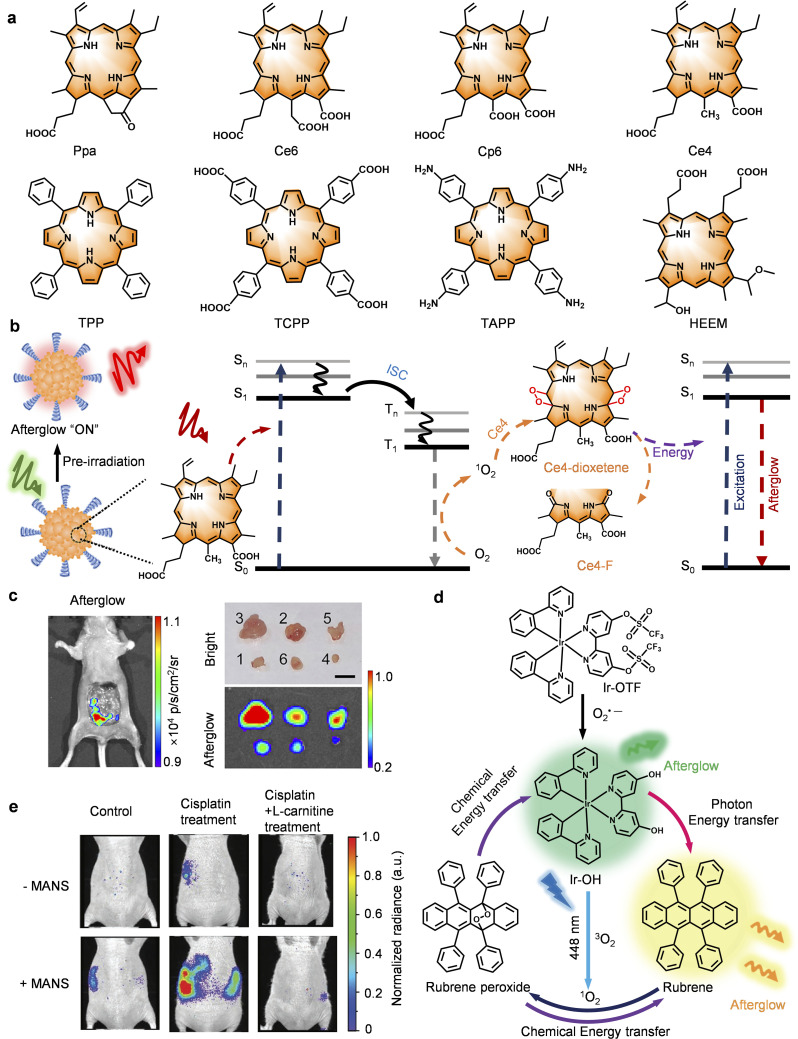 Figure 13
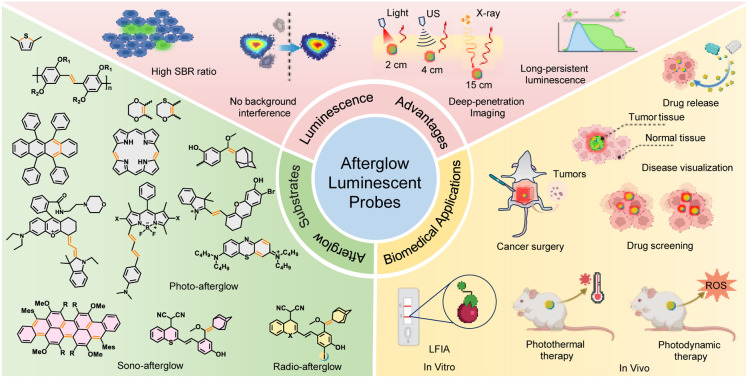 Figure 14
Peer Reviews
No public reviews on file for this paper yet. If you reviewed it on a platform where reviews are public (OpenReview, ICLR, NeurIPS, ICML), you can paste yours below so the community can read it here.
Videos
No videos yet. Explain this paper in a talk, walkthrough, or lecture? Add one.
Taxonomy
TopicsLuminescence Properties of Advanced Materials · Luminescence and Fluorescent Materials · Optical Imaging and Spectroscopy Techniques