In Situ Insights into Ni Phyllosilicate Evolution: Cationic Ni Species as Key to Enhanced Stability in Methane-Rich Dry Reforming
Katarzyna Świrk Da Costa, Paulina Summa, Marco Fabbiani, Dumitrita Spinu, Valentin Valtchev, Ludovic Pinard, Magnus Ro̷nning

TL;DR
This study explores how nickel phyllosilicates improve catalyst stability in methane reforming, revealing the role of cationic nickel species in reducing carbon formation.
Contribution
The paper introduces a one-pot synthesis method for Ni phyllosilicate catalysts and identifies cationic Ni species as key to stability in dry reforming.
Findings
In situ XAS-XRD confirmed the formation of thermally stable Ni3Si2O5(OH)4 phyllosilicate.
Cationic Ni species (Ni+ and Ni2+) limit carbon formation via CO disproportionation.
The one-pot synthesis improved Ni dispersion and crystallite size, enhancing catalytic stability.
Abstract
Nickel (Ni) phyllosilicate-derived catalysts have recently gained attention for the CO2 reforming of methane. However, understanding of the underlying reduction pathways and structural factors that determine stable catalytic performance is still missing. Herein, we developed a one-pot synthesis with ammonia solution to produce nickel catalysts supported on silica, utilizing a modified KIT-6 protocol. Under the proposed alkaline conditions (pH = 9), the silanol groups were deprotonated (Si–O–) and the resulting negatively charged oxide surface could interact with Ni2+. This approach facilitated the in situ formation of Ni phyllosilicate within the silica framework, which contained isolated surface hydroxyl groups. In situ XAS-XRD revealed the presence of thermally stable crystalline Ni phyllosilicate, Ni3Si2O5(OH)4, with time-resolved XANES providing complementary insight into the redox…
Genes, proteins, chemicals, diseases, species, mutations and cell lines named across the full text — each resolved to its canonical identifier and authoritative record.
Click any figure to enlarge with its caption.
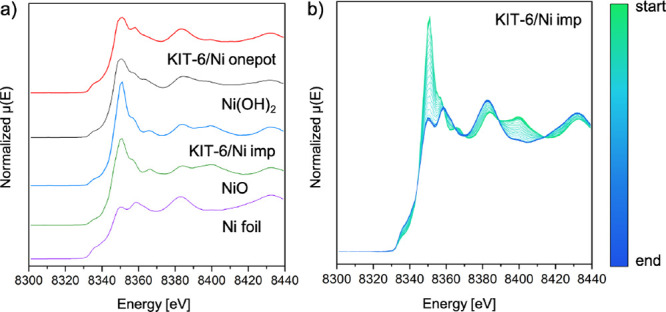 Figure 1
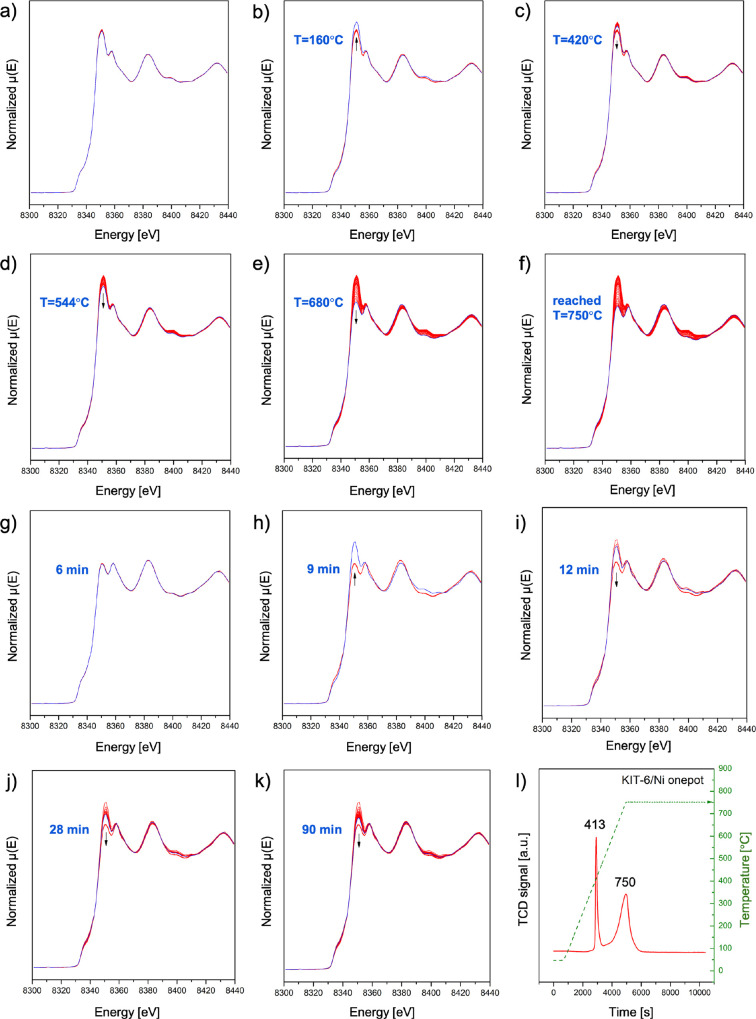 Figure 2
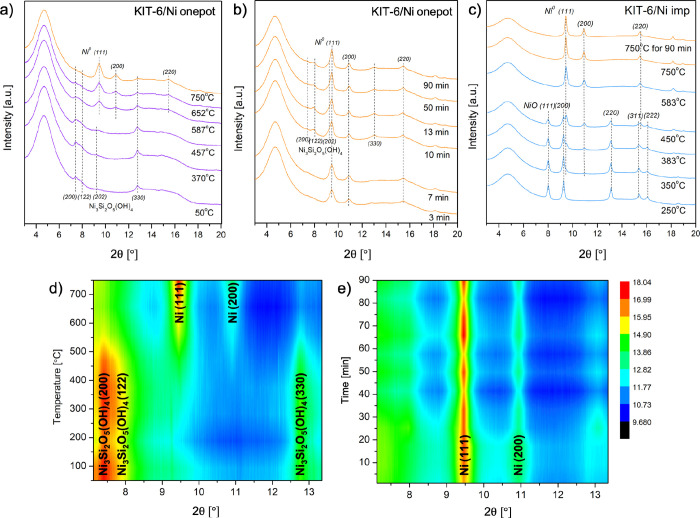 Figure 3
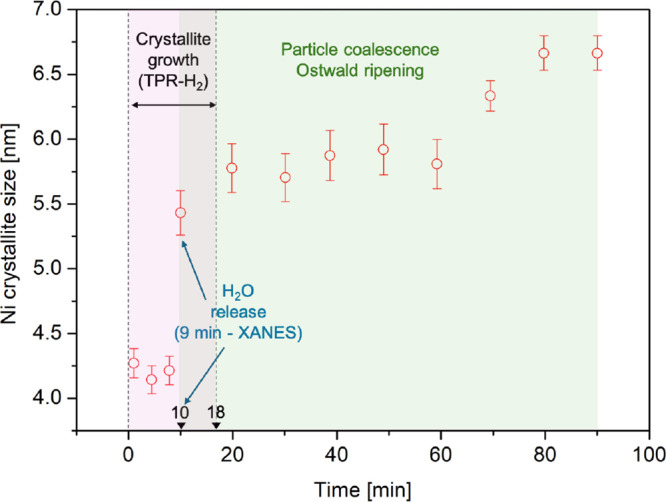 Figure 4
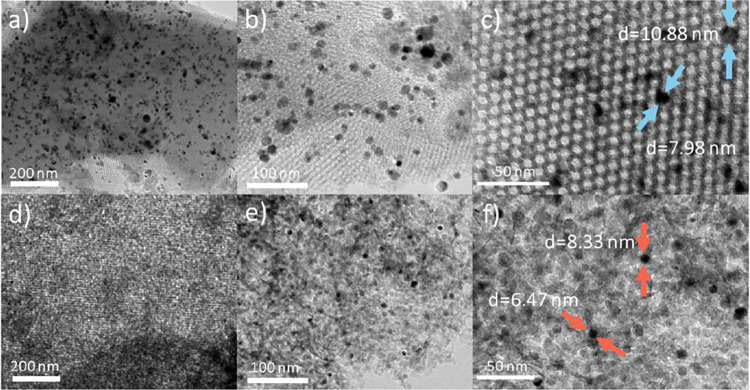 Figure 5
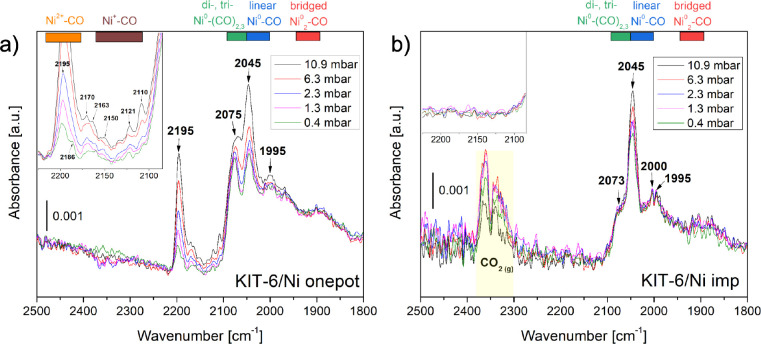 Figure 6
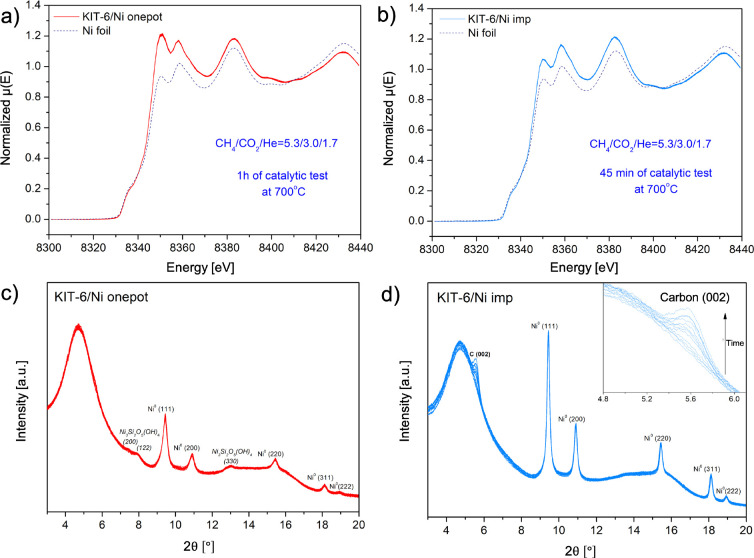 Figure 7
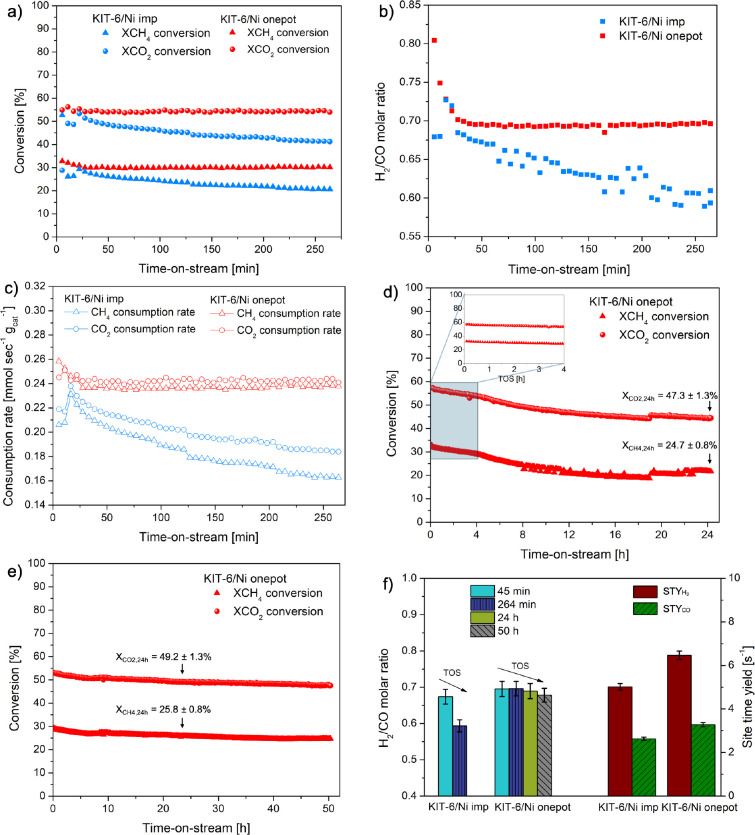 Figure 8
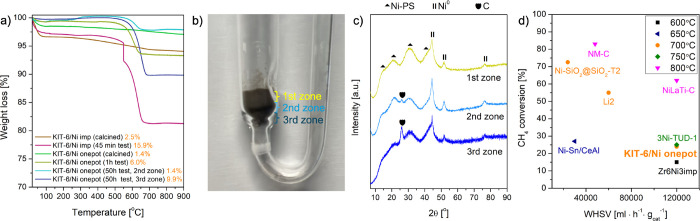 Figure 9
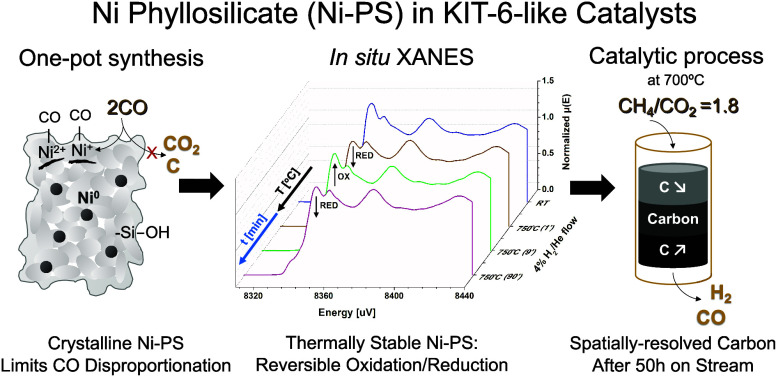 Figure 10
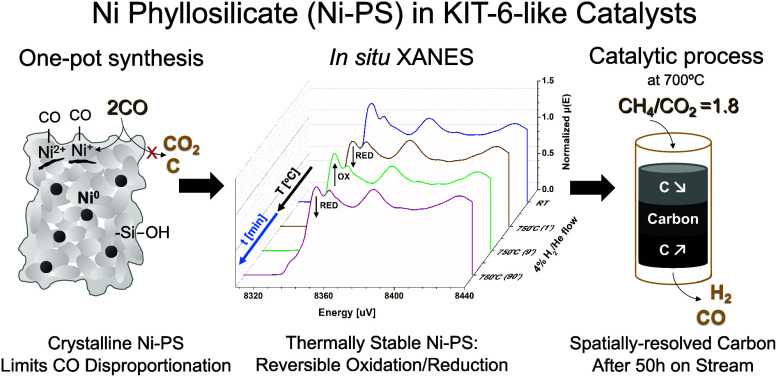 Figure 11
 Figure 12
 Figure 13
 Figure 14
 Figure 15
 Figure 16
 Figure 17
 Figure 18
Peer Reviews
No public reviews on file for this paper yet. If you reviewed it on a platform where reviews are public (OpenReview, ICLR, NeurIPS, ICML), you can paste yours below so the community can read it here.
Videos
No videos yet. Explain this paper in a talk, walkthrough, or lecture? Add one.
Taxonomy
TopicsCatalysts for Methane Reforming · Zeolite Catalysis and Synthesis · Catalysis for Biomass Conversion