Asymmetric Ring Opening of Oxabicyclic Alkenes: Enhanced Rhodium Catalysis Using Camphor-Derived NHC Ligands Featuring Pyridine Coordination
Daniel Kamzol, Wende Chen, René Wilhelm

TL;DR
This paper introduces a new rhodium catalyst that improves the efficiency and selectivity of a chemical reaction for making complex molecules.
Contribution
A novel chiral Rh(I) catalyst with pyridine coordination is developed for asymmetric ring opening reactions.
Findings
The catalyst achieved high product yields and enantioselectivity in asymmetric ring opening reactions.
It showed tolerance to various functional groups in nucleophiles, enhancing its synthetic utility.
A broader scope of bicyclic substrates was successfully tested with the catalytic system.
Abstract
The synthesis, characterization, and reactivity assessment of a chiral camphor-based Rh(I) catalyst functionalized with a pyridine moiety is presented. The catalytic system was evaluated in the asymmetric ring opening (ARO) of bicyclic alkene substrates, ensuring high product yields and enantioselectivity. While the primary focus was on the use of indoles as nucleophiles in the ARO reaction, a broader scope of bicyclic substrates was also explored. The catalyst demonstrated tolerance toward various functional groups present in the nucleophiles, underscoring its broad synthetic utility in asymmetric synthesis.
Genes, proteins, chemicals, diseases, species, mutations and cell lines named across the full text — each resolved to its canonical identifier and authoritative record.
Click any figure to enlarge with its caption.
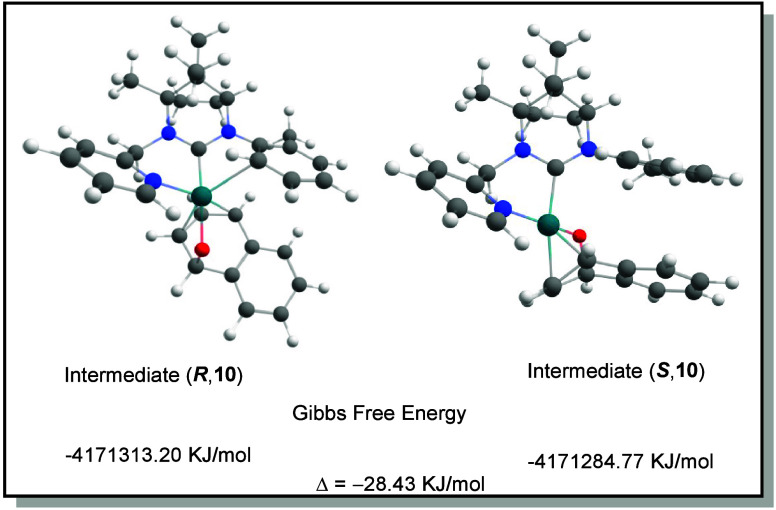 Figure 1
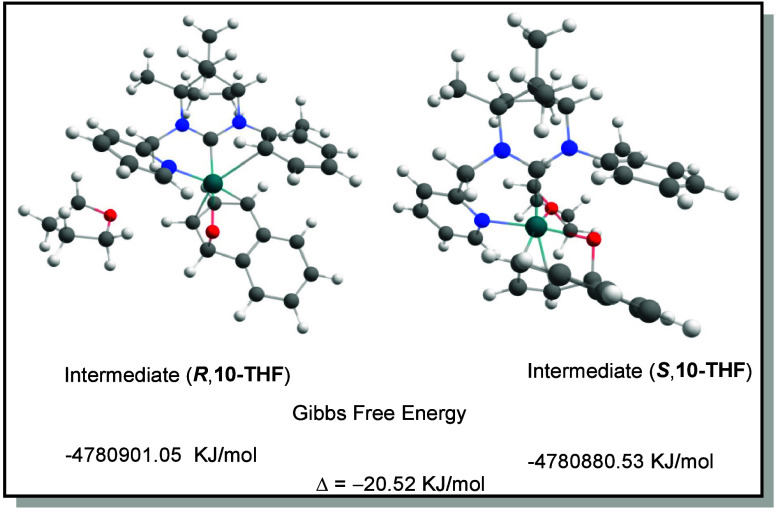 Figure 2
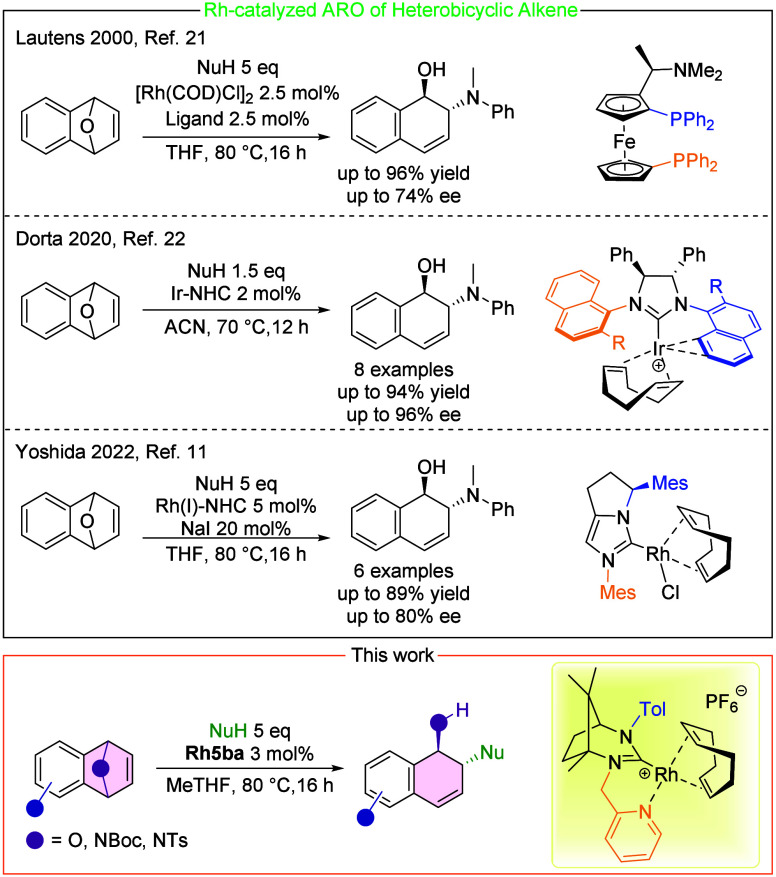 Figure 3
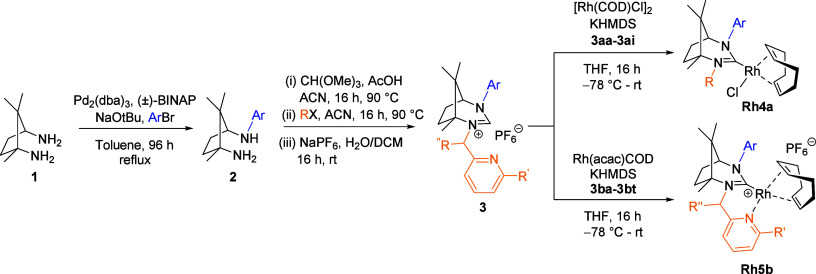 Figure 4
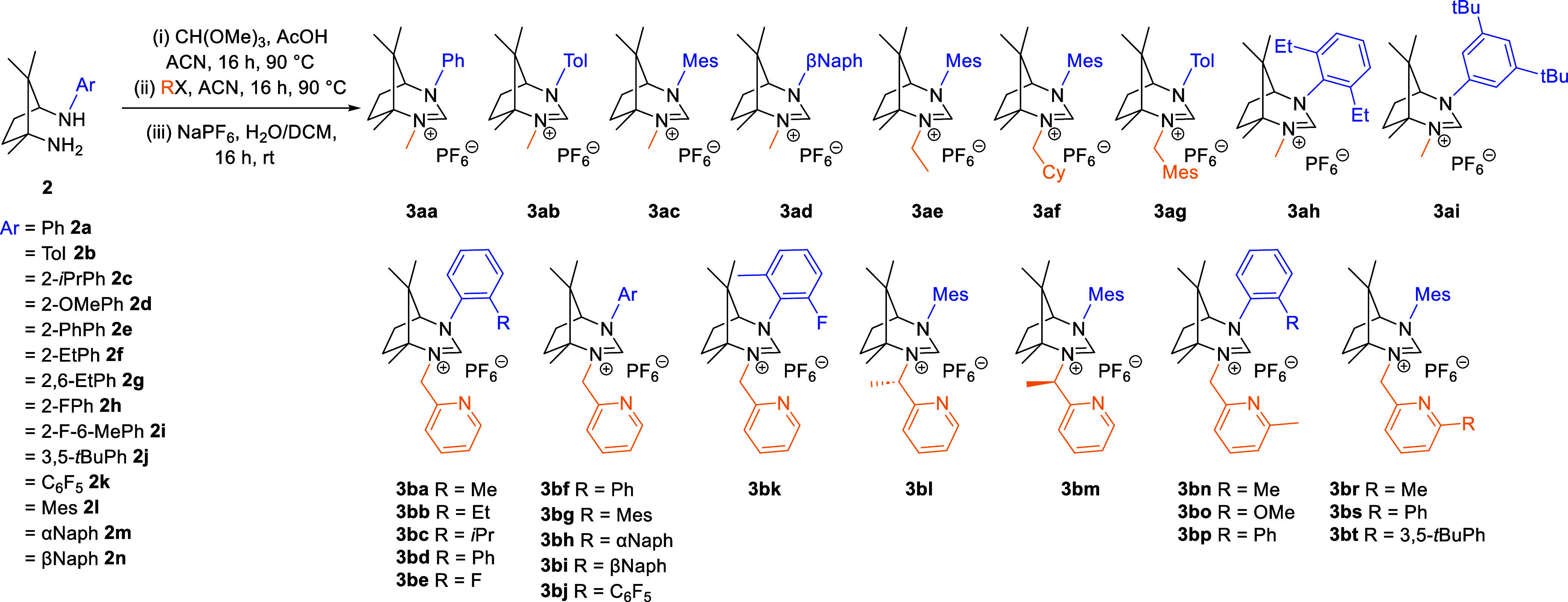 Figure 5
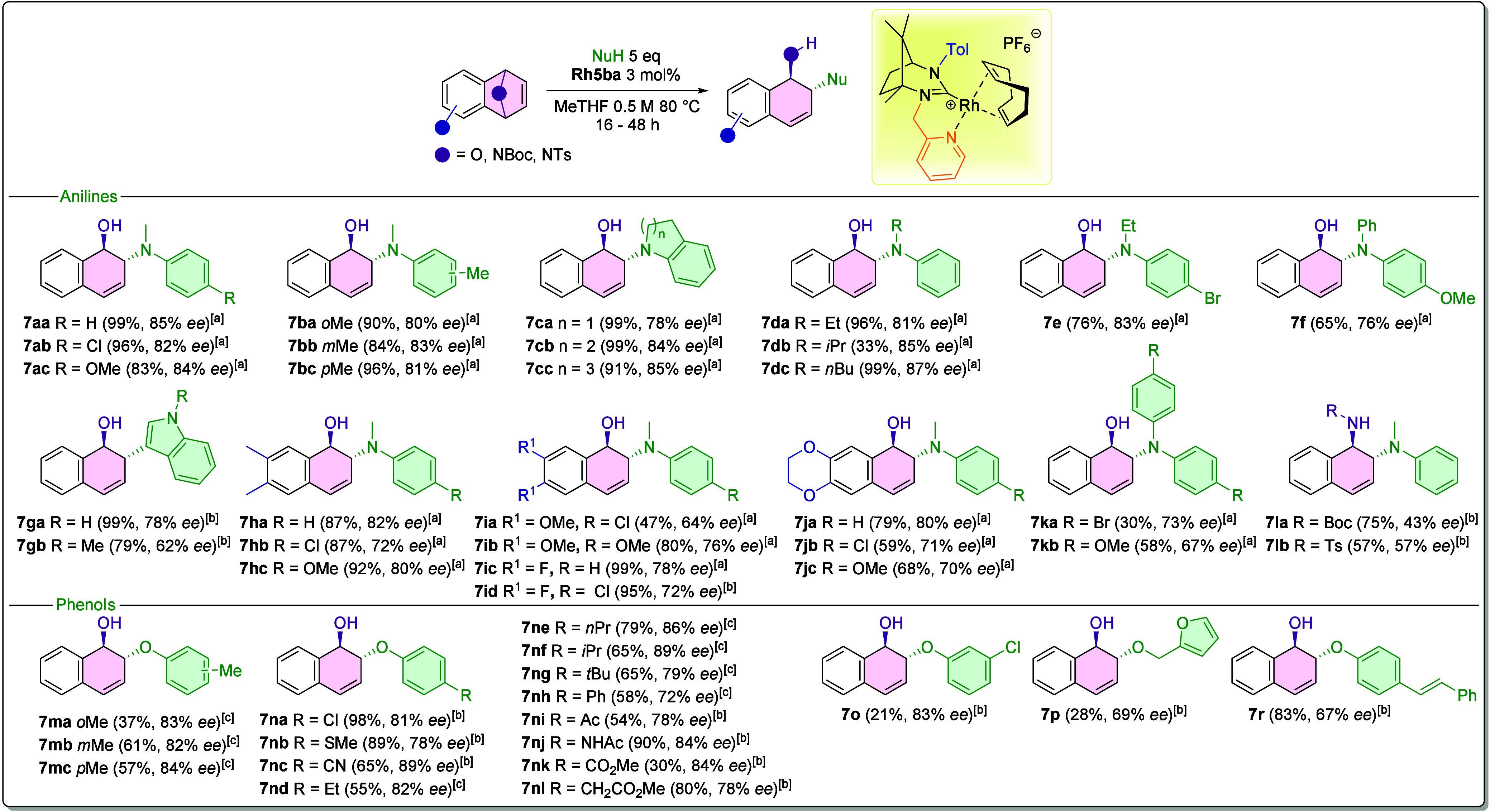 Figure 6
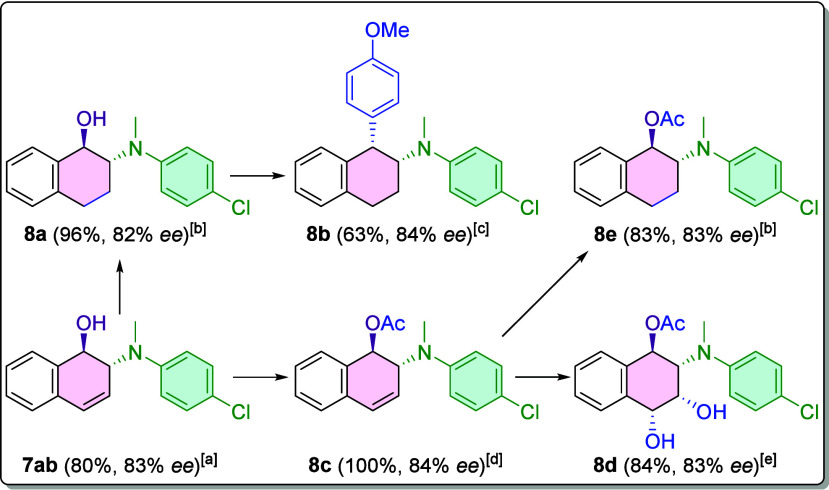 Figure 7
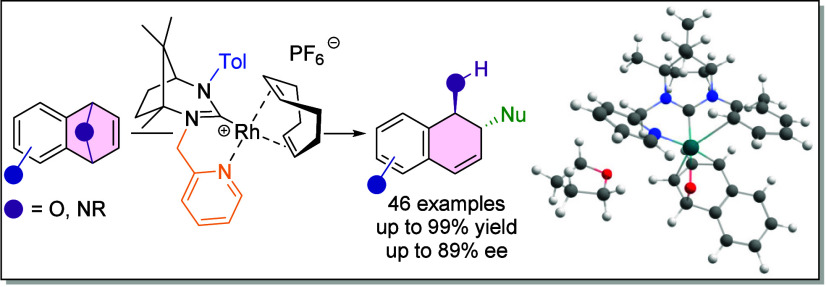 Figure 8
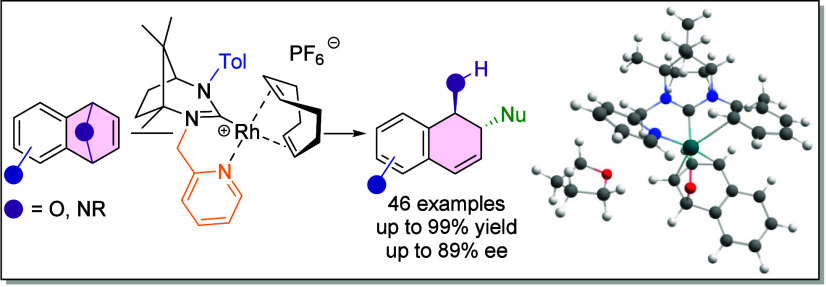 Figure 9
Peer Reviews
No public reviews on file for this paper yet. If you reviewed it on a platform where reviews are public (OpenReview, ICLR, NeurIPS, ICML), you can paste yours below so the community can read it here.
Videos
No videos yet. Explain this paper in a talk, walkthrough, or lecture? Add one.
Taxonomy
TopicsN-Heterocyclic Carbenes in Organic and Inorganic Chemistry · Asymmetric Hydrogenation and Catalysis · Catalytic Alkyne Reactions