Above-Filter Digestion Proteomics Reveals Drug Targets and Localizes Ligand Binding Site
Bohdana Sokolova, Hassan Gharibi, Maryam Jafari, Hezheng Lyu, Silvia Lovera, Massimiliano Gaetani, Amir Ata Saei, Roman A. Zubarev

TL;DR
A new proteomics method called AFDIP helps identify drug targets and locate where drugs bind to proteins, improving drug research and understanding.
Contribution
AFDIP introduces a novel proteomics approach that identifies drug targets and binding sites with higher resolution and broader coverage.
Findings
AFDIP identifies drug targets and binding sites within 10 Å of known locations with resolution ≤5 Å for larger proteins.
AFDIP offers simpler sample preparation and deeper proteome analysis compared to existing proteolysis methods.
AFDIP complements current techniques by addressing their blind spots and providing structural insights.
Abstract
Identifying how drugs interact with proteins is fundamental to understanding their therapeutic effects and side effects. While numerous chemical proteomics methods exist for determining protein targets of drugs, each exhibits “blind spots,” necessitating complementary approaches. We introduce Above-Filter Digestion Proteomics (AFDIP), which monitors trypsin digestion rates that decrease at ligand-binding sites, while potentially increasing elsewhere. Molecular dynamics simulations showed that these changes relate to backbone flexibility. Using AFDIP, we identified targets of various drugs and metabolites, allowing two-dimensional analysis with the drug concentration as the second dimension. The method identifies binding sites within ≤10 Å of crystallography-determined locations with improved resolution (≤5 Å) for larger proteins. Compared with existing proteolysis approaches, AFDIP…
Genes, proteins, chemicals, diseases, species, mutations and cell lines named across the full text — each resolved to its canonical identifier and authoritative record.
Click any figure to enlarge with its caption.
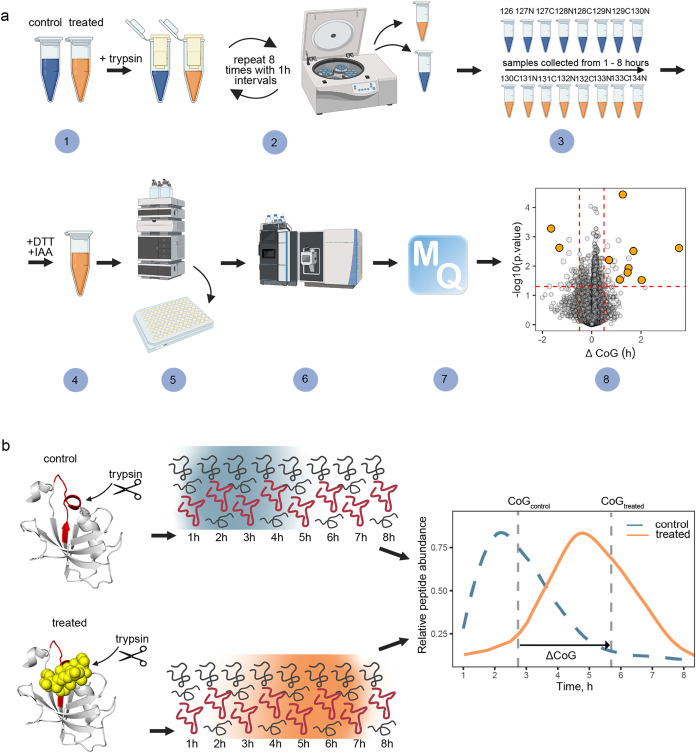 Figure 1
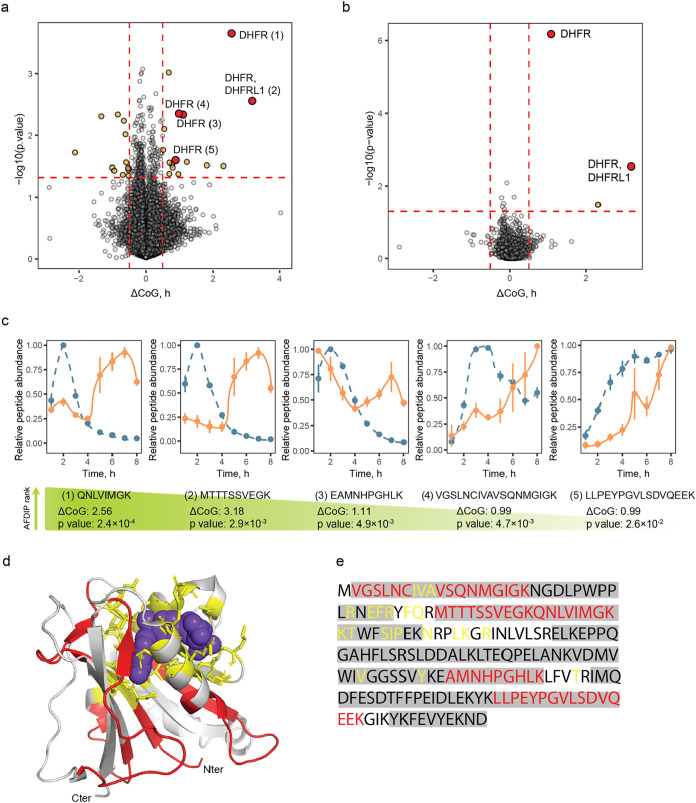 Figure 2
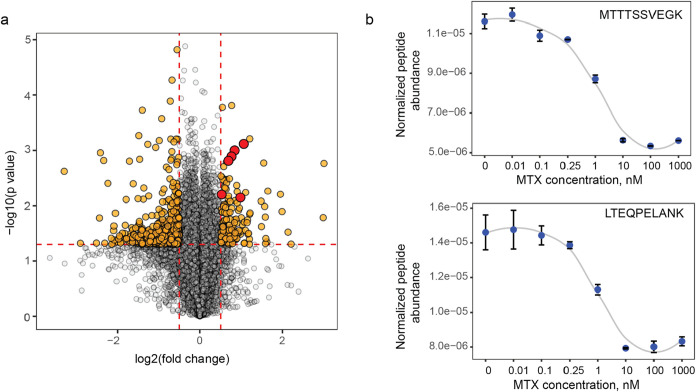 Figure 3
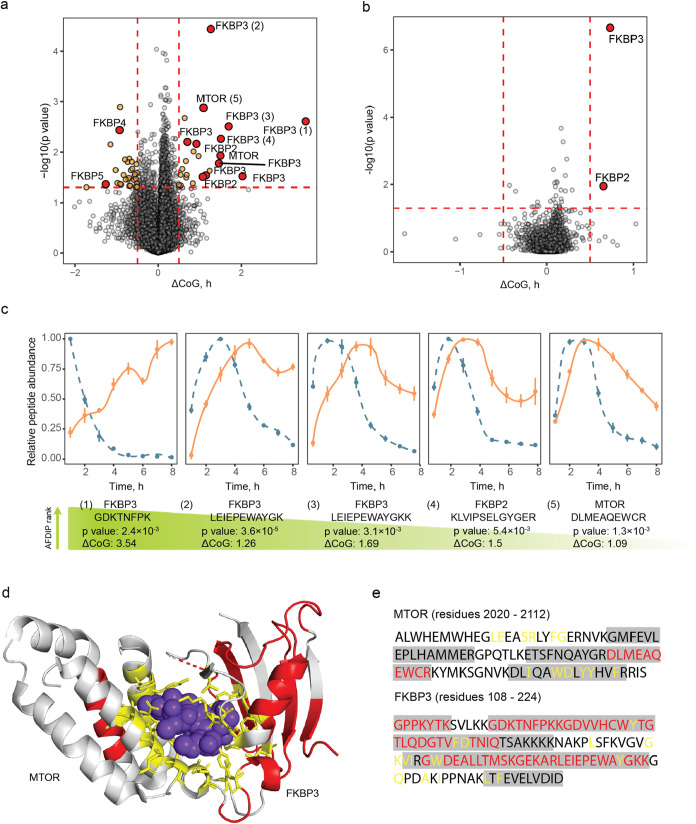 Figure 4
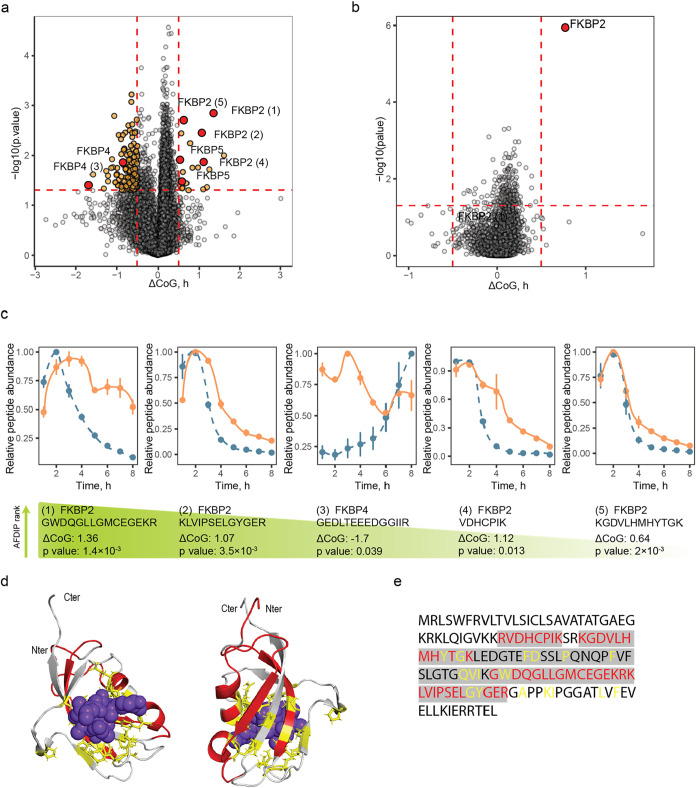 Figure 5
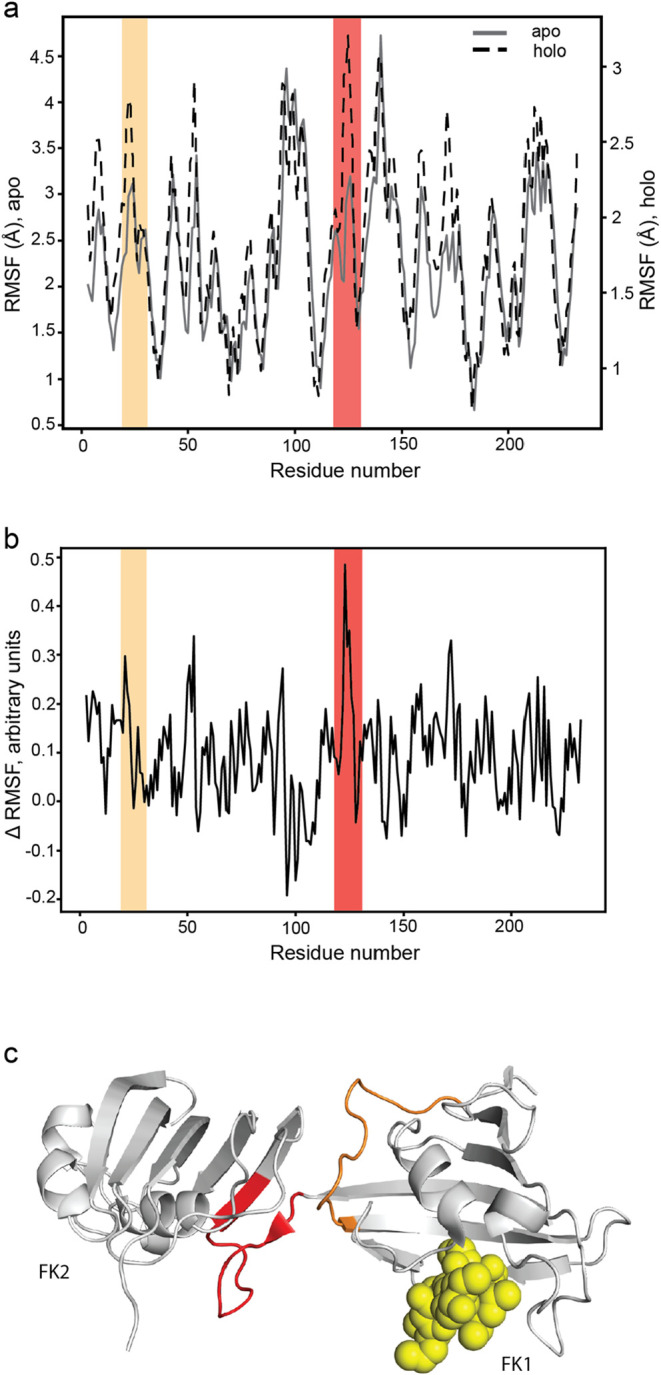 Figure 6
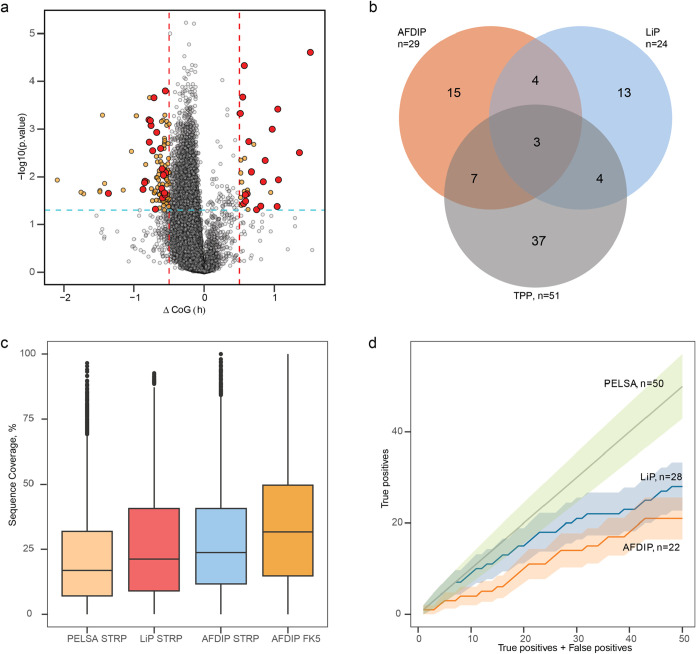 Figure 7
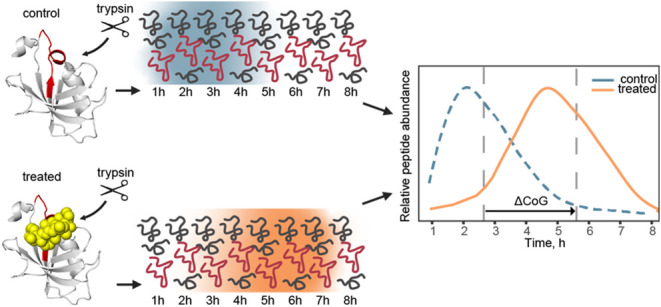 Figure 8
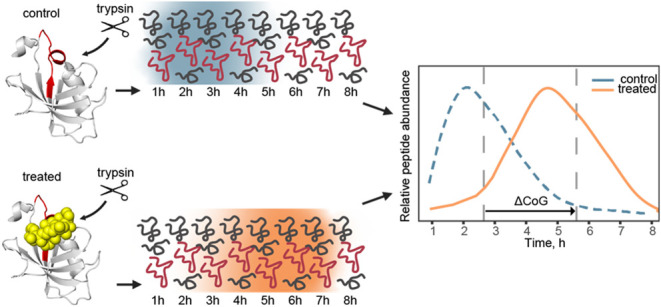 Figure 9
 Figure 10
 Figure 11
Peer Reviews
No public reviews on file for this paper yet. If you reviewed it on a platform where reviews are public (OpenReview, ICLR, NeurIPS, ICML), you can paste yours below so the community can read it here.
Videos
No videos yet. Explain this paper in a talk, walkthrough, or lecture? Add one.
Taxonomy
TopicsAdvanced Proteomics Techniques and Applications · Biochemical and Structural Characterization · Click Chemistry and Applications