From Formation to Failure: The Role of Hydrogen Peroxide in Proton Exchange Membrane Technologies
Tingting Mo, Christopher M. Zalitis, Colleen Jackson, Enrico Petrucco, Jonathan Sharman, Anthony R. J. Kucernak

TL;DR
This paper reviews how hydrogen peroxide harms proton exchange membrane technologies and explores ways to detect and mitigate its effects.
Contribution
The paper provides a systematic review of hydrogen peroxide's formation, detection, and mitigation in PEMFCs and PEMWEs.
Findings
Hydrogen peroxide degrades PEM components through reactive radicals, reducing device efficiency and lifespan.
Current detection methods for hydrogen peroxide are inadequate under real operating conditions.
Emerging catalytic strategies aim to suppress hydrogen peroxide-induced damage in PEM technologies.
Abstract
Hydrogen peroxide is a catalytic byproduct in proton exchange membrane fuel cells (PEMFCs) and proton exchange membrane water electrolyzers (PEMWEs). It may be produced as a side product of the electrochemical processes occurring at the cathode in PEMFCs, or at the anode in PEMWEs, or it may be produced due to gas crossover through either catalytic chemical or electrocatalytic processes. The challenge posed by H2O2 is its catalytic decomposition into highly reactive hydroxyl and peroxyl radicals, which trigger cascading degradation of critical components. This degradation directly compromises device efficiency and shortens the lifespan, representing a limiting factor in the durability of PEMFCs and PEMWEs. However, existing methods for detecting and quantifying in situ H2O2 generation are limited in their ability to accurately reflect real operating conditions (e.g., high current…
Genes, proteins, chemicals, diseases, species, mutations and cell lines named across the full text — each resolved to its canonical identifier and authoritative record.
Click any figure to enlarge with its caption.
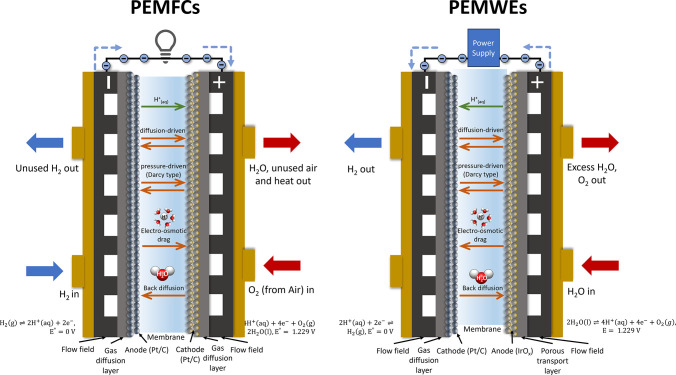 Figure 1
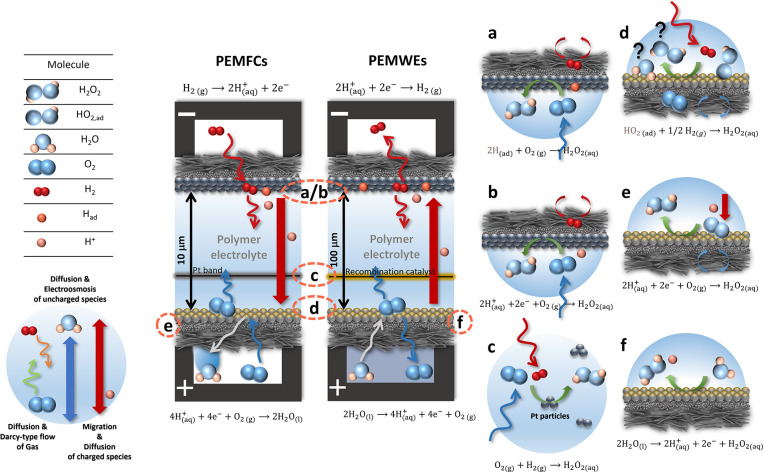 Figure 2
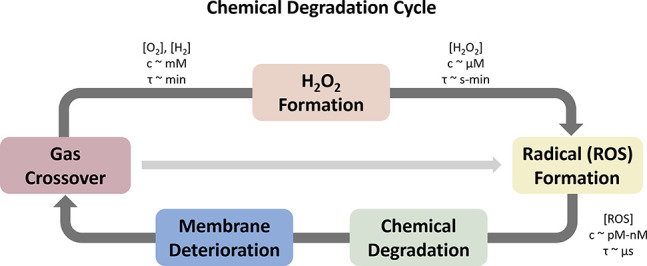 Figure 3
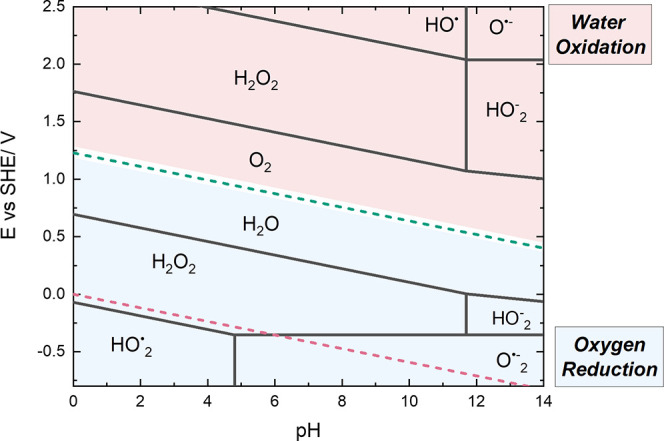 Figure 4
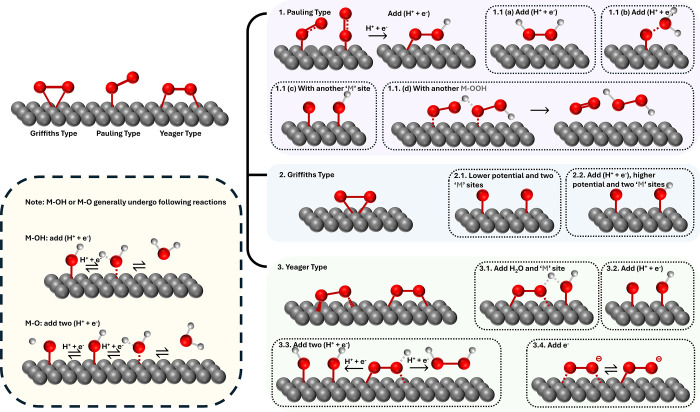 Figure 5
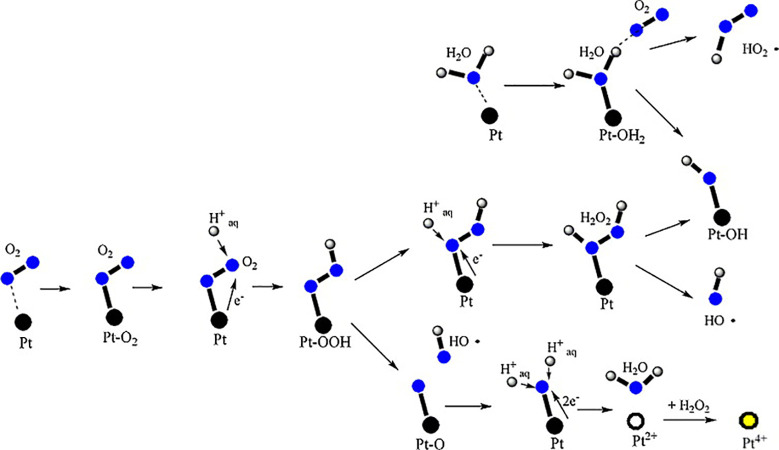 Figure 6
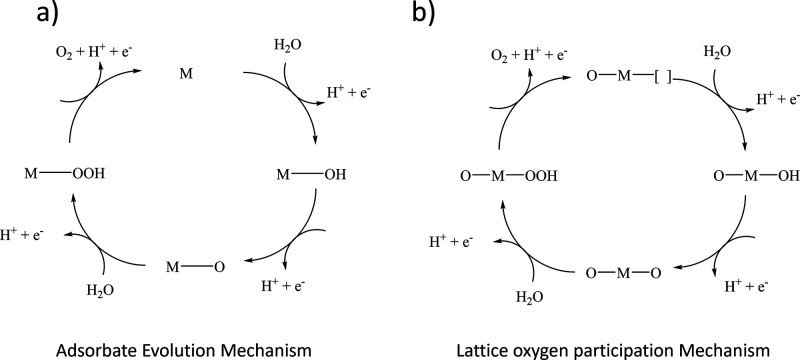 Figure 7
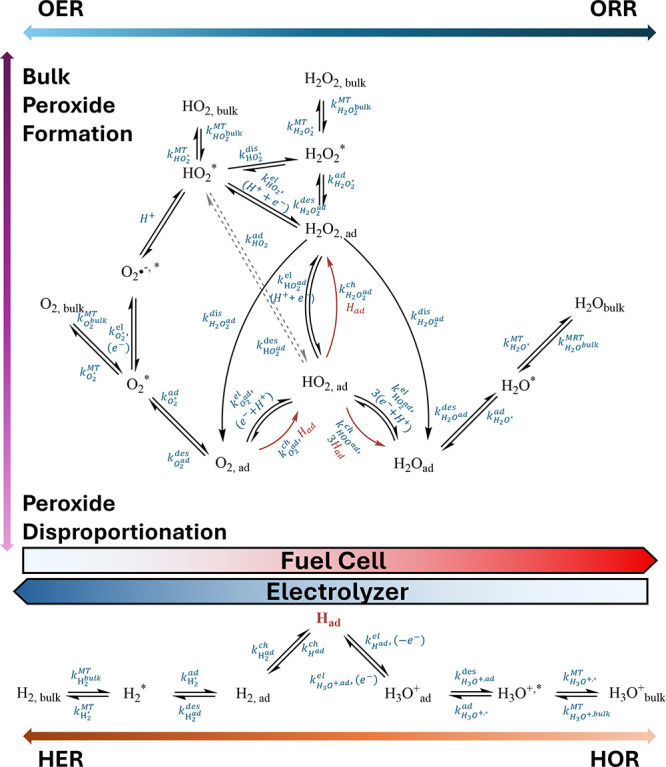 Figure 8
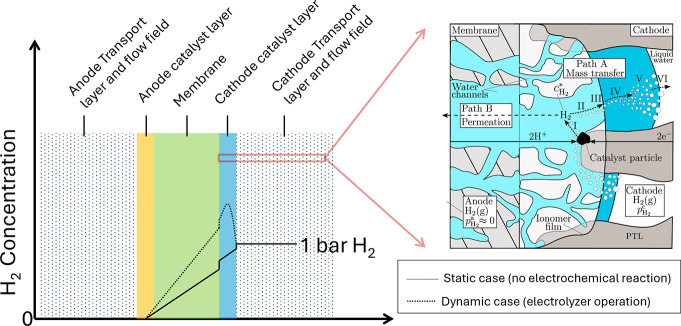 Figure 9
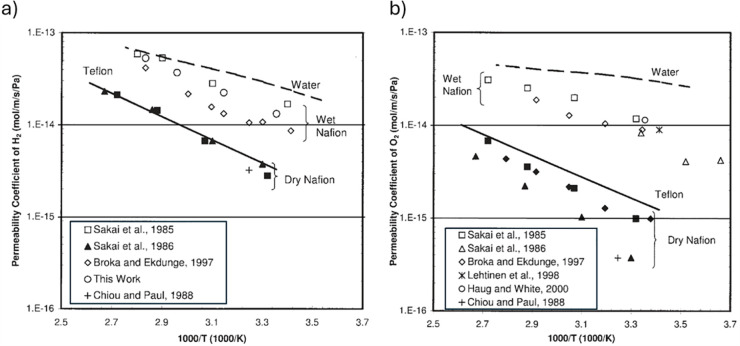 Figure 10
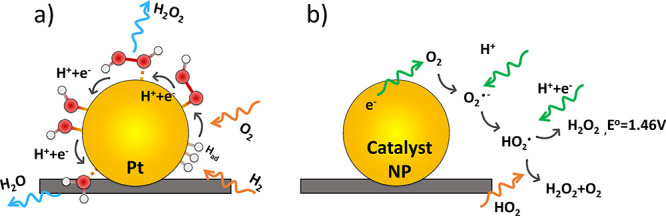 Figure 11
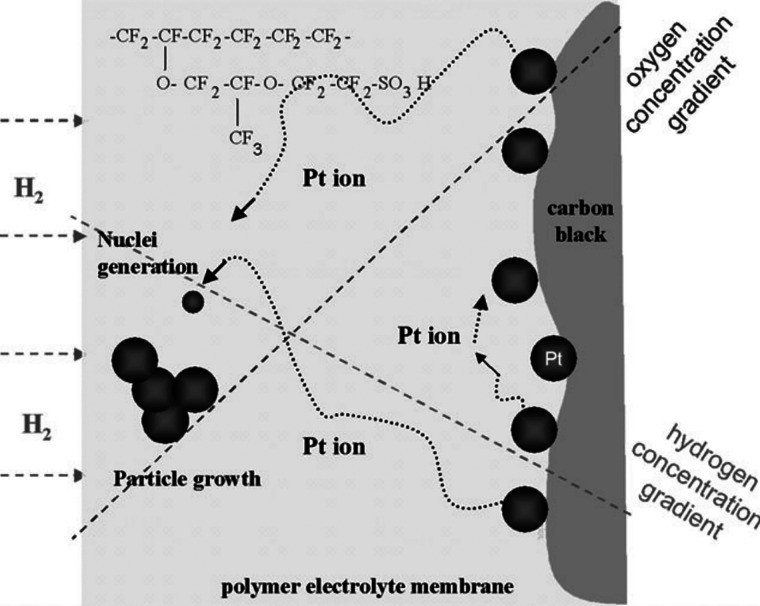 Figure 12
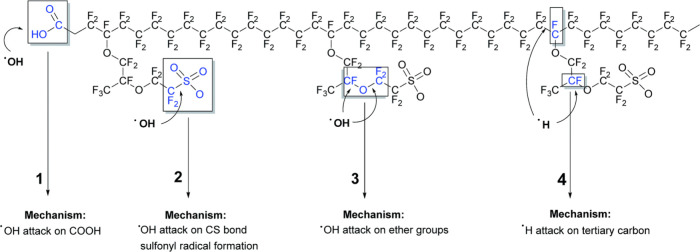 Figure 13
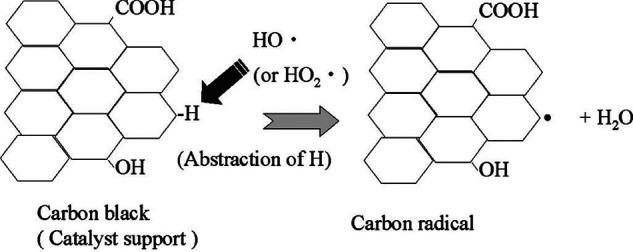 Figure 14
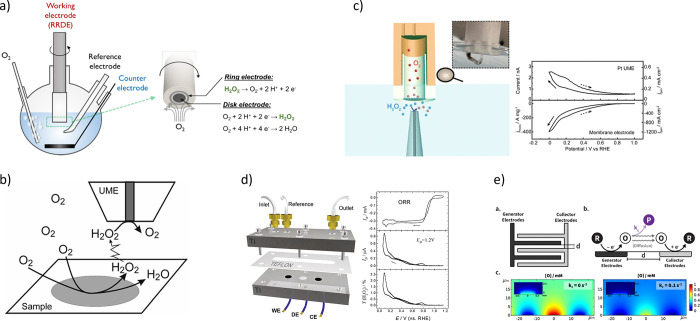 Figure 15
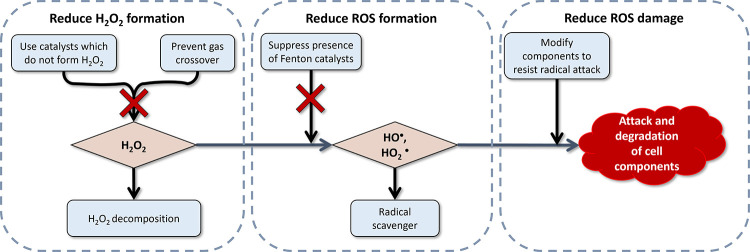 Figure 16
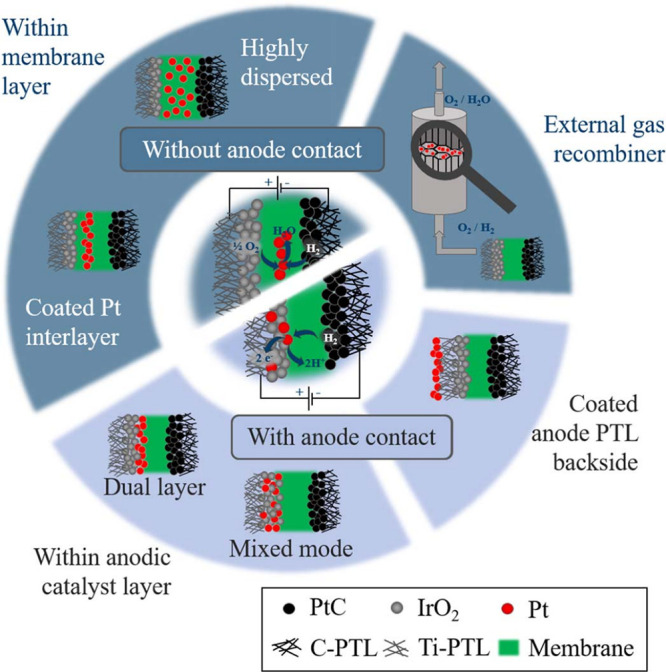 Figure 17
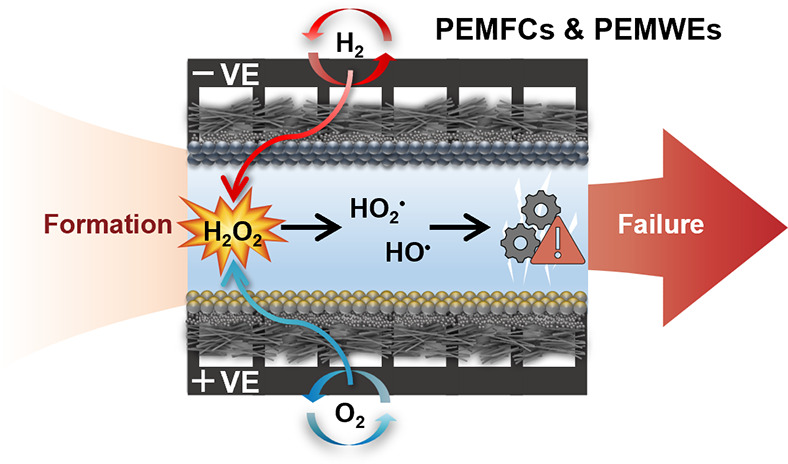 Figure 18
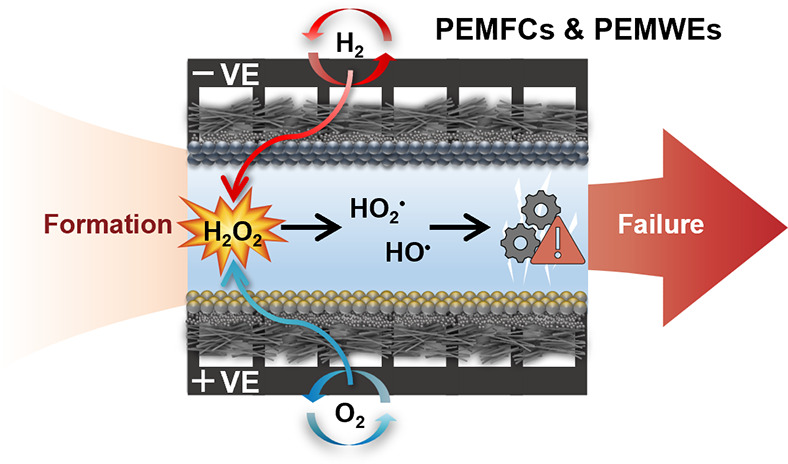 Figure 19
 Figure 20
 Figure 21
 Figure 22
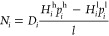 Figure 23
 Figure 24
 Figure 25
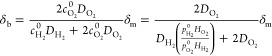 Figure 26
 Figure 27
 Figure 28
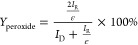 Figure 29
 Figure 30
 Figure 31
Peer Reviews
No public reviews on file for this paper yet. If you reviewed it on a platform where reviews are public (OpenReview, ICLR, NeurIPS, ICML), you can paste yours below so the community can read it here.
Videos
No videos yet. Explain this paper in a talk, walkthrough, or lecture? Add one.
Taxonomy
TopicsFuel Cells and Related Materials · Advanced battery technologies research · Membrane-based Ion Separation Techniques