Sensitivity of simulated ammonia fluxes in Rocky Mountain National Park to measurement time resolution and meteorological inputs
Lillian E. Naimie, Da Pan, Amy P. Sullivan, John T. Walker, Aleksandra Djurkovic, Bret A. Schichtel, Jeffrey L. Collett

TL;DR
The study examines how measurement frequency and meteorological data affect simulated ammonia fluxes in a subalpine forest in Rocky Mountain National Park.
Contribution
The paper introduces a correction method for underestimation in ammonia dry deposition estimates due to low-resolution data.
Findings
Biweekly NH3 measurements underestimated dry deposition by 45% compared to high-resolution data.
Applying a diel concentration pattern to biweekly data corrected the low bias in deposition estimates.
Reanalysis meteorology led to double the annual NH3 dry deposition compared to in situ measurements.
Abstract
Gaseous ammonia (NH3) is an important precursor for secondary aerosol formation and contributes to reactive nitrogen deposition. NH3 dry deposition is poorly quantified due to the complex bidirectional nature of NH3 atmosphere-surface exchange and lack of high time-resolution in situ NH3 concentration and meteorological measurements. To better quantify NH3 dry deposition, measurements of NH3 were made above a subalpine forest canopy in Rocky Mountain National Park (RMNP) and used with in situ micrometeorology to simulate bidirectional fluxes. NH3 dry deposition was largest during the summer, with 47 % of annual net NH3 dry deposition occurring in June, July, and August. Because in situ, high time-resolution concentration and meteorological data are often unavailable, the impacts on estimated deposition from utilizing more commonly available biweekly NH3 measurements and ERA5 meteorology…
Genes, proteins, chemicals, diseases, species, mutations and cell lines named across the full text — each resolved to its canonical identifier and authoritative record.
Click any figure to enlarge with its caption.
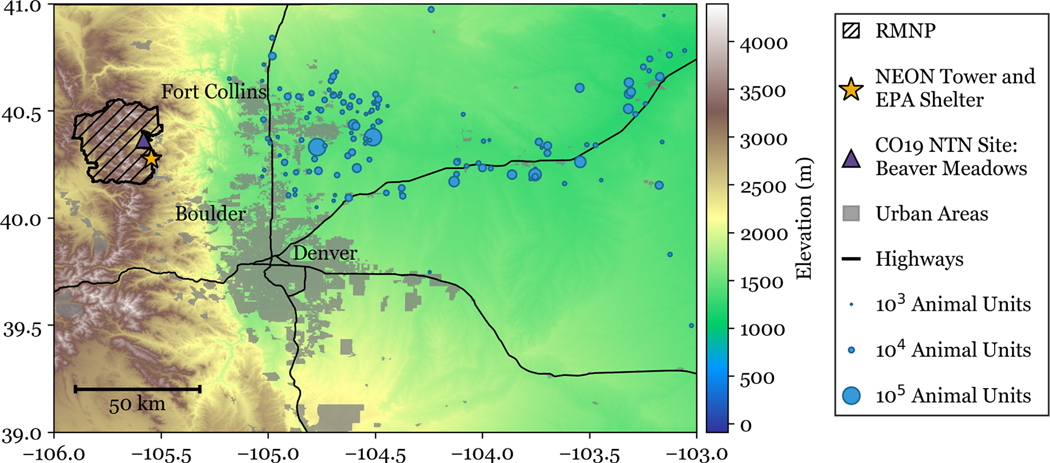 Figure 1
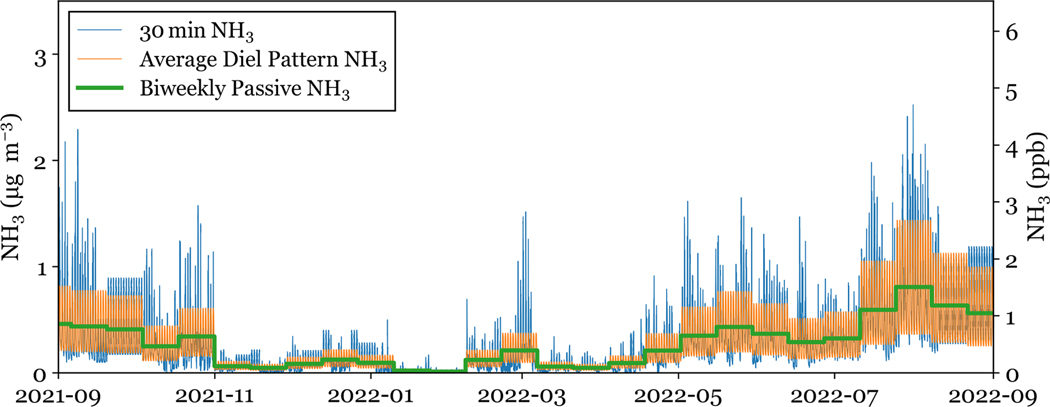 Figure 2
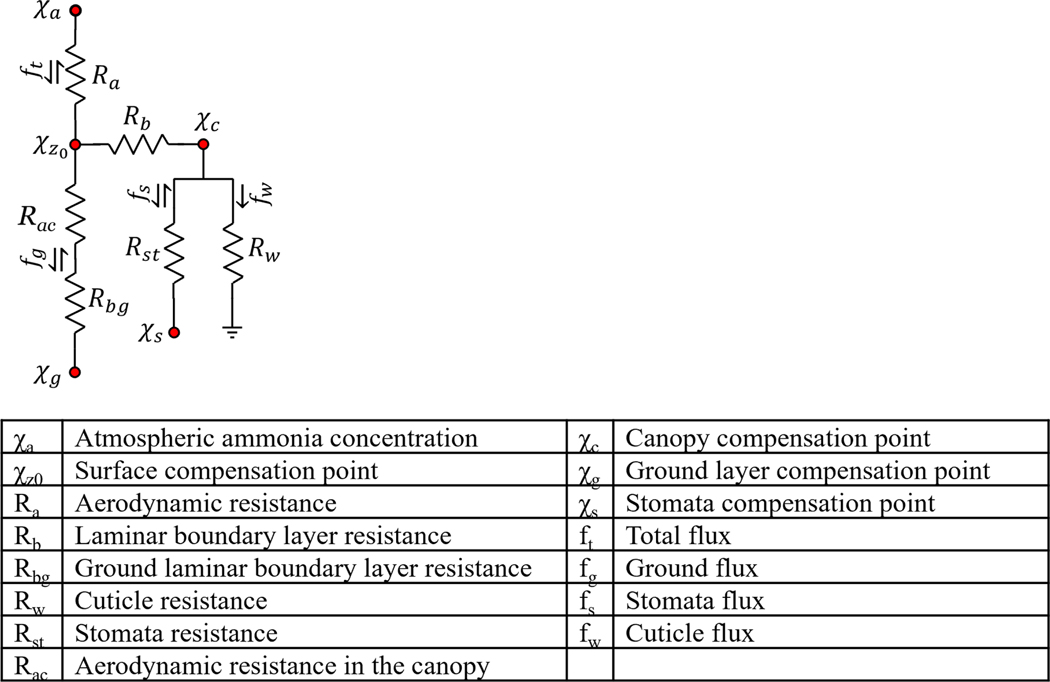 Figure 3
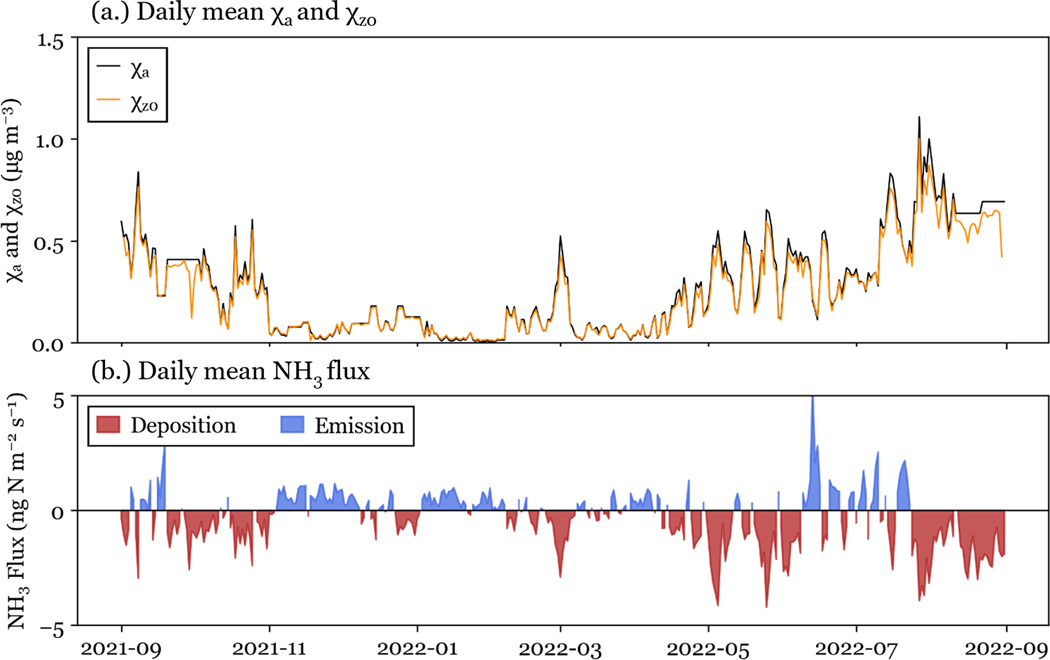 Figure 4
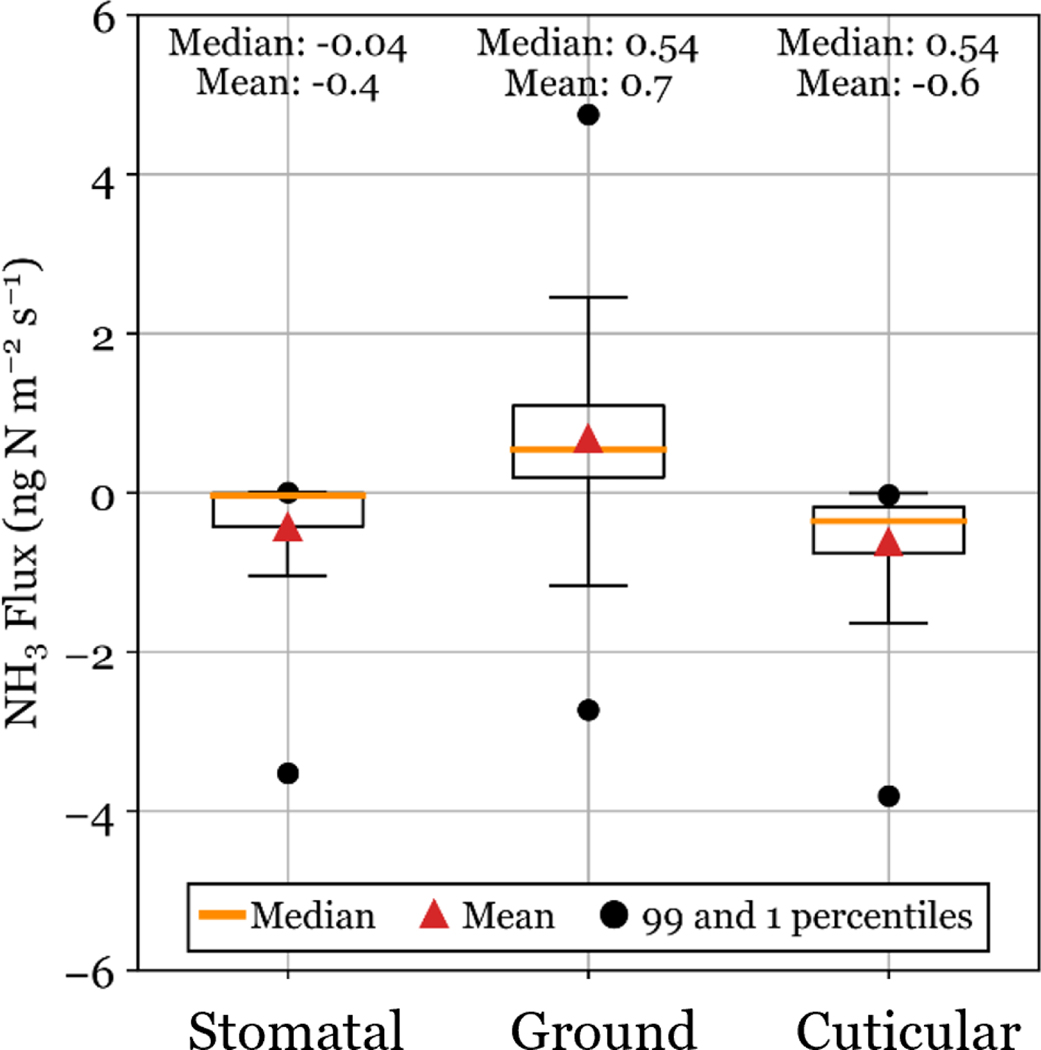 Figure 5
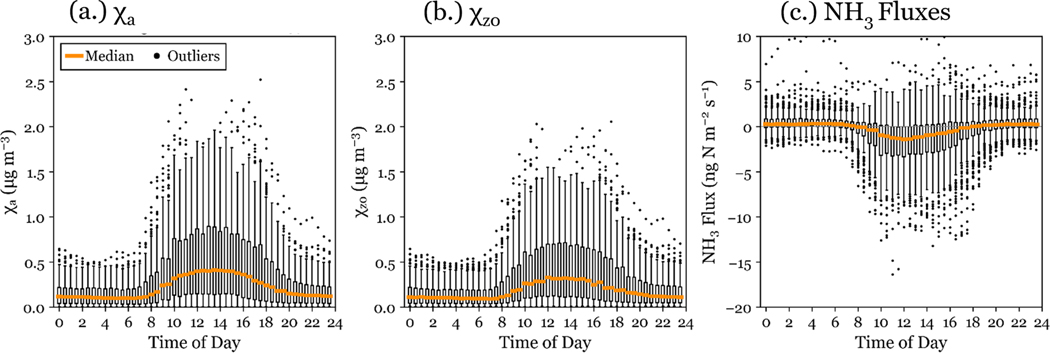 Figure 6
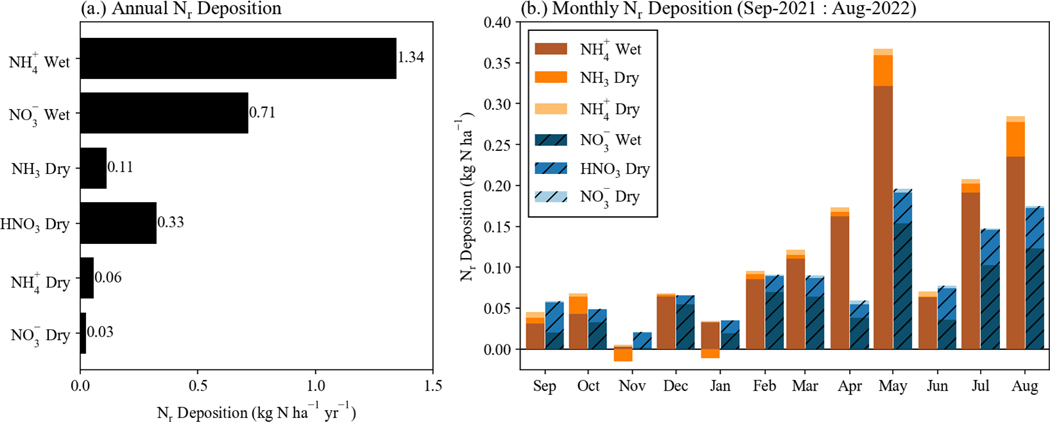 Figure 7
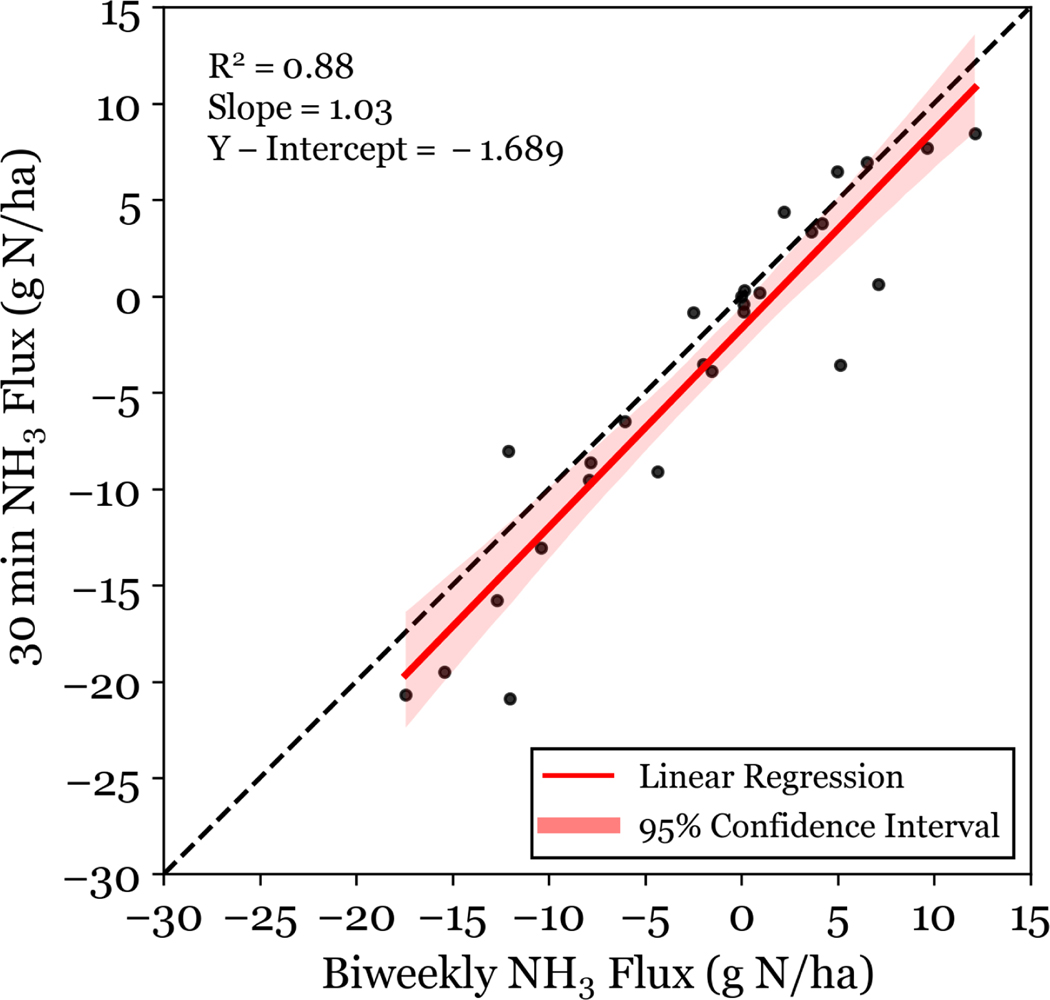 Figure 8
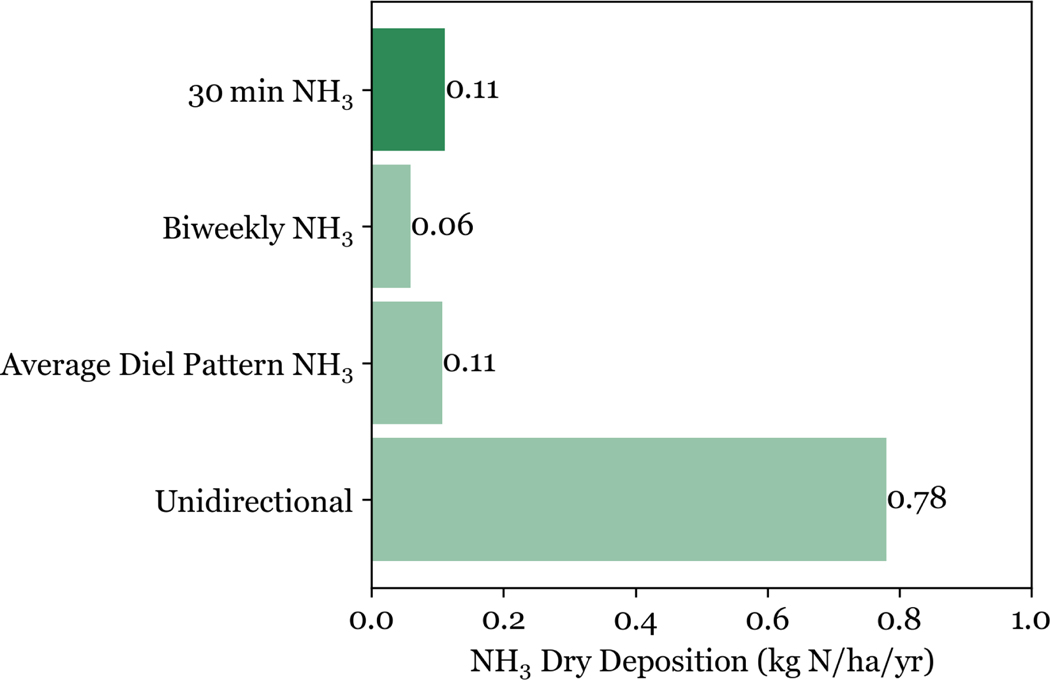 Figure 9
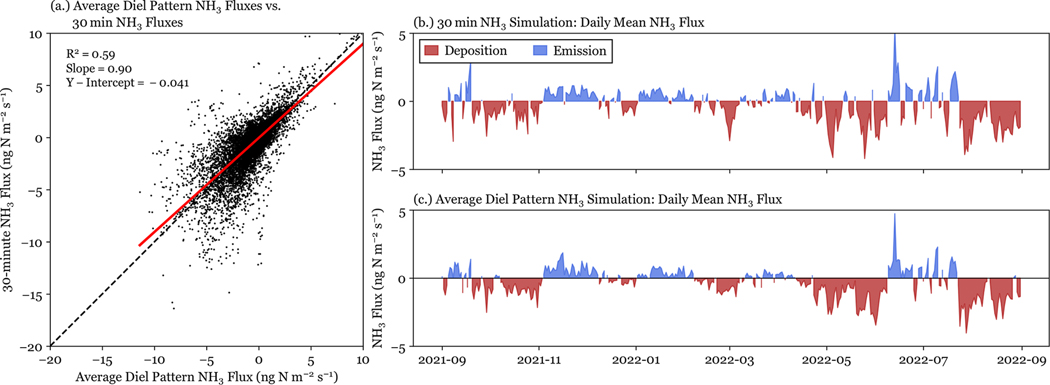 Figure 10
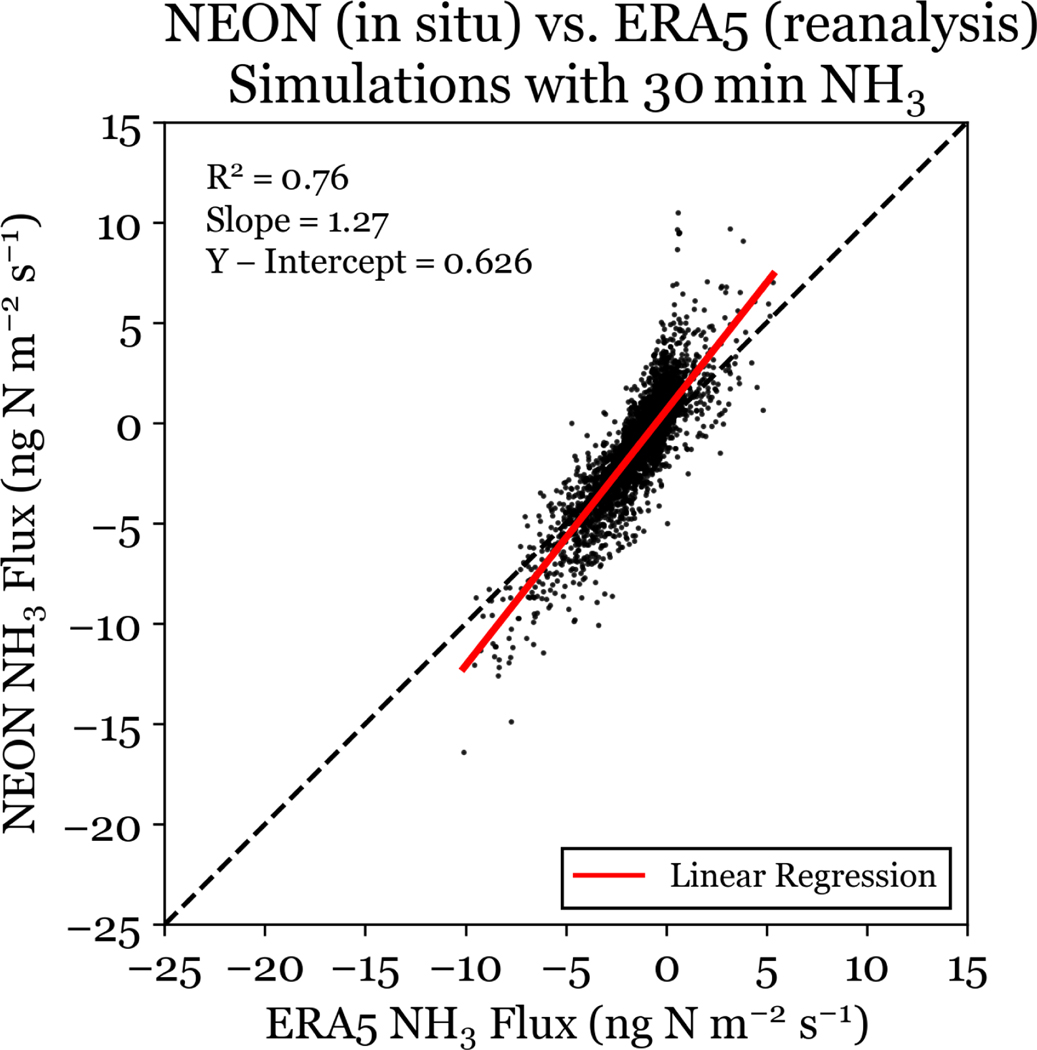 Figure 11
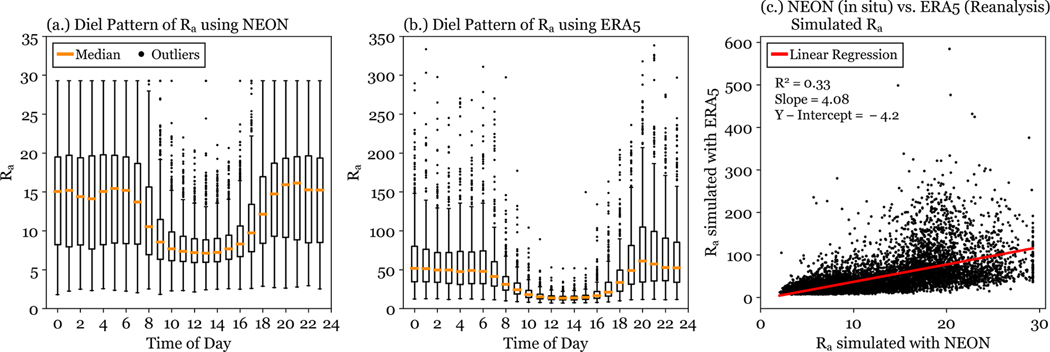 Figure 12
Peer Reviews
No public reviews on file for this paper yet. If you reviewed it on a platform where reviews are public (OpenReview, ICLR, NeurIPS, ICML), you can paste yours below so the community can read it here.
Videos
No videos yet. Explain this paper in a talk, walkthrough, or lecture? Add one.
Taxonomy
TopicsAtmospheric chemistry and aerosols · Plant responses to elevated CO2 · Atmospheric and Environmental Gas Dynamics