A CD40-targeting peptide, OPT501, modulates inflammation in canine diabetes mellitus improving clinical outcomes
Gisela M. Vaitaitis, Dan M. Waid, Christina Sharkey, Steve Sharkey, Tracy L. Webb, Craig Webb, David H. Wagner

TL;DR
A CD40-targeting peptide, OPT501, reduces inflammation and improves diabetes management in dogs, suggesting potential for human type 1 diabetes.
Contribution
OPT501 is a novel CD40-targeting peptide that modulates inflammation in CDM without the side effects of antibody-based therapies.
Findings
OPT501 reduced pathogenic Th40 cells and systemic inflammation in CDM dogs.
Treatment improved blood glucose regulation and lowered insulin requirements.
OPT501 increased plasma C-peptide, indicating preserved beta cell function.
Abstract
The etiology of Canine Diabetes Mellitus (CDM) is poorly understood but findings like increased CD3+CD4+CD40+ pathogenic effector T cells (Th40 cells), support an autoimmune contribution. Despite insulin supplementation and possible residual C-peptide in CDM, many dogs remain severely dysglycemic, with weight loss, cataracts, and chronic and recurrent infections. In human and murine autoimmune disease, CD40-CD154 acts as a prominent inflammation driver but targeting that interaction, and others, with antibodies has been plagued by complications such as thrombotic emboli or immunosuppression. We developed small peptides that target CD40 and that are not accompanied by the side effects attributed to antibodies. In mice, such a peptide prevented and reversed type 1 diabetes. We utilized a CD40-targeting peptide, OPT501, to treat CDM dogs via an intravenous or subcutaneous route and…
Genes, proteins, chemicals, diseases, species, mutations and cell lines named across the full text — each resolved to its canonical identifier and authoritative record.
Click any figure to enlarge with its caption.
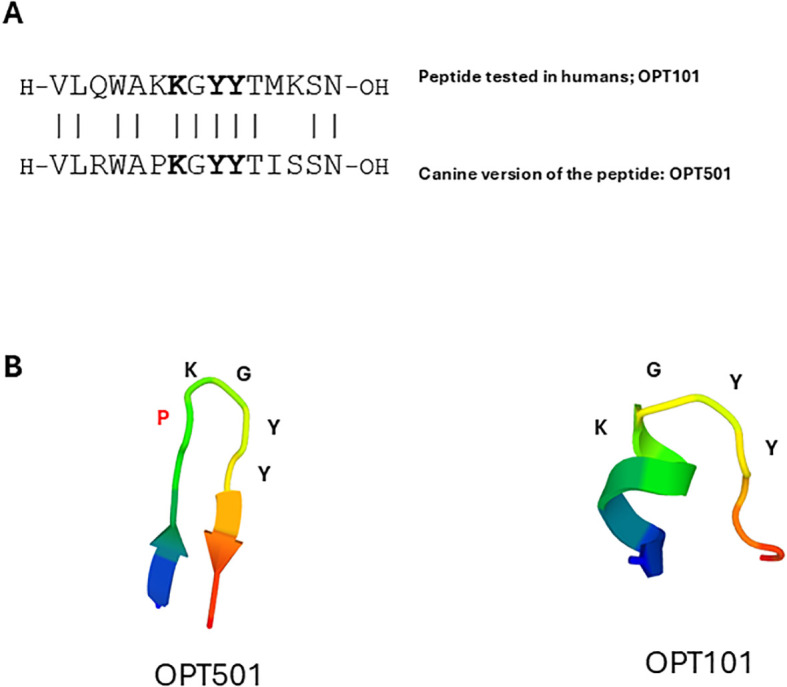 Figure 1
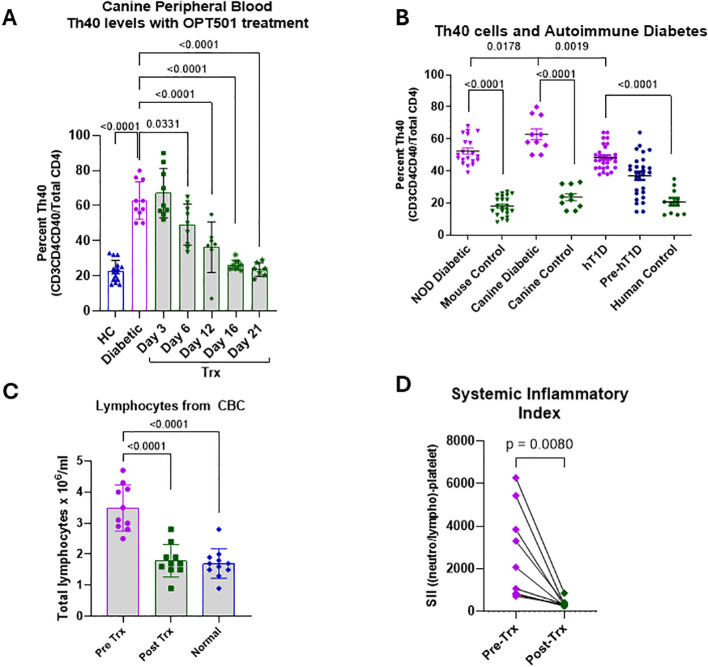 Figure 2
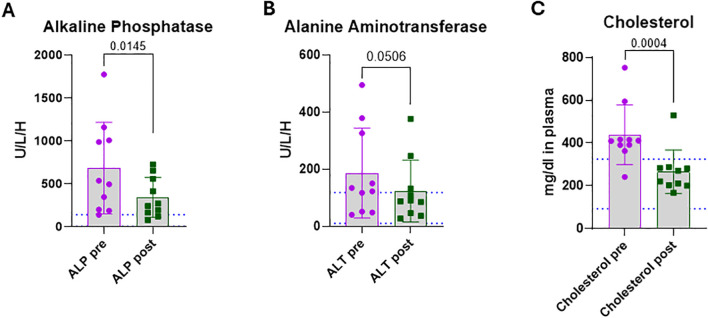 Figure 3
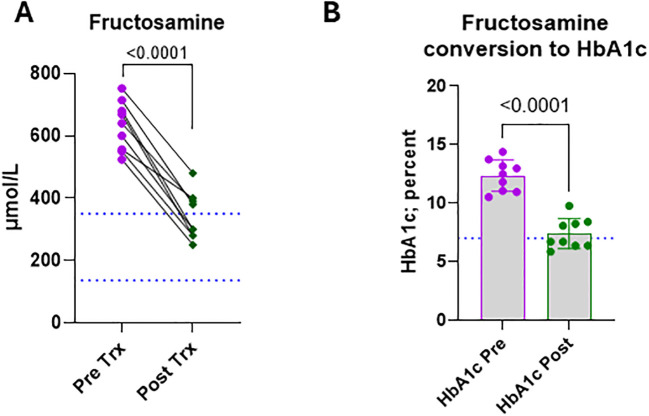 Figure 4
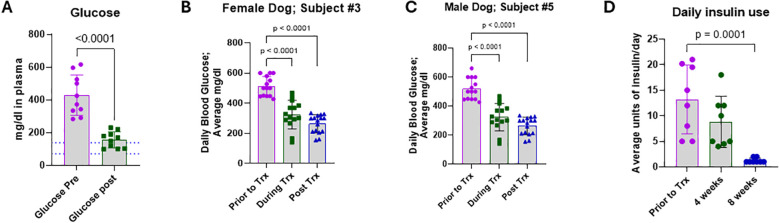 Figure 5
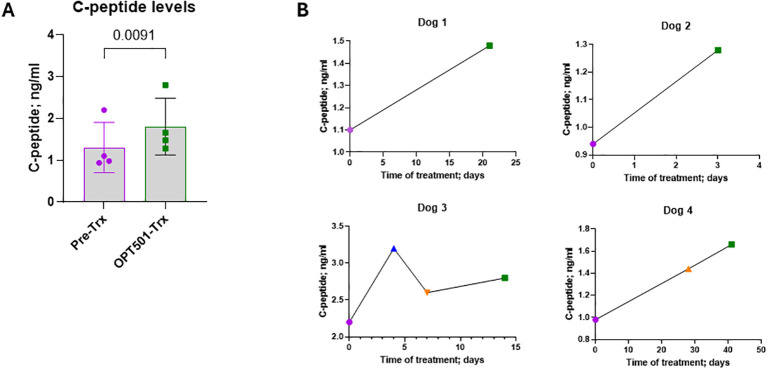 Figure 6
Peer Reviews
No public reviews on file for this paper yet. If you reviewed it on a platform where reviews are public (OpenReview, ICLR, NeurIPS, ICML), you can paste yours below so the community can read it here.
Videos
No videos yet. Explain this paper in a talk, walkthrough, or lecture? Add one.
Taxonomy
TopicsDiabetes and associated disorders · T-cell and B-cell Immunology · Advanced Glycation End Products research