The impact of dietary inflammation index on benign prostatic hyperplasia: insights from patient data and animal models
Jingwei Ke, Sheng Wang, Xinyang Liao, Youliang Qian, Hai Tang, Xing Liu

TL;DR
This study shows that pro-inflammatory diets may cause benign prostatic hyperplasia through systemic and local inflammation, while anti-inflammatory diets may help prevent it.
Contribution
The study provides causal evidence linking dietary inflammation to BPH using population data, genetic analysis, and animal experiments.
Findings
Higher dietary inflammation index scores were associated with increased BPH risk in human data.
Anti-inflammatory diets reduced prostate inflammation and preserved glandular structure in rats.
Genetic analysis confirmed a causal link between anti-inflammatory diets and lower BPH risk.
Abstract
Benign prostatic hyperplasia (BPH) is a common chronic condition among elderly males, typically manifesting as lower urinary tract symptoms (LUTS), including increased urinary frequency, urgency, nocturia, urinary stream splitting, and dysuria. Previous reports have indicated a potential association between dietary habits and BPH; however, the specific causal relationship between dietary factors and prostatic hyperplasia remains unclear. Therefore, this study aimed to investigate the potential causal relationship between the dietary inflammation index (DII) and BPH through a cross-sectional cohort analysis, two-sample Mendelian randomization (TS-MR), and complementary animal experiments. DII and BPH were defined using data from the National Health and Nutrition Examination Survey (NHANES), and their association was investigated. We then used TS-MR to screen nine dietary preferences and…
Genes, proteins, chemicals, diseases, species, mutations and cell lines named across the full text — each resolved to its canonical identifier and authoritative record.
Click any figure to enlarge with its caption.
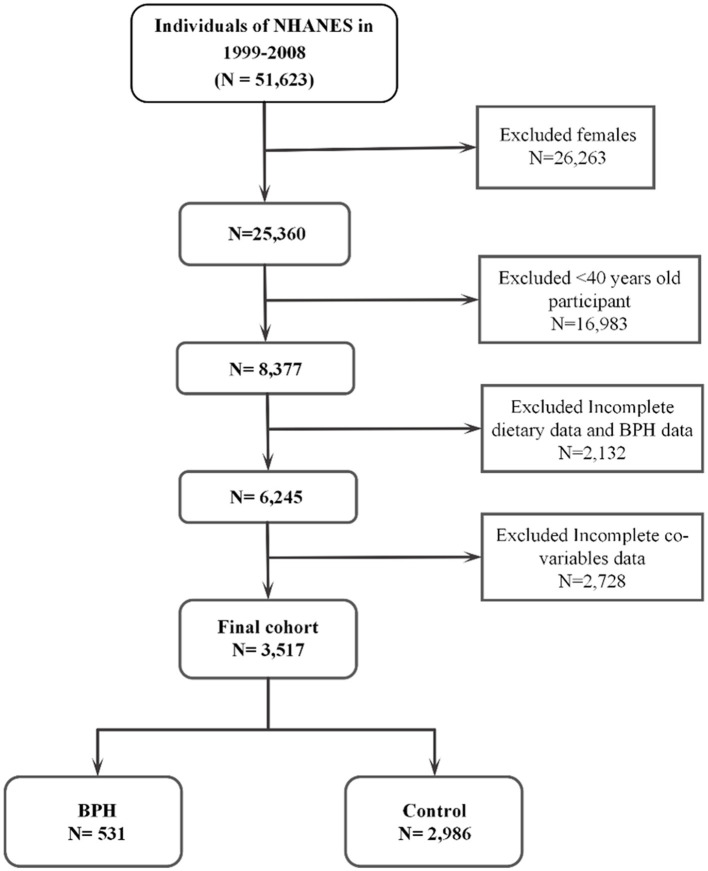 Figure 1
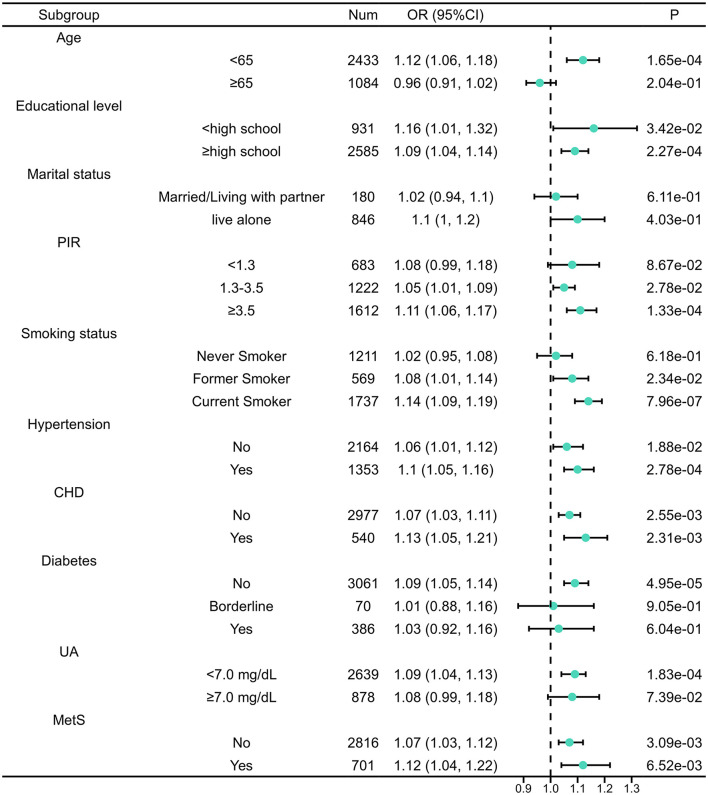 Figure 2
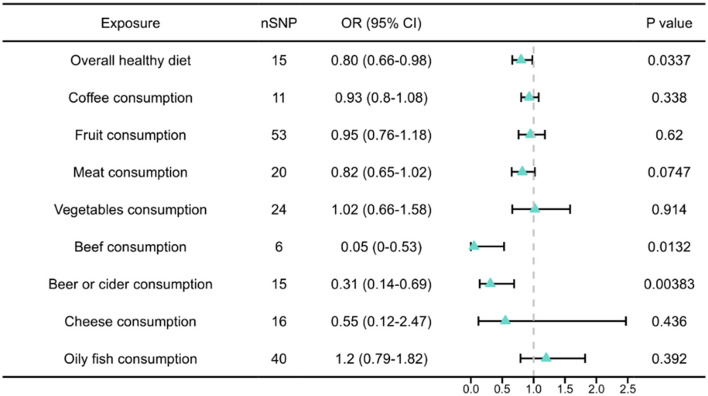 Figure 3
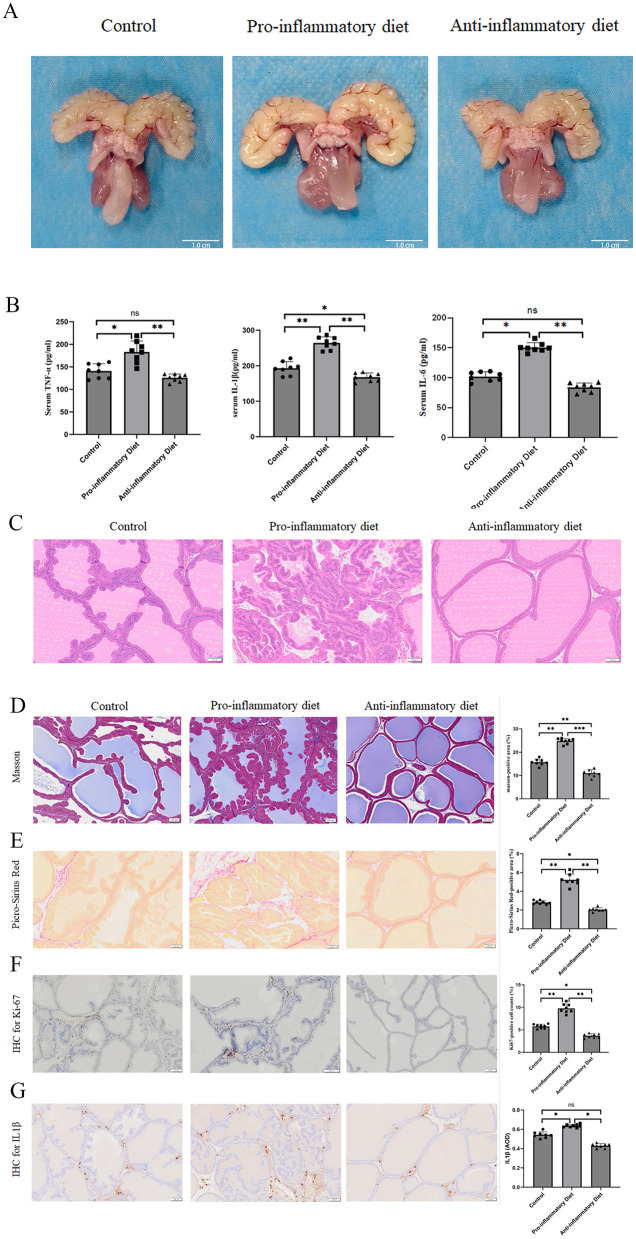 Figure 4
Peer Reviews
No public reviews on file for this paper yet. If you reviewed it on a platform where reviews are public (OpenReview, ICLR, NeurIPS, ICML), you can paste yours below so the community can read it here.
Videos
No videos yet. Explain this paper in a talk, walkthrough, or lecture? Add one.
Taxonomy
TopicsUrinary Bladder and Prostate Research · Prostate Cancer Diagnosis and Treatment · Sexual function and dysfunction studies