Long-term variability of air quality and greenhouse gas emissions from rice crop burning in Punjab during 2012–2020
Harsimranjit Kaur Romana, Dericks Praise Shukla, Ramesh P. Singh

TL;DR
This study examines how rice crop burning in Punjab, India, has affected air quality and greenhouse gas emissions from 2012 to 2020.
Contribution
The paper provides a comprehensive, spatially resolved, multi-pollutant emission inventory for crop residue burning in Punjab from 2000 to 2020.
Findings
Rice cultivation in Punjab expanded significantly, leading to increased residue burning and emissions.
The Malwa region is a major multi-pollutant hotspot, with strong statistical links between fire counts and emissions.
Scenario-based projections suggest continued high residue burning could worsen air quality in central and south-western districts by 2040.
Abstract
Punjab, India's primary rice and wheat production hub, has witnessed rapid expansion of paddy cultivation over the past two decades, driven by minimum support price incentives, changes in government policies, alignment of sowing with the monsoon season and the adoption of high-yielding varieties. This transition has intensified groundwater extraction and shortened the fallow period between rabi and kharif crop seasons, reducing the window between rice harvesting and wheat sowing, leading to widespread open-field burning of rice residue and recurrent post-monsoon air-quality deterioration across the Indo-Gangetic Plain. Despite numerous short-term or single-pollutant assessments, a spatially resolved, multi-pollutant and multi-decadal evaluation linking crop production, fire activity, satellite observations, and future emission trajectories remains limited. In this work, we presented a…
Genes, proteins, chemicals, diseases, species, mutations and cell lines named across the full text — each resolved to its canonical identifier and authoritative record.
Click any figure to enlarge with its caption.
 Figure 1
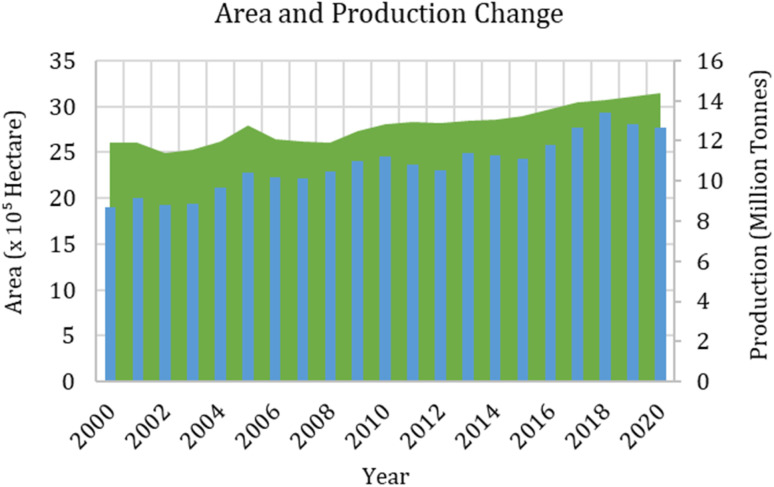 Figure 2
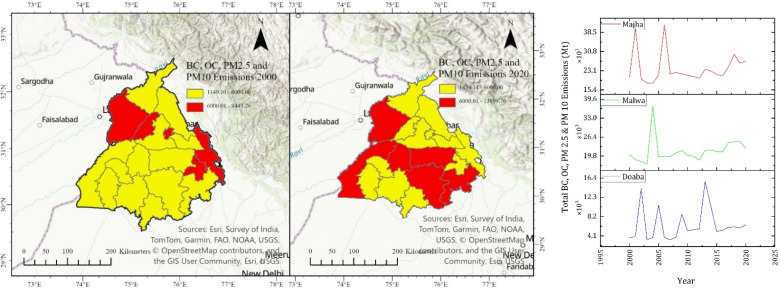 Figure 3
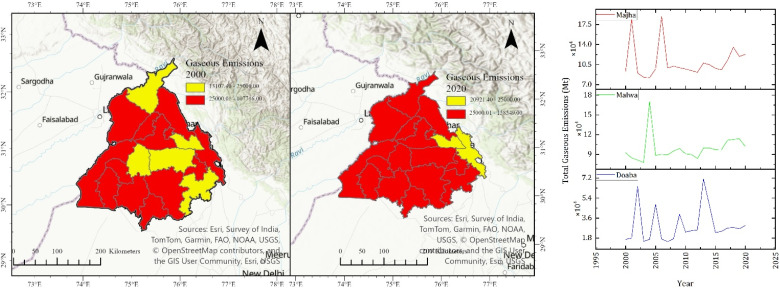 Figure 4
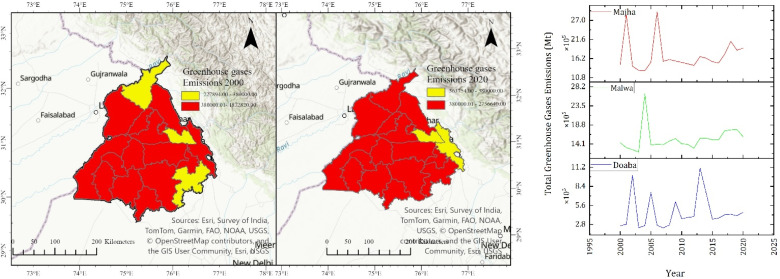 Figure 5
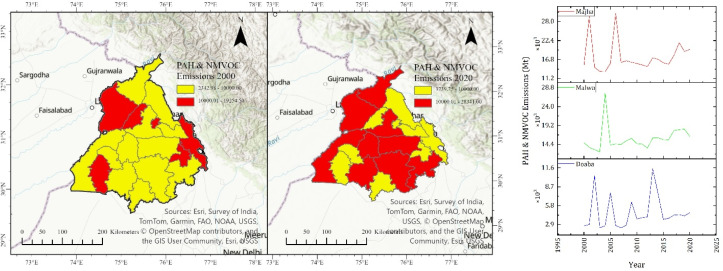 Figure 6
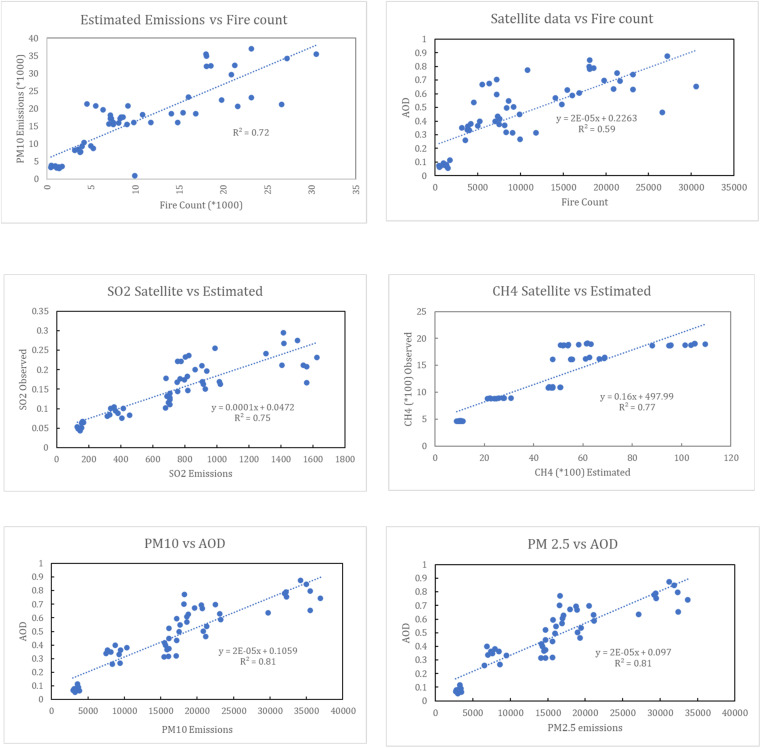 Figure 7
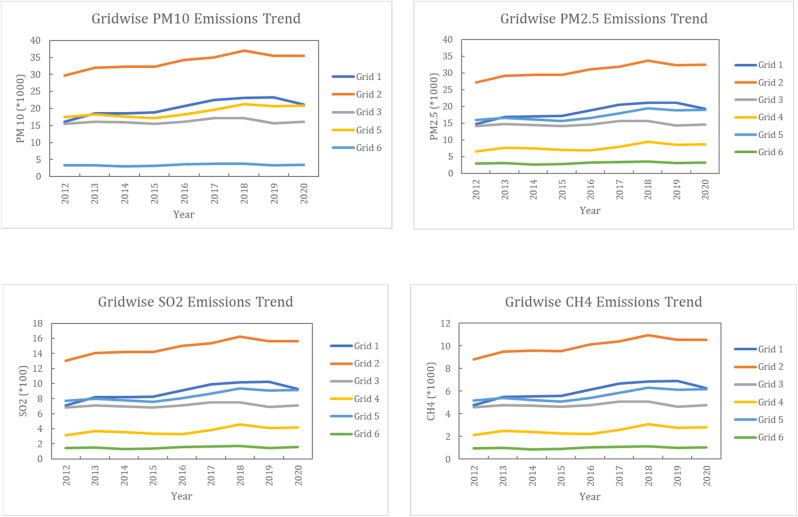 Figure 8
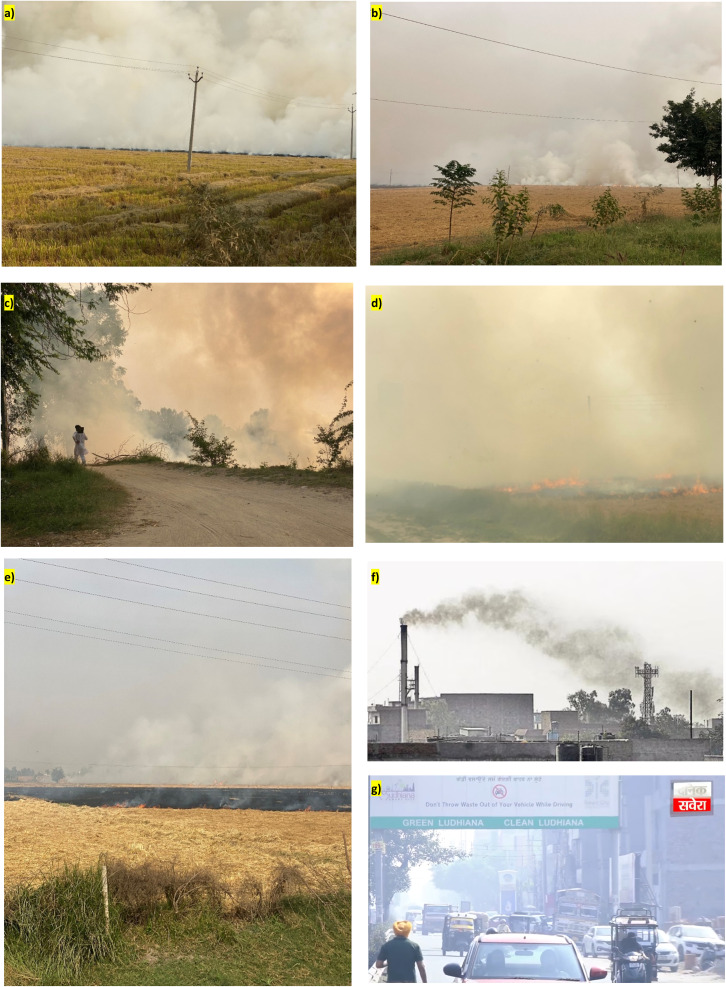 Figure 9
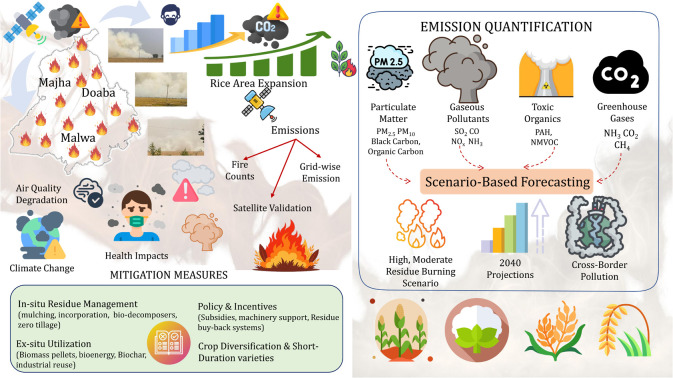 Figure 10
Peer Reviews
No public reviews on file for this paper yet. If you reviewed it on a platform where reviews are public (OpenReview, ICLR, NeurIPS, ICML), you can paste yours below so the community can read it here.
Videos
No videos yet. Explain this paper in a talk, walkthrough, or lecture? Add one.
Taxonomy
TopicsPlant responses to elevated CO2 · Atmospheric chemistry and aerosols · COVID-19 impact on air quality