Molecular Insights Into Canine Hepatocellular Carcinoma: A Cross‐Species Transcriptomic Comparison With Human HCC
Mohammad Arif, MD Nazmul Hasan, Nobuhiro Nozaki, Yutaro Ide, Yoshiyuki Akiyama, Shaohsu Wang, Most Shumi Akhter Shathi, Osamu Yamato, Naoki Miura

TL;DR
This study compares the molecular features of canine and human liver cancer, finding similarities that suggest dogs could be a useful model for studying the disease.
Contribution
The first cross-species transcriptomic analysis of canine hepatocellular carcinoma compared to human HCC.
Findings
Canine and human HCC share 118 differentially expressed genes, including those in metabolic and signaling pathways.
Key hub genes and prognostic markers were identified, showing molecular resemblances between canine and human HCC.
Shared pathways include PI3K-Akt signaling, focal adhesion, and extracellular matrix interactions.
Abstract
Canine hepatocellular carcinoma (HCC) requires further molecular characterization to identify diagnostic and therapeutic targets, and to establish whether dogs with this condition can model the human disease. Accordingly, we aimed to identify differentially expressed genes (DEGs) in canine HCC and evaluate cross‐species transcriptomic dysregulation in canine and human HCC. Liver tissue samples from three dogs with HCC and three healthy dogs were subjected to next‐generation sequencing, followed by RT‐qPCR validation. Identified DEGs were then targeted in bioinformatics analyses (pathway enrichment, protein‐protein interaction network, and hub gene analyses) for molecular characterization and comparison with human HCC datasets. We identified 975 DEGs (upregulated: 604; and downregulated: 371). Extracellular matrix‐receptor interaction, focal adhesion, cell adhesion molecule, PI3K/Akt…
Genes, proteins, chemicals, diseases, species, mutations and cell lines named across the full text — each resolved to its canonical identifier and authoritative record.
Click any figure to enlarge with its caption.
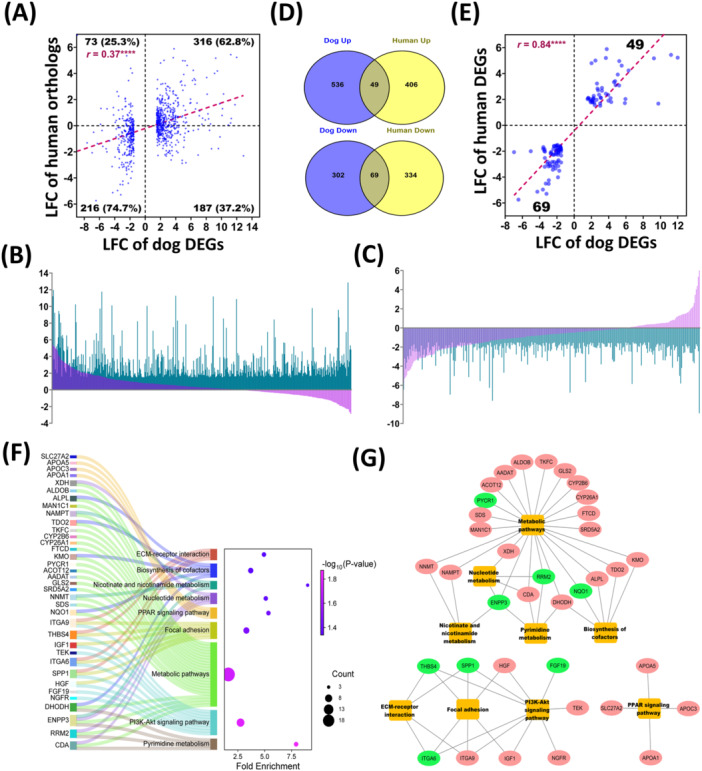 Figure 1
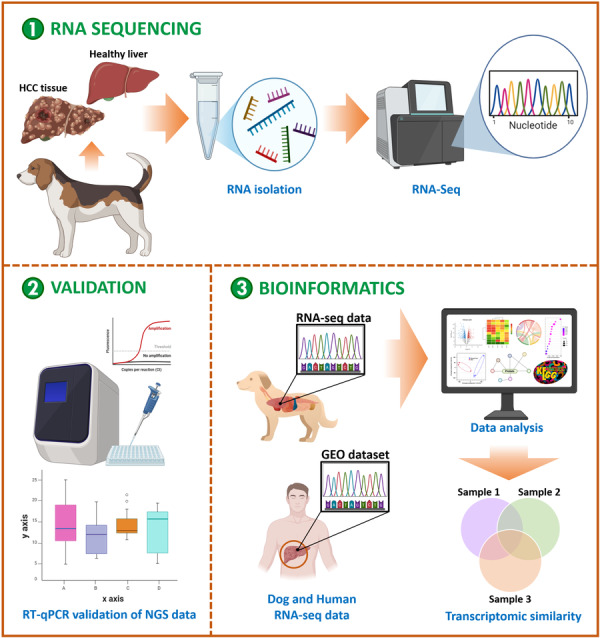 Figure 2
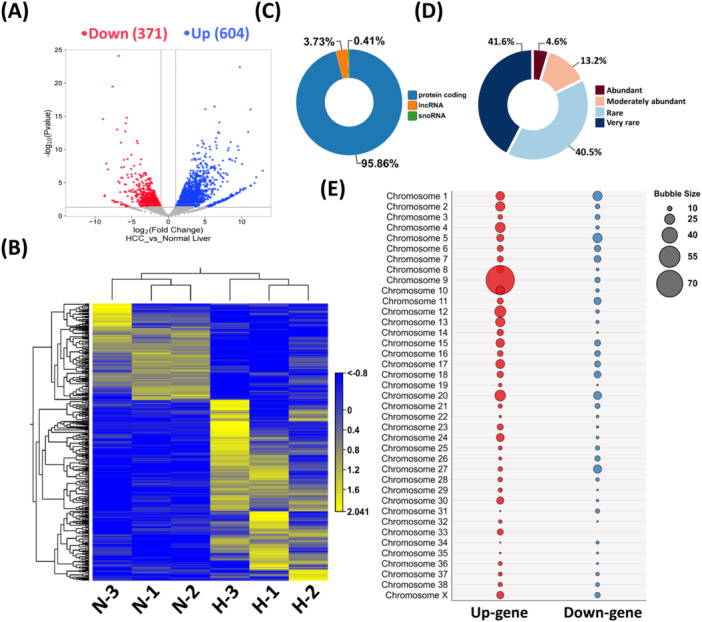 Figure 3
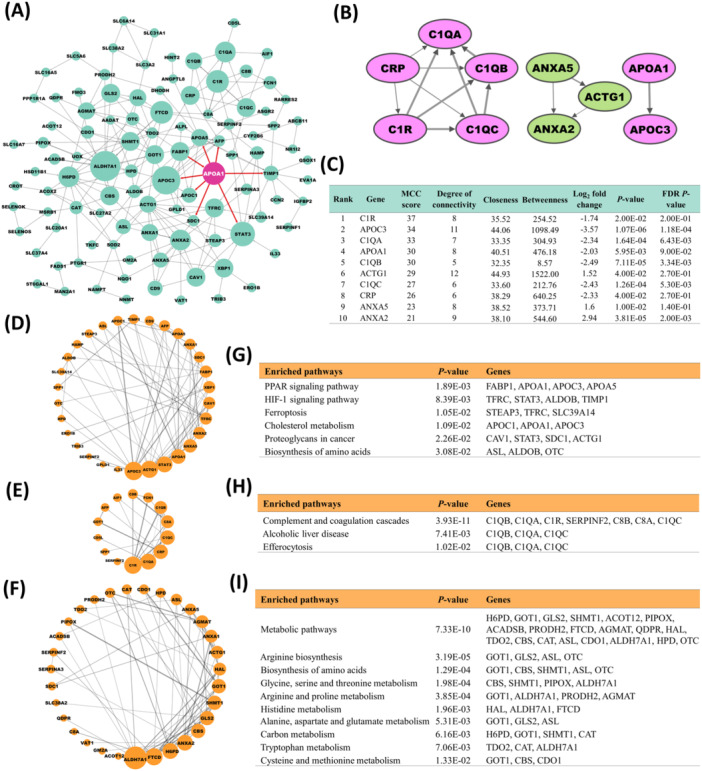 Figure 4
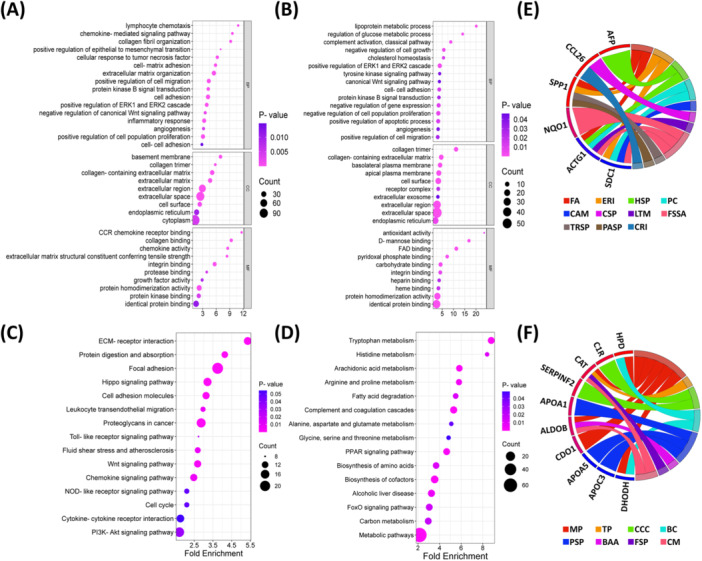 Figure 5
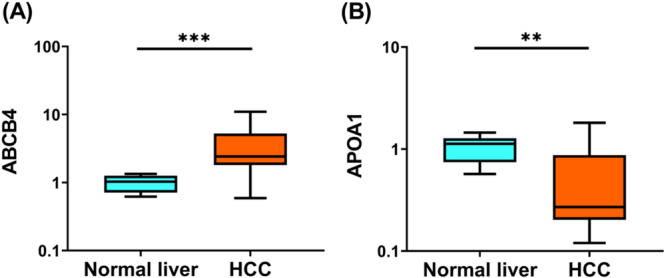 Figure 6
Peer Reviews
No public reviews on file for this paper yet. If you reviewed it on a platform where reviews are public (OpenReview, ICLR, NeurIPS, ICML), you can paste yours below so the community can read it here.
Videos
No videos yet. Explain this paper in a talk, walkthrough, or lecture? Add one.
Taxonomy
TopicsVeterinary Oncology Research · Veterinary Medicine and Surgery · Human-Animal Interaction Studies