The role of comparison processes in maintenance goals: Evidence from the health and relationship domains
Yael Ecker, Kathi Diel, Wilhelm Hofmann, Christian Unkelbach, Roland Imhoff

TL;DR
This study explores how different types of mental comparisons affect efforts to maintain personal health and relationships, offering insights into sustaining well-being.
Contribution
The study reveals that upward self-comparisons boost maintenance motivation, while upward social comparisons reduce it, advancing goal theory.
Findings
Maintenance motivation increases after upward self-comparisons and decreases after upward social comparisons.
Mental comparisons influence maintenance goals through changes in appreciation for the current state.
Findings are consistent across health, relationship domains, and multiple study designs.
Abstract
This research examined how mental comparisons impact maintenance striving—the ongoing care for one's valued current state—with implications for understanding daily struggles to maintain personal health and well‐being. Following the ternary goal model, we hypothesized that (H1) maintenance goals, differently from progress goals, are not motivated by upward social comparisons, which reduce appreciation for current states, and that (H2) maintenance goals are motivated by upward self‐comparisons, which increase appreciation for current states. We tested our hypotheses in five preregistered studies (N = 2435) employing experimental designs in health (Studies 1 and 2) and relationship (Studies 3 and 4) domains, experience sampling methodology (Study 4), and behavioral measures (Study 5). Hypotheses were confirmed across all studies: Maintenance motivation was consistently higher following…
Genes, proteins, chemicals, diseases, species, mutations and cell lines named across the full text — each resolved to its canonical identifier and authoritative record.
Click any figure to enlarge with its caption.
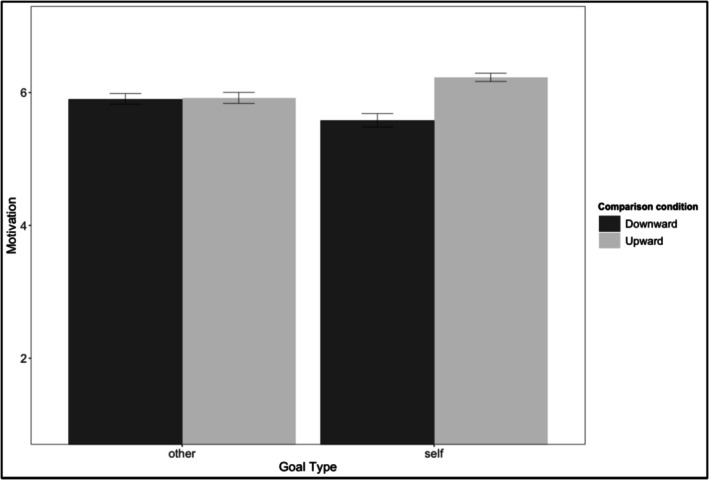 Figure 1
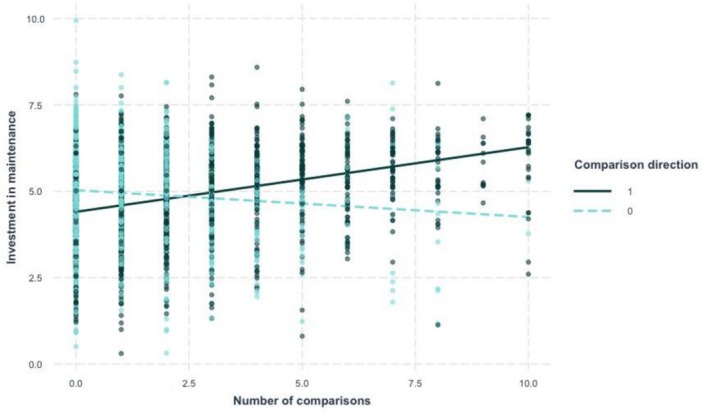 Figure 2
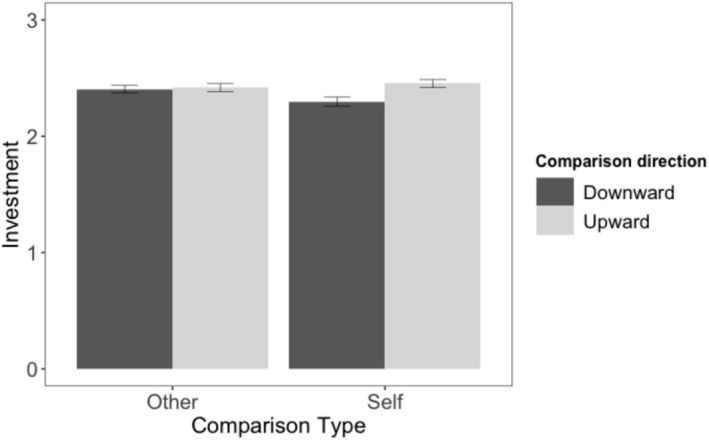 Figure 3
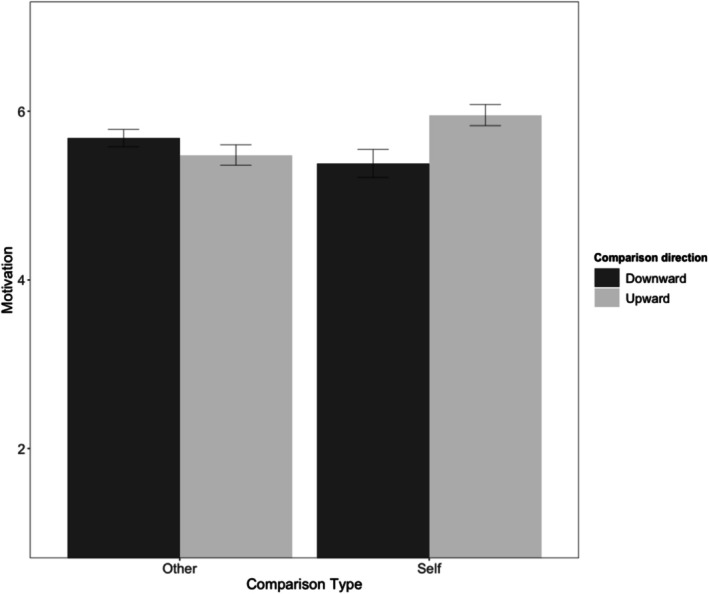 Figure 4
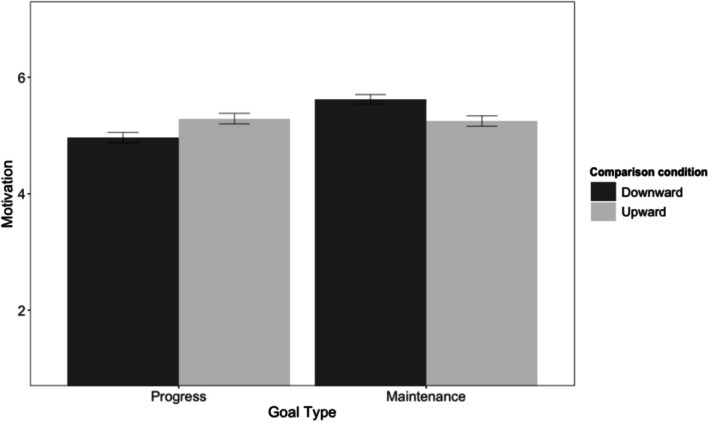 Figure 5
Peer Reviews
No public reviews on file for this paper yet. If you reviewed it on a platform where reviews are public (OpenReview, ICLR, NeurIPS, ICML), you can paste yours below so the community can read it here.
Videos
No videos yet. Explain this paper in a talk, walkthrough, or lecture? Add one.
Taxonomy
TopicsBehavioral Health and Interventions · Attachment and Relationship Dynamics · Psychological Well-being and Life Satisfaction