A Histopathological Study of Induced Open Wounds Treated With Urinary Bladder Submucosa Scaffold in Rabbits
Majid A. Alkhilani, Omar Tariq Hammoodi, Ali A. Tala’a, Waleed Al-Nuaimy

TL;DR
This study shows that using a scaffold made from cow bladder tissue helps rabbit wounds heal faster than normal.
Contribution
The study demonstrates the effectiveness of decellularized urinary bladder submucosa as a scaffold for accelerating wound healing in rabbits.
Findings
Wounds treated with the ECM scaffold showed significantly faster healing starting from the seventh postwounding day.
The treated group exhibited thicker epidermal layers and fibroplasia, while the control group showed fibrosis and granulation tissue.
The ECM scaffold promoted wound contraction and improved tissue regeneration compared to the control group.
Abstract
Treating various wounds is one of the challenges that researchers are working on to find innovative ways to shorten and accelerate healing. Various materials have been used for this purpose, including those from the submucosal layer of certain animals, such as the calf bladder used in this study. Since extracellular matrix (ECM) contains many components that are important for the healing process, such as collagen, laminin, and hyaluronic acid, it has the potential to accelerate wound healing. The study used twelve adult rabbits. After surgical preparation, a 2 × 2 cm square wound was made on each side of the animal’s body behind the costal arch in the upper abdomen. The wound on the right side was washed with normal saline only as a control group, and the wound on the left side was treated with a dry decellularized ECM. Fresh urinary bladders were collected from slaughtered calves and…
Genes, proteins, chemicals, diseases, species, mutations and cell lines named across the full text — each resolved to its canonical identifier and authoritative record.
Click any figure to enlarge with its caption.
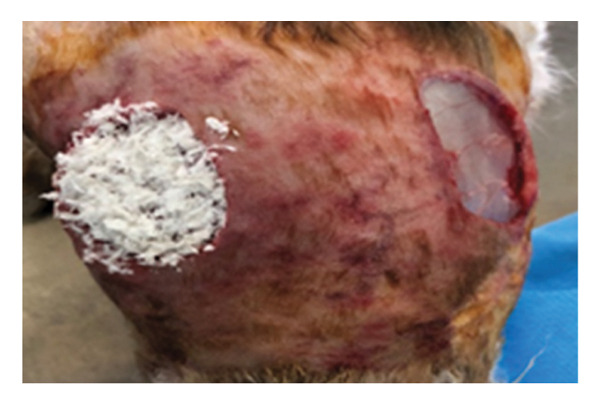 Figure 1
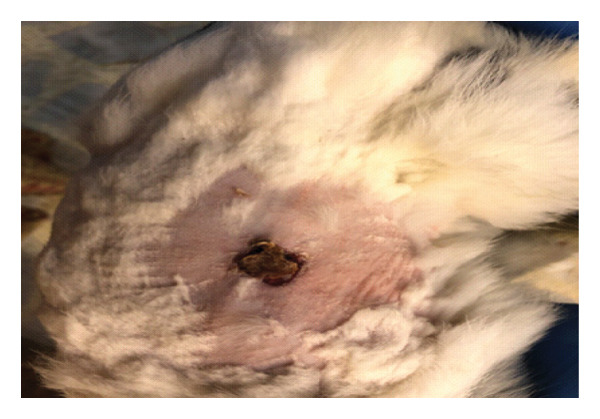 Figure 2
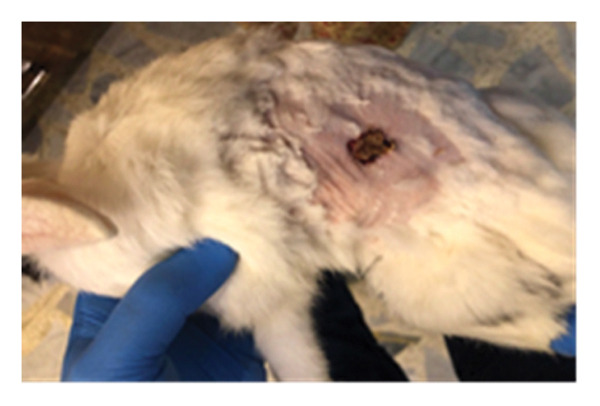 Figure 3
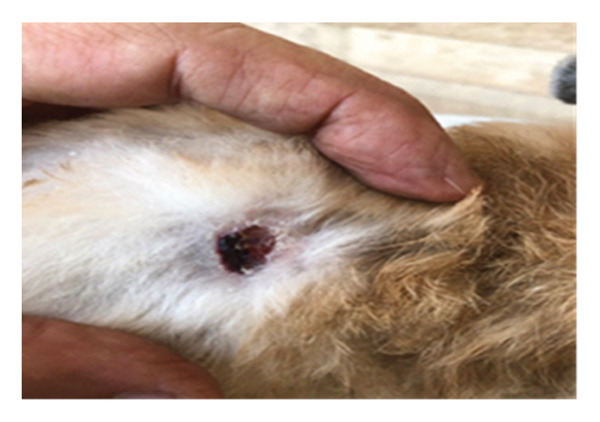 Figure 4
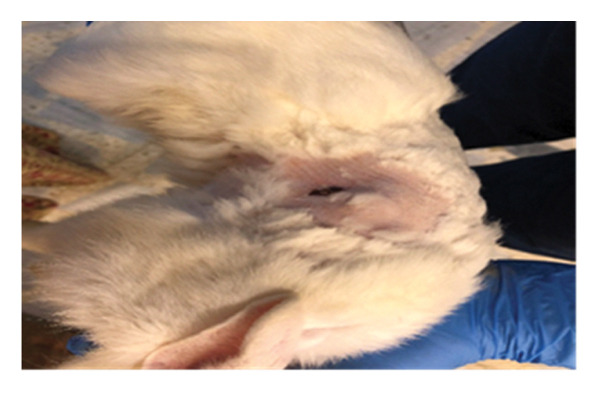 Figure 5
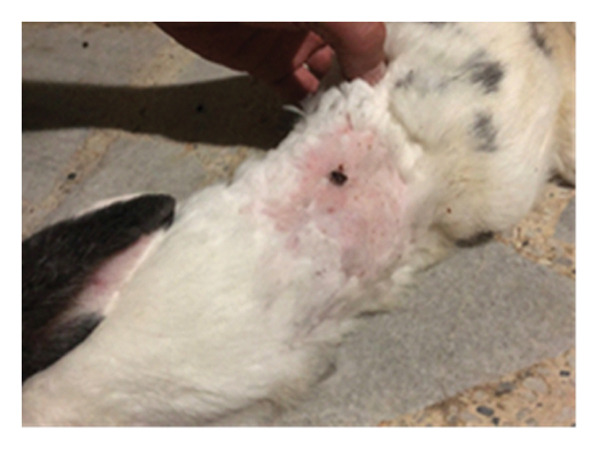 Figure 6
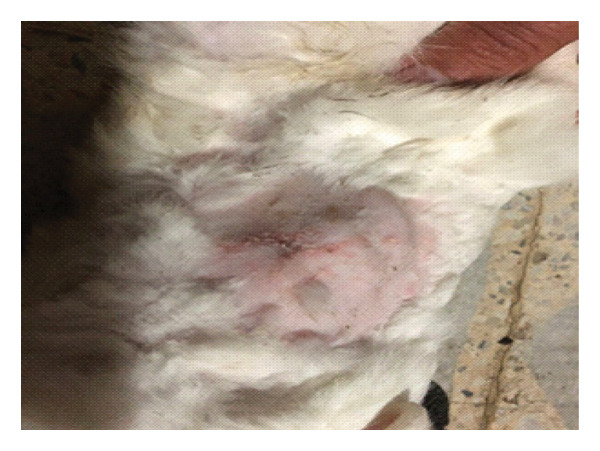 Figure 7
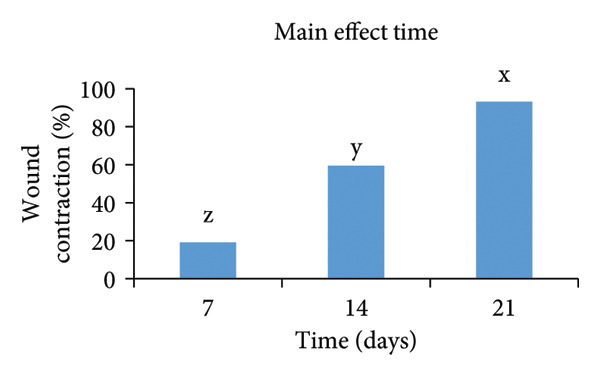 Figure 8
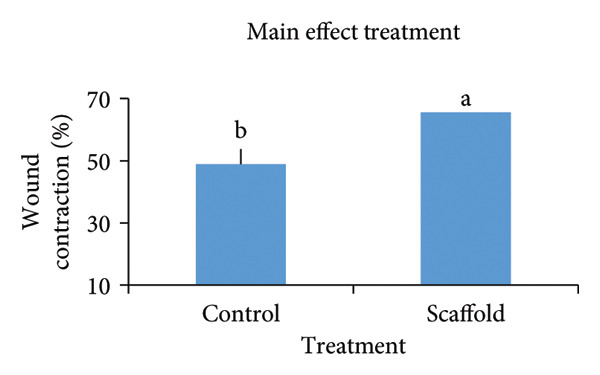 Figure 9
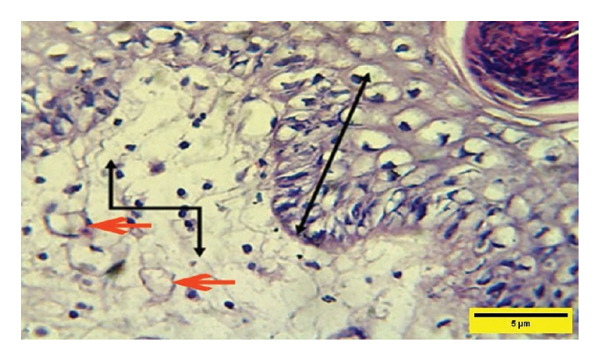 Figure 10
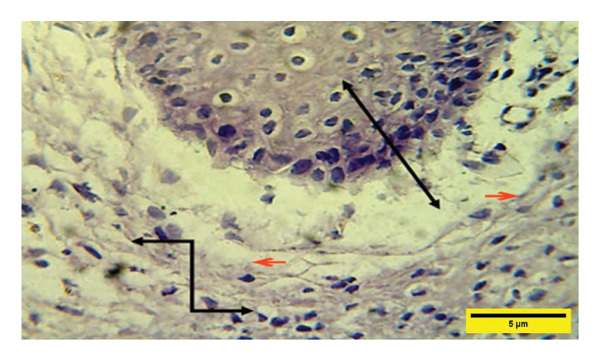 Figure 11
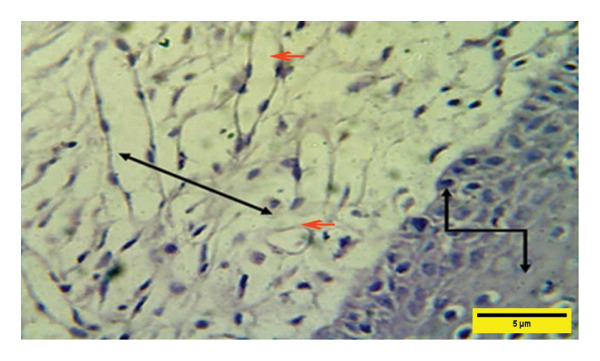 Figure 12
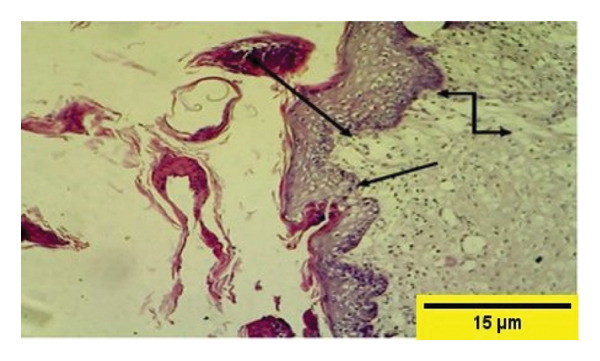 Figure 13
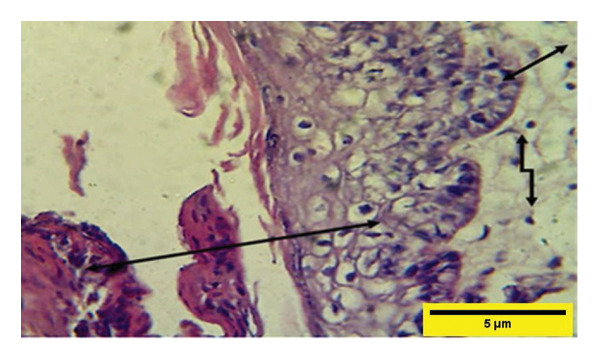 Figure 14
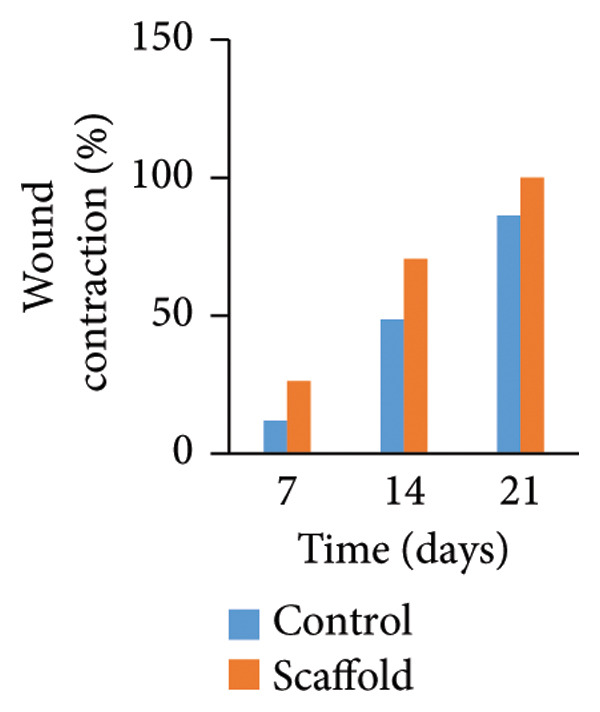 Figure 15
 Figure 16
 Figure 17
 Figure 18
 Figure 19
 Figure 20
 Figure 21
 Figure 22
 Figure 23
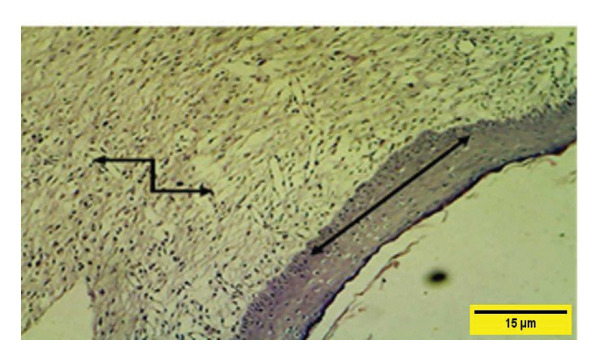 Figure 24
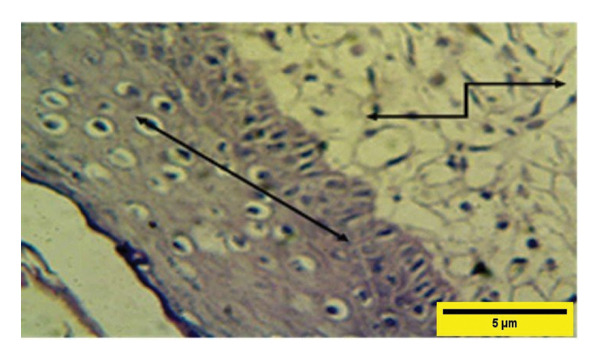 Figure 25
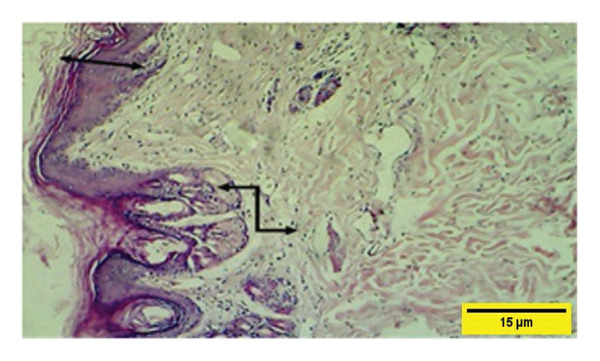 Figure 26
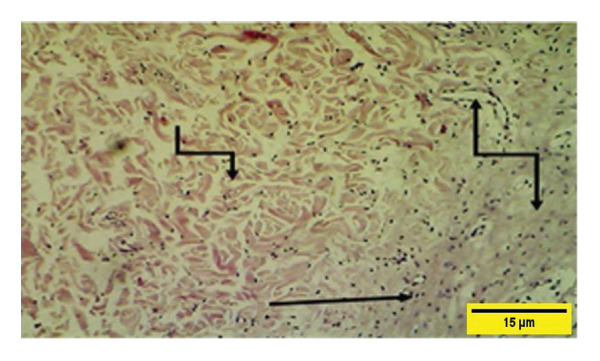 Figure 27
 Figure 28
 Figure 29
 Figure 30
 Figure 31
 Figure 32
 Figure 33
 Figure 34
 Figure 35
 Figure 36
 Figure 37
 Figure 38
 Figure 39
 Figure 40
 Figure 41
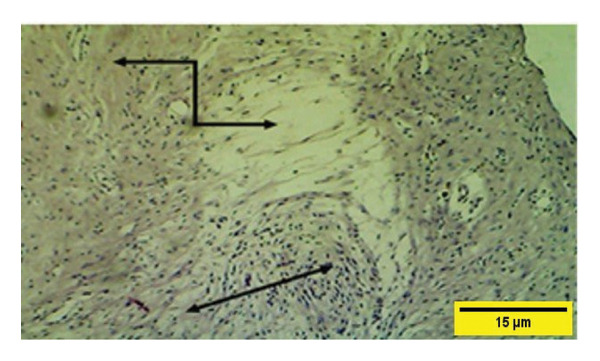 Figure 42
Peer Reviews
No public reviews on file for this paper yet. If you reviewed it on a platform where reviews are public (OpenReview, ICLR, NeurIPS, ICML), you can paste yours below so the community can read it here.
Videos
No videos yet. Explain this paper in a talk, walkthrough, or lecture? Add one.
Taxonomy
TopicsTissue Engineering and Regenerative Medicine · Wound Healing and Treatments · Comparative Animal Anatomy Studies