Multi‐omic profiling defines three distinct molecular subtypes of urothelial carcinoma with implications for precision therapy
Nils C. H. van Creij, Piotr Tymoszuk, Florian Handle, Andreas Seeber, Teresa Sellemond, Agnieszka Martowicz, Eva Comperat, Hamed Wafa, Steffen Ormanns, Michael Günther, Walther Parson, Maxim Noeparast, Frédéric R. Santer, José Daniel Subiela, Petros Grivas, Roger Li, Zoran Culig

TL;DR
This study identifies three distinct molecular subtypes of urothelial carcinoma, each with unique biological features and potential treatment options, to improve precision therapy.
Contribution
A novel molecular classification framework for urothelial carcinoma integrating transcriptomic and proteomic data across different cancer stages.
Findings
Three molecular clusters were identified with distinct mRNA, protein, and biological signatures.
Each cluster showed different prognostic outcomes and treatment vulnerabilities.
In vitro models were developed for each cluster to support future therapeutic testing.
Abstract
Urothelial carcinoma (UC) is a biologically heterogeneous disease, and current molecular classifications have limited integration into clinical decision‐making. To further pursue precision oncology efforts in UC, we developed a molecular classification framework applicable to transcriptomic and proteomic data from non–muscle‐invasive bladder cancer (NMIBC), muscle‐invasive bladder cancer (MIBC) and urothelial cancer cell lines. Using a whole‐transcriptome self‐organised map and regularised semi‐supervised clustering of 4439 bulk NMIBC and MIBC transcriptomes and proteomes, and 33 UC cell lines, we identified three molecular UC clusters. Making use of both in silico and in vitro approaches, we selected promising treatment approaches for each cluster. The three developed clusters displayed distinct signatures of mRNA, proteins, biological processes, metabolism and essential driver…
Genes, proteins, chemicals, diseases, species, mutations and cell lines named across the full text — each resolved to its canonical identifier and authoritative record.
Click any figure to enlarge with its caption.
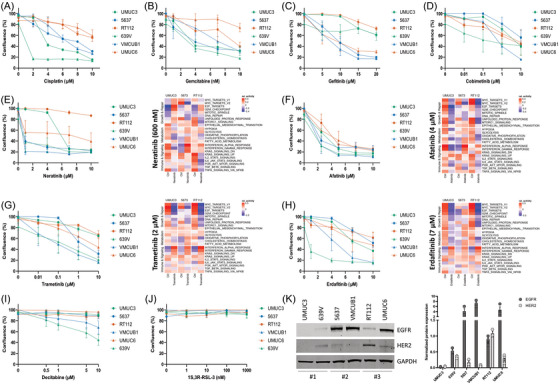 Figure 1
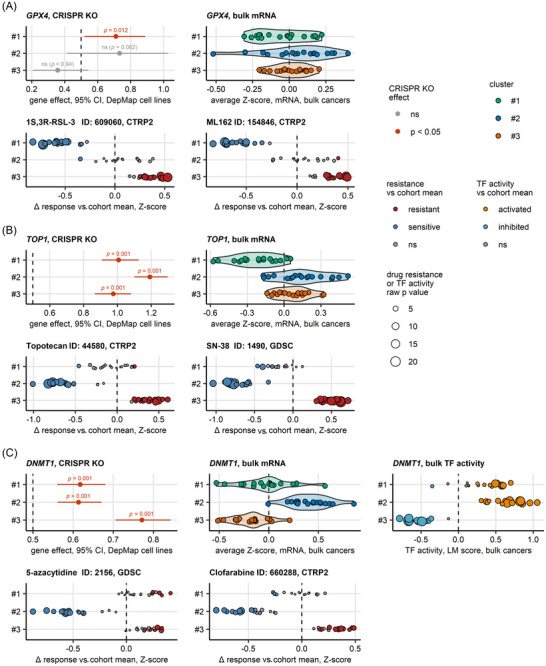 Figure 2
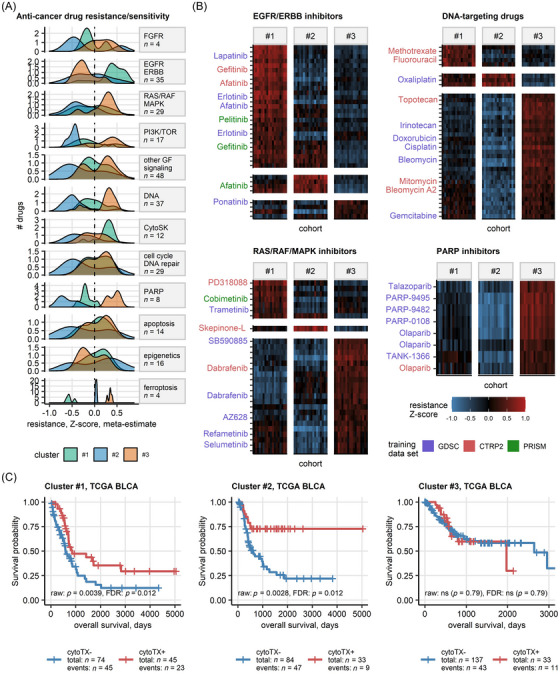 Figure 3
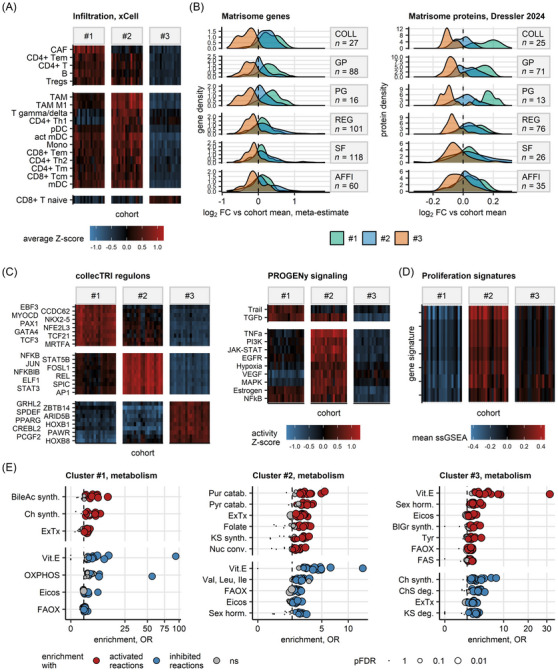 Figure 4
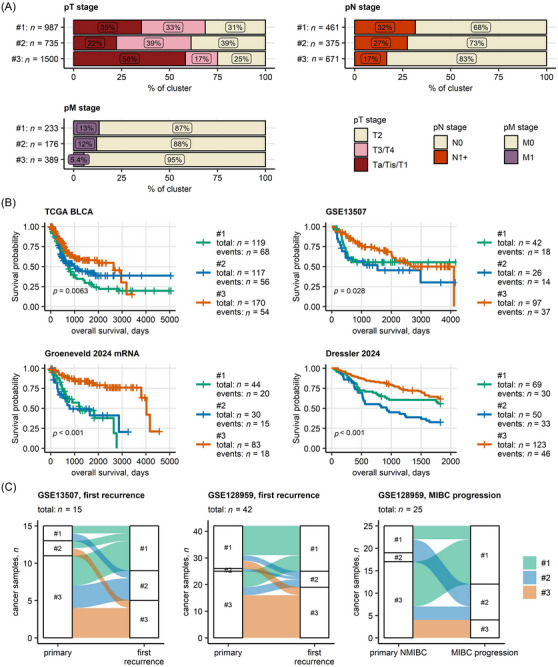 Figure 5
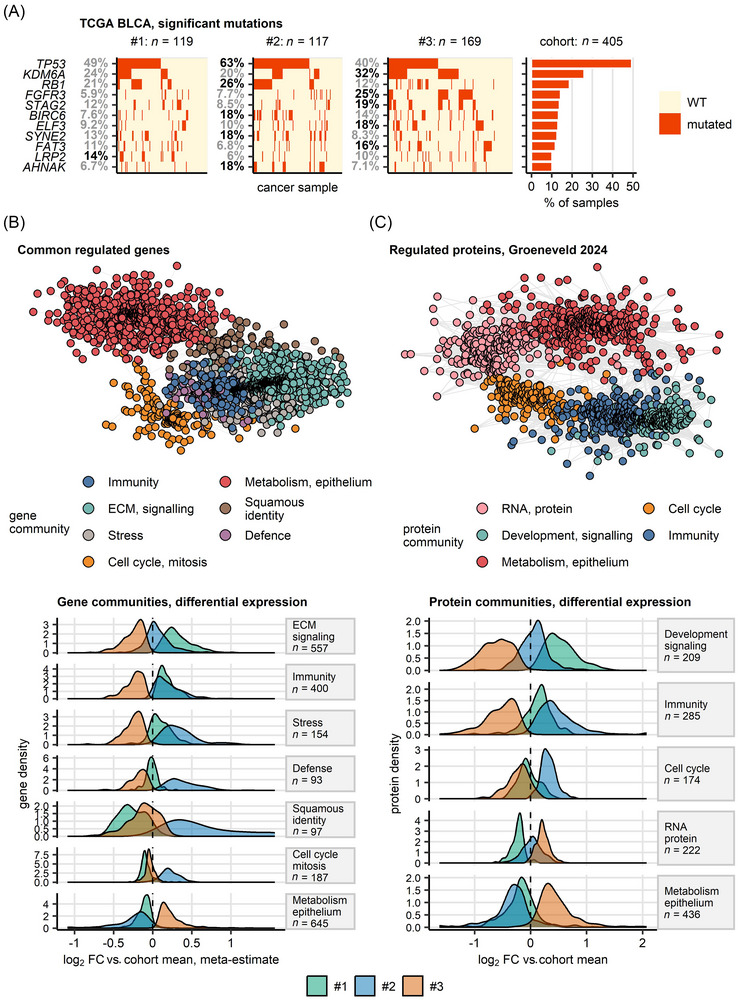 Figure 6
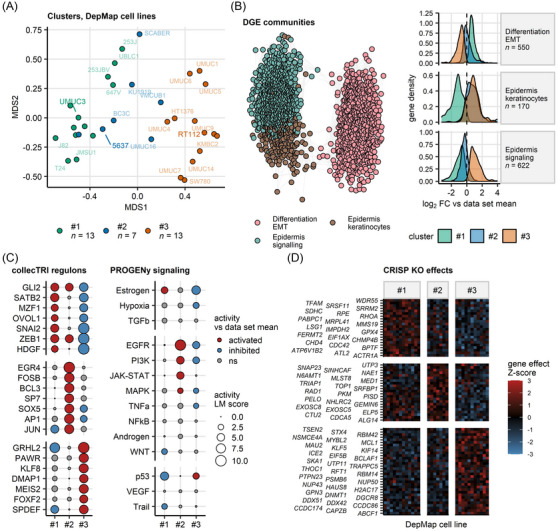 Figure 7
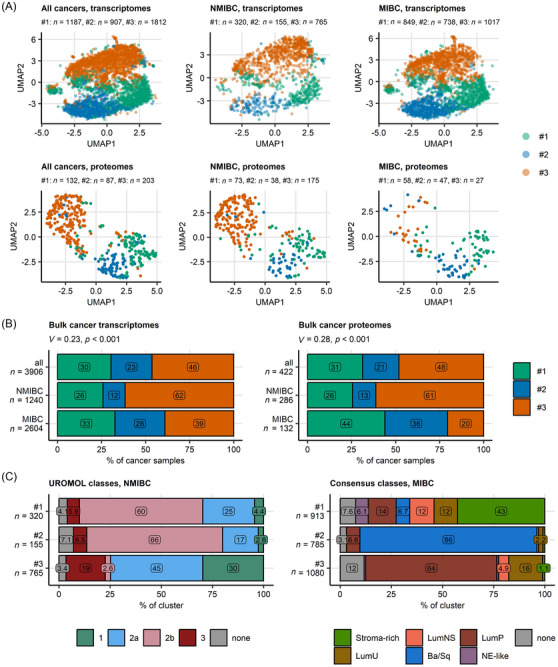 Figure 8
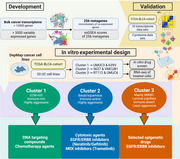 Figure 9
Peer Reviews
No public reviews on file for this paper yet. If you reviewed it on a platform where reviews are public (OpenReview, ICLR, NeurIPS, ICML), you can paste yours below so the community can read it here.
Videos
No videos yet. Explain this paper in a talk, walkthrough, or lecture? Add one.
Taxonomy
TopicsBladder and Urothelial Cancer Treatments · Ferroptosis and cancer prognosis · Single-cell and spatial transcriptomics