The Longitudinal Impact of Daytime Dysfunction on Adolescent Depressive and Anxiety Symptoms: A Random Intercept Cross‐Lagged Panel Study
Na Zhang, Chenguang Ji, Shiyi Tang, Tiancheng Li, Chengcong Wu, Ziyue Zhu, Jiazhao Li, Yonghui Huang, Danyue Feng, Dongyan Ding, Wenjuan Wang

TL;DR
This study shows that daytime dysfunction in adolescents is linked to increased depression and anxiety symptoms over time, with social neglect playing a mediating role.
Contribution
The study introduces a longitudinal analysis using RI-CLPM to demonstrate how daytime dysfunction predicts later emotional symptoms through social ostracism.
Findings
Daytime dysfunction is positively associated with depressive and anxiety symptoms in adolescents.
Social neglect mediates the relationship between daytime dysfunction and later anxiety symptoms.
Social ostracism is significantly linked to depressive and anxiety symptoms.
Abstract
Daytime dysfunction is a significant manifestation of sleep problems in adolescents, which increases individuals' negative emotional experiences by weakening their cognitive regulation and social adaptation. Meanwhile, emotional distress, such as depressive and anxiety symptoms, may further exacerbate daytime dysfunction, creating a negative cycle. Therefore, the present study employed a longitudinal follow‐up design to explore the bidirectional relationship between daytime dysfunction and depressive and anxiety symptoms in adolescents. This three‐wave longitudinal study used stratified random sampling to recruit 936 adolescents (50.96% girls; mean age = 14.37 ± 1.32 years) from four secondary schools in Bengbu, Anhui Province, China. Data were collected between September 2023 and September 2024 at 4‐month intervals. Standardized questionnaires measured daytime dysfunction, social…
Genes, proteins, chemicals, diseases, species, mutations and cell lines named across the full text — each resolved to its canonical identifier and authoritative record.
Click any figure to enlarge with its caption.
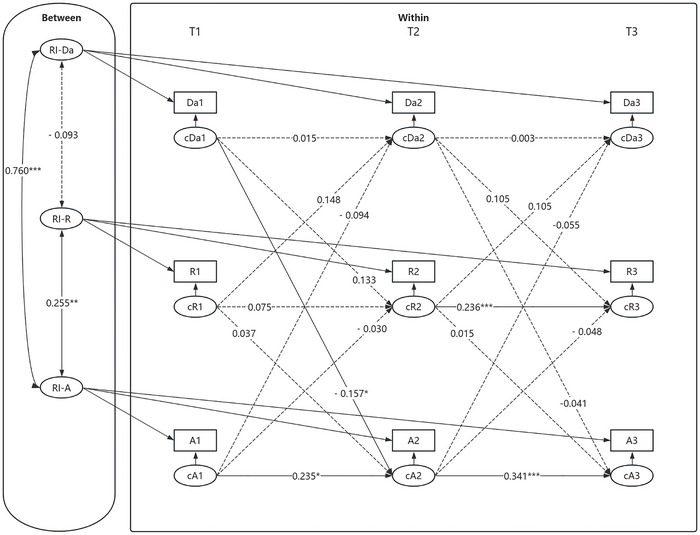 Figure 1
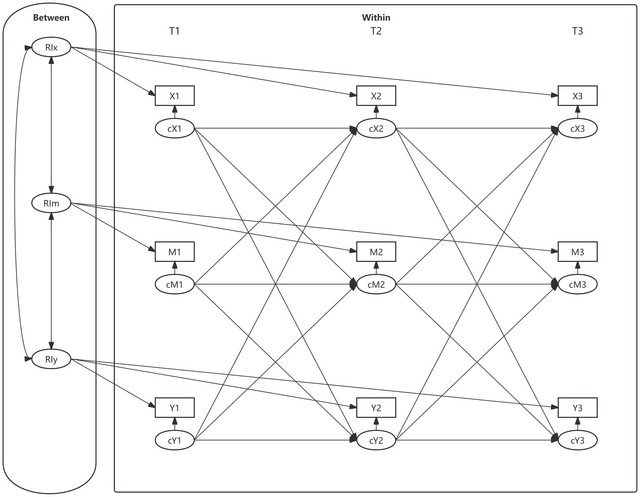 Figure 2
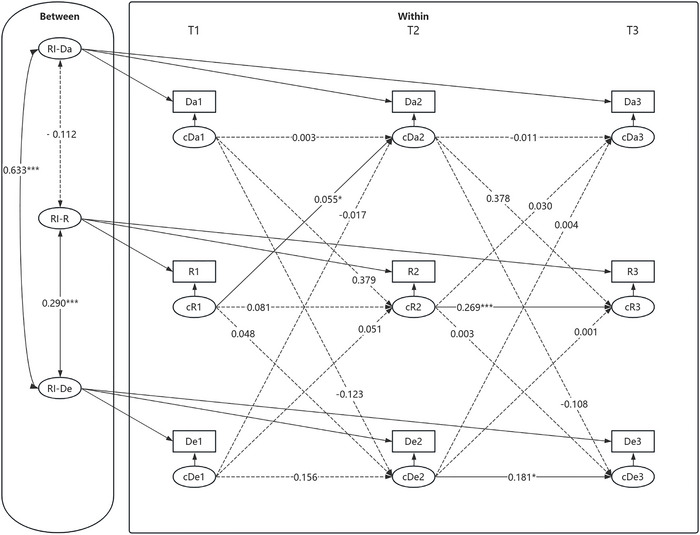 Figure 3
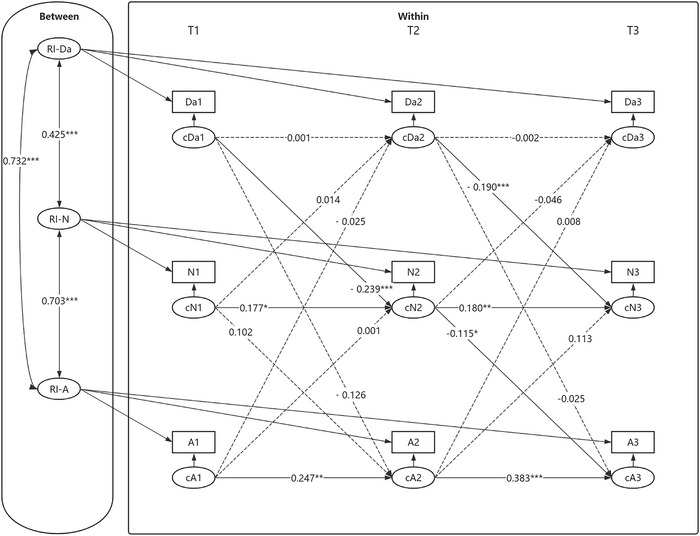 Figure 4
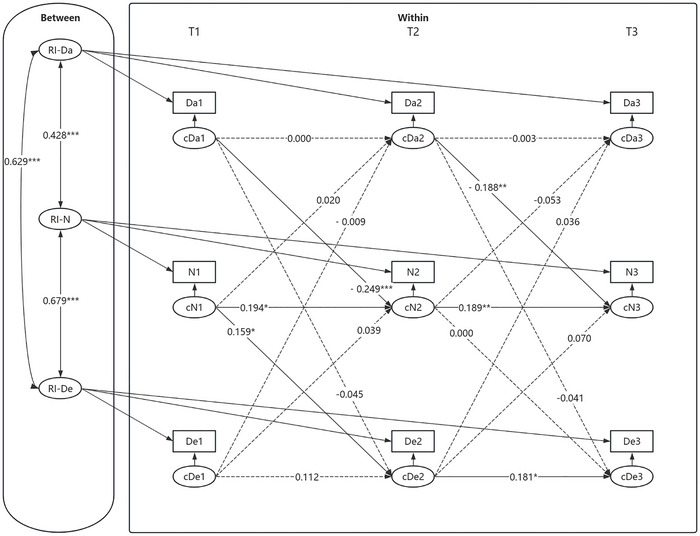 Figure 5
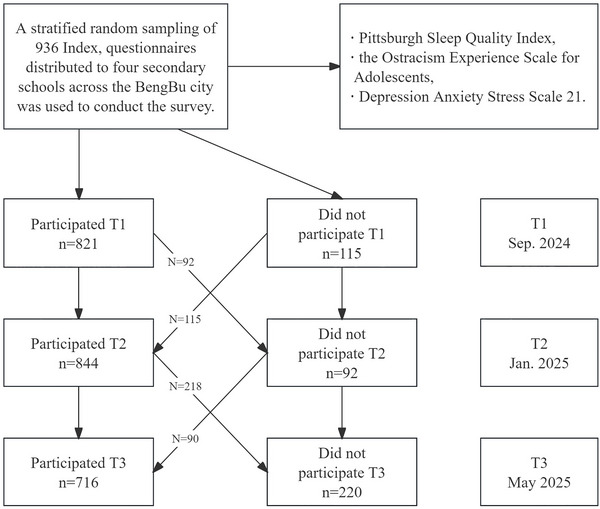 Figure 6
 Figure 7
Peer Reviews
No public reviews on file for this paper yet. If you reviewed it on a platform where reviews are public (OpenReview, ICLR, NeurIPS, ICML), you can paste yours below so the community can read it here.
Videos
No videos yet. Explain this paper in a talk, walkthrough, or lecture? Add one.
Taxonomy
TopicsPosttraumatic Stress Disorder Research · Death Anxiety and Social Exclusion · Grief, Bereavement, and Mental Health