Translation of the Shoulder Pain and Disability Index and psychometric evaluation of the Swedish version
Anna H. Petersson, Jenny M. Samuelsson, Hanna C. Björnsson Hallgren, Johan H. Scheer, Theresa M. Holmgren

TL;DR
This paper translates and validates the Shoulder Pain and Disability Index for Swedish patients with shoulder pain, confirming its reliability and usefulness in measuring meaningful changes.
Contribution
The study provides a validated Swedish version of SPADI and establishes its minimal important change for subacromial pain patients.
Findings
The translated SPADI showed high internal consistency (Cronbach's alpha 0.93) and strong test-retest reliability (ICC 0.87).
The minimal detectable change was 10.5, and the minimal important change was determined as 11 with 92% sensitivity.
Responsiveness had an area under the curve of 0.92, indicating strong ability to detect meaningful changes.
Abstract
The Shoulder Pain and Disability Index (SPADI) is a widely used shoulder-specific patient-reported outcome measure. This study aimed to translate and adapt SPADI into Swedish, to evaluate psychometric properties and determine the minimal important change (MIC) in patients with subacromial pain. This study was conducted in 2 phases. Phase 1 involved translation and adaptation to Swedish using forward-backward translation and patients' feedback. In phase 2, 158 patients, with shoulder pain and disability due to subacromial pain, were recruited to evaluate validity, reliability, responsiveness and MIC. There were no disagreements during the translation process, and patients found the questions relevant and comprehensible. The SPADI and 7-item Disabilities of the Arm, Shoulder, and Hand scores showed a high correlation (0,86). Internal consistency with Cronbach's alpha 0,93 (n = 158).…
Genes, proteins, chemicals, diseases, species, mutations and cell lines named across the full text — each resolved to its canonical identifier and authoritative record.
Click any figure to enlarge with its caption.
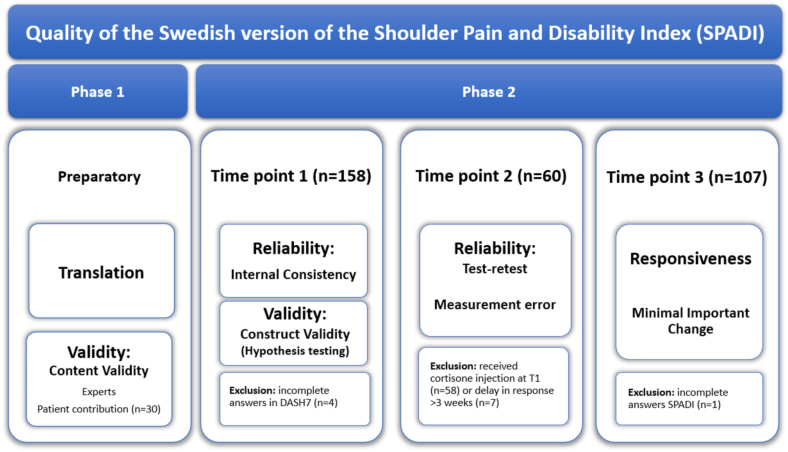 Figure 1
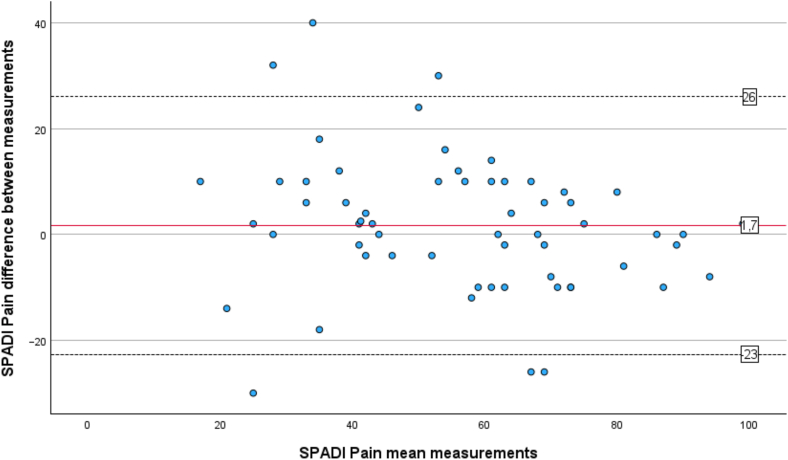 Figure 2
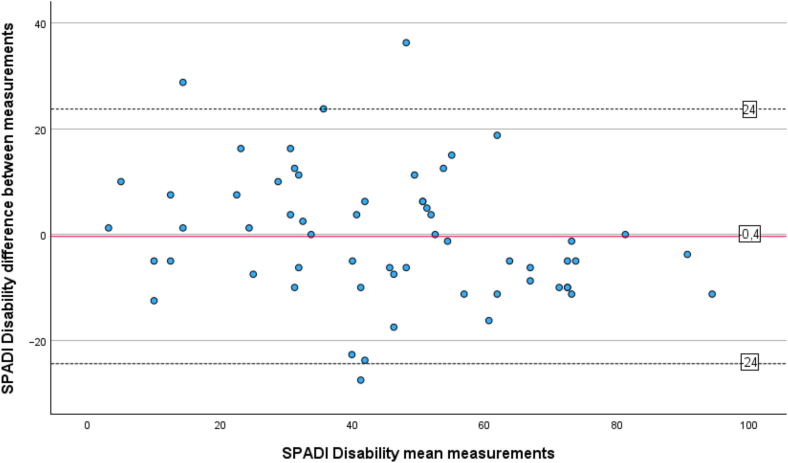 Figure 3
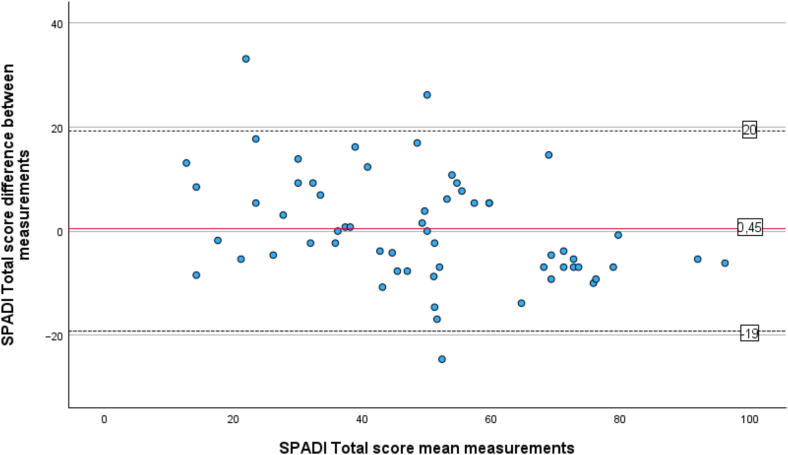 Figure 4
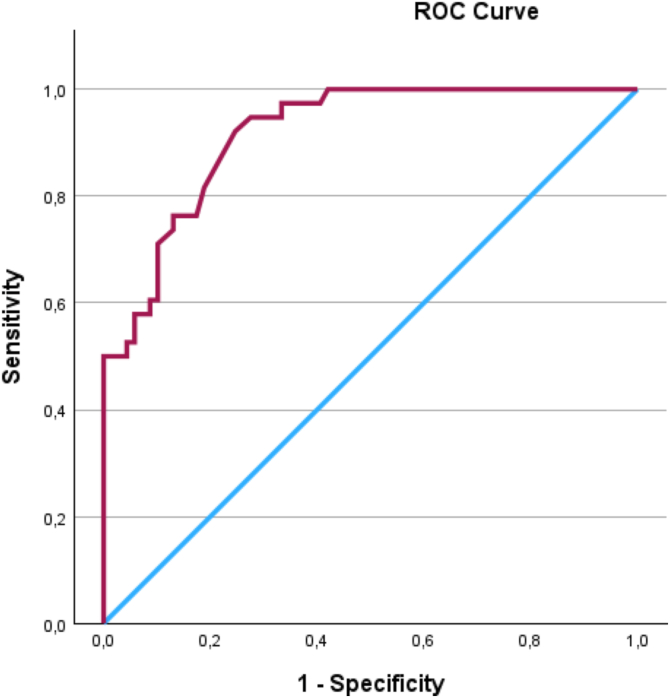 Figure 5
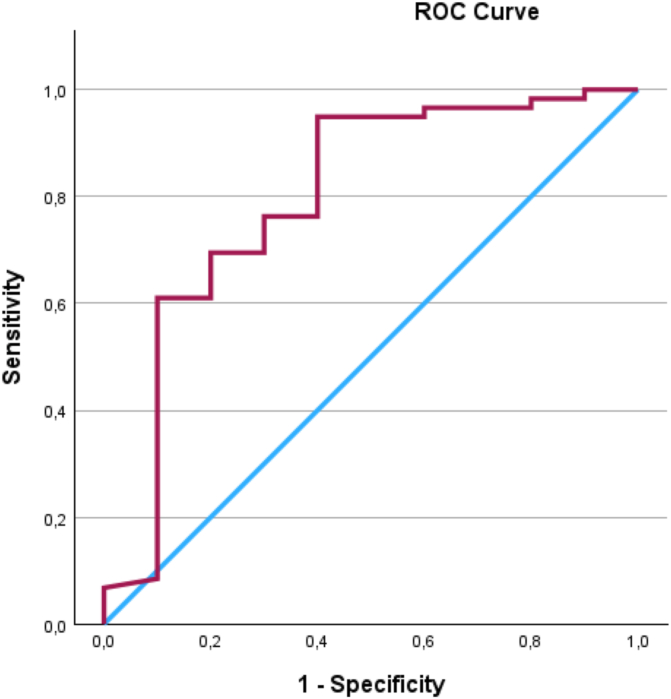 Figure 6
Peer Reviews
No public reviews on file for this paper yet. If you reviewed it on a platform where reviews are public (OpenReview, ICLR, NeurIPS, ICML), you can paste yours below so the community can read it here.
Videos
No videos yet. Explain this paper in a talk, walkthrough, or lecture? Add one.
Taxonomy
TopicsMusculoskeletal pain and rehabilitation · Shoulder Injury and Treatment · Musicians’ Health and Performance