Influence of culture conditions on metabolite diversity in Epichloë sinensis strains
Junying Liu, Wenbo Xu, Pei Tian

TL;DR
This study shows how different culture conditions affect the variety of metabolites produced by Epichloë sinensis strains.
Contribution
The study reveals that culture conditions significantly influence the diversity and quantity of secondary metabolites in E. sinensis.
Findings
E. sinensis strains produced 1029 compounds across 14 classes, showing rich metabolite diversity.
Culture conditions like PDA and PDB led to distinct metabolite profiles, with 135 and 205 unique compounds respectively.
Metabolites were mainly linked to the TCA cycle and amino acid metabolism.
Abstract
Epichloë sinensis, associated with Festuca sinensis, exhibits rich morphological, genetic and functional diversity across different strains. To comprehensively evaluate the categories and difference in the secondary metabolites of different E. sinensis strains and thereby reveal the functional diversity, the present study analyzed the metabolites of mycelia collected from potato dextrose agar (PDA) and potato dextrose broth (PDB) cultures and fermentation broths of three different E. sinensis strains. These strains (ID1, 2, and 84C) were isolated from F. sinensis seeds collected from different locations. These three strains of E. sinensis produced a total of 1029 compounds categorized into 14 major classes in the mycelia and fermentation which included a wide range of compound structure and types, revealing E. sinensis possesses abundant metabolites. The different strains shared the…
Genes, proteins, chemicals, diseases, species, mutations and cell lines named across the full text — each resolved to its canonical identifier and authoritative record.
Click any figure to enlarge with its caption.
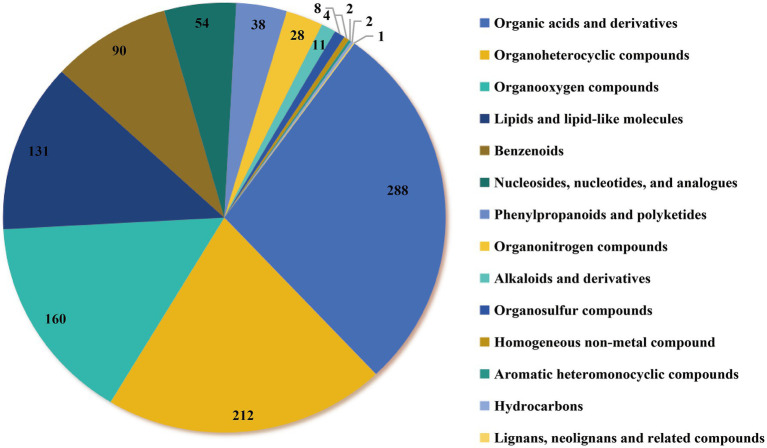 Figure 1
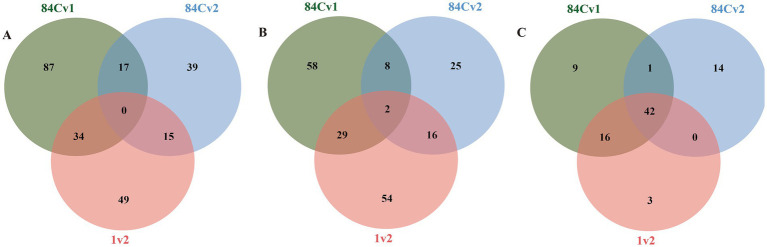 Figure 2
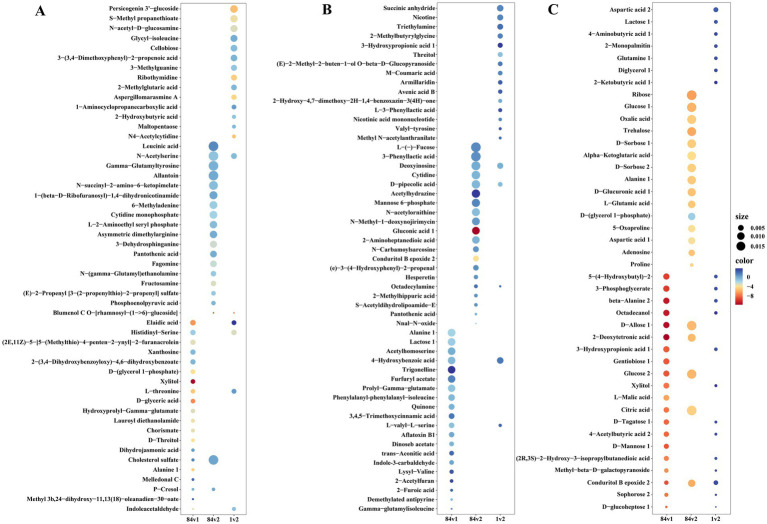 Figure 3
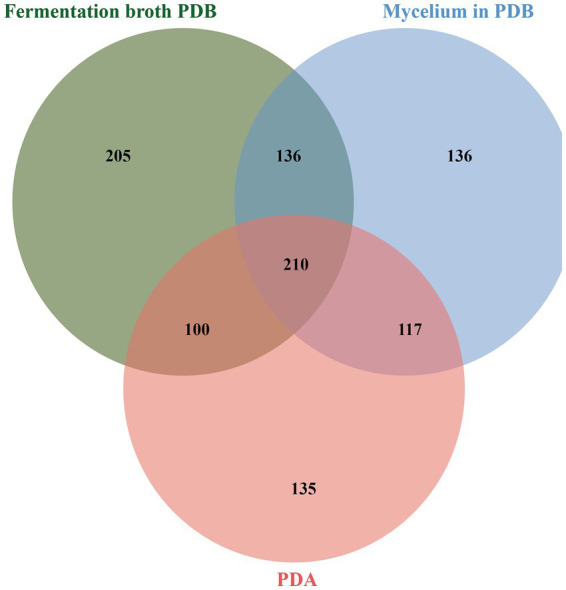 Figure 4
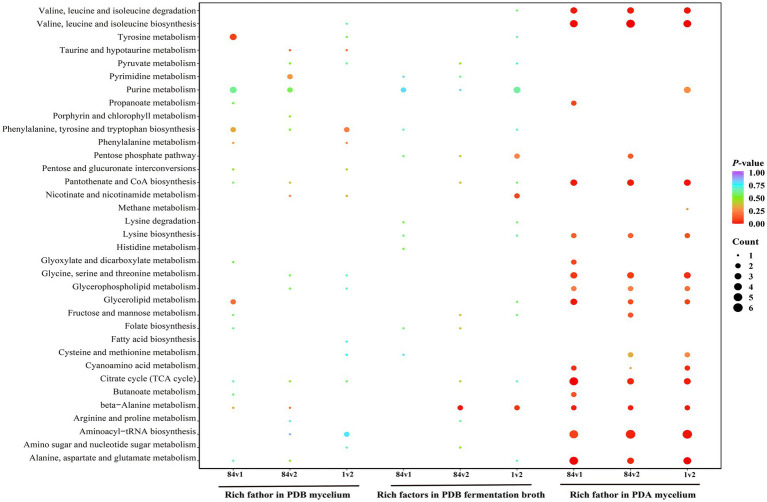 Figure 5
Peer Reviews
No public reviews on file for this paper yet. If you reviewed it on a platform where reviews are public (OpenReview, ICLR, NeurIPS, ICML), you can paste yours below so the community can read it here.
Videos
No videos yet. Explain this paper in a talk, walkthrough, or lecture? Add one.
Taxonomy
TopicsPlant and fungal interactions · Seaweed-derived Bioactive Compounds · Microbial metabolism and enzyme function