Safe dosage and potential risks of chlorogenic acid: insights from in vitro and in vivo studies
Yilin Pang, Mengyao Jiang, Binjie Ge, Lin Huang, Xiaoyu Rao, Xueqing Wang, Huaibin Zhou, Jianxin Lyu, Zheng Wang, Guoqiang Tan

TL;DR
This study determines safe and toxic doses of chlorogenic acid (CGA) on liver cells and mice, showing CGA's dual role in protection and toxicity based on concentration.
Contribution
The study identifies CGA's IC50 for hepatocyte toxicity and reveals its mechanism involving iron depletion and mitochondrial disruption.
Findings
200 µM CGA increased mitochondrial OCR but not ECAR, with 600 µM significantly impeding hepatocyte growth.
IC50 of CGA was 613.1 µM, causing S-phase arrest and apoptosis in hepatocytes.
NAC or ferric citrate reduced CGA-induced hepatotoxicity, and CGA was non-lethal up to 125 mg/kg in mice.
Abstract
As the economy grows, there is a growing emphasis on food safety. While the health benefits of chlorogenic acid (CGA) are recognized, safe dosages and potential liver cell damage from excessive CGA consumption are not well studied. This study aims to determine the safe and effective dose range of CGA and understand how it causes toxicity in hepatocyte at half-maximal inhibitory concentration (IC50). This study assessed the impact of various CGA concentrations on liver cells, examining growth, viability, toxicity, energy metabolism, and colony formation using Real-Time Cell Analysis (RTCA), CCK-8, lactate dehydrogenase (LDH) assays, and Seahorse XF96. It established CGA’s IC50 for cell viability and identified differentially expressed proteins via proteomics. Subsequently, Gene Ontology (GO) and Kyoto Encyclopedia of Genes and Genomes (KEGG) pathway analyses were conducted to elucidate…
Genes, proteins, chemicals, diseases, species, mutations and cell lines named across the full text — each resolved to its canonical identifier and authoritative record.
Click any figure to enlarge with its caption.
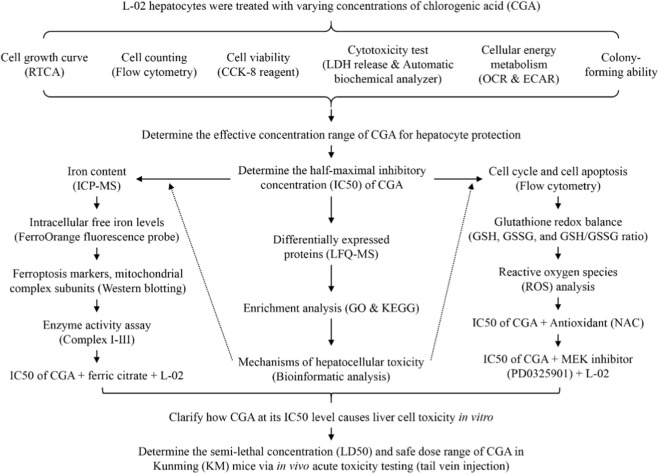 Figure 1
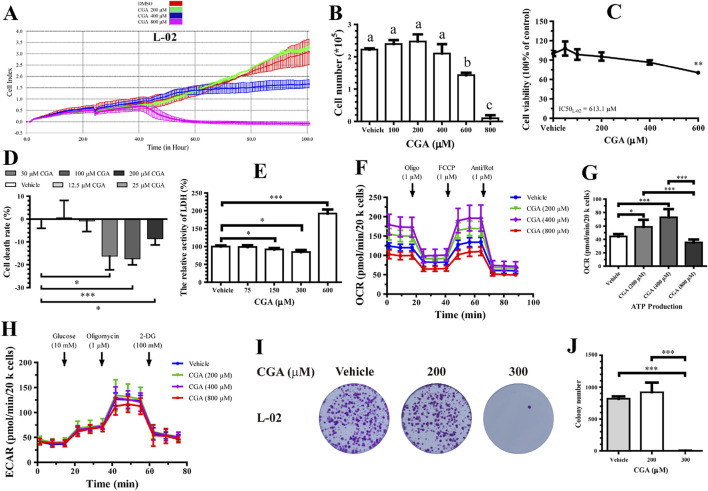 Figure 2
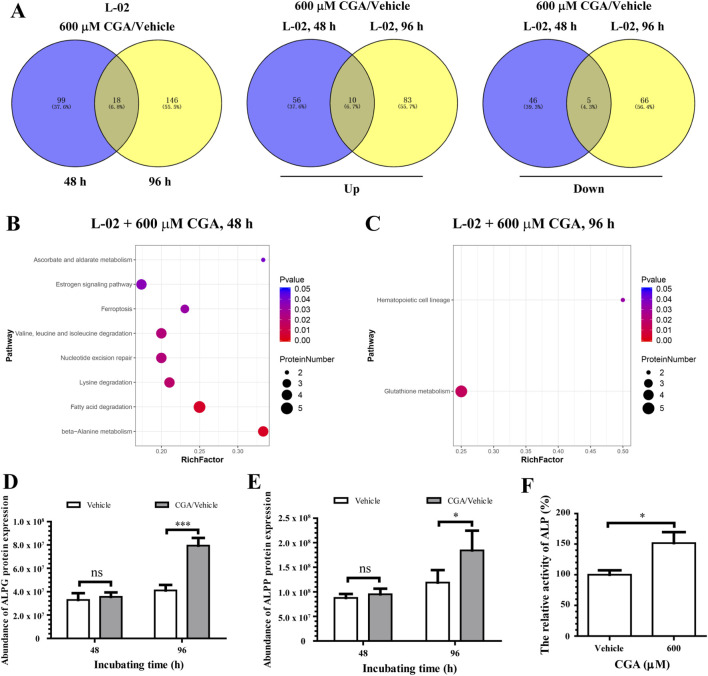 Figure 3
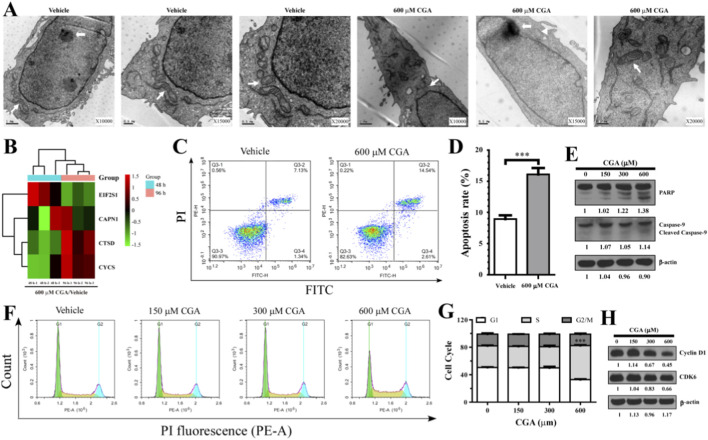 Figure 4
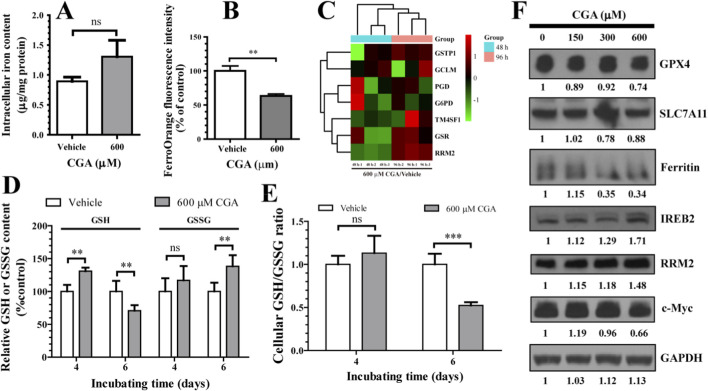 Figure 5
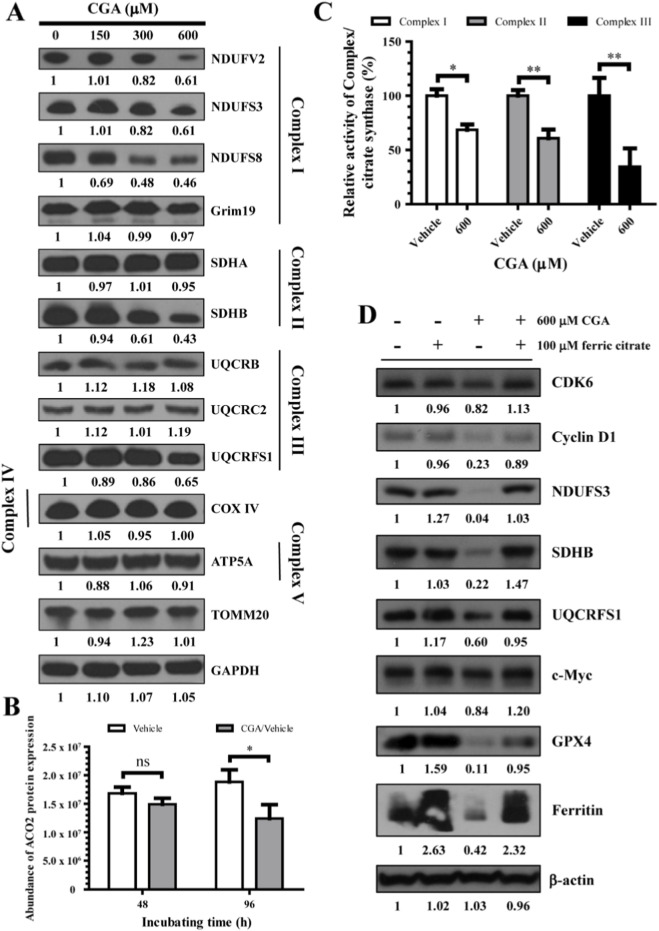 Figure 6
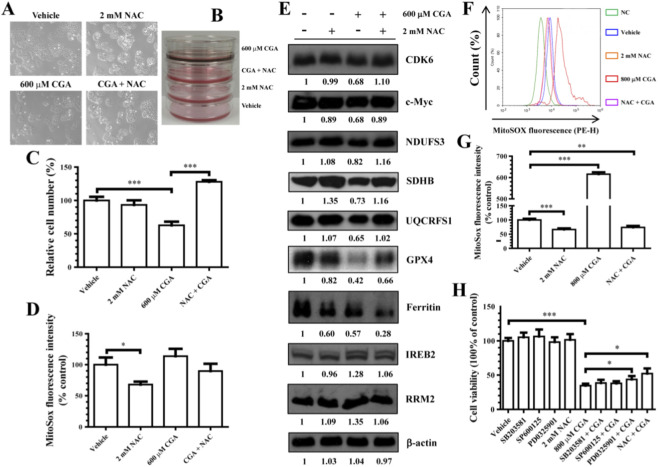 Figure 7
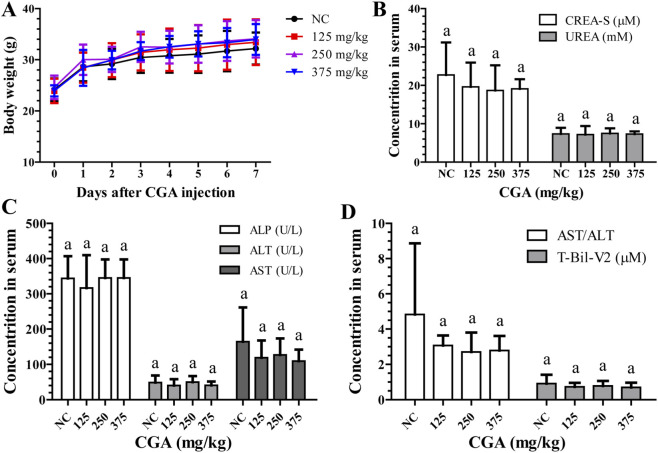 Figure 8
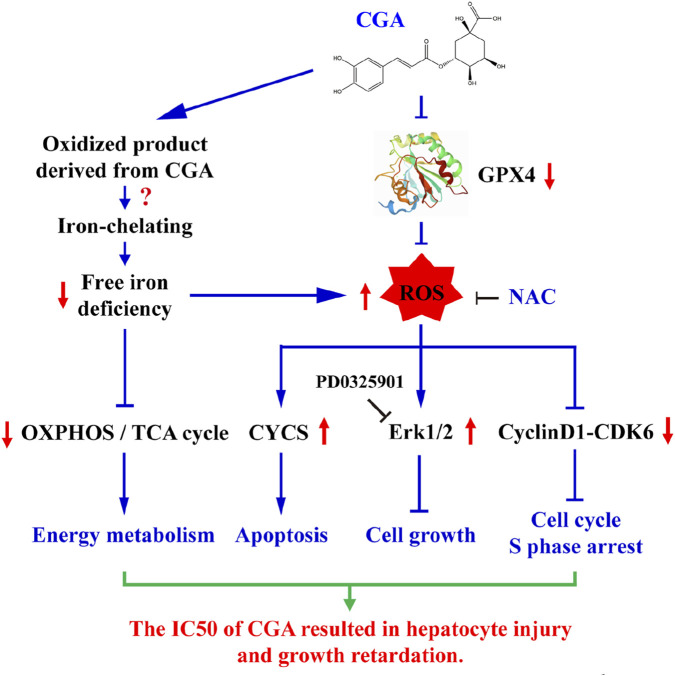 Figure 9
Peer Reviews
No public reviews on file for this paper yet. If you reviewed it on a platform where reviews are public (OpenReview, ICLR, NeurIPS, ICML), you can paste yours below so the community can read it here.
Videos
No videos yet. Explain this paper in a talk, walkthrough, or lecture? Add one.
Taxonomy
TopicsDrug-Induced Hepatotoxicity and Protection · Cassava research and cyanide · Potato Plant Research