At-Home High-Intensity Interval Training for Individuals with Paraplegia Following Spinal Cord Injury: A Case Series
Kevin L. Webb, Margaux B. Linde, Daniel D. Veith, Olaf H. Morkeberg, Megan L Gill, Meegan G. Van Straaten, Edward R. Laskowski, Michael J. Joyner, Lisa A. Beck, Kristin D. Zhao, Kristin L. Garlanger, Chad C. Wiggins

TL;DR
This study shows that at-home high-intensity interval training (HIIT) can improve heart efficiency and exercise capacity in people with spinal cord injuries.
Contribution
The study demonstrates the feasibility and effectiveness of at-home HIIT for individuals with chronic spinal cord injury.
Findings
Participants showed a 17% decrease in submaximal cardiac output after HIIT.
Peak power output increased by 26% following the training program.
An 87% adherence rate was achieved, with high satisfaction and self-efficacy reported.
Abstract
This study aimed to assess the efficacy of a 16-week at-home high-intensity interval training (HIIT) program among individuals with spinal cord injury (SCI). Eight individuals (3 females) with chronic SCI below the sixth thoracic vertebrae participated in a 16-week at-home HIIT program using an arm ergometer. Participants completed baseline graded exercise tests to determine target heart rate zones. HIIT was prescribed three times per week. Each training session included six one-minute bouts with a target heart rate ~80% heart rate reserve (HRR), interspersed with two minutes of recovery (~30% HRR). A portable heart rate monitor and phone application provided visual feedback during training and allowed for measurements of adherence and compliance. Surveys were administered to assess participation, self-efficacy, and satisfaction. Participants demonstrated a decrease in submaximal…
Genes, proteins, chemicals, diseases, species, mutations and cell lines named across the full text — each resolved to its canonical identifier and authoritative record.
Click any figure to enlarge with its caption.
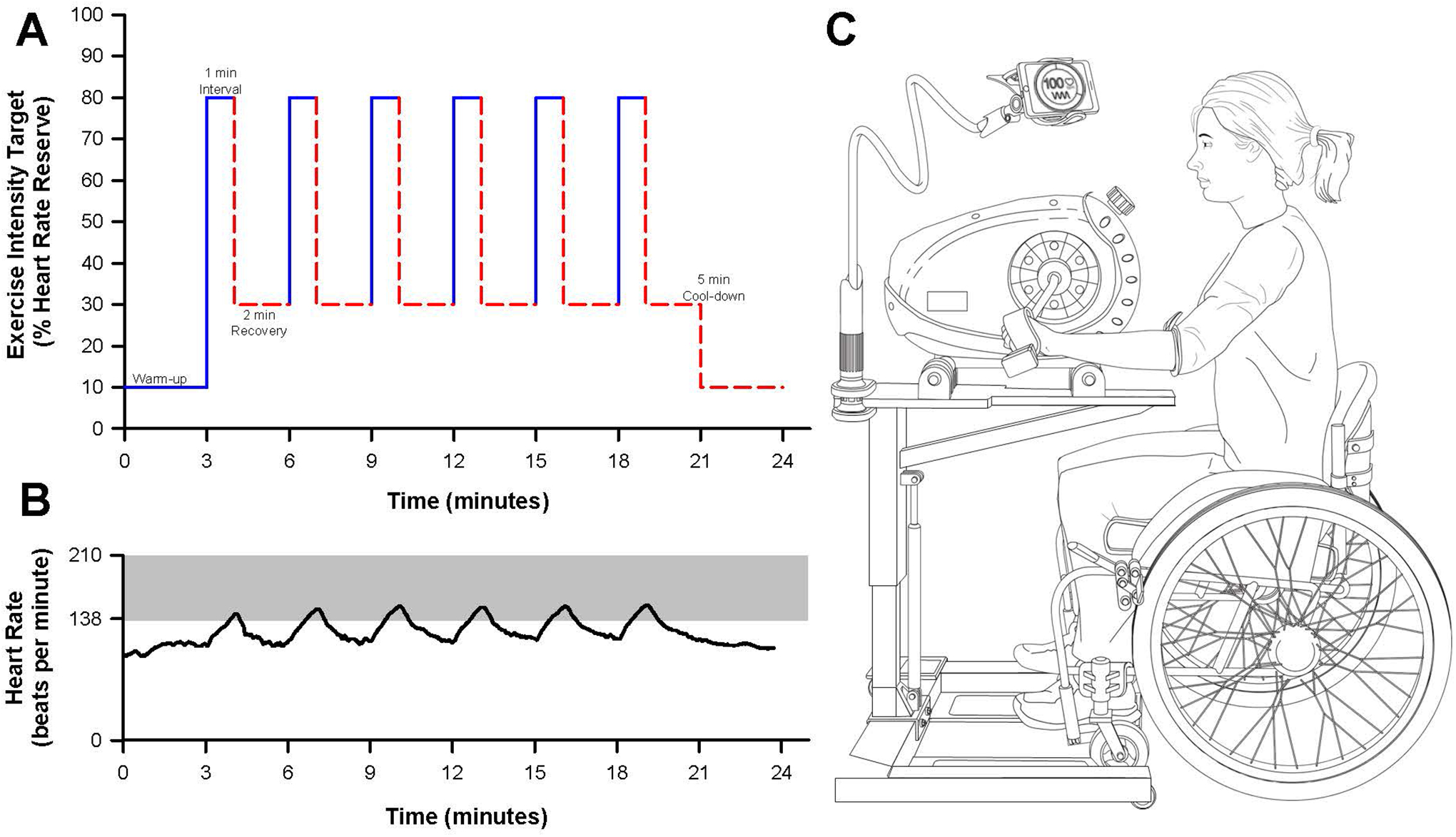 Figure 1
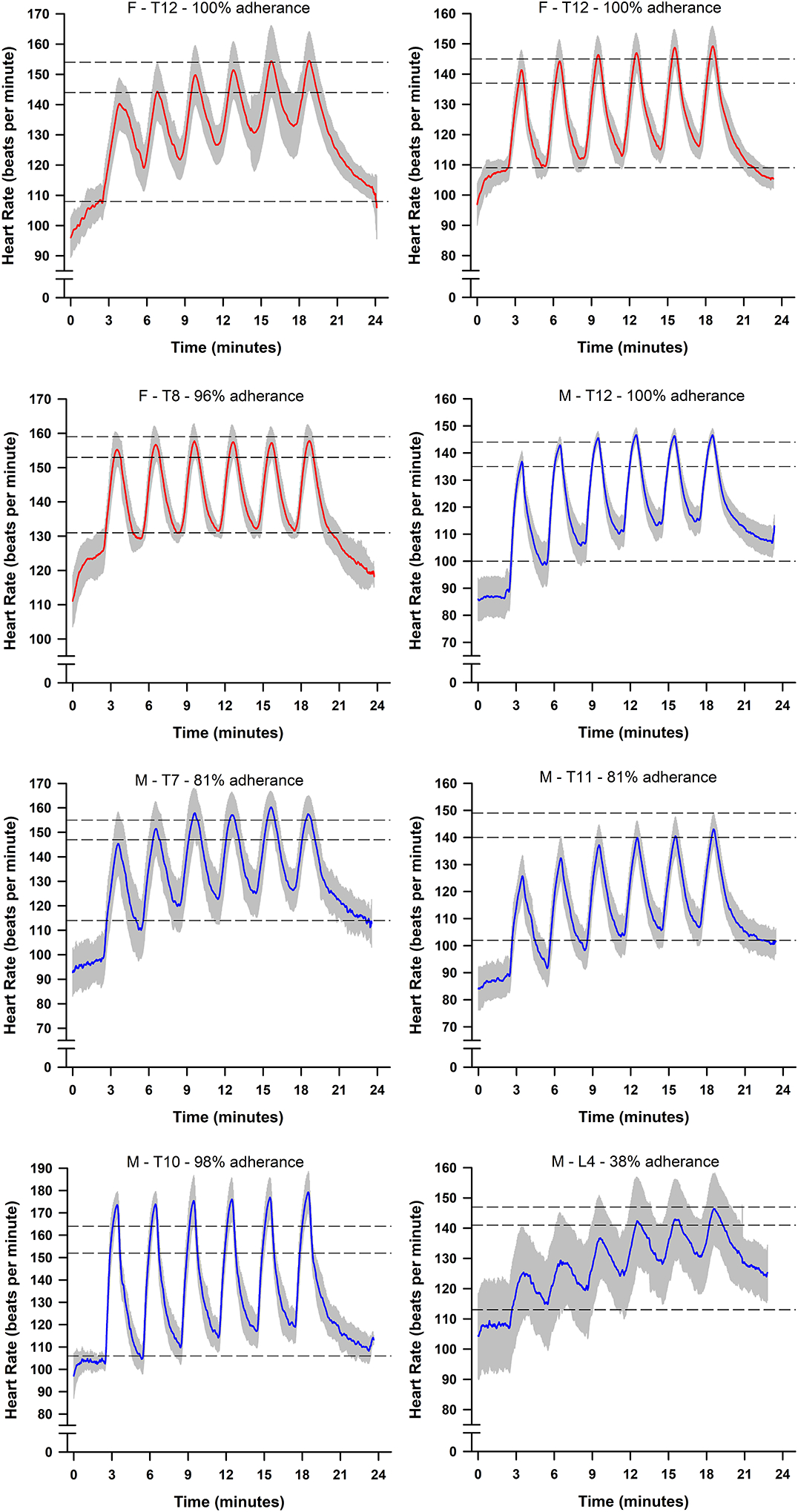 Figure 2
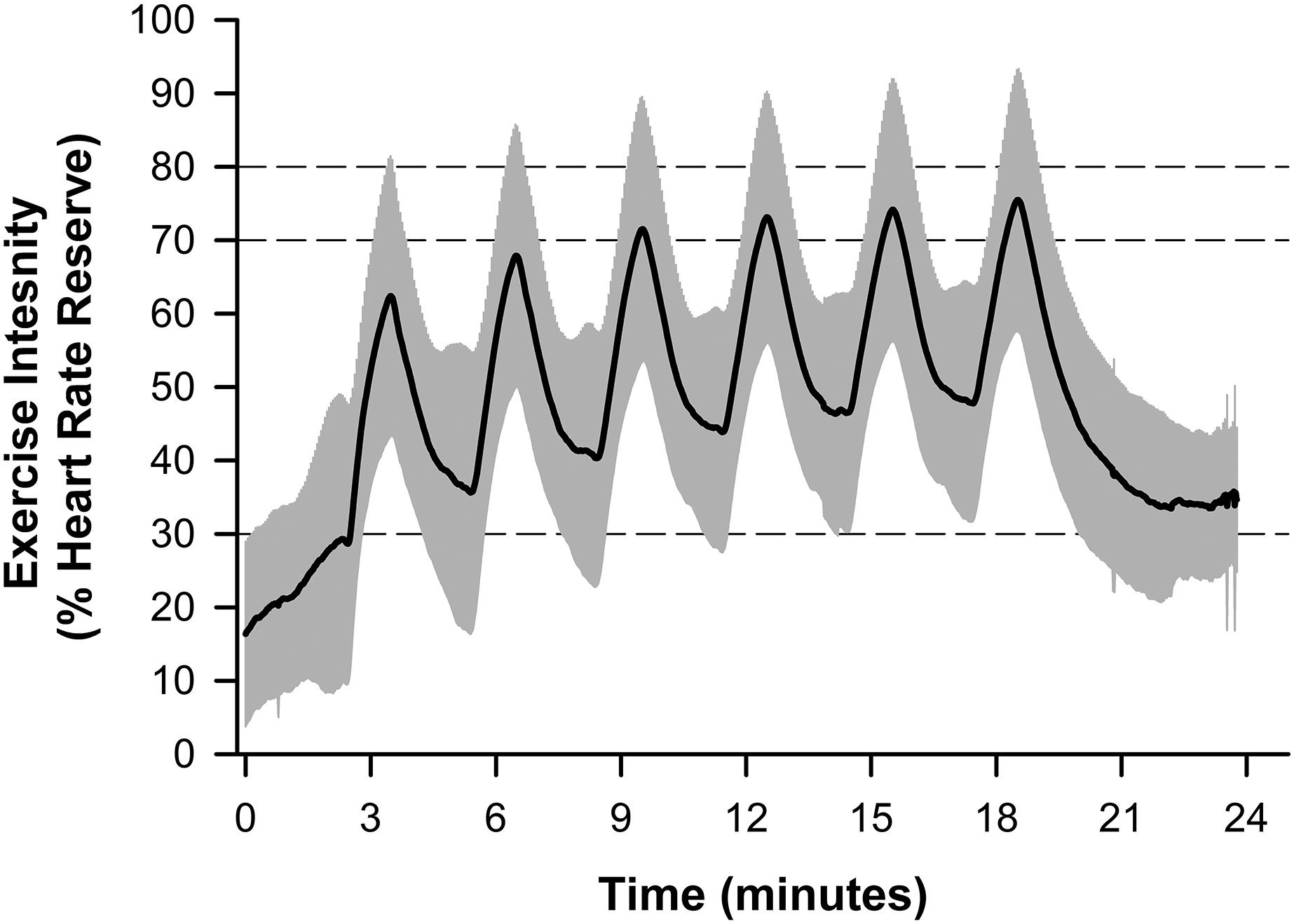 Figure 3
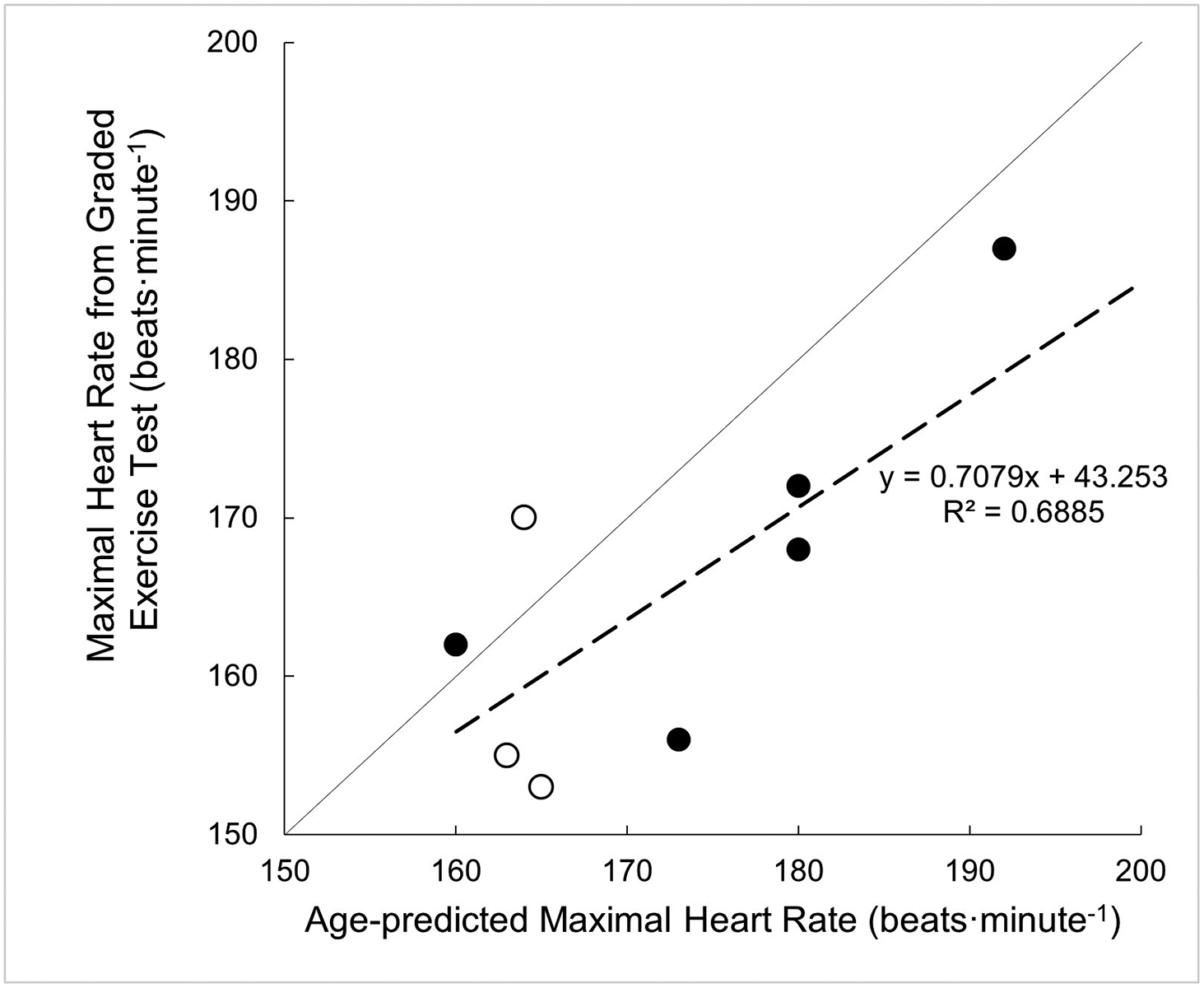 Figure 4
Peer Reviews
No public reviews on file for this paper yet. If you reviewed it on a platform where reviews are public (OpenReview, ICLR, NeurIPS, ICML), you can paste yours below so the community can read it here.
Videos
No videos yet. Explain this paper in a talk, walkthrough, or lecture? Add one.
Taxonomy
TopicsSpinal Cord Injury Research · Cardiovascular and exercise physiology · Heart Rate Variability and Autonomic Control
Introduction
Individuals with spinal cord injury (SCI) often experience motor impairments below the level of injury, leading to worsened levels of physical activity, a greater prevalence of cardiovascular disease, and reduced life expectancy [1]. Some evidence has suggested that the prevalence of heart disease may be ~3 times greater among individuals with SCI compared to able-bodied individuals (17.1% versus 4.9%, respectively) [2]. Regular exercise is critical for mitigating cardiometabolic disease risk factors such as hypertension, dyslipidemia, glucose intolerance, and obesity [3–6]. Current guidelines recommend ~90 minutes or more of moderate to vigorous aerobic exercise per week to improve cardiometabolic outcomes among individuals with SCI [7]. However, those with SCI experience substantial barriers to exercise, such as poor access to facilities, unaffordable equipment, and fear of self-injury [8].
High-intensity interval training (HIIT) is a method of exercise where individuals engage in repeated intervals of intense activity, each followed by a brief period of recovery. HIIT has previously demonstrated substantial improvements in cardiometabolic health in the able-bodied population [9–11]. Additionally, HIIT may shorten the duration of activity required to elicit similar cardiometabolic outcomes compared to continuous, moderate-intensity aerobic exercise [12,13]. Shortening the activity duration may mitigate repeated-use injuries in the upper extremities for individuals with SCI and improve adherence to a prescribed exercise routine. For these reasons, HIIT serves as a promising exercise intervention to improve cardiometabolic health among individuals with SCI.
The efficacy of HIIT in improving cardiorespiratory fitness among individuals with SCI remains unclear [12,14]. Several investigations implementing a 6-week HIIT program among individuals with chronic SCI (>1 year) have demonstrated no marked changes in cardiorespiratory fitness [13,15,16]. Due to the time and resource-intensive nature of these studies, HIIT programs were implemented for 6 weeks, which may be an insufficient duration to elicit marked changes in cardiorespiratory fitness. Thus, additional research is needed to help determine the efficacy of HIIT and program duration necessary to elicit cardiorespiratory improvements.
Overall, this study aimed to assess the efficacy of a 16-week at-home HIIT program among individuals with paraplegia due to chronic SCI. The primary outcomes included peak oxygen uptake (VO_2peak_), peak power output, and training adherence/compliance. We hypothesized that the at-home HIIT program would elicit improvements in VO_2peak_ and peak power output, with favorable training adherence and compliance. A priori determined exploratory analyses were performed to investigate whether 8 weeks of at-home HIIT alone was sufficient to elicit significant changes in primary outcomes.
Materials and Methods
Study design
All experimental procedures were approved by the Mayo Clinic Institutional Review Board (IRB# 18-004972) and registered on clinicaltrials.gov (NCT04378218). Experimental procedures were performed in accordance with the ethical standards set by the Declaration of Helsinki. Participants provided written informed consent prior to enrollment. This study conforms to all STROBE guidelines and reports the required information accordingly (see Supplementary Checklist).
Participants
Ten participants diagnosed with chronic SCI below the sixth thoracic vertebrae (T6) were recruited from the Mayo Clinic SCI database and enrolled in this clinical trial. Following enrollment, one participant chose to withdraw to relocate and begin a different training program for an upcoming sporting event. Another participant completed the trial but was removed from the dataset due to discovery of a cervical (C7) lesion level (finding occurred during subsequent screening for another study, contradictory to medical record indicating a T7 lesion level). Eight eligible participants completed the trial, presented in Table 1. Due to institutional closures and restrictions during the COVID-19 pandemic, only five participants were able to return for in-person laboratory testing.
To be eligible for inclusion, participants must have been at least 18 years of age and reported the use of a manual wheelchair as a primary means of mobility. Individuals were excluded if the SCI occurred at or above T6 due to confounding influences on cardiac autonomic innervation [17]. Additionally, individuals were excluded if the injury occurred less than six months prior to enrollment or if they were diagnosed with any contraindicated health condition for participation in an exercise program. No participants were taking blood pressure medications during the study.
Laboratory testing
Participants attended three laboratory testing sessions during the study: 1) at baseline, 2) after eight weeks of HIIT, and 3) after 16 weeks of HIIT. Due to COVID-19 related institutional closures, graded exercise tests performed at baseline, week 8, and week 16 of HIIT were only available in five participants. Each laboratory visit included a graded exercise test to task failure using an arm cycle ergometer (Model 891E Upper Body Ergometer, Monark Exercise AB, Vansbro, Sweden). Following familiarization with the test protocol and arm cycle, participants selected a comfortable pedaling cadence between 60 and 70 revolutions per minute and were instructed to maintain this cadence during the test within three revolutions per minute. Because of the mechanical nature of the arm cycle, starting workloads varied for each participant due to the individually selected cadence. Each graded exercise test began with two minutes of unloaded pedaling followed by gradual increases in resistance by adding 0.1–0.2 kg to the flywheel every two minutes until task failure. Starting power output and stepwise increases for all participants was 15±3 W (Range 12–20 W). The graded exercise test protocols (cadence and stepwise increases in power output) were held similar for each participant between laboratory visits. Resting and peak heart rate obtained from the baseline graded exercise test (before HIIT) were used to determine individualized target heart rates for at-home training sessions.
For each graded exercise test, participants breathed through a mouthpiece connected to a three-way T-shape non-rebreathing pneumatic sliding valve (Series 8500, Hans Rudolph, Shawnee, KS, USA) and were instrumented with a 12-lead ECG and patient monitoring system (Cardiocap/5, Datex, Louisville, CO, USA). During the graded exercise tests, breath-by-breath respiratory measurements were performed using a cardiorespiratory diagnostic system (CPXD, MGC Diagnostics, St. Paul, MN, USA) interfaced with a mass spectrometer (MGA-11000, Perkin Elmer, Waltham, MA, USA). Before each test, the metabolic cart was calibrated using a two-point procedure with pre-mixed reference gases (room air: 0.03% CO_2_, 21.1% O_2_; calibration gas: 12% O_2_, 5% CO_2_). Respiratory gas exchange measurements and heart rate were averaged across the last 30 seconds of each stage of the graded exercise test. VO_2peak_ was taken as the average of breaths during the last 30 seconds prior to task failure.
Cardiac output was measured during the graded exercise tests using a previously described open-circuit acetylene wash-in technique [18]. Cardiac output was assessed three times during each graded exercise test; 1) at rest, 2) during exercise at a submaximal intensity (respiratory exchange ratio ~1.0 during baseline visit), and 3) immediately prior to task failure. The power output at which the submaximal intensity measurement was taken was held constant between visits. Briefly, participants were switched from inspiring room air to a pre-mixed, commercially available wash-in gas mixture stored in a Douglas bag containing 0.9% helium, 0.6% acetylene, 21% oxygen, and balanced with nitrogen. Upon switching, participants were instructed to breathe normally for 8–12 breaths. Cardiac output was then estimated from the rate of disappearance of acetylene. Stroke volume was taken as the quotient of cardiac output and heart rate.
At-home HIIT training
A novel HIIT program was implemented in accordance with collaborating clinical guidance and a recent meta-analysis recommending high-intensity bouts of ≥2 minutes duration and total session length of ≥15 minutes [19]. After study enrollment, participants underwent an at-home training session to determine HIIT protocol characteristics and ensure proper equipment function/set-up. The instructed minimal cadence was ~40 revolutions per minute. Participants then underwent a supervised training session to ensure correct resistance adjustments and execution of high and low intensity bouts according to heart rate targets.
Each participant was instructed to complete three at-home HIIT training sessions per week, totaling 48 structured HIIT sessions over 16 weeks. Each training session was 24 minutes in length and structured as follows: three-minute warmup, six one-minute high-intensity intervals with a target intensity at 80% of the individuals’ heart rate reserve (HRR, calculated using the Karvonen formula) with two minutes of active recovery, and a three-minute cooldown (Figure 1A and 1B). Of note, the heart rate kinetics during the first one to two intervals were often not rapid enough to achieve the target heart rate of 80% HRR. Therefore, if a participant reached a threshold of >70% HRR, we deemed the interval acceptable in achieving the high-intensity target. Heart rate targets were kept consistent throughout the training period and thus the training program was not considered progressive.
At-home training sessions were performed using an arm cycle mounted to a wheelchair-accessible hydraulic table (PhysioTrainer UBE and Hydraulic UBE Table, HCI Fitness, Langley, WA, USA). Each in-home unit was provided and installed in the participants’ homes by the study team (Figure 1C). Participants were provided with a portable heart rate monitor (Polar H10 Heart Rate Sensor, Polar Electro Inc., Bethpage, NY, USA) that was integrated with a smartphone using a commercially available applications (Polar Beat and Polar Coach Applications, Polar Electro Inc., Bethpage, NY, USA). Training sessions were guided by real-time visual heart rate through the phone application. Heart rate and interval durations during the training sessions were measured using the phone application. From these data, participant adherence (completion of prescribed training sessions) and compliance (the achievement of target heart rate zones during bouts of high intensity and recovery) were determined.
Survey assessments
Several surveys were developed by the study team for this study to determine participant-reported levels of safety (Supplementary Table 1). Previously validated surveys did not encapsulate all areas of interest, and thus novel surveys were constructed to record areas of interest for collaborating clinicians to help guide future practice. Participants were contacted to ensure complete survey data and accurate reporting of adverse events. Participant communication excluded any coaching or encouragement to avoid confounding investigator influence. Additionally, the SCI Exercise Self-Efficacy Scale (SCI ESES) was used to assess participants’ confidence regarding carrying out regular exercise [20]. The SCI ESES consists of a 4-point rating scale (1: not at all true, 4: always true). The SCI ESES was completed at three time points (before, during, and after HIIT) to assess changes in confidence in performing exercise. A final survey, administered after the study, was developed to assess participant satisfaction with the at-home HIIT exercise program (Table 2).
Statistical analyses
Data normality was confirmed using Shapiro-Wilk tests. Physiological data obtained throughout the graded exercise tests (heart rate, cardiac output, stroke volume, VO_2_, and O_2_ pulse) were examined at three intensities: 1) rest, 2) a submaximal intensity (respiratory exchange ratio ~1.0), and 3) peak intensity. One-way repeated measures analysis of variance (ANOVA) models were used to determine the effects of 8- and 16- weeks of at-home HIIT on physiological data, training adherence, training compliance, and reported measures of self-efficacy. When appropriate, a Bonferroni post-hoc test was used to correct for multiple comparisons and to determine where differences occurred (between baseline, 8-weeks, and 16-weeks specifically). Additionally, a one-way ANOVA model was used to detect differences in training compliance in terms of achieving target heart rate zones between the first eight weeks and the second eight weeks of HIIT. To aid interpretation of effect sizes, partial eta squared (ηp^2^) values are reported for all ANOVA models. Consistent with conventional benchmarks within the field, ηp^2^ values of approximately 0.2, 0.4, and 0.7 are interpreted as small, medium, and large effects, respectively [21].
A linear regression was performed to examine the relationship between the age-predicted maximal heart rate and the maximal heart rate achieved during the first graded exercise test to examine if the age-predicted maximal heart rate would serve as a ‘good’ target among this patient population. All statistics were performed using SigmaStat (Version 4, Systat, Palo Alto, CA), and a priori statistical significance was set as P<0.05. Descriptive statistics are presented as mean ± standard deviation (SD).
Results
Graded exercise tests
The effects of HIIT on cardiorespiratory parameters during the graded exercise test are presented in Table 3. VO_2peak_ did not significantly improve with HIIT (P=0.064, ηp^2^=0.498, n=5). However, peak power output improved by ~26% at 16-weeks relative to baseline (P=0.027, ηp^2^=0.593, n=5). There was no effect of HIIT on resting cardiac output (P=0.252, ηp^2^=0.368, n=4), heart rate (P=0.464, ηp^2^=0.175, n=5), or stroke volume (P=0.304, ηp^2^=0.328, n=4). Relative to baseline measures, submaximal cardiac output decreased by ~17% following 16 weeks of at-home HIIT (P=0.028, ηp^2^=0.695, n=4). There was no significant effect of HIIT on heart rate nor stroke volume at submaximal intensity (P>0.749, ηp^2^<0.065, power output: 36±6 W, n=4). There was no significant effect of at-home HIIT on peak cardiac output, stroke volume, or heart rate (P>0.361 ηp^2^<0.225).
Training adherence and compliance
Data regarding HIIT adherence and compliance are presented in Table 1. Overall adherence to the training was 87±20% (Range: 38–100%). Figure 2 depicts the average compliance for all eight participants during the at-home HIIT sessions. Within the 24-minute HIIT sessions, participants demonstrated good compliance in achieving a heart rate corresponding to 70% HRR (80±21%, Range: 43–99%). However, participants were less compliant in achieving the target heart rate corresponding to 80% HRR during training (57±28%, Range: 9–92%). Most participants demonstrated the ability to achieve a heart rate greater than 70% HRR during the latter half of the six high-intensity intervals. Conversely, the target heart rate was frequently unachieved during the two-minute bouts of recovery. During bouts of recovery, the target heart rate was only attained ~35% of the time (Range: 1–77%). Figure 3 shows the composite heart rate data for all participant training sessions (average of 253 training intervals across all participants).
There were no significant differences in adherence rates between the first eight weeks and the last eight weeks of at-home HIIT (P=0.369, ηp^2^=0.102, n=8). There was no effect of training on heart rate during the recovery intervals between the first eight weeks and the last eight weeks of the training program (P=0.982, ηp^2^=0.002, n=8). Additionally, a linear regression demonstrated a significant relationship between the age-predicted maximal heart rate and the measured maximal heart rate during the graded exercise test (P=0.025, n=8, Figure 4).
Participant safety and self-efficacy
A total of four non-serious adverse events were reported from weekly surveys during the study. Two incidents of shoulder soreness were reported after a training session, as well as two incidents of sustained tachycardia that were deemed likely related to the intervention by the principal investigator. All incidences of tachycardia resolved within 30 minutes after the session ended, and all incidences of shoulder soreness resolved within a week. Only one participant missed a week of training due to shoulder soreness. Scores determined from the SCI ESES survey did not significantly change throughout the training period (P=0.497, ηp^2^=0.095, n=8). Overall, participants reported high exercise self-efficacy scores at baseline (Total score: 3.4±3.3). However, the score in response to the statement “when confronted with a barrier to exercise I could usually find several solutions to overcome the barrier” was greater at week eight rather than week 16 (Total score: 3.6±0.5 vs 3.0±0.5, respectively, P=0.023, ηp^2^=0.701, n=8).
All participants were satisfied with the HIIT exercise program (Table 2) and agreed that they would recommend the activity to a friend, and most said they planned to continue HIIT as part of their regular exercise routine. Additionally, three participants reported a change in physical activity outside of the HIIT program. Participant four did not complete the correct survey and was lost to follow-up.
Discussion
Cardiorespiratory fitness
The data presented suggest that the HIIT program improved maximal work capacity and indicative of improved cardiac efficiency during moderate intensity exercise, as evidenced by the increase in peak power output and decrease in submaximal cardiac output, respectively. These findings are generally in good agreement with other studies examining the effects of HIIT on cardiorespiratory fitness among individuals with chronic SCI [14–16]. However, a statistically significant improvement in VO_2peak_ was not observed among the participants following 16 weeks of HIIT. This observation may be explained by the relatively short duration of the high-intensity intervals (~2 minutes each) used in this study, compared to the longer duration of high-intensity intervals (~3 to 8 minutes each) used among other studies [12,22,23]. Additionally, it is likely that the presented study was underpowered to detect such differences in VO_2peak_. As such, it is plausible to suggest that a near significant improvement in VO_2peak_ (p=0.064) demonstrates a strong physiological trend where a larger cohort may have reached significance.
One appealing aspect of HIIT is the potential to reduce the cumulative exercise time per week required to elicit similar improvements in cardiometabolic health compared to continuous aerobic training. This proposed benefit may be of particular interest among participants with SCI due to the high risk of stress-induced injuries in the shoulder joint. Yet, greater durations of high-intensity intervals than investigated may be required to elicit significant improvements in VO_2peak_, and theoretically other cardiometabolic health factors. Therefore, there appears to be a balance in the prescribed ‘dose’ of HIIT among this population. On one hand, too little HIIT may not elicit improvements in cardiometabolic health, yet excessive HIIT may lead to stress injuries in the upper extremities that may worsen with continuous training. Future research warrants the investigation of an increased training load of HIIT on shoulder health and function to better dissociate the limitations of prescribed HIIT among individuals with SCI. With additional efforts, we may be able to prescribe an optimal ‘dose’ of HIIT, likely contingent on individual characteristics such as strength, baseline fitness, and fatiguability.
Adherence
Several elements of this study may have contributed to the relatively high training adherence. First, in-home and wheelchair-accessible equipment served to remove reported barriers. A survey of individuals with SCI found that not having exercise equipment in the home reduced the likelihood of exercising by ~68% [24]. Additionally, the relatively short exercise durations inherent to HIIT may have also improved training adherence. Lastly, the at-home availability of the wheelchair-accessible arm cycle may have facilitated independent exercise due to enhanced availability, and incorporating technology-assisted self-monitoring through the use of an available smartphone application likely reinforced autonomy during these sessions. Finally, the at-home nature of this study design allowed scheduling flexibility for when the HIIT sessions could be performed. The removal of traveling burdens, facility access, and membership-associated fees were all potential contributors to successful adherence. Independence has been noted as a motivator for consistent activity for many with SCI [8]. However, participants who were willing to be involved in this study may have a greater internal motivation to perform regular exercise compared to the general population with SCI, leading to some degree of selection bias.
Previous investigation by Koontz et al. examined the feasibility and preliminary efficacy of at-home HIIT among individuals with chronic SCI [16]. Authors found an ~89% training adherence rate, and that high-intensity heart rate targets were reached among ~46% of training sessions. Although these data are similar to our findings, Koontz and colleagues employed a study trainer to instruct each HIIT session during the 6-week program. In contrast, the presented study involved 16 weeks of HIIT without supervised training. Therefore, supervised exercise may not be required for HIIT interventions in the SCI population. Additional research is warranted to determine the behavioral and participant factors that contribute to HIIT adherence and compliance, particularly among unsupervised training sessions.
Compliance
The target heart rates during HIIT were tailored for each participant based on results from the baseline graded exercise test. Additionally, continuous heart rate feedback provided through the smartphone application may have assisted in the achievement of the high-intensity heart rate targets. The difficulty noted with participants achieving the target recovery heart rate (~30% HRR) may indicate that more than two minutes of recovery or a lightened recovery work rate is necessary. Yet, participants elicited significant improvements in cardiorespiratory fitness despite limitations in reaching target recovery heart rate. Therefore, the exact HIIT program characteristics (i.e., ability to achieve target recovery heart rate) that confer efficacious improvements in cardiorespiratory fitness remain unclear.
It is unclear whether adequate recovery influences the achievement of subsequent high-intensity bouts. Venous pooling is a known occurrence for individuals with SCI during arm cycling, which affects the hemodynamic response to exercise and may lead to an elevated heart rate between high-intensity bouts [25]. Although few participants wore compression stockings during training sessions, there is limited data to suggest a significant affect upon the venous system and cardiovascular responses [26]. In light of the presented findings, future work is needed to examine the changes in heart rate during HIIT training among individuals with SCI to determine the optimal duration of high-intensity and recovery intervals necessary to achieve the prescribed HRR targets. Additionally, these findings demonstrated a positive association between the maximal heart rate achieved during the baseline graded exercise test to the age-predicted maximal heart rate. Therefore, we suggest that age-predicted heart rate may be a useful target when prescribing exercise for this specific SCI population (injury below T6).
While originally prescribed a target of 80% HRR, we determined ≥70% HRR as sufficiently compliant due to this value qualifying as appropriate intensity to be considered HIIT. There are several potential factors that prevented participants from achieving the 80% HRR target, mainly insufficient time (1 minute) spent at high intensity for which heart rate kinetic response was not fast enough to achieve, especially in the first one to two intervals of each session. For participants that reported lower compliance, it is plausible to suggest these individuals limited their physiological adaptations to some degree.
Participant safety and self-efficacy
Infrequent incidences of adverse events were reported during the at-home HIIT program. However, indications of tachycardia were noted by primary care providers prior to study involvement, with no notable concern about participating in a regular exercise program. Reports of shoulder pain were addressed by advising rest and reduced resistance during the HIIT sessions. Additionally, some investigators have reported improvements in shoulder health among individuals with SCI following upper extremity exercise. For instance, Graham et al. noted an improvement in strength scores following arm cycle training [13]. From these results, the authors suggest that only 40 minutes of HIIT per week was sufficient to improve upper extremity strength in the chest press and lateral pull-down. Although the upper extremity adverse events were minor in our study, future studies focusing on upper extremity exercise should address shoulder health in screening and throughout the study by denoting any alterations in shoulder pain, range of motion, and strength.
Within this study, participants reported moderate confidence in exercise participation at baseline, and this confidence persisted throughout the study. Given their willingness to participate in a 16-week exercise study, it is possible that the recruited participants may have greater confidence in exercise relative to the general SCI population. Additionally, participants reported a lower barrier to exercise after eight weeks of HIIT than at the end of the study. The lower confidence in overcoming these barriers at the end of the study is an area that should be further investigated. For example, demotivation could potentially be an additional barrier due to the need to return the arm cycle and other equipment to the study staff following termination of the HIIT program.
Satisfaction survey data indicated that most participants enjoyed this at-home HIIT program. Similarly, HIIT has previously been demonstrated to be more enjoyable than moderate-intensity exercise in the SCI population [27,28]. Some have suggested that the reported enjoyment may be associated with the frequent recovery bouts breaking up the monotony of the workout, the constant change in activity, and the feeling of accomplishment achieved through more intense work [28]. Despite COVID-19 pandemic-related restrictions at our institution during the study (March 2020 through July 2021), participants continued to perform the HIIT program at home. However, a potential bias exists with the at-home sessions due to the various restrictions placed during the pandemic and may have influenced motivation for study participation, effort during the HIIT sessions, and general contentment during this time frame.
Study limitations
Presented findings should be interpreted with several pertinent caveats. In terms of study design, these findings are limited by a lack of control group. Several studies examining HIIT efficacy among patients with SCI have used various control groups, including a non-training group [16] and a continuous, moderate exercise group [13,14]. Within future studies, the inclusion of a control group may help dissociate HIIT-specific benefits compared to more conventional training programs. Additionally, the non-standardization of HIIT protocols (duration/intensity of high and low intensity bouts) may confound the comparison of findings to other HIIT studies [29,30]. Of note, the Karvonen formula, used to calculate target HRR, has not been validated in the SCI population. However, due to the exclusion of injuries above T6, we believe the blunted heart rate response was likely minimal during testing procedures. Future work is needed to determine ‘optimal’ training protocols tailored to individual patients, incorporating baseline fitness/activity levels, access to training equipment, and self-confidence in the ability to perform exercise. Such studies would particularly benefit from accounting for psychological and behavioral factors associated with effective exercise adherence and compliance among participants with chronic SCI.
This study is also limited by a small sample size, as only five participants were able to return for follow-up exercise testing due to institutional closure and restrictions during the COVID-19 pandemic. Post-hoc power analyses indicate that to achieve significant differences with the desired power of 0.8 for peak power output, and VO_2peak_, a sample size of 10 participants would be needed. Despite the limited sample size and heterogeneity of training adherence/compliance, participants still demonstrated significant improvements in cardiorespiratory fitness, suggesting good generalizability of the described HIIT protocol to the overall SCI population. However, there may be selection bias within the presented cohort due to the inclusion of generally motivated participants who completed 16-weeks of HIIT. Within the overall SCI population, training drop-out and long-term cardiorespiratory effects have yet to be determined.
Conclusion
This pilot study suggests that a 16-week at-home HIIT program was easily implemented for individuals with SCI below the sixth thoracic vertebrae. Overall, participants achieved high adherence and compliance, infrequent adverse events, a high reported self-efficacy, and improvements in cardiac efficiency during submaximal exercise, and maximal work capacity. From these observations, we propose that HIIT may provide an enjoyable long-term aerobic exercise program for individuals with SCI. Future studies warrant rigorous examination in relation to sedentary age-matched controls and other training programs, including cross over study designs.
Supplementary Material
JPMR-25-056-Supplementary_Files
The reference list from the paper itself. Each links out to its DOI / PubMed record.
- 1Spinal Cord Injury Facts and Figures at a Glance. J Spinal Cord Med. May 2014;37(3):355–6.26793805 10.1179/1079026814 Z.000000000260 PMC 4064586 · doi ↗ · pubmed ↗
- 2Cragg JJ, Noonan VK, Krassioukov A, Borisoff J. Cardiovascular disease and spinal cord injury: results from a national population health survey. Neurology. 2013 Aug 20;81(8):723–8.23884034 10.1212/WNL.0b 013e 3182 a 1aa 68PMC 3776463 · doi ↗ · pubmed ↗
- 3Groah SL, Nash MS, Ward EA, Libin A, Mendez AJ, Burns P, Cardiometabolic risk in community-dwelling persons with chronic spinal cord injury. J Cardiopulm Rehabil Prev. 2011 Mar-Apr;31(2):73–80.21045711 10.1097/HCR.0b 013e 3181 f 68aba · doi ↗ · pubmed ↗
- 4Myers J, Lee M, Kiratli J. Cardiovascular disease in spinal cord injury: an overview of prevalence, risk, evaluation, and management. Am J Phys Med Rehabil. 2007 Feb;86(2):142–52.17251696 10.1097/PHM.0b 013e 31802 f 0247 · doi ↗ · pubmed ↗
- 5Nash MS, Groah SL, Gater DR Jr, Dyson-Hudson TA, Lieberman JA, Myers J, Identification and Management of Cardiometabolic Risk after Spinal Cord Injury: Clinical Practice Guideline for Health Care Providers. Top Spinal Cord Inj Rehabil. 2018 Fall;24(4):379–423.30459501 10.1310/sci 2404-379PMC 6241225 · doi ↗ · pubmed ↗
- 6Rabadi MH, Mayanna SK, Vincent AS. Predictors of mortality in veterans with traumatic spinal cord injury. Spinal Cord. 2013 Oct;51(10):784–8.23896672 10.1038/sc.2013.77 · doi ↗ · pubmed ↗
- 7Martin Ginis KA, van der Scheer JW, Latimer-Cheung AE, Barrow A, Bourne C, Carruthers P, Evidence-based scientific exercise guidelines for adults with spinal cord injury: an update and a new guideline. Spinal Cord. 2018 Apr;56(4):308–21.29070812 10.1038/s 41393-017-0017-3 · doi ↗ · pubmed ↗
- 8Kehn M, Kroll T. Staying physically active after spinal cord injury: a qualitative exploration of barriers and facilitators to exercise participation. BMC Public Health. 2009 Jun 1;9:168.19486521 10.1186/1471-2458-9-168PMC 2694784 · doi ↗ · pubmed ↗