MYH9 Variant p.(Arg424Gly) Alters Nonmuscle Myosin IIA Contraction, Causing Atypical MYH9-related Disease
Lena Pollinger, Johannes N. Greve, Melanie Grosch, Sara Kaliman, Shada Abuhattum, Martin Kräter, Ina Brauer, Jan T. Schaefer, Francesca Pasutto, Antje Wiesener, Florian J. Wopperer, Cathiana Kolb, Christian H.K. Lehmann, André Hoerning, Christoph Daniel, Kerstin Amann

TL;DR
A new MYH9 gene variant causes a rare disease by increasing the activity of a muscle-related protein, leading to kidney and liver issues.
Contribution
This study identifies a novel gain-of-function MYH9 variant causing atypical MYH9-related disease.
Findings
The p.(Arg424Gly) variant increases ATP turnover and motor activity of nonmuscle myosin IIA.
The variant is fully segregating in a family and causes proteinuric kidney disease and elevated liver enzymes.
The disease mechanism is linked to enhanced intrinsic motor activity of the variant protein.
Abstract
Pathogenic variants in myosin heavy chain 9 (MYH9), encoding the heavy chain of nonmuscle myosin IIA (NMMIIA), cause autosomal-dominant MYH9-related disease that may include proteinuric kidney disease, macrothrombocytopenia, cataract, sensorineural deafness, and elevated liver enzymes. Whole exome sequencing and segregation analysis were performed in a patient with end-stage renal disease. Histology of kidney and liver biopsies was assessed and blood smears were examined for the presence of Döhle-like bodies. Deformability cytometry and monocyte migration assays were performed. Immortalized podocytes and primary skin fibroblasts of 1 patient were transfected with plasmids containing MYH9 wild type (WT) or the p.(Arg424Gly) variant. Biochemical studies using recombinantly produced proteins were conducted to assess the variant’s impact on adenosine triphosphate (ATP) turnover and motor…
Genes, proteins, chemicals, diseases, species, mutations and cell lines named across the full text — each resolved to its canonical identifier and authoritative record.
Click any figure to enlarge with its caption.
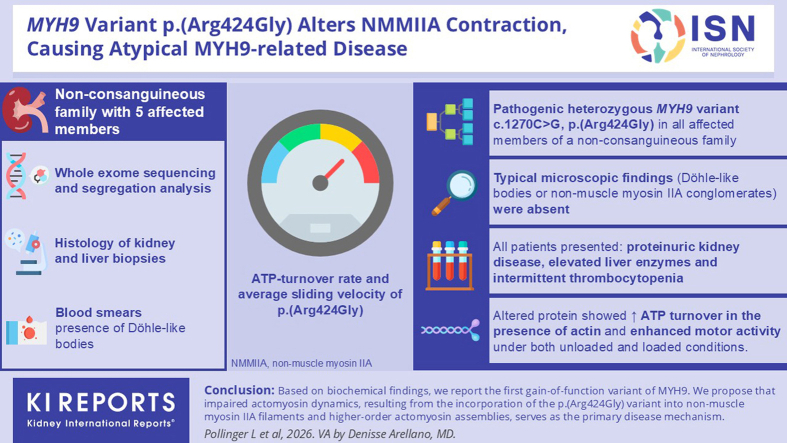 Figure 1
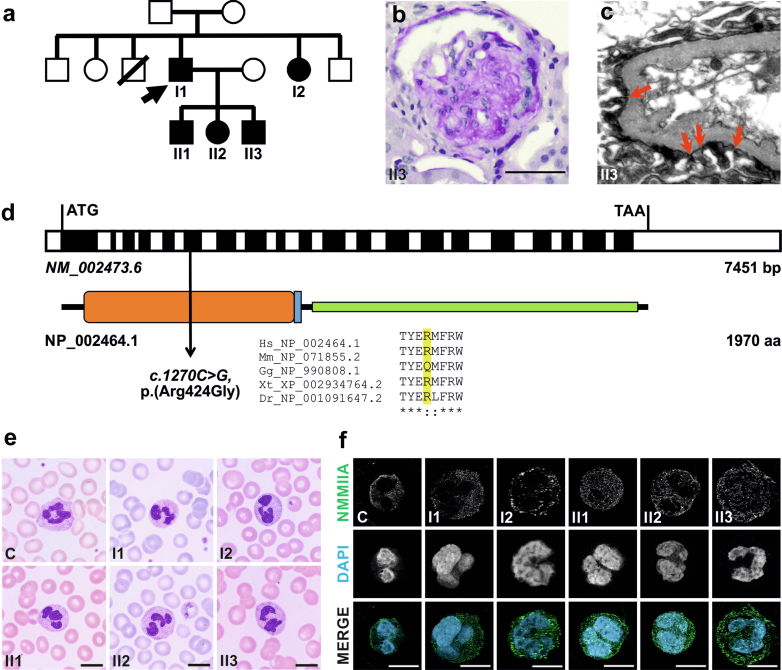 Figure 2
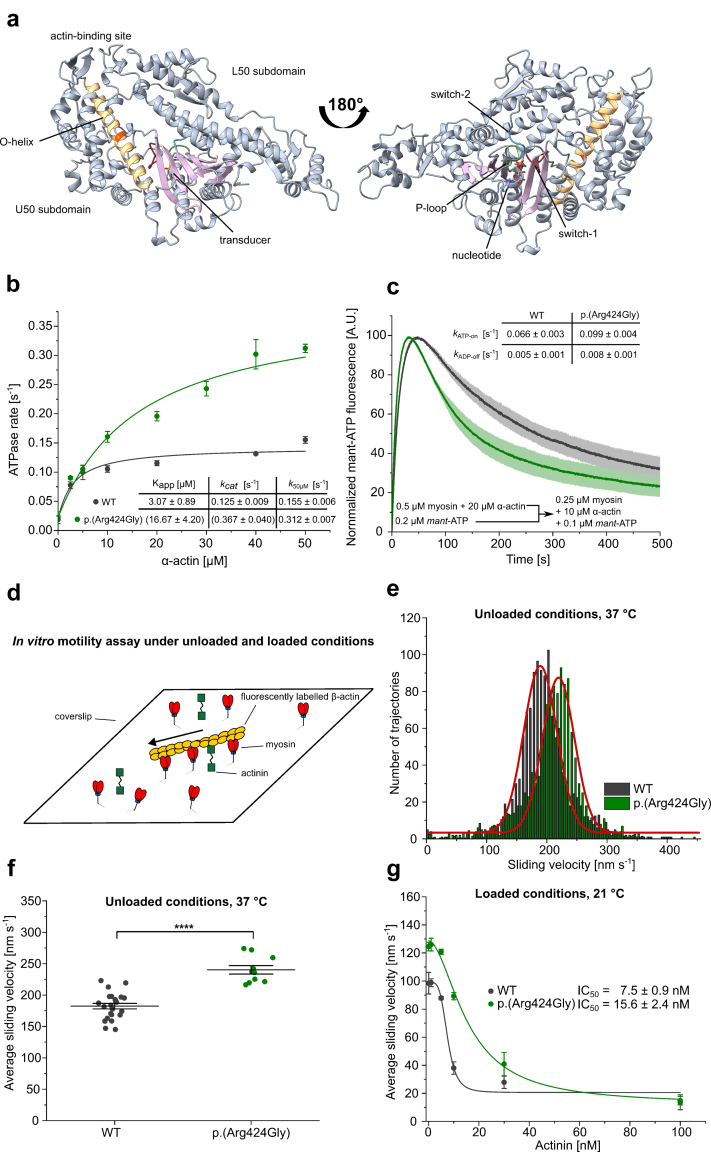 Figure 3
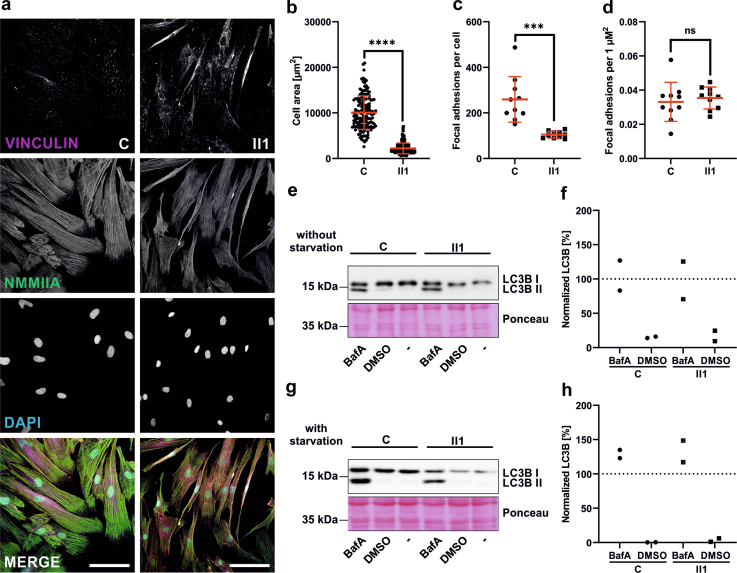 Figure 4
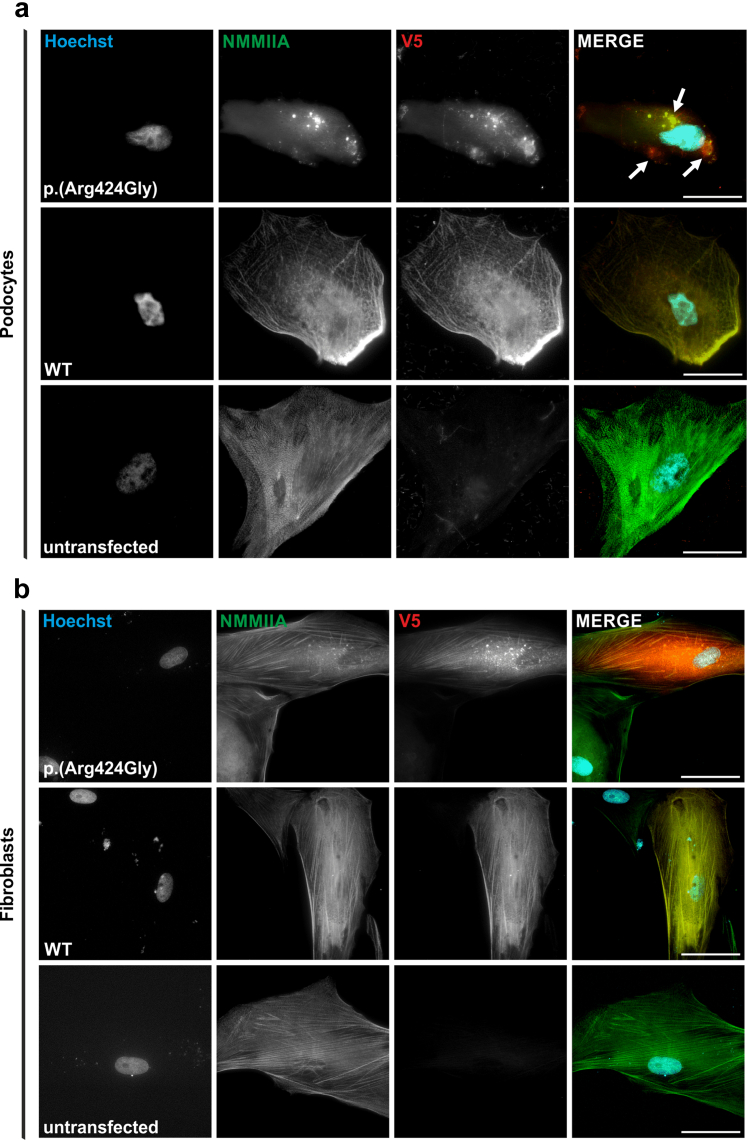 Figure 5
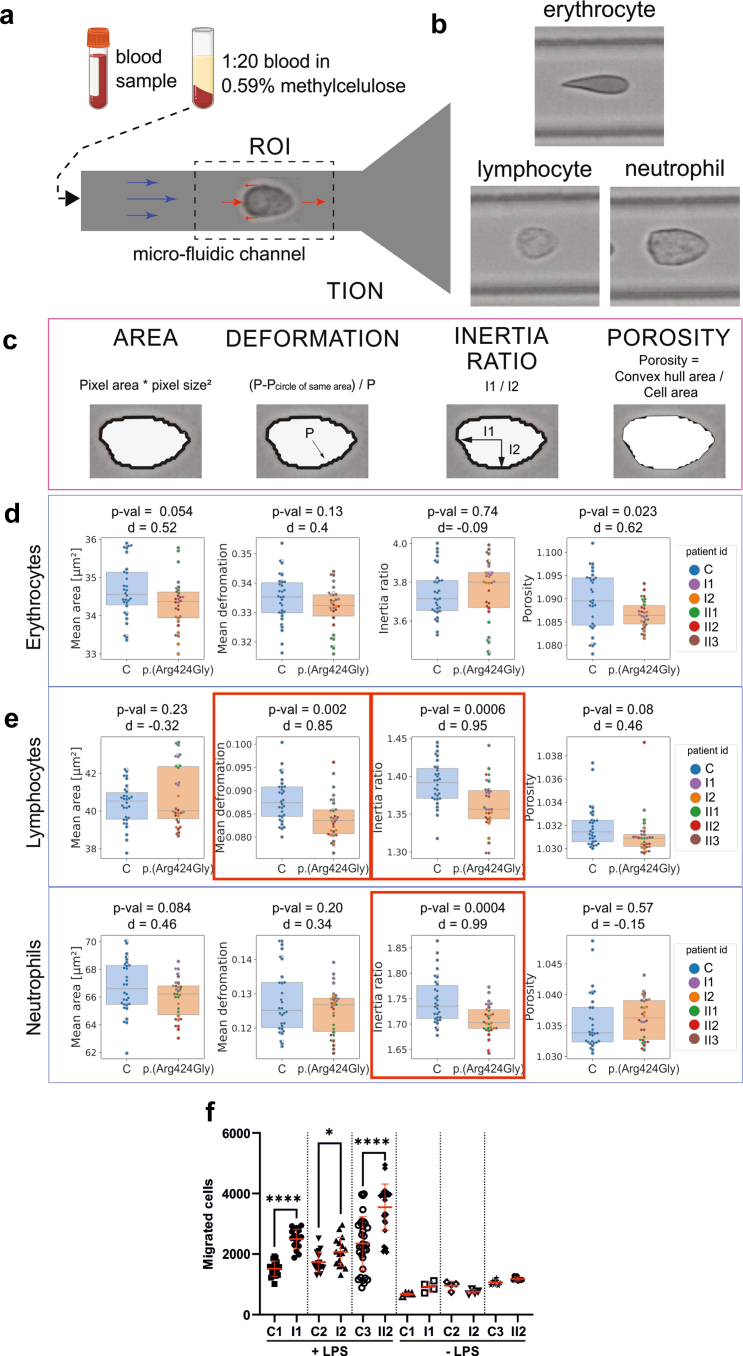 Figure 6
Peer Reviews
No public reviews on file for this paper yet. If you reviewed it on a platform where reviews are public (OpenReview, ICLR, NeurIPS, ICML), you can paste yours below so the community can read it here.
Videos
No videos yet. Explain this paper in a talk, walkthrough, or lecture? Add one.
Taxonomy
TopicsCardiomyopathy and Myosin Studies · Muscle Physiology and Disorders · Renal Diseases and Glomerulopathies