Prevention of dementia using mobile phone applications (PRODEMOS) – a health-economic cost-utility analysis in people aged 55–75 years with low socio-economic status
Ron Handels, Marieke Hoevenaar-Blom, Manshu Song, Carol Brayne, Eric Moll van Charante, Fiona E. Matthews, Junfang Xu, Linus Jönsson, Nicola Coley, Rachael Brooks, Xuening Jian, Tingting Qin, Youxin Wang, Wei Wang, Edo Richard, Anders Wimo

TL;DR
A mobile health app called PRODEMOS aimed at preventing dementia in older adults may not be cost-effective in the UK and China, based on assumptions about its long-term effectiveness.
Contribution
The study evaluates the cost-effectiveness of a mobile health intervention for dementia prevention in low-SES populations in the UK and China.
Findings
Simulations suggested dementia cases could be avoided in the UK and China, but results were uncertain due to assumptions.
The intervention showed minimal gains in disease-free time for dementia-related outcomes.
The incremental net health benefit was negative in both countries, indicating potential lack of cost-effectiveness.
Abstract
•The PRODEMOS coach-supported mobile health intervention for the primary prevention of dementia, aimed at people aged 55 to 75 years with low SES in the UK and those of any SES in China, may potentially lack cost-effectiveness in both countries. However, the results were based on strong assumptions regarding causality and sustained effectiveness, which limits policy recommendations. The PRODEMOS coach-supported mobile health intervention for the primary prevention of dementia, aimed at people aged 55 to 75 years with low SES in the UK and those of any SES in China, may potentially lack cost-effectiveness in both countries. However, the results were based on strong assumptions regarding causality and sustained effectiveness, which limits policy recommendations. We aimed to explore the potential incremental cost-effectiveness of the PRODEMOS coach-supported mobile health intervention…
Genes, proteins, chemicals, diseases, species, mutations and cell lines named across the full text — each resolved to its canonical identifier and authoritative record.
Click any figure to enlarge with its caption.
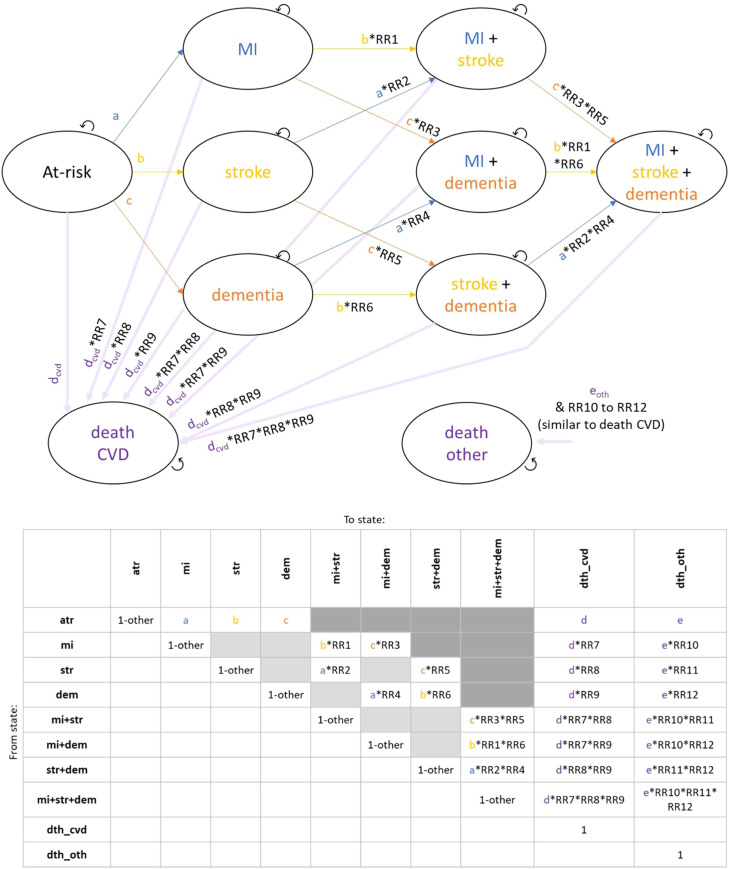 Figure 1
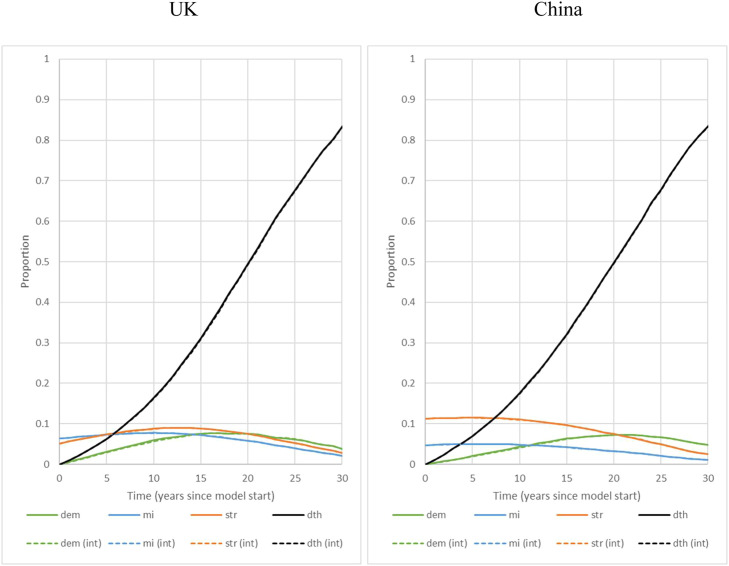 Figure 2
Peer Reviews
No public reviews on file for this paper yet. If you reviewed it on a platform where reviews are public (OpenReview, ICLR, NeurIPS, ICML), you can paste yours below so the community can read it here.
Videos
No videos yet. Explain this paper in a talk, walkthrough, or lecture? Add one.
Taxonomy
TopicsDementia and Cognitive Impairment Research · Technology Use by Older Adults · Mobile Health and mHealth Applications