Differential Effects of Twice vs. Four Times Weekly Combined Exercise Training in Aging Adults With Hypertension: A Randomized Clinical Trial
Rodrigo Ferrari, Vinícius Mallmann Schneider, Lucas Betti Domingues, Rodrigo Abreu, Gabriel Lemes, Rodrigo Leal‐Menezes, Hirofumi Tanaka, Sandra Costa Fuchs, Leandro de Oliveira Carpes

TL;DR
This study compared the effects of exercising twice or four times a week on blood pressure in older adults with hypertension, finding that more frequent exercise may offer better benefits.
Contribution
The study provides new evidence on the optimal weekly frequency of combined exercise for blood pressure management in aging adults with hypertension.
Findings
Four times weekly exercise led to greater reductions in systolic and diastolic blood pressure compared to twice weekly.
Cardiorespiratory fitness improved significantly in the four times weekly group but not in the twice weekly group.
Benefits of higher frequency exercise were observed only in participants with high adherence to the protocol.
Abstract
Current exercise guidelines emphasize a total weekly volume of exercise (i.e., 150 min/week), but the optimal weekly frequency remains uncertain. Therefore, this randomized clinical trial aimed to compare the effects of combined resistance and aerobic training either two or four times per week, at the same total weekly volume, on office and ambulatory blood pressure in older adults with hypertension. Participants were randomized to exercise training performed either twice per week (CT2, n = 49) or four times per week (CT4, n = 49), for 12 weeks. Primary outcome was 24‐h ambulatory BP; secondary outcomes included office BP and physical fitness, assessed at baseline and post‐intervention. Of the 98 randomized participants (66% women; mean age 64 ± 7 years), all were included in the intention‐to‐treat analysis, whereas 63 were retained for the per‐protocol analysis after excluding those…
Genes, proteins, chemicals, diseases, species, mutations and cell lines named across the full text — each resolved to its canonical identifier and authoritative record.
Click any figure to enlarge with its caption.
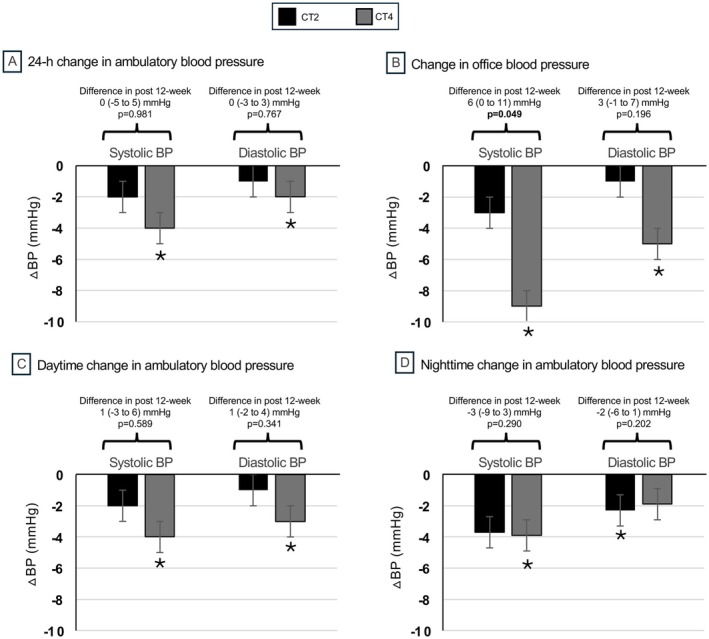 Figure 1
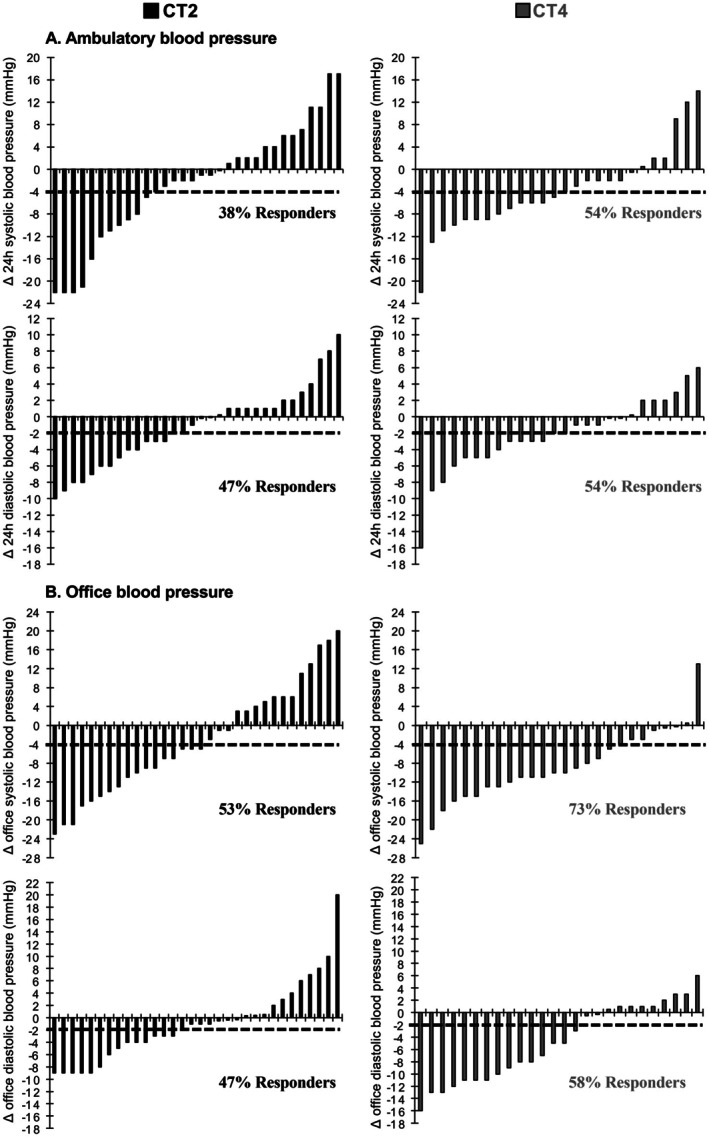 Figure 2
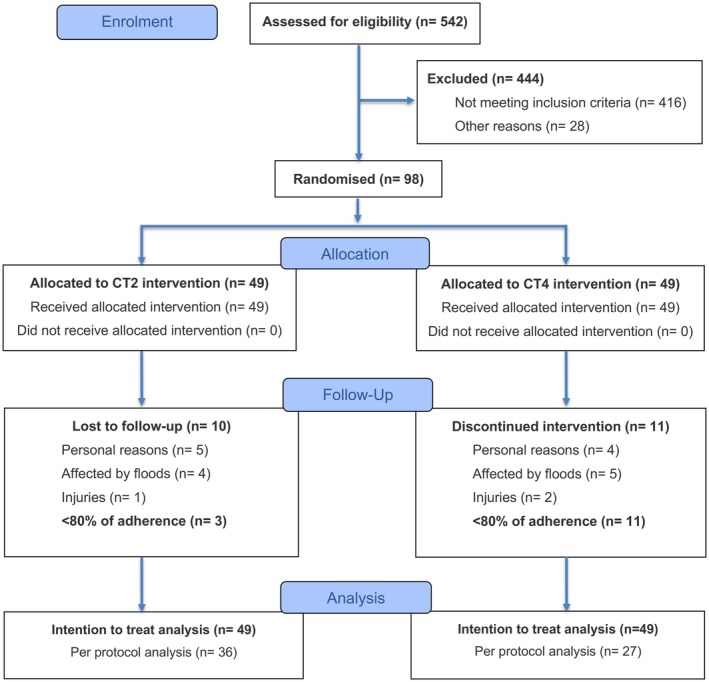 Figure 3
Peer Reviews
No public reviews on file for this paper yet. If you reviewed it on a platform where reviews are public (OpenReview, ICLR, NeurIPS, ICML), you can paste yours below so the community can read it here.
Videos
No videos yet. Explain this paper in a talk, walkthrough, or lecture? Add one.
Taxonomy
TopicsCardiovascular and exercise physiology · Genetics and Physical Performance · Physical Activity and Health