Wenyang Decoction Ameliorates DSS‐Induced Ulcerative Colitis by Regulating Macrophage Polarization and the PI3K/AKT/mTOR/HIF‐1α Signaling Pathway
Shengwei Li, Guanghui Yuan, Chan Chen, Jihong Lu, Xing Zhang

TL;DR
This study shows that Wenyang Decoction reduces symptoms of ulcerative colitis in mice by altering immune cell behavior and key signaling pathways.
Contribution
The study reveals a novel mechanism by which Wenyang Decoction treats UC through macrophage polarization and the PI3K/AKT/mTOR/HIF-1α pathway.
Findings
Wenyang Decoction reduced inflammation and improved colon health in a mouse model of UC.
The treatment suppressed M1 macrophage polarization and promoted M2 macrophage polarization.
Wenyang Decoction inhibited the PI3K/AKT/mTOR/HIF-1α signaling pathway, reducing oxidative stress and inflammation.
Abstract
Ulcerative colitis (UC) is a chronic inflammatory bowel disease characterized by intestinal inflammation and epithelial damage. This study aims to investigate the therapeutic effects of Wenyang decoction (WYD) in a dextran sulfate sodium (DSS)‐induced UC model and its underlying mechanisms, with a focus on macrophage polarization and the regulation of the PI3K/AKT/mTOR/HIF‐1α signaling pathway. A DSS‐induced UC model was established in C57BL/6 mice. Treatment groups received WYD at low (8.25 g/kg/day), medium (16.50 g/kg/day), or high (33.00 g/kg/day) doses, with 5‐aminosalicylic acid (5‐ASA, 200 mg/kg) as a positive control. Assessments included disease activity index (DAI), colon length, histopathology, and levels of inflammatory cytokines (IL‐1β, IL‐6, and TNF‐α) and oxidative stress markers (SOD, CAT, and MDA). Mechanisms were probed using western blot, qPCR, immunofluorescence,…
Genes, proteins, chemicals, diseases, species, mutations and cell lines named across the full text — each resolved to its canonical identifier and authoritative record.
Click any figure to enlarge with its caption.
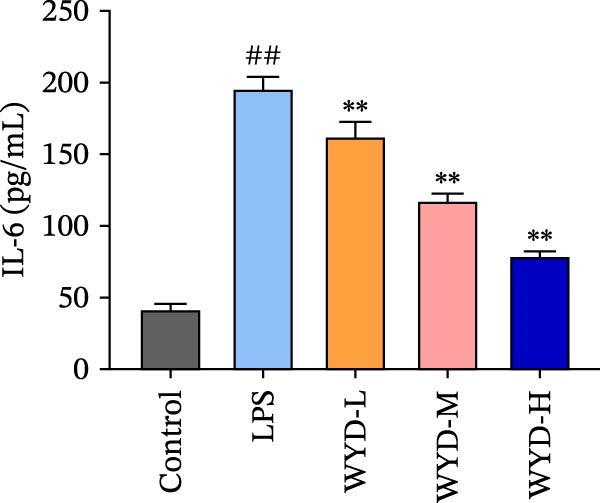 Figure 1
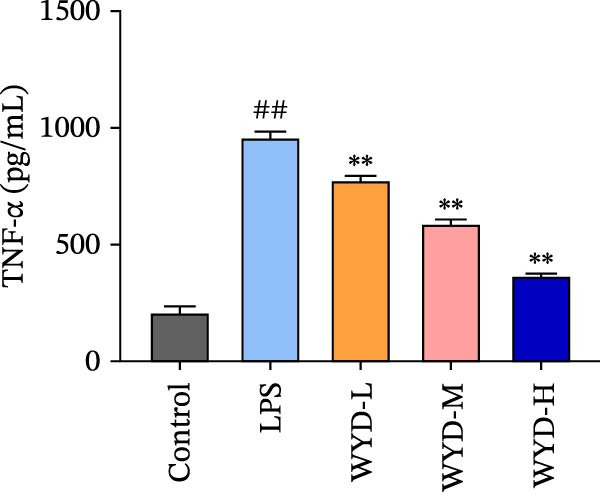 Figure 2
 Figure 3
 Figure 4
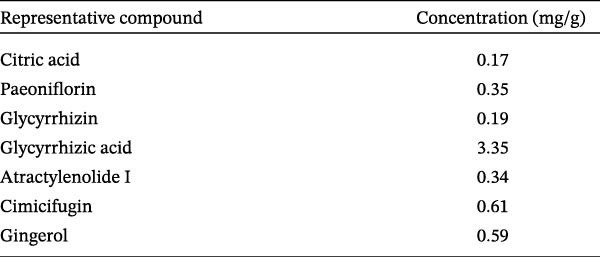 Figure 5
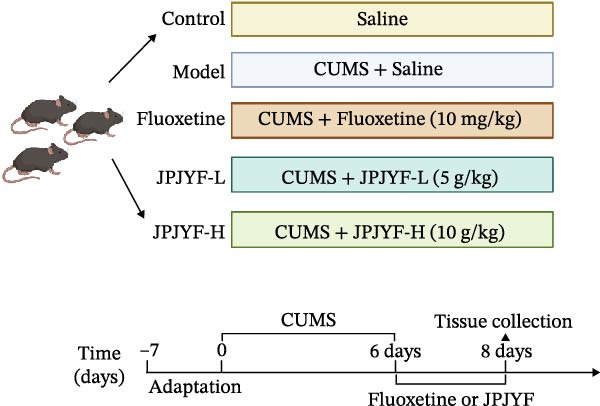 Figure 6
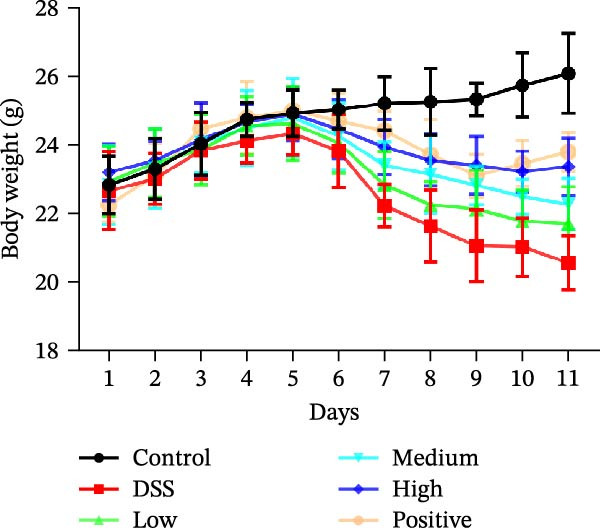 Figure 7
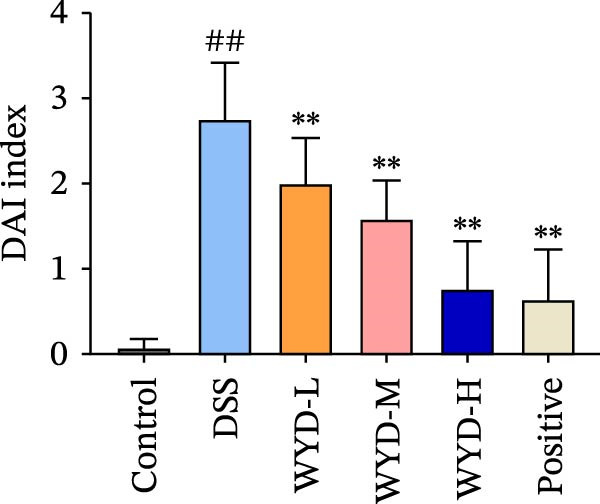 Figure 8
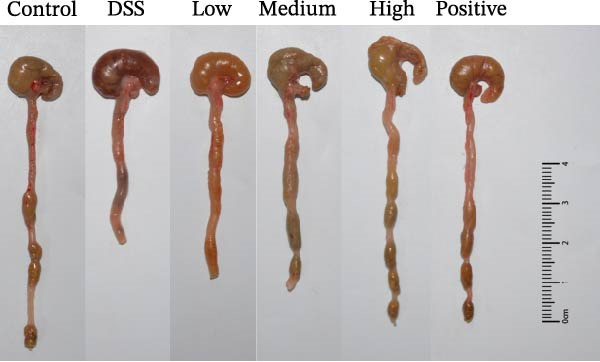 Figure 9
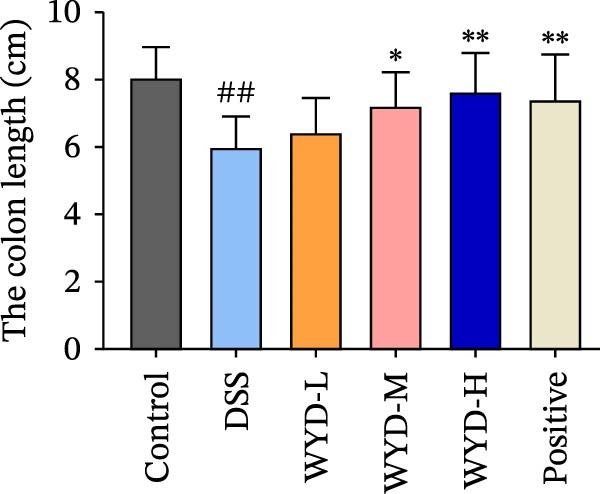 Figure 10
 Figure 11
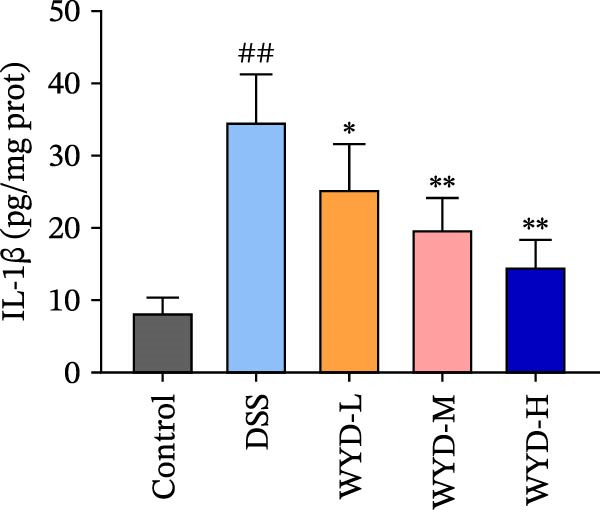 Figure 12
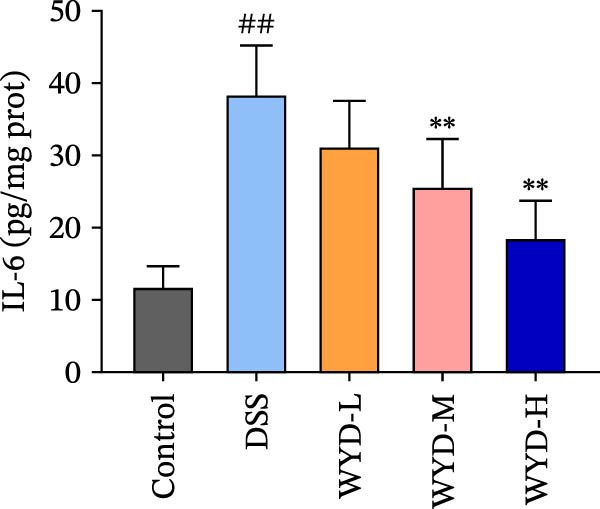 Figure 13
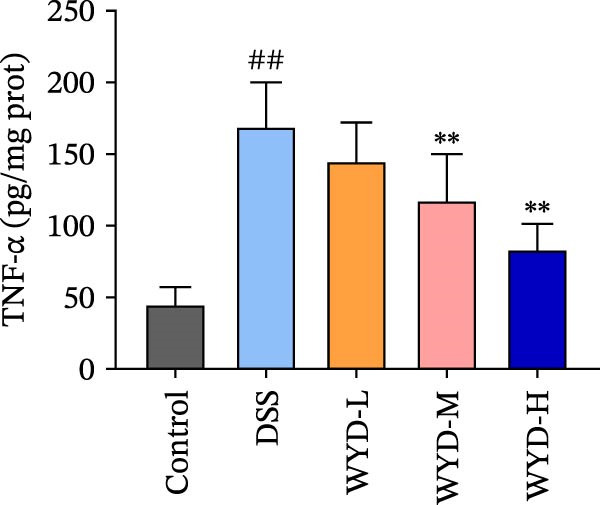 Figure 14
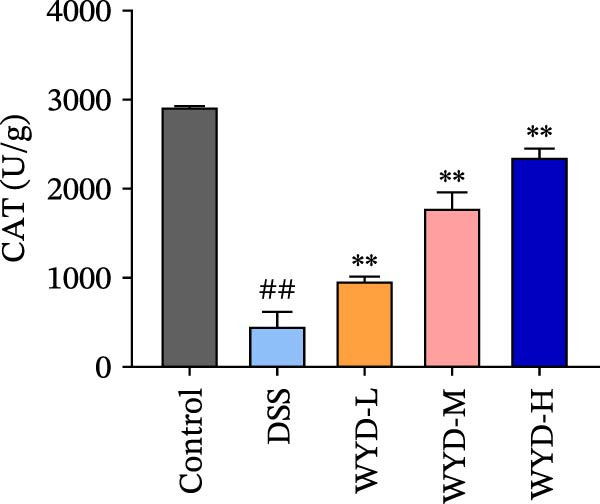 Figure 15
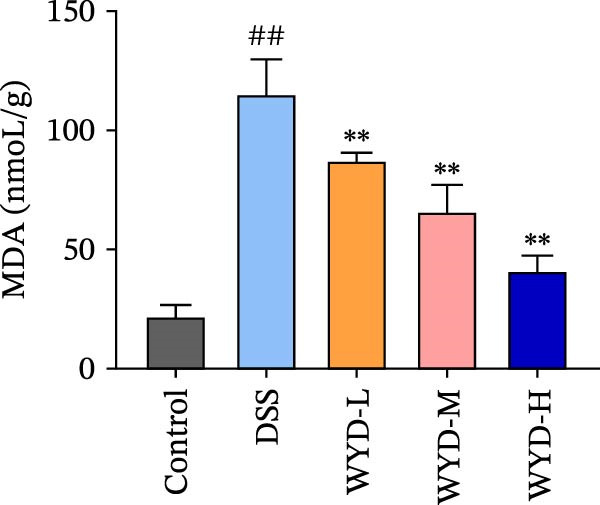 Figure 16
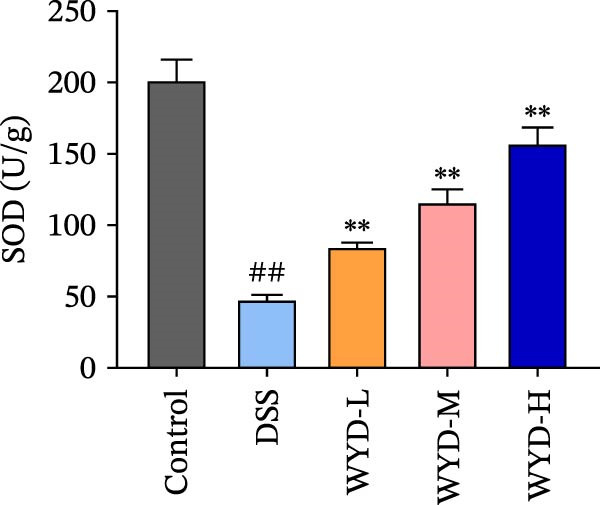 Figure 17
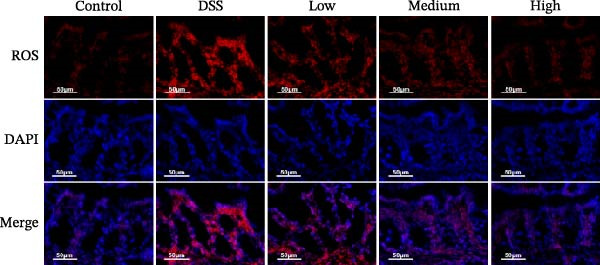 Figure 18
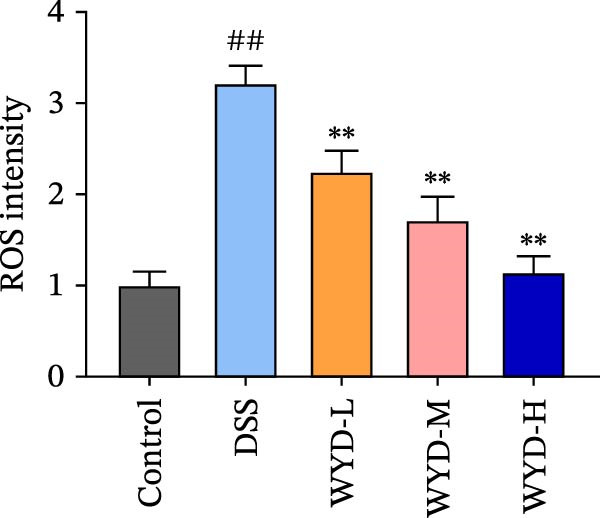 Figure 19
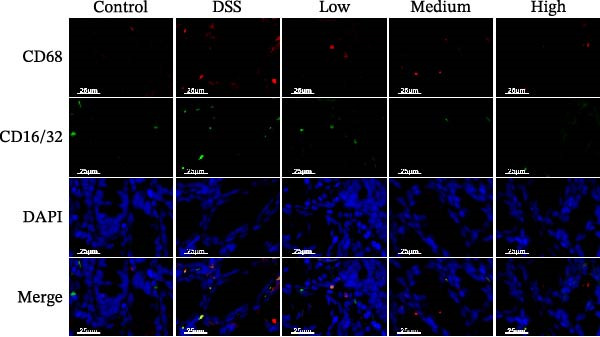 Figure 20
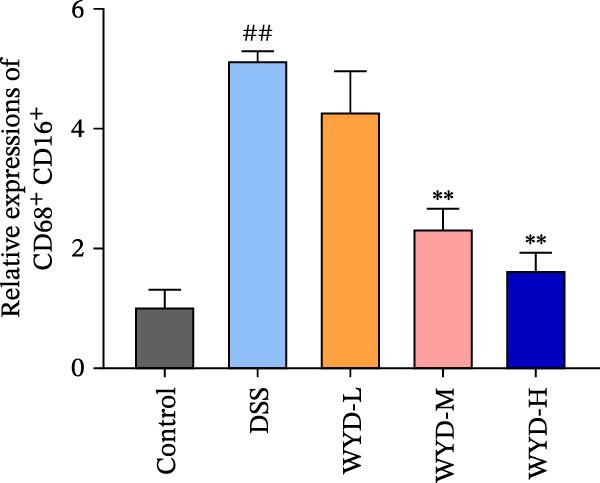 Figure 21
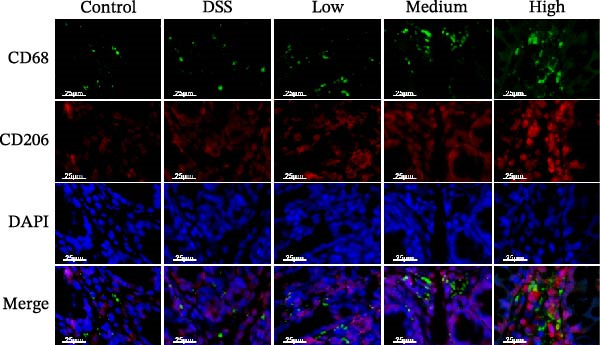 Figure 22
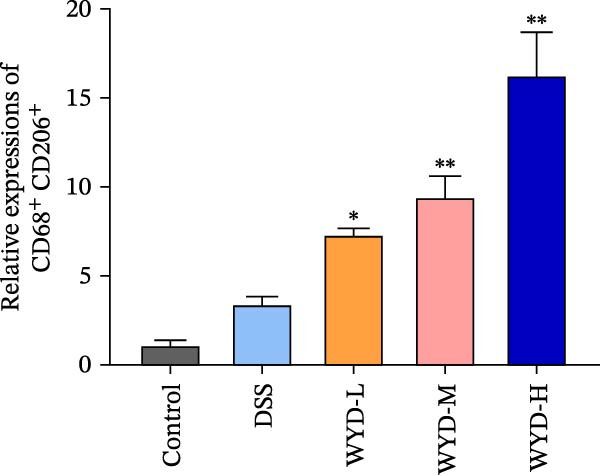 Figure 23
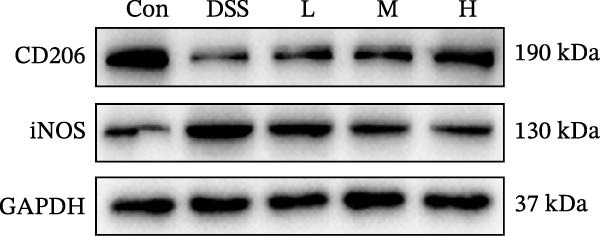 Figure 24
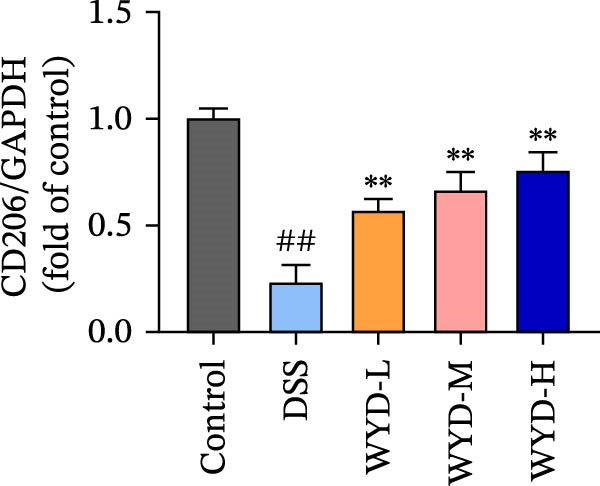 Figure 25
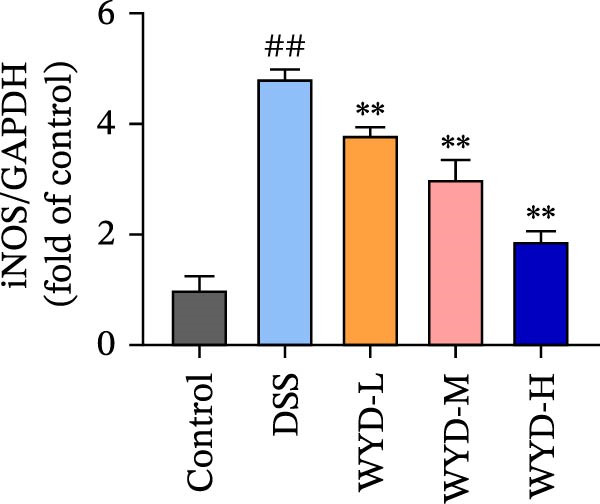 Figure 26
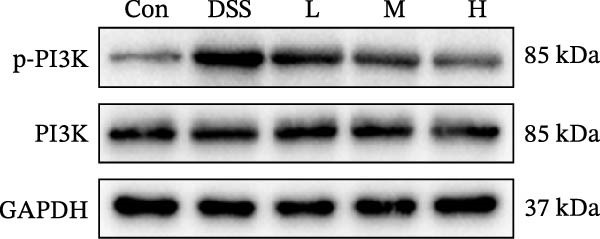 Figure 27
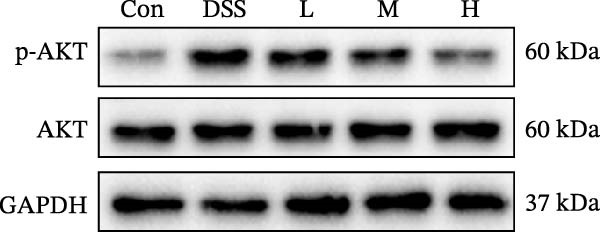 Figure 28
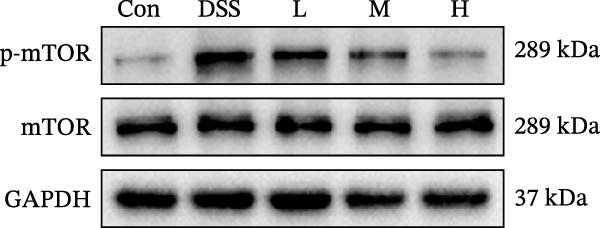 Figure 29
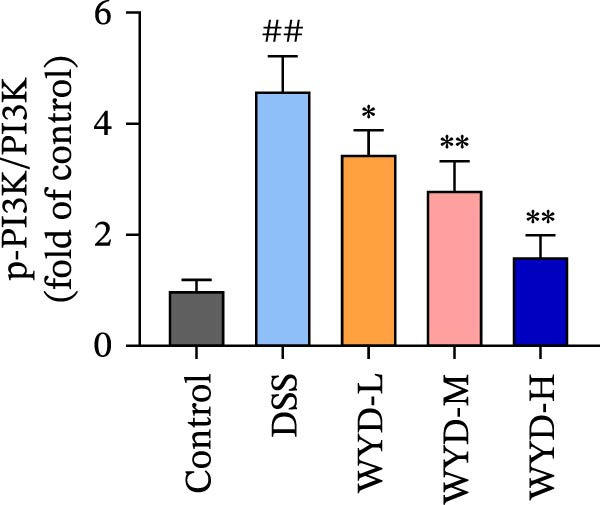 Figure 30
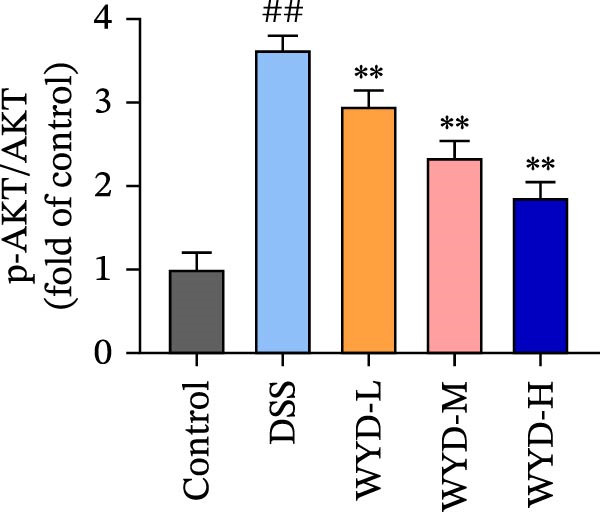 Figure 31
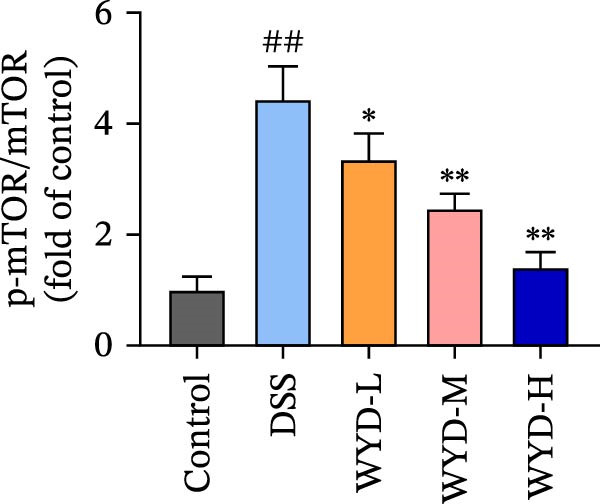 Figure 32
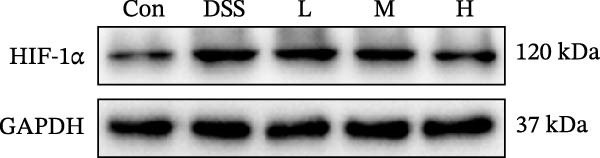 Figure 33
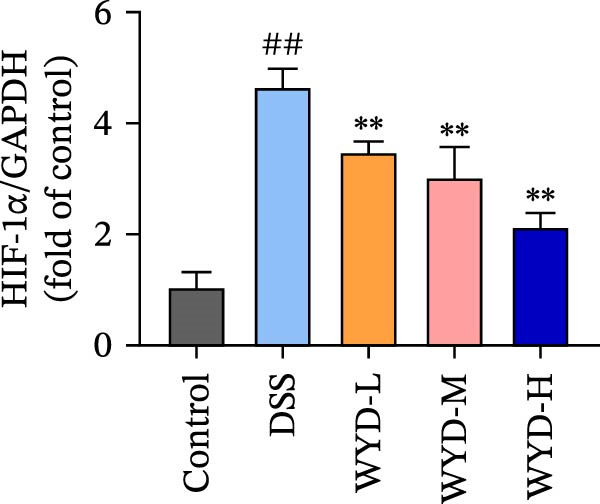 Figure 34
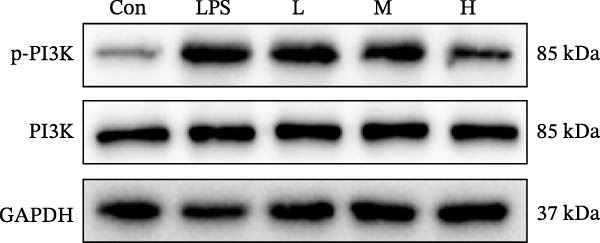 Figure 35
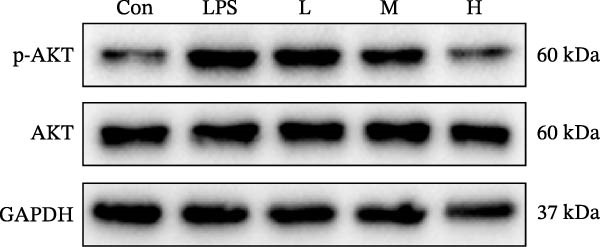 Figure 36
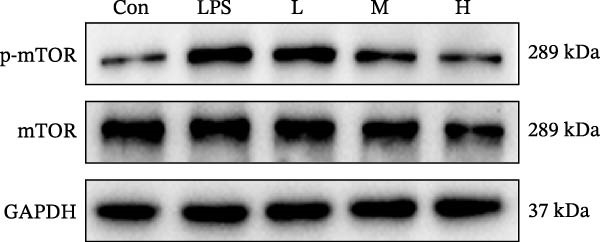 Figure 37
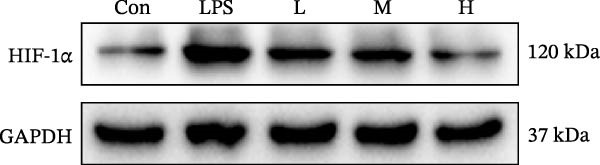 Figure 38
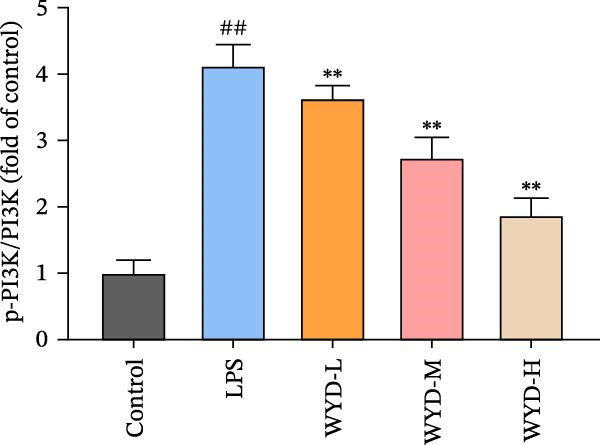 Figure 39
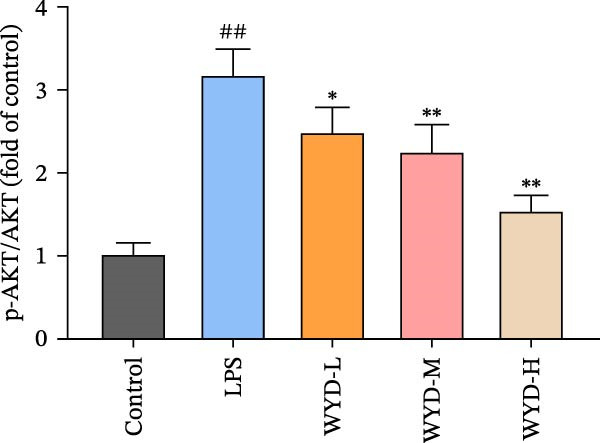 Figure 40
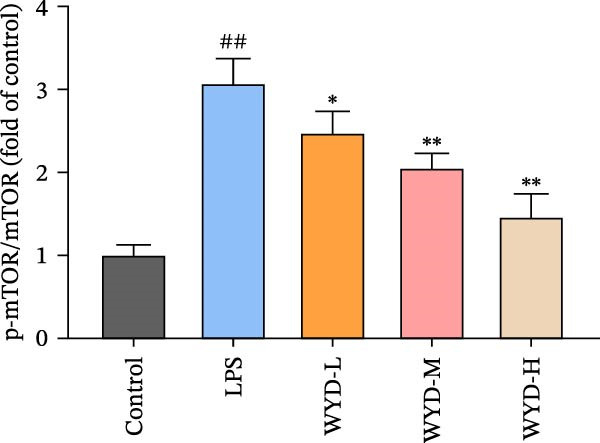 Figure 41
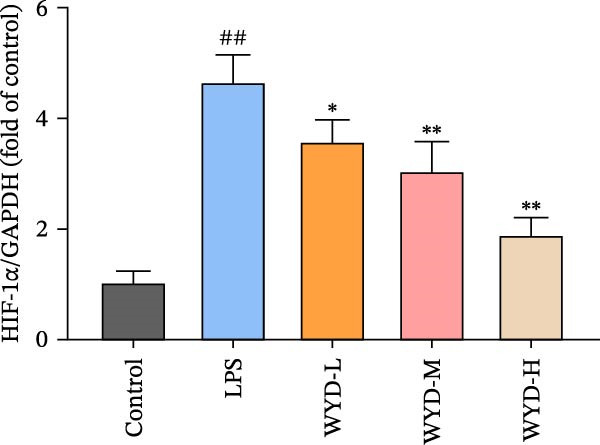 Figure 42
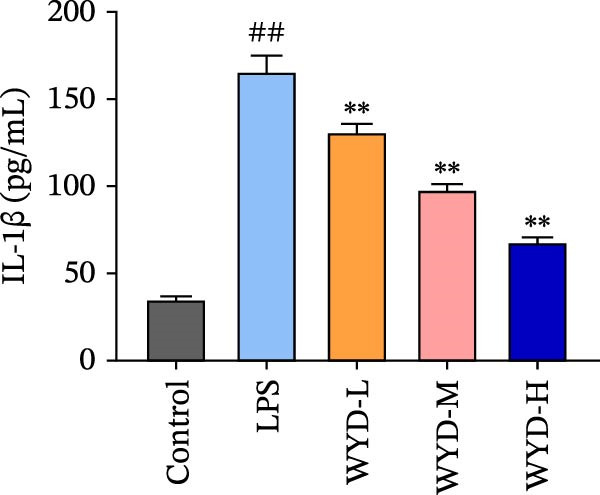 Figure 43
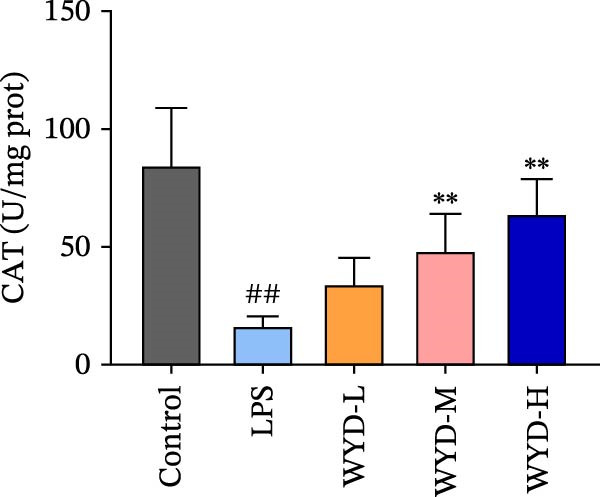 Figure 44
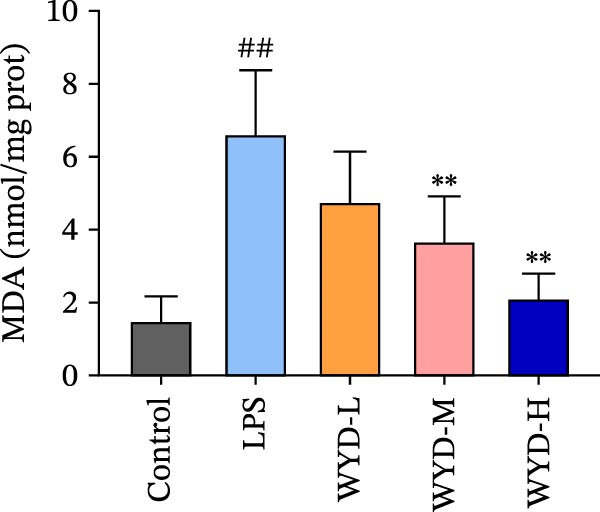 Figure 45
 Figure 46
 Figure 47
 Figure 48
 Figure 49
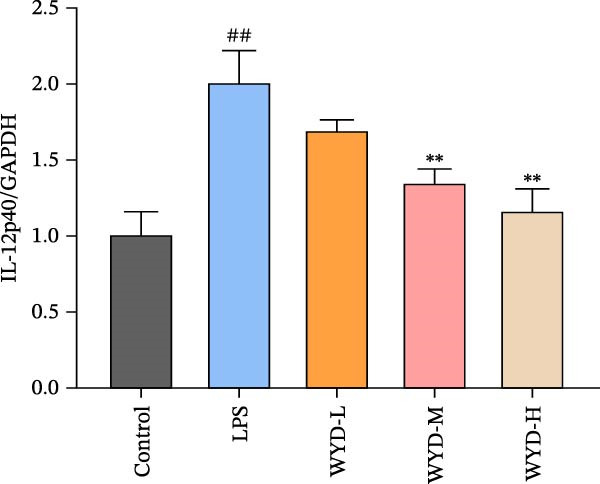 Figure 50
Peer Reviews
No public reviews on file for this paper yet. If you reviewed it on a platform where reviews are public (OpenReview, ICLR, NeurIPS, ICML), you can paste yours below so the community can read it here.
Videos
No videos yet. Explain this paper in a talk, walkthrough, or lecture? Add one.
Taxonomy
TopicsInflammatory Bowel Disease · Traditional Chinese Medicine Analysis · Immune cells in cancer