Vasoactive–Inotropic Score Reduction Rate Is Highly Associated With Prognosis for Critically Ill Patients With Cardiogenic Shock: Insights From the Real‐World Dynamic Data
Yi-Le Ning, Tian-Xiang Guan, Xiao-Li Niu, Qian-Qian Ma, Yuan-Na Zhang, Ting-Yu Peng, Li-Xiong Zeng, Hang Li, Hui-Ting Guan

TL;DR
This study shows that a faster decrease in vasoactive-inotropic support is linked to better survival in patients with cardiogenic shock.
Contribution
The study introduces the vasoactive–inotropic score reduction rate (VRR) as a novel dynamic prognostic indicator for cardiogenic shock patients.
Findings
Increasing vasoactive-inotropic scores over time are consistently associated with higher mortality in cardiogenic shock patients.
VRR was validated across two large ICU databases, showing robustness and generalizability.
A greater reduction in vasoactive-inotropic scores is strongly linked to lower in-hospital and ICU mortality.
Abstract
In cardiogenic shock (CS), titration of both the choice and dosage of inotropes and vasopressors is crucial. The vasoactive–inotropic score (VIS) quantifies hemodynamic support, while the effect of temporal VIS change on prognosis remains unclear. This study evaluated the association between the vasoactive–inotropic score reduction rate (VRR) to measure VIS changes over time and explore its association with mortality in CS patients. We performed a retrospective observational study using two large intensive care databases (MIMIC‐IV and eICU). Adult patients with CS receiving vasoactive–inotropic agents within 24 h after ICU admission were included. VIS was calculated using the updated VIS 2020, and VRR was defined to capture the relative change in VIS over time. Patients were categorized into VIS‐decreasing and VIS‐increasing groups. The primary outcome was in‐hospital mortality;…
Genes, proteins, chemicals, diseases, species, mutations and cell lines named across the full text — each resolved to its canonical identifier and authoritative record.
Click any figure to enlarge with its caption.
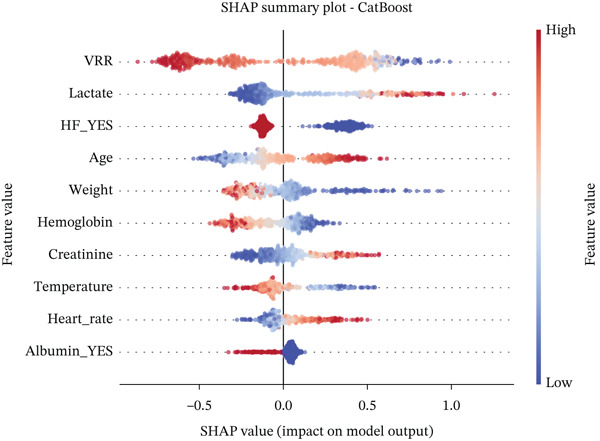 Figure 1
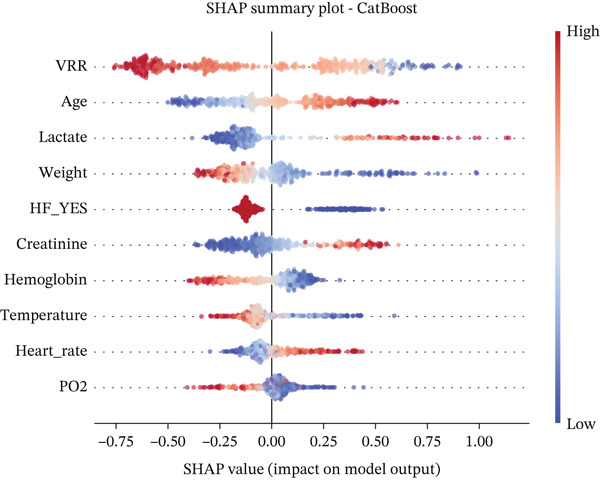 Figure 2
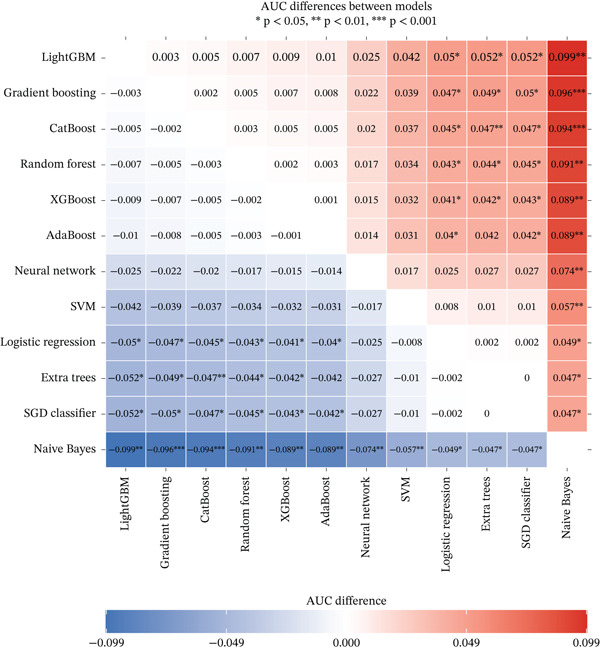 Figure 3
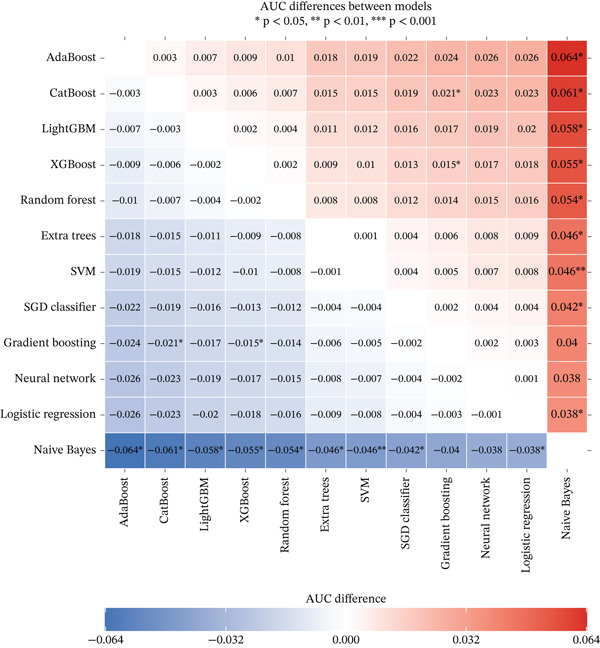 Figure 4
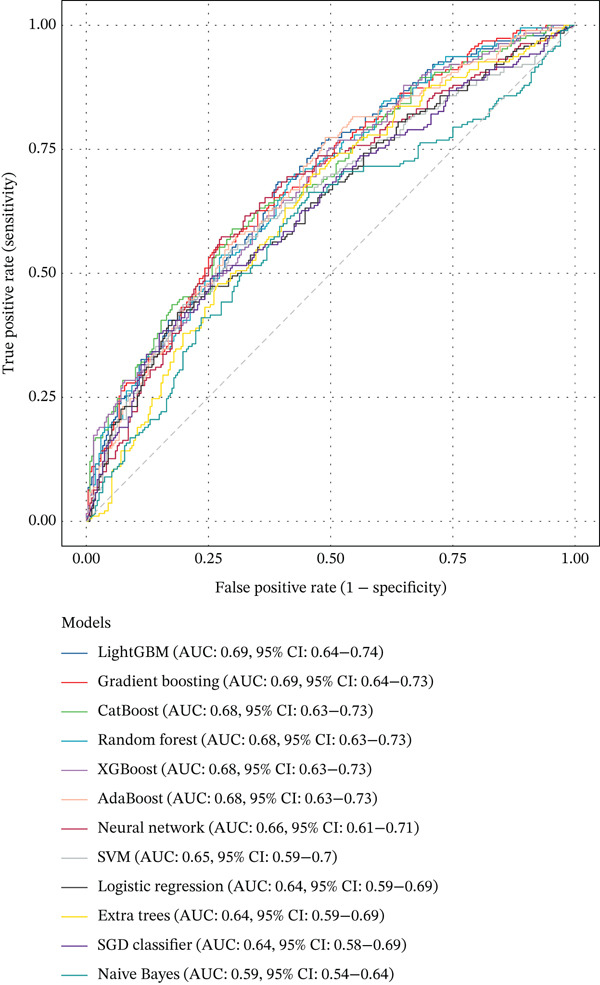 Figure 5
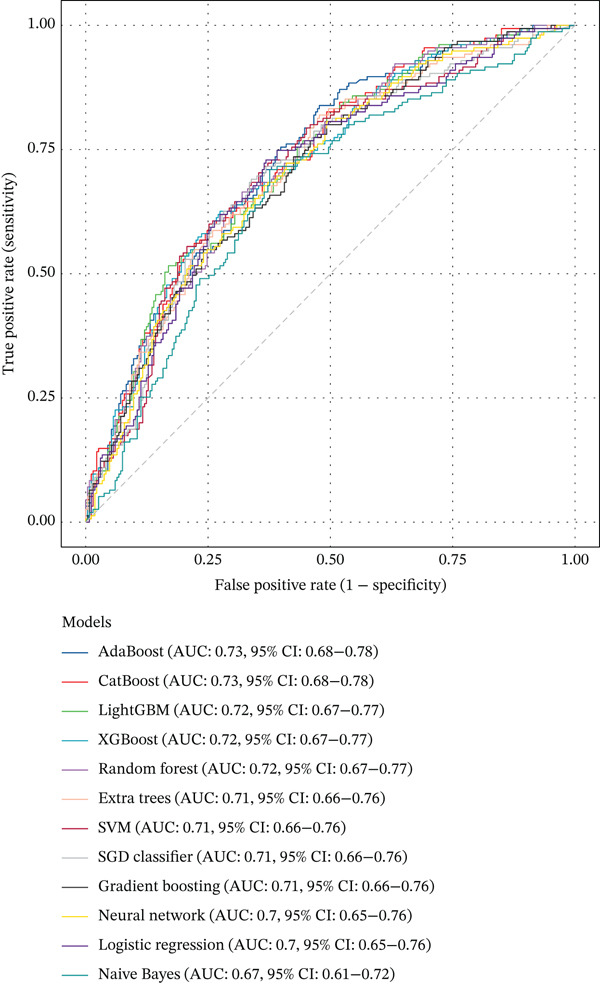 Figure 6
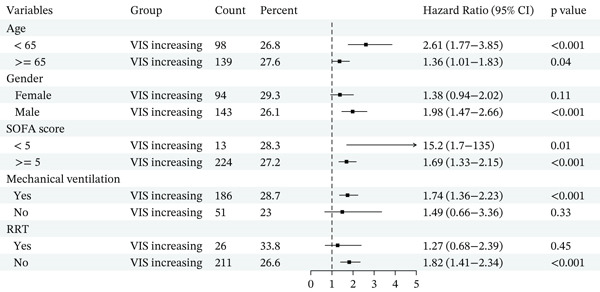 Figure 7
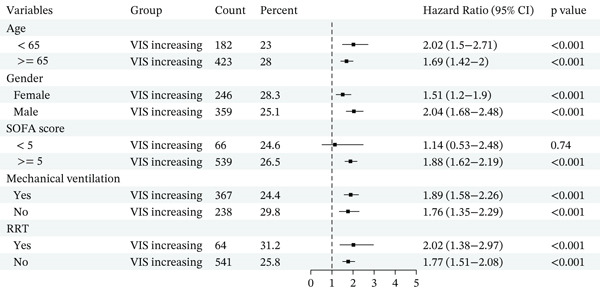 Figure 8
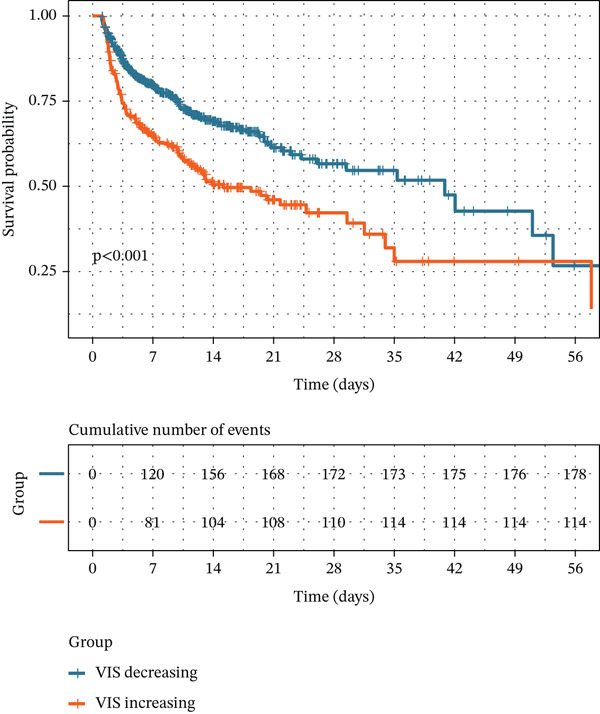 Figure 9
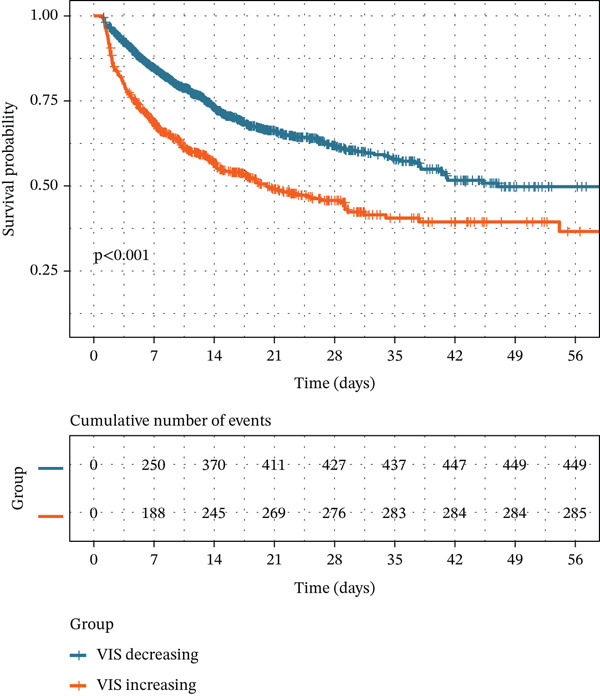 Figure 10
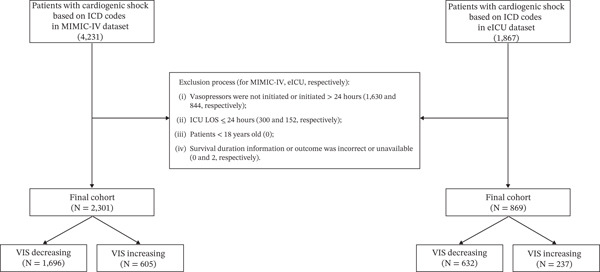 Figure 11
Peer Reviews
No public reviews on file for this paper yet. If you reviewed it on a platform where reviews are public (OpenReview, ICLR, NeurIPS, ICML), you can paste yours below so the community can read it here.
Videos
No videos yet. Explain this paper in a talk, walkthrough, or lecture? Add one.
Taxonomy
TopicsMechanical Circulatory Support Devices · Sepsis Diagnosis and Treatment · Trauma, Hemostasis, Coagulopathy, Resuscitation