Results of the Use of Platelet‐Rich Plasma in the Donor Site of Split‐Thickness Skin Grafts: An Exploratory Cohort Study
Pedro Fabián Lopez‐Aldana, Juan Darío Alviar Rueda, Jorge Andrés Rueda Gutiérrez, Christian Camilo Tavera‐Sanabria, María Camila Rojas Gómez, Angie Marcela Vargas Duarte, Victoria María Barbosa Tarazona, Sergio Alejandro Gomez‐Ochoa

TL;DR
Applying platelet-rich plasma at skin graft donor sites may improve healing and reduce pain, according to a study on patients with skin grafts.
Contribution
This study explores the novel use of autologous platelet-rich plasma to improve donor site healing after skin grafts.
Findings
PRP improved epithelialization quality at donor sites with lower scar scores on postoperative days 7 and 14.
PRP reduced postoperative pain by up to 50% during early assessments.
PRP effects were sustained and appeared safe as an adjunct in reconstructive surgery.
Abstract
Split‐thickness skin autografts are commonly used to treat extensive cutaneous defects. However, donor site morbidity, including pain, bleeding, and delayed epithelialization, remains a major clinical challenge. This study evaluates whether applying autologous platelet‐rich plasma (PRP) to the donor site improves healing outcomes. A prospective cohort study was conducted at a tertiary‐level academic hospital in Colombia. The study protocol was approved by the local Institutional Ethics Committee. Adult patients (> 18 years) undergoing split‐thickness skin grafts for trauma, burns, oncologic resections, or chronic ulcers were included. Two groups were compared: the PRP group, in which autologous platelet‐rich plasma was applied to the donor site, and the control group, which received standard wound care. The primary outcome was the quality of epithelialization at the donor site, while…
Genes, proteins, chemicals, diseases, species, mutations and cell lines named across the full text — each resolved to its canonical identifier and authoritative record.
Click any figure to enlarge with its caption.
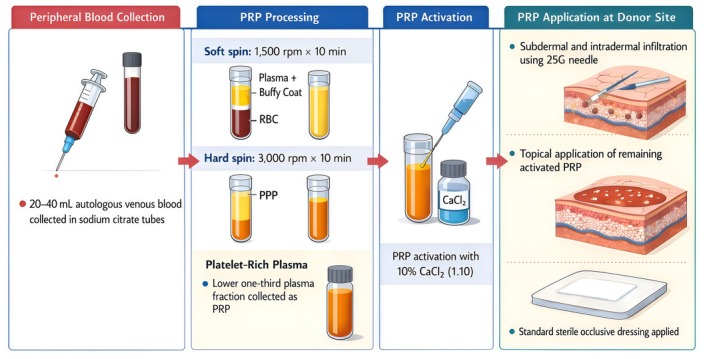 Figure 1
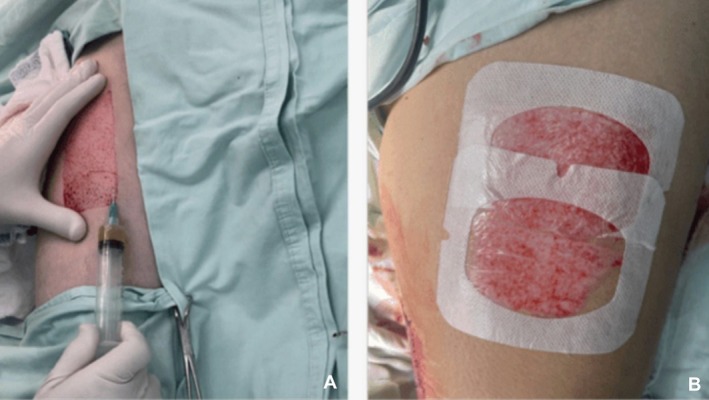 Figure 2
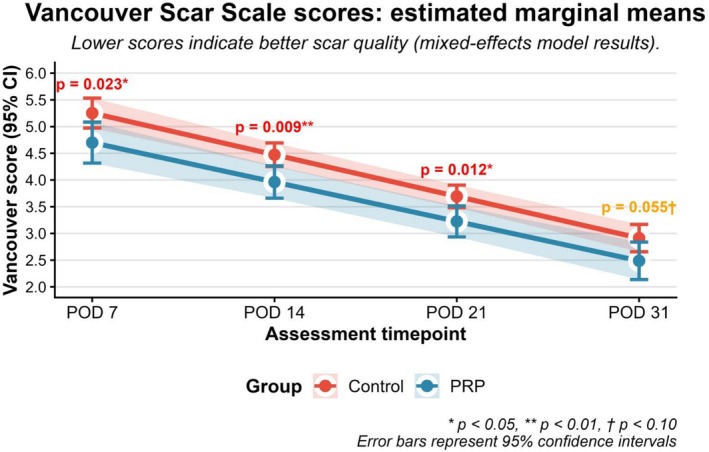 Figure 3
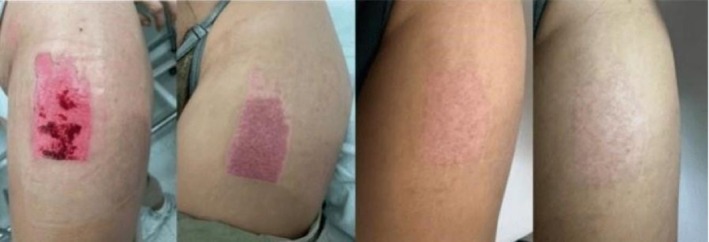 Figure 4
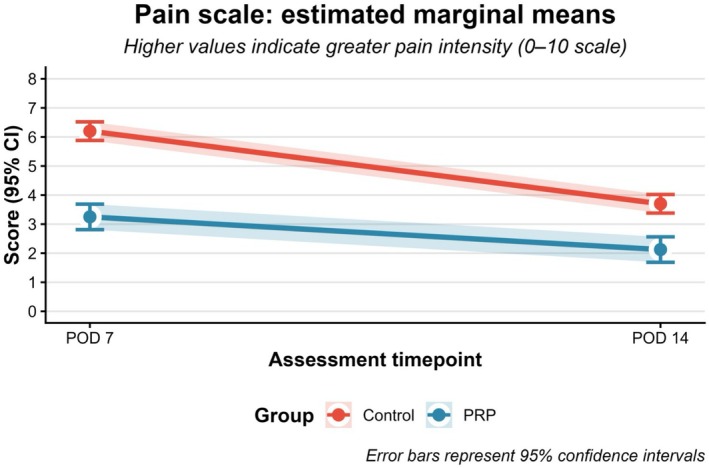 Figure 5
Peer Reviews
No public reviews on file for this paper yet. If you reviewed it on a platform where reviews are public (OpenReview, ICLR, NeurIPS, ICML), you can paste yours below so the community can read it here.
Videos
No videos yet. Explain this paper in a talk, walkthrough, or lecture? Add one.
Taxonomy
TopicsPeriodontal Regeneration and Treatments · Wound Healing and Treatments · Mesenchymal stem cell research