Complete vs Incomplete Percutaneous Oblique Distal Closing Wedge Osteotomy for Bunionette (Tailor’s Bunion) Deformity Correction: A Retrospective Comparative Study
Sanjana Mehrotra, Ayla Claire Newton, Mohamed Wasim Shaffe Ahamed, Lilanthi Wickramarachchi, Mohamed Sayed Yousef, Peter Lam, Thomas L. Lewis, Robbie Ray

TL;DR
This study compares two types of minimally invasive surgery for correcting bunionette deformities and finds similar clinical outcomes despite differences in callus formation.
Contribution
The study introduces a minimally invasive technique for bunionette correction and evaluates the impact of complete versus incomplete osteotomy on outcomes.
Findings
Complete osteotomy resulted in significant hypertrophic callus formation at 6 weeks, which resolved by 12 months.
Incomplete osteotomy avoided significant callus formation without compromising clinical or radiographic outcomes.
Both osteotomy types improved patient-reported outcomes and reduced deformity angles significantly.
Abstract
There has been increasing interest in the use of percutaneous osteotomy techniques for bunionette (tailor’s bunion) correction. This study evaluated clinical and radiographic outcomes following an unfixed, percutaneous oblique distal metaphyseal-diaphyseal osteotomy and compared outcomes between complete and incomplete osteotomy groups. A total of 43 feet (mean age 54.2 ± 17.1) underwent percutaneous oblique distal osteotomy by a single surgeon over a 4-year period. The primary outcome was the presence of significant postoperative hypertrophic callus at the osteotomy site (>150% of the width of the fifth metatarsal shaft), which decreases over time due to normal bone remodeling. Secondary exploratory outcomes included the radiographic parameters fourth-fifth intermetatarsal angle (IMA) and metatarsophalangeal angle (MPA), and patient-reported outcome measures (PROMs) of…
Genes, proteins, chemicals, diseases, species, mutations and cell lines named across the full text — each resolved to its canonical identifier and authoritative record.
Click any figure to enlarge with its caption.
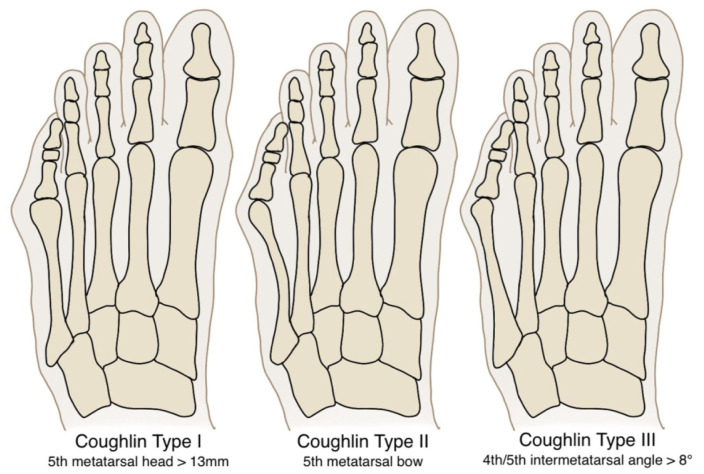 Figure 1
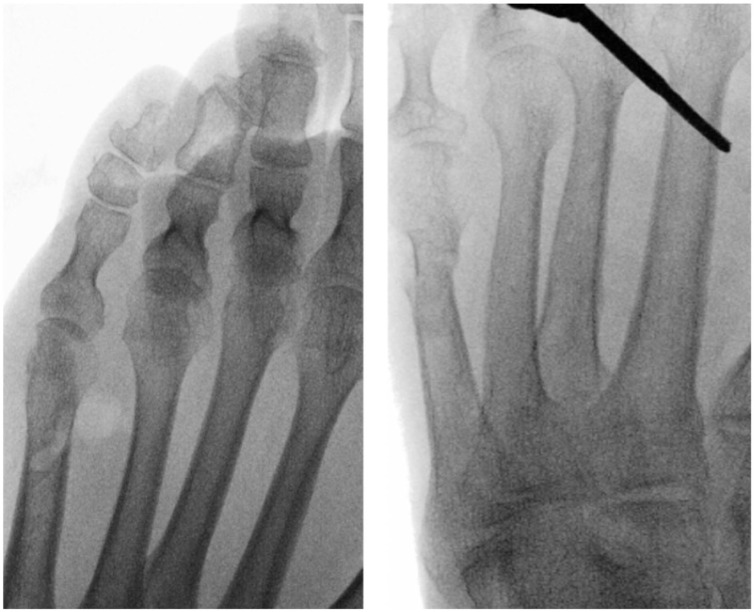 Figure 2
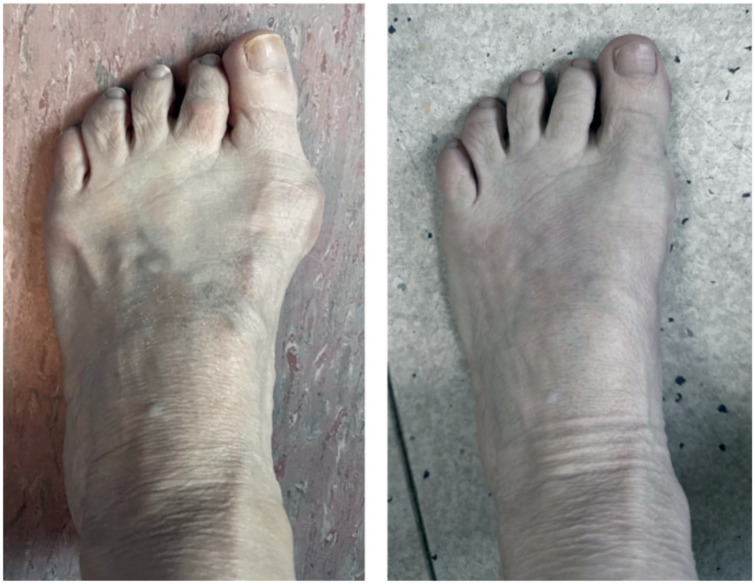 Figure 3
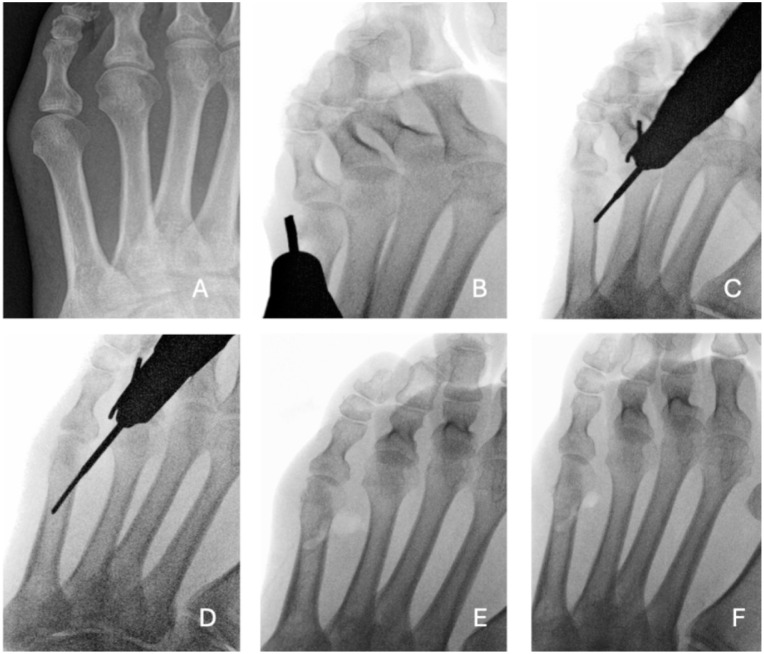 Figure 4
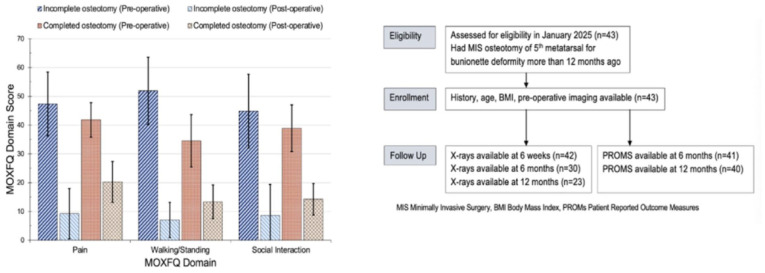 Figure 5
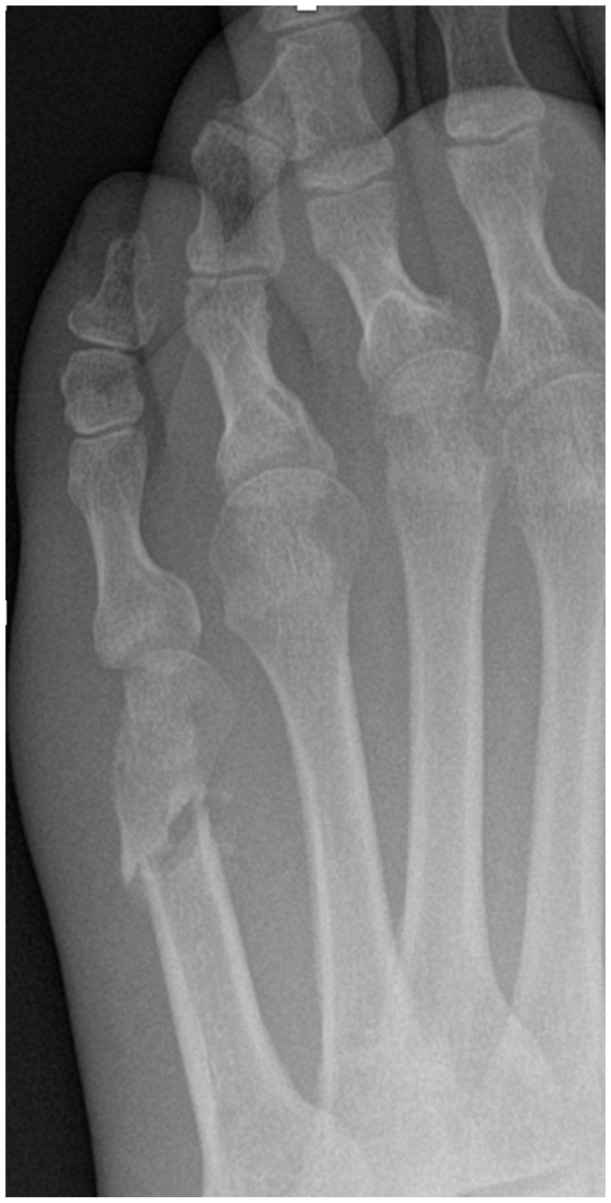 Figure 6
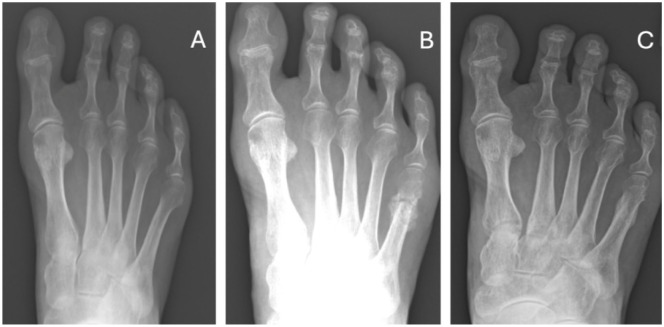 Figure 7
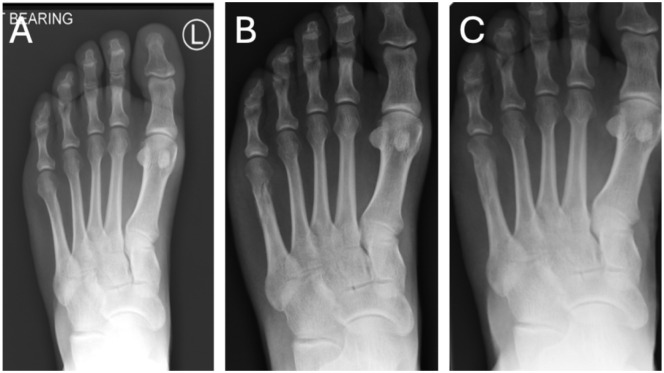 Figure 8
 Figure 9
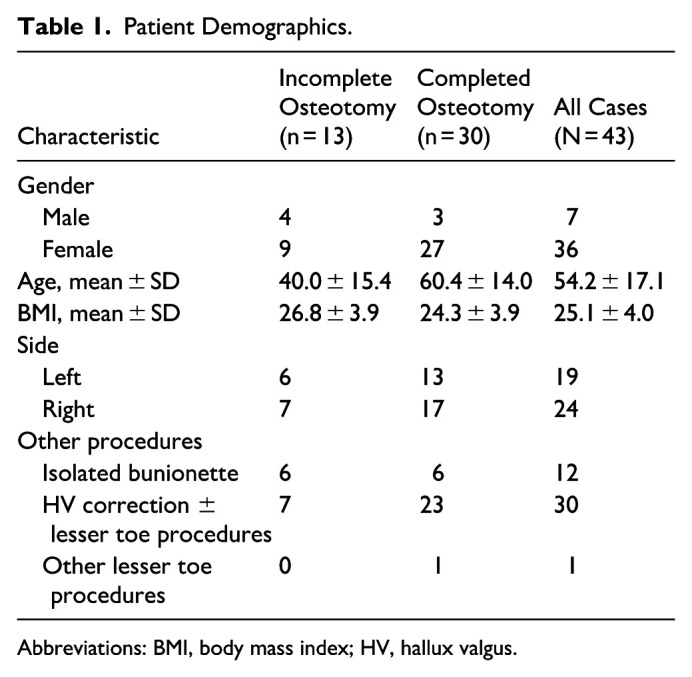 Figure 10
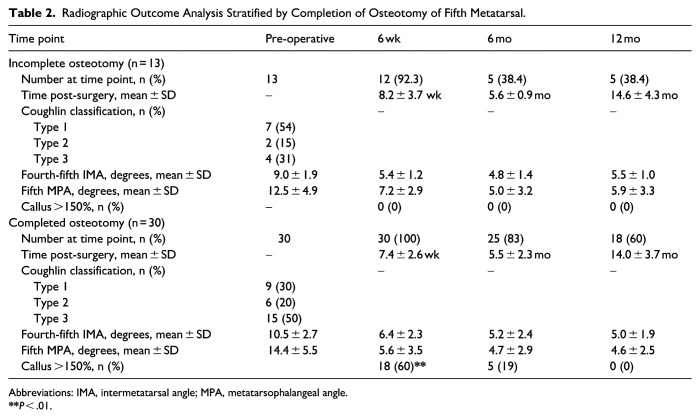 Figure 11
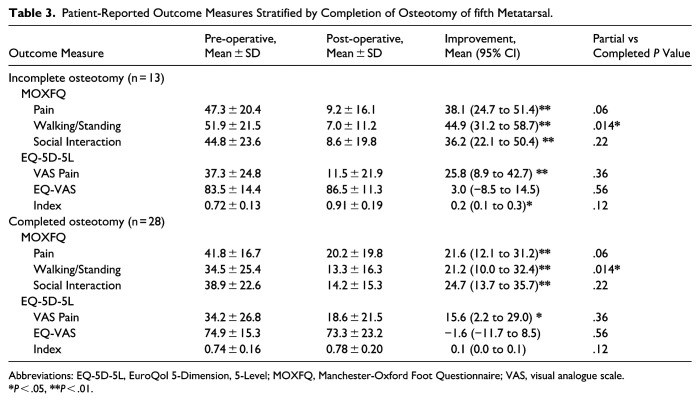 Figure 12
Peer Reviews
No public reviews on file for this paper yet. If you reviewed it on a platform where reviews are public (OpenReview, ICLR, NeurIPS, ICML), you can paste yours below so the community can read it here.
Videos
No videos yet. Explain this paper in a talk, walkthrough, or lecture? Add one.
Taxonomy
TopicsReconstructive Facial Surgery Techniques · Ear Surgery and Otitis Media · Foot and Ankle Surgery