Yeast prebiotics mitigate lead toxicity in Nile tilapia through physiological and ultrastructural improvements
Nadia A. El-Fahla, Amina A. Dessouki, Mahmoud E. Mohallal, Heba N. Gad EL-Hak, Mohamed S. Yusuf, Heba M. A. Abdelrazek, Ranwa A. Elrayess

TL;DR
Yeast prebiotics help Nile tilapia resist lead toxicity by improving their liver health and reducing lead accumulation in tissues.
Contribution
This study demonstrates that dietary yeast prebiotics can mitigate lead toxicity in fish through physiological and structural improvements.
Findings
Yeast prebiotics restored biochemical markers and reduced liver dysfunction in lead-exposed fish.
MOS/βG supplementation improved hepatic and gill tissue integrity and reduced lead accumulation.
Prebiotics showed potential as a sustainable intervention for fish in lead-polluted environments.
Abstract
Lead (Pb) contamination is a major threat to aquaculture and food safety, mainly due to its hepatotoxic and oxidative impacts on fish. This study evaluated the ameliorative role of yeast-derived prebiotics, mannan oligosaccharides (MOS) and β-glucan (βG), against Pb-induced toxicity in Nile tilapia (Oreochromis niloticus). A total of 180 fish were allocated into four treatment groups for eight weeks: control, MOS/βG-supplemented diet (0.3%), Pb exposure (10 mg/L), and combined Pb with MOS/βG supplementation. Pb exposure significantly reduced serum total protein, albumin, and globulin while increasing hepatic enzymes, indicating liver dysfunction. Severe hepatic necrosis, hepatopancreatic degeneration, gill lamellar fusion, and mitochondrial disruption were also observed, alongside elevated Pb residues in liver > gills > muscles. Dietary MOS/βG markedly restored altered biochemical…
Genes, proteins, chemicals, diseases, species, mutations and cell lines named across the full text — each resolved to its canonical identifier and authoritative record.
Click any figure to enlarge with its caption.
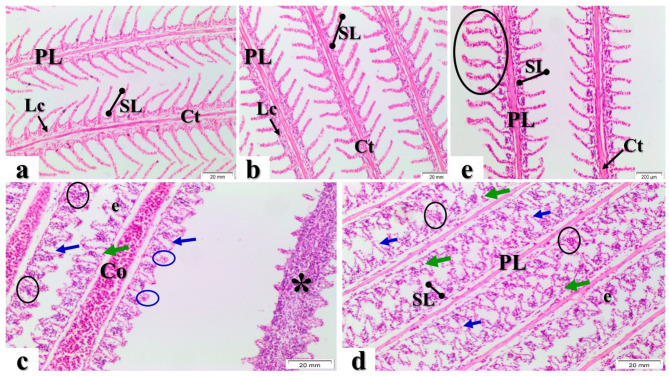 Figure 1
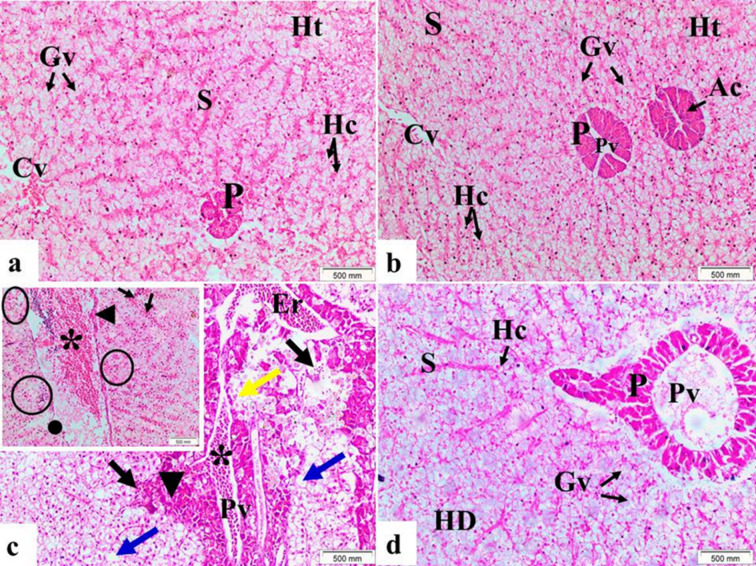 Figure 2
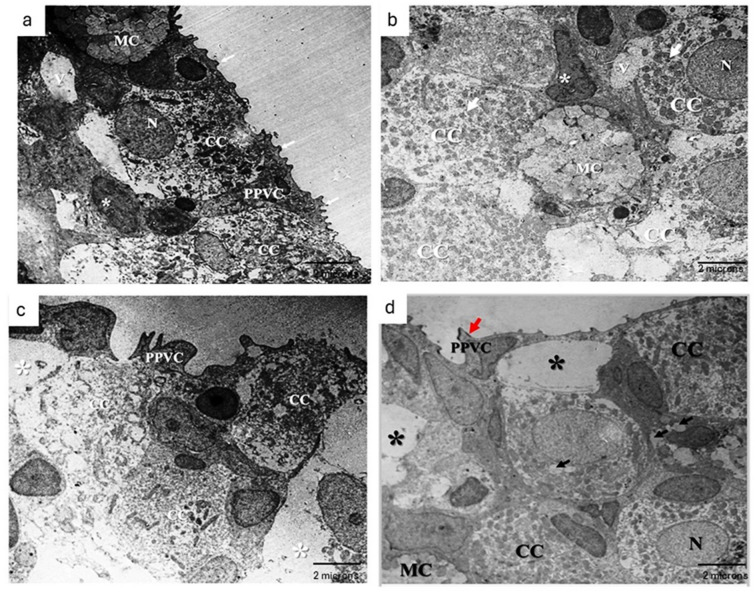 Figure 3
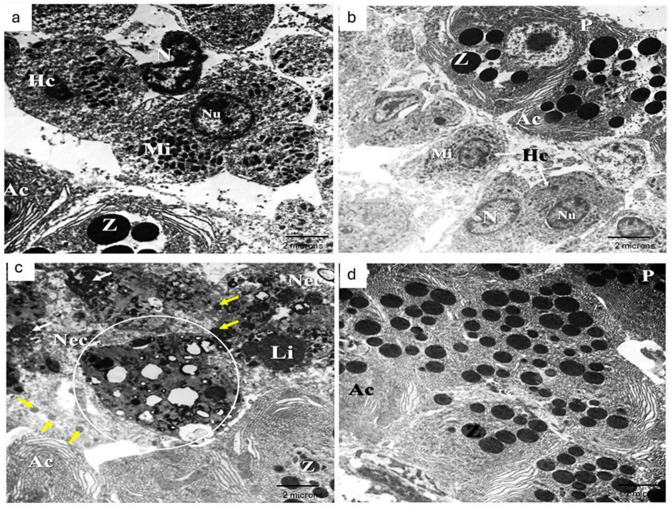 Figure 4
Peer Reviews
No public reviews on file for this paper yet. If you reviewed it on a platform where reviews are public (OpenReview, ICLR, NeurIPS, ICML), you can paste yours below so the community can read it here.
Videos
No videos yet. Explain this paper in a talk, walkthrough, or lecture? Add one.
Taxonomy
TopicsEnvironmental Toxicology and Ecotoxicology · Heavy Metal Exposure and Toxicity · Chromium effects and bioremediation