Explainable machine learning for incipient anomaly detection in compact molten salt heat exchanger with overlapping feature distributions
Konstantinos Prantikos, Taeseung Lee, Thanh Q. Hua, Lefteri H. Tsoukalas, Alexander Heifetz

TL;DR
This paper introduces a compact heat exchanger design with fiber optic sensors and explainable machine learning to detect early faults in molten salt reactors.
Contribution
A novel explainable ML framework combining Shapley values and POSETs for incipient anomaly detection in overlapping feature distributions.
Findings
XGBoost outperformed other ML models in detecting early-stage faults in the heat exchanger.
The explainability framework revealed dominant predictors and ambiguous feature relationships in the dataset.
The proposed design enables localized fault detection with high-fidelity synthetic data.
Abstract
High-temperature molten salt-cooled reactors (MSCRs) are a promising next-generation nuclear technology option, offering efficient power conversion and inherent safety features. However, the reliability of these systems depends on the robust operation of heat exchangers (HXs), which are susceptible to failure due to temperature gradients and channel plugging caused by fluid freezing. Conventional monitoring methods, relying on inlet and outlet measurements, lack the spatial resolution needed to detect early-stage faults. We propose a novel design of a compact salt-to-salt matrix-type HX design consisting of interleaved arrays of parallel tubes, with integrated synthetic fiber optic distributed temperature sensing (DTS) to enable localized detection of incipient faults. To evaluate performance of this design, we generate high-fidelity synthetic data using heat transfer computational…
Genes, proteins, chemicals, diseases, species, mutations and cell lines named across the full text — each resolved to its canonical identifier and authoritative record.
Click any figure to enlarge with its caption.
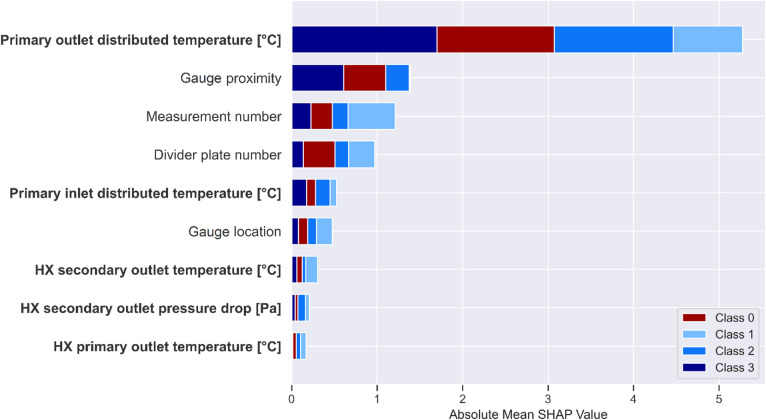 Figure 10
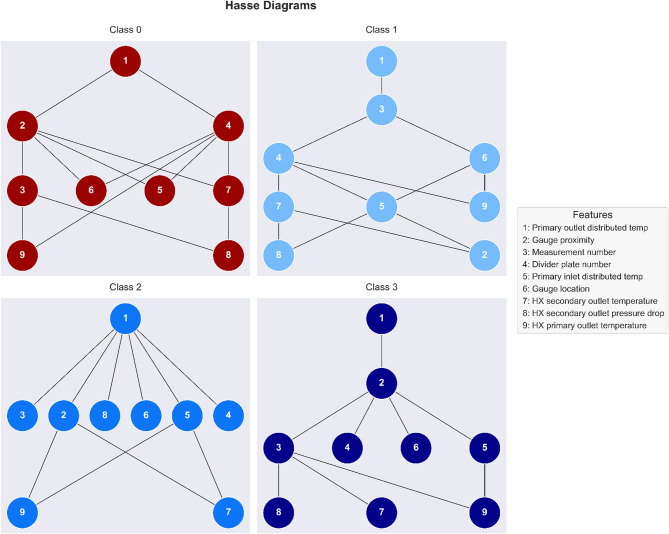 Figure 11
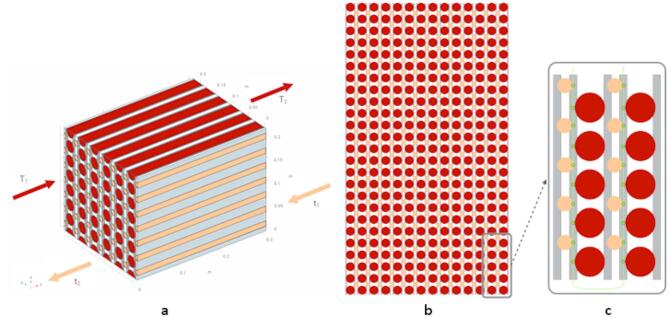 Figure 12
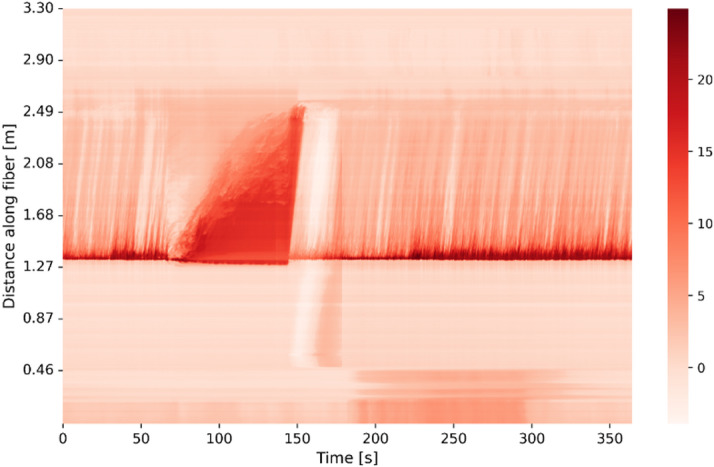 Figure 13
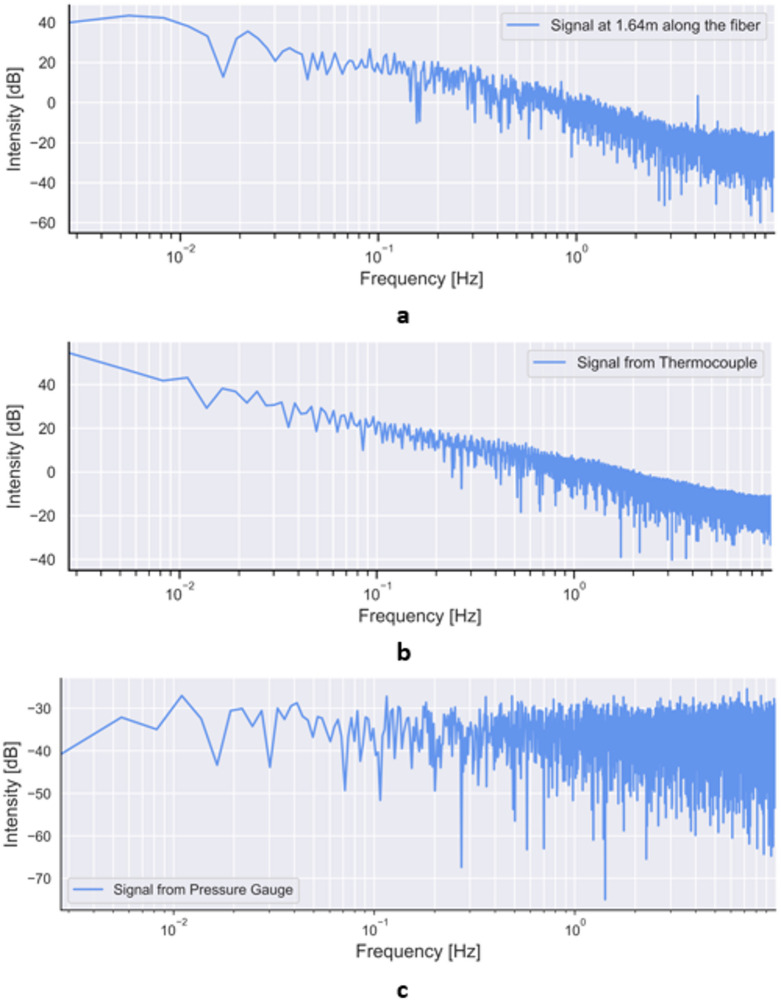 Figure 14
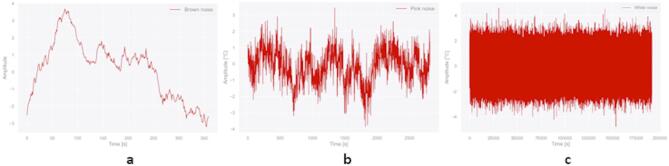 Figure 15
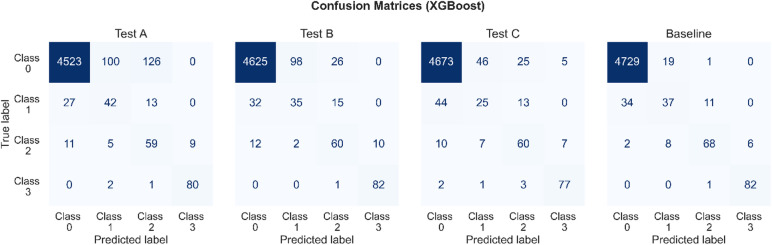 Figure 16
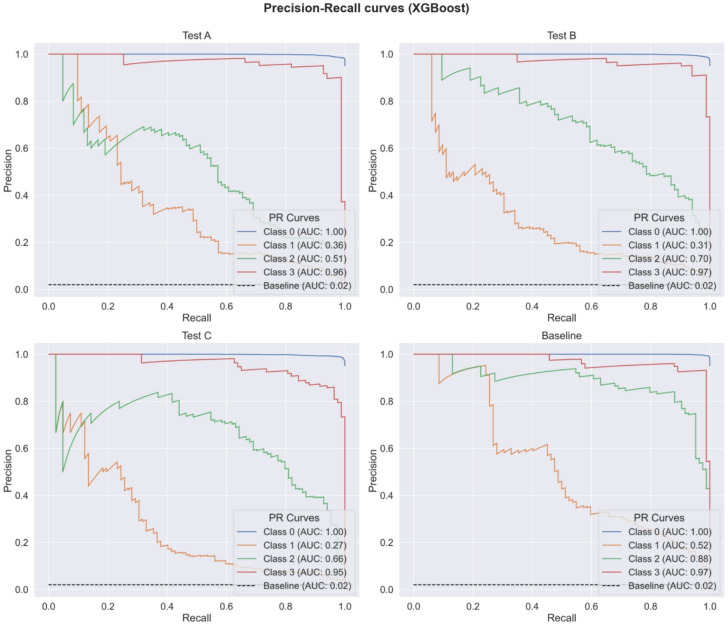 Figure 17
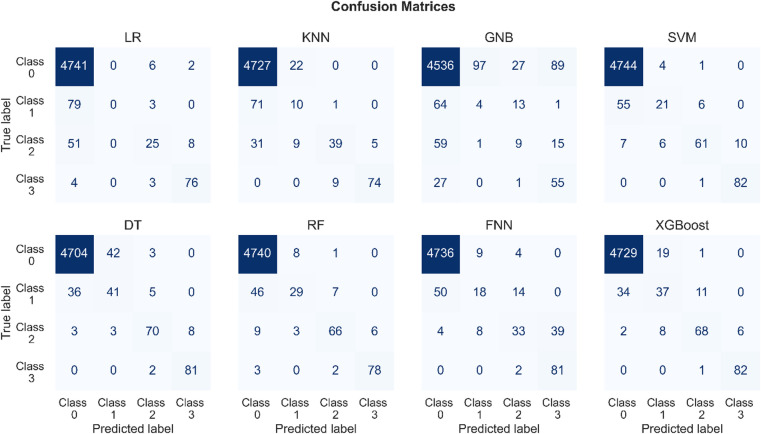 Figure 1
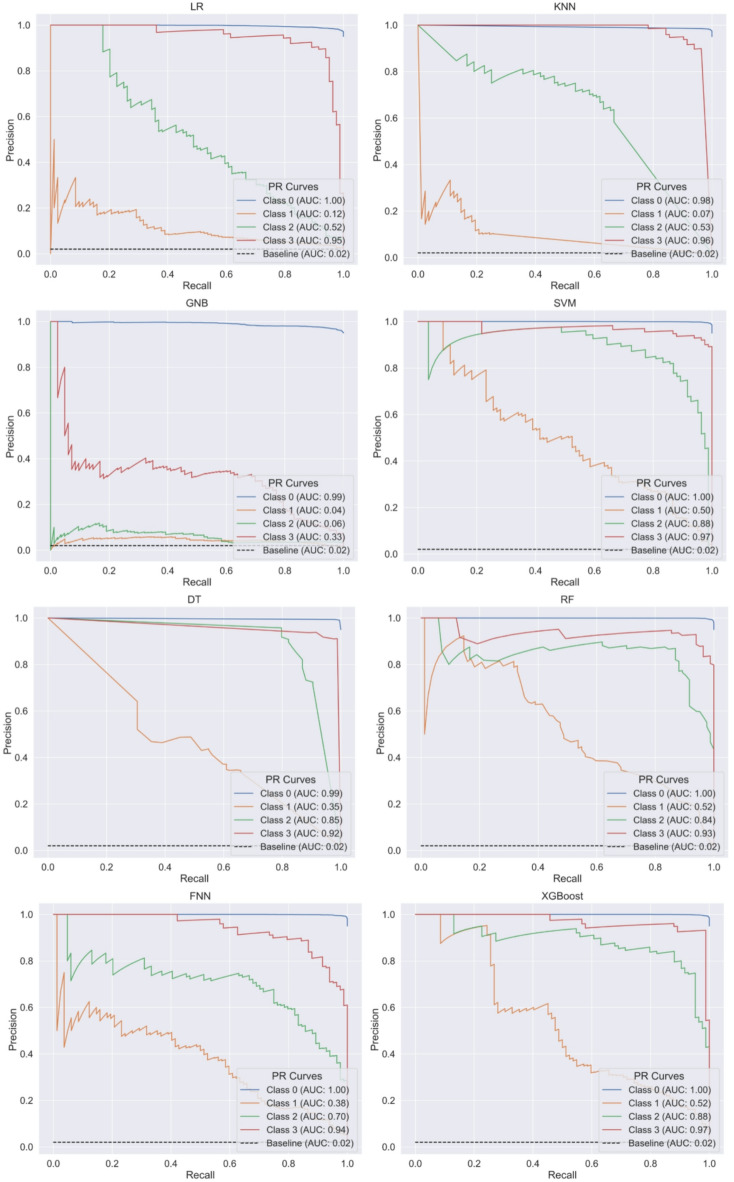 Figure 2
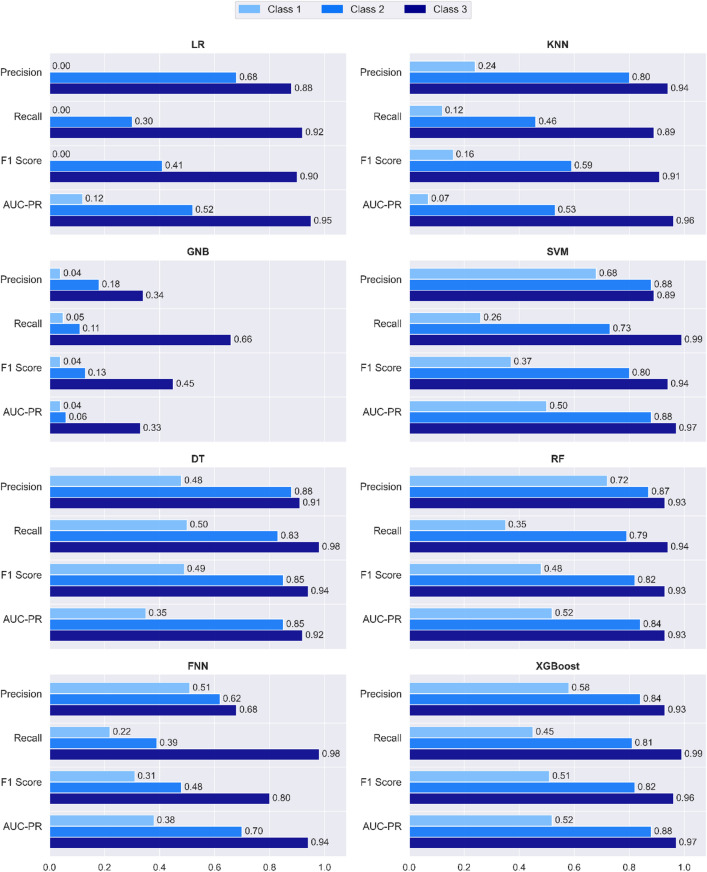 Figure 3
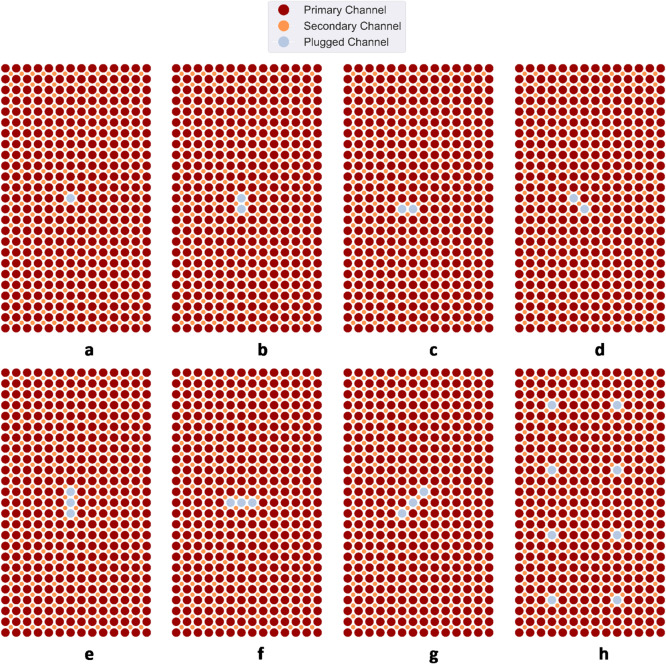 Figure 4
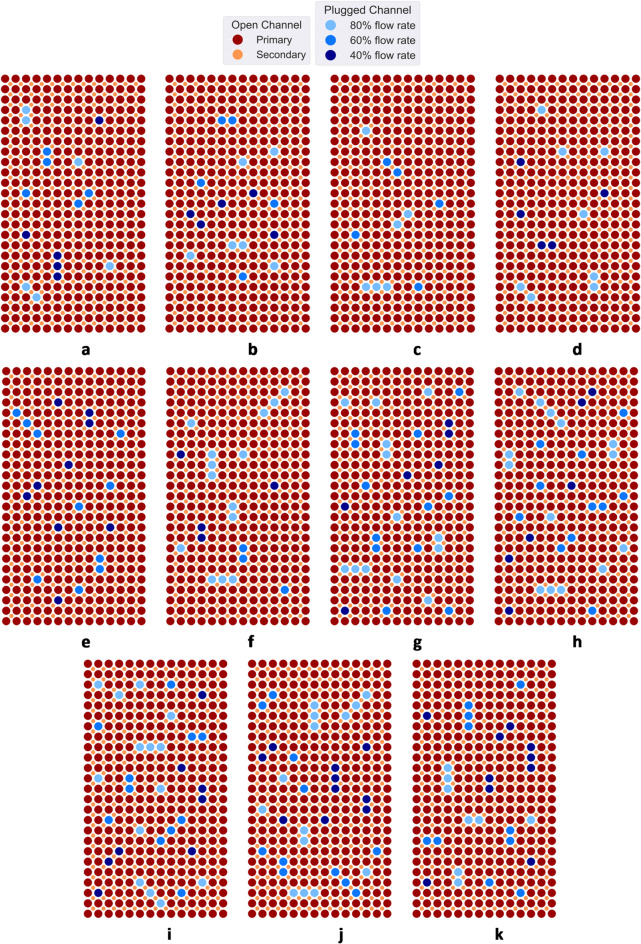 Figure 5
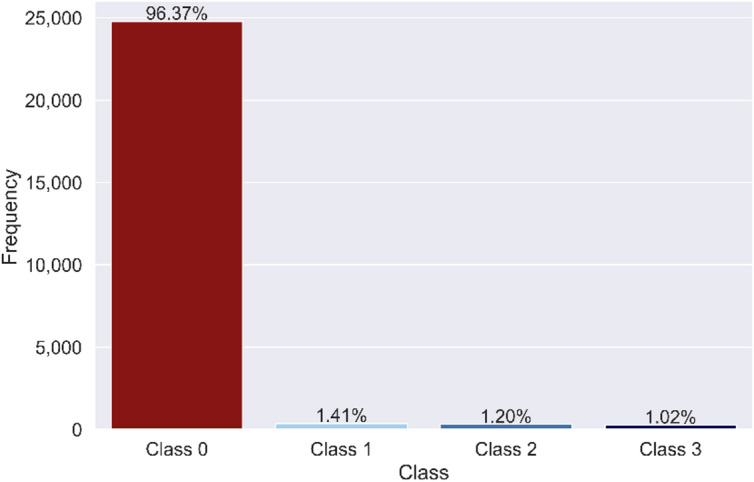 Figure 6
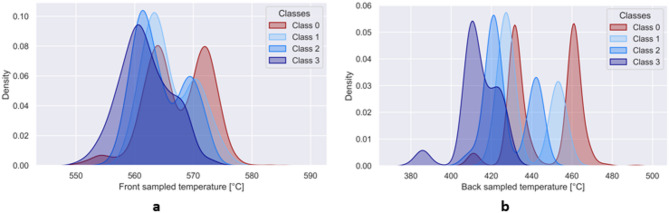 Figure 7
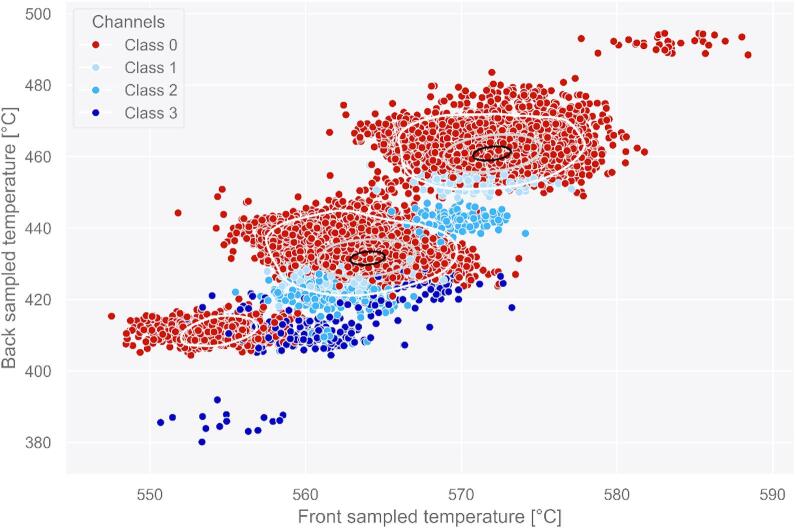 Figure 8
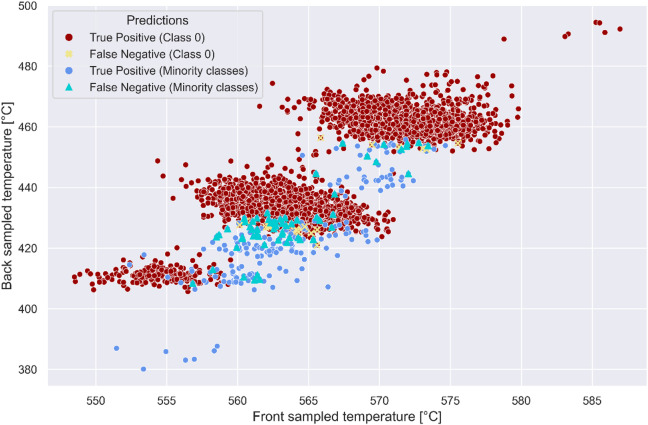 Figure 9
Peer Reviews
No public reviews on file for this paper yet. If you reviewed it on a platform where reviews are public (OpenReview, ICLR, NeurIPS, ICML), you can paste yours below so the community can read it here.
Videos
No videos yet. Explain this paper in a talk, walkthrough, or lecture? Add one.
Taxonomy
TopicsNuclear Engineering Thermal-Hydraulics · Fault Detection and Control Systems · Anomaly Detection Techniques and Applications