Finding the forest in the trees: Using machine learning and online cognitive and perceptual measures to predict adult autism diagnosis
Erik Van der Burg, Robert M. Jertberg, Hilde M. Geurts, Bhismadev Chakrabarti, Sander Begeer

TL;DR
This study uses online cognitive and perceptual tasks with machine learning to accurately predict autism diagnosis in adults, especially those who are hard to identify.
Contribution
The study introduces a machine learning approach combining performance-based measures and questionnaires to improve autism prediction accuracy.
Findings
Performance-based measures predicted autism in a late-diagnosed population with high accuracy.
Combining these measures with a popular screening questionnaire increased predictive accuracy to 92%.
Variables without significant group differences still contributed to prediction, indicating complex relationships.
Abstract
Traditional subjective measures are limited in the insight they provide into underlying behavioral differences associated with autism and, accordingly, their ability to predict diagnosis. Performance-based measures offer an attractive alternative, being designed to capture neuropsychological constructs more directly and objectively. However, due to the heterogeneity of autism, differences in any one specific neuropsychological domain are inconsistently detected. Meanwhile, protracted wait times for diagnostic interviews delay access to care, highlighting the importance of developing better methods for identifying individuals likely to be autistic and understanding the associated behavioral differences. We administered a battery of online tasks measuring multisensory perception, emotion recognition, and executive function to a large group of autistic and non-autistic adults. We then used…
Genes, proteins, chemicals, diseases, species, mutations and cell lines named across the full text — each resolved to its canonical identifier and authoritative record.
Click any figure to enlarge with its caption.
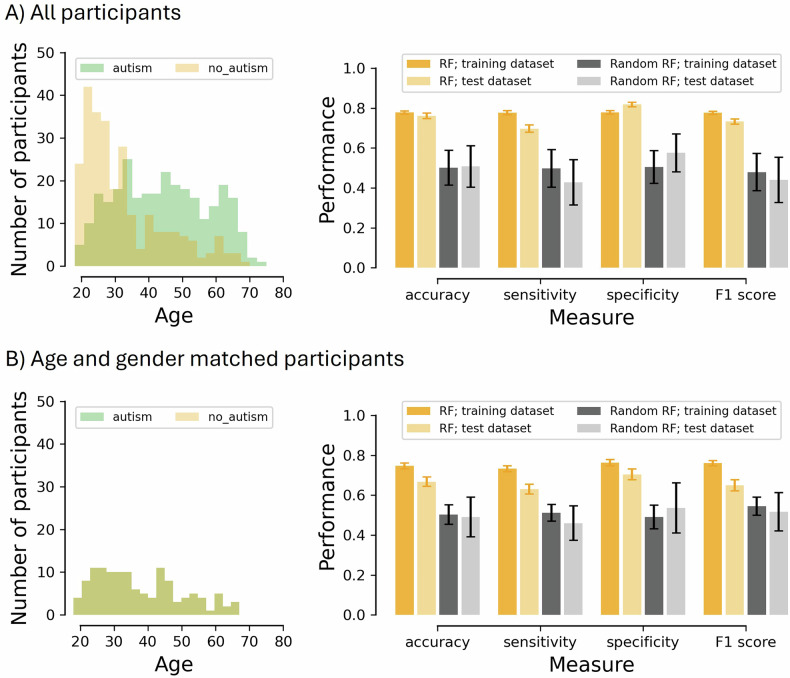 Figure 1
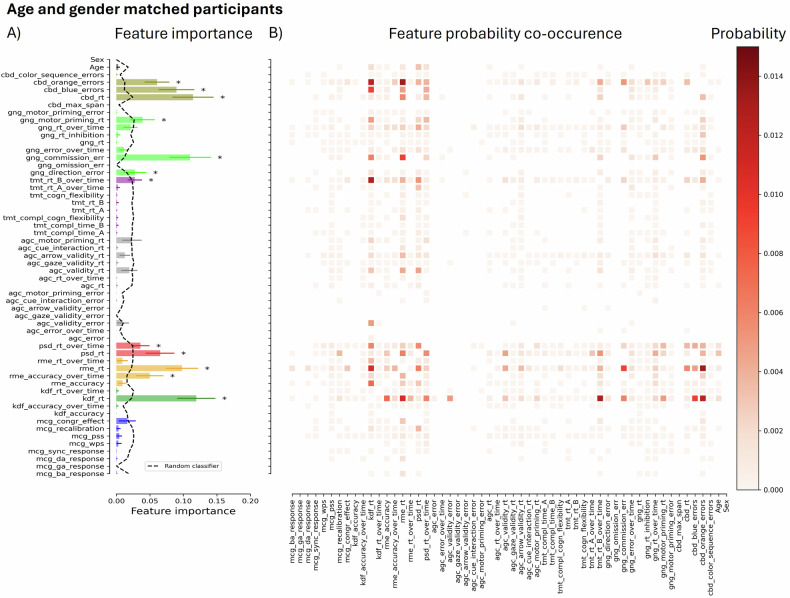 Figure 2
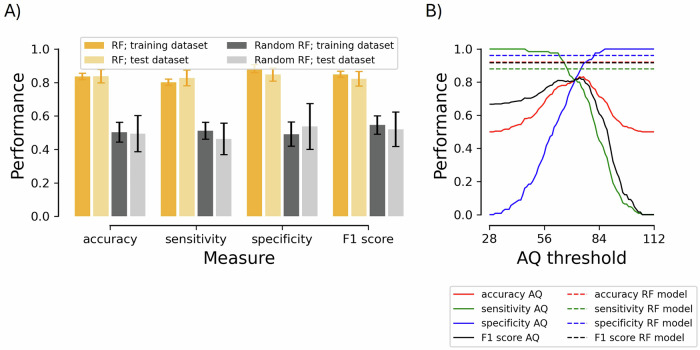 Figure 3
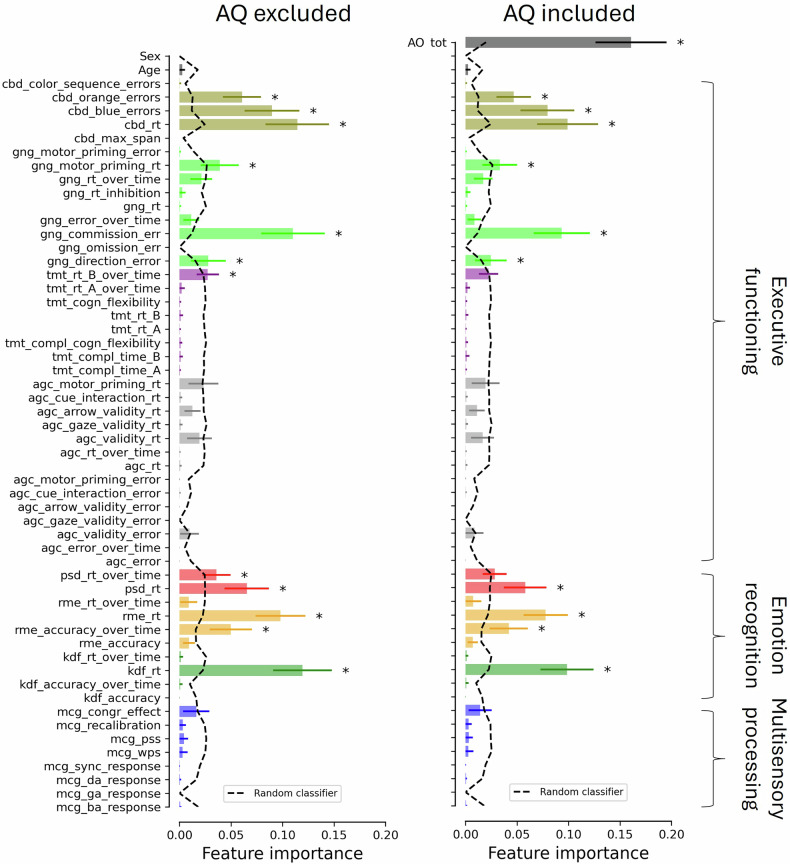 Figure 4
Peer Reviews
No public reviews on file for this paper yet. If you reviewed it on a platform where reviews are public (OpenReview, ICLR, NeurIPS, ICML), you can paste yours below so the community can read it here.
Videos
No videos yet. Explain this paper in a talk, walkthrough, or lecture? Add one.
Taxonomy
TopicsAutism Spectrum Disorder Research · Mental Health via Writing · Emotion and Mood Recognition