A physics-informed graph neural network to approximate docking-based binding affinity for DYRK2 in Alzheimer’s drug repurposing
Veysel Gider, Cafer Budak

TL;DR
This paper introduces a physics-based machine learning model to predict drug binding to a protein linked to Alzheimer's, using computational docking data as a reference.
Contribution
The novel contribution is a physics-informed graph neural network (PhysDual-GCN) that approximates docking scores for DYRK2 in Alzheimer's drug repurposing.
Findings
PhysDual-GCN achieved low absolute errors (MAE = 0.31 kcal/mol; RMSE = 0.44 kcal/mol) compared to docking scores.
The model correctly identified strong binders like donepezil and brexpiprazole.
Integrating physical interaction terms improves interpretability and efficiency compared to traditional docking methods.
Abstract
Alzheimer’s disease (AD) requires the discovery of new therapeutic targets, but traditional molecular docking methods for virtual screening are often computationally expensive. This study introduces PhysDual-GCN, a physics-informed graph neural network designed to approximate docking-derived binding affinity scores for DYRK2, an understudied yet biologically relevant target in Alzheimer’s disease (AD). The model jointly processes ligand molecular graphs and a sequence-based graph representation of DYRK2, while explicitly incorporating Coulomb and Lennard–Jones interaction terms as analytical physical energy components. Because no experimentally measured binding affinities are available for DYRK2-drug pairs, all reference labels used for evaluation were obtained exclusively from widely used classical docking tools (AutoDock Vina, Smina, QVina, CB-DOCK). These tools exhibit an inherent…
Genes, proteins, chemicals, diseases, species, mutations and cell lines named across the full text — each resolved to its canonical identifier and authoritative record.
Click any figure to enlarge with its caption.
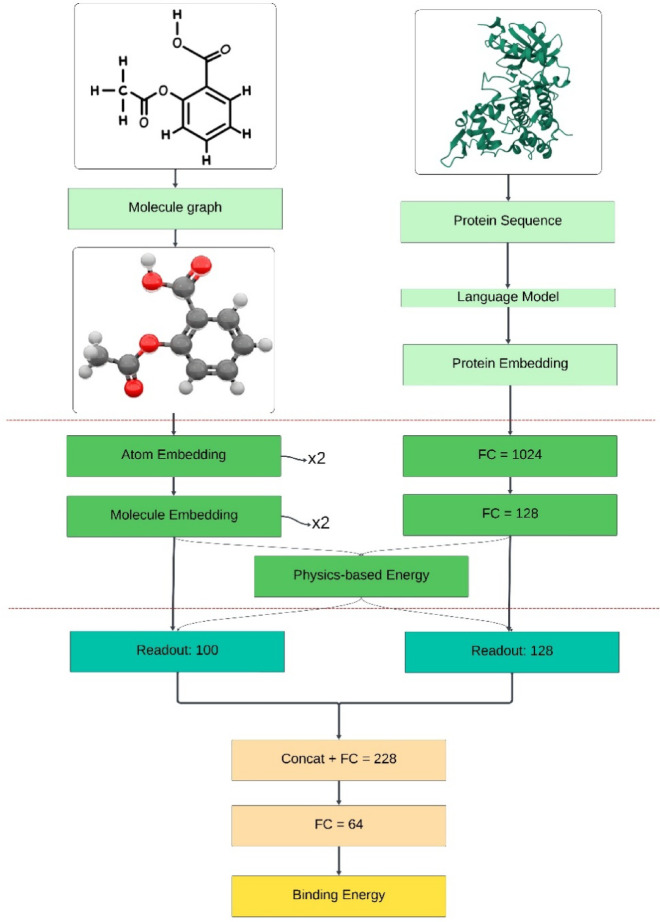 Figure 10
 Figure 11
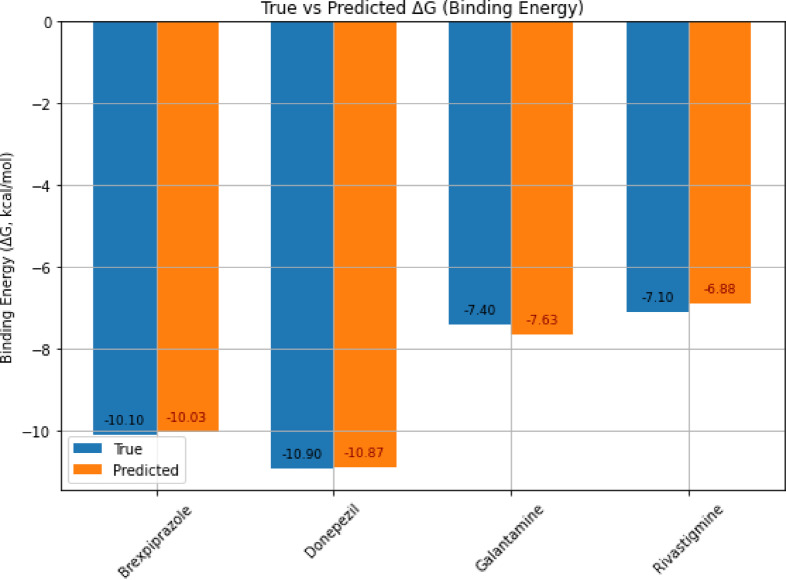 Figure 12
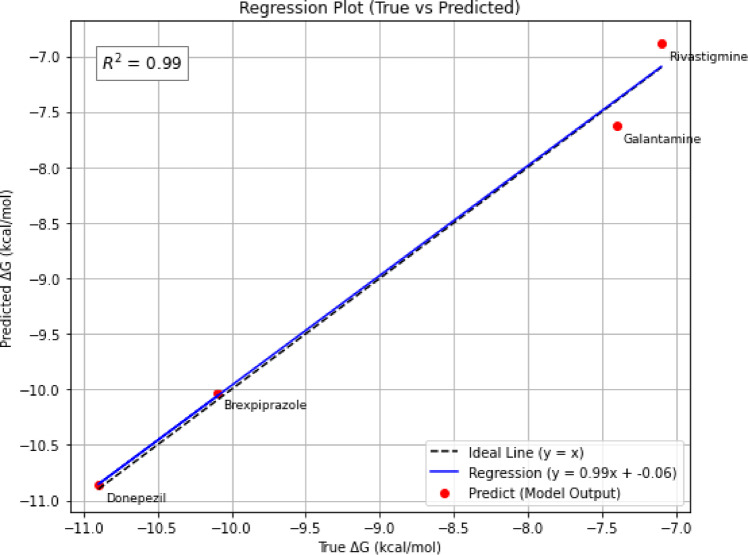 Figure 13
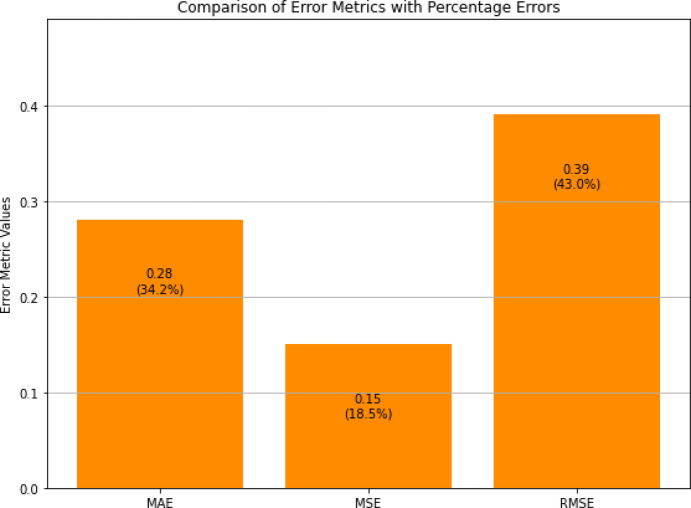 Figure 14
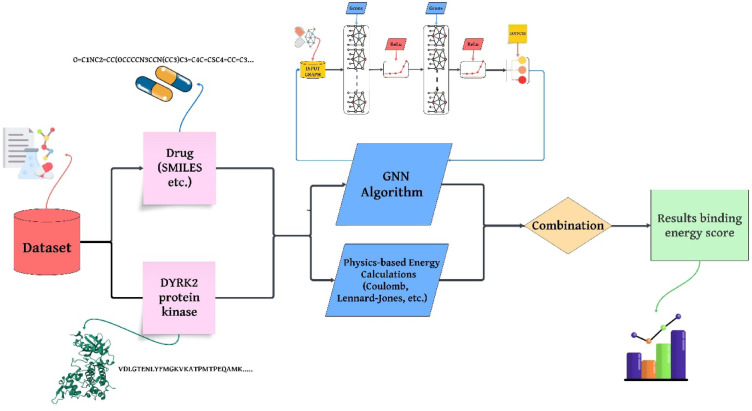 Figure 1
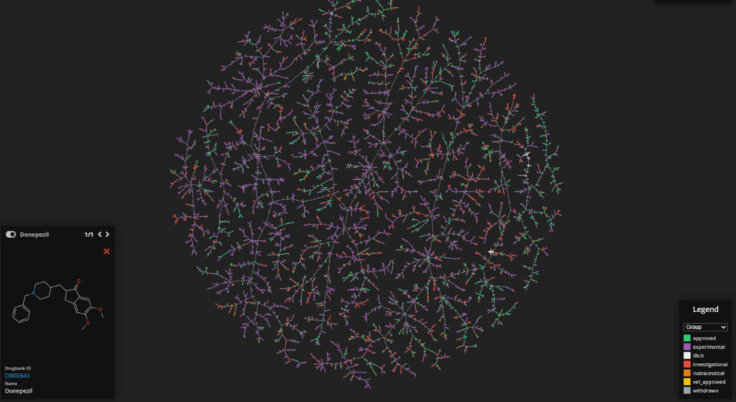 Figure 2
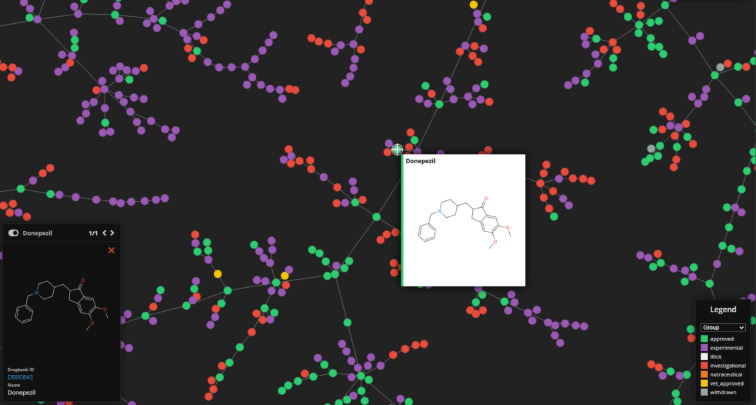 Figure 3
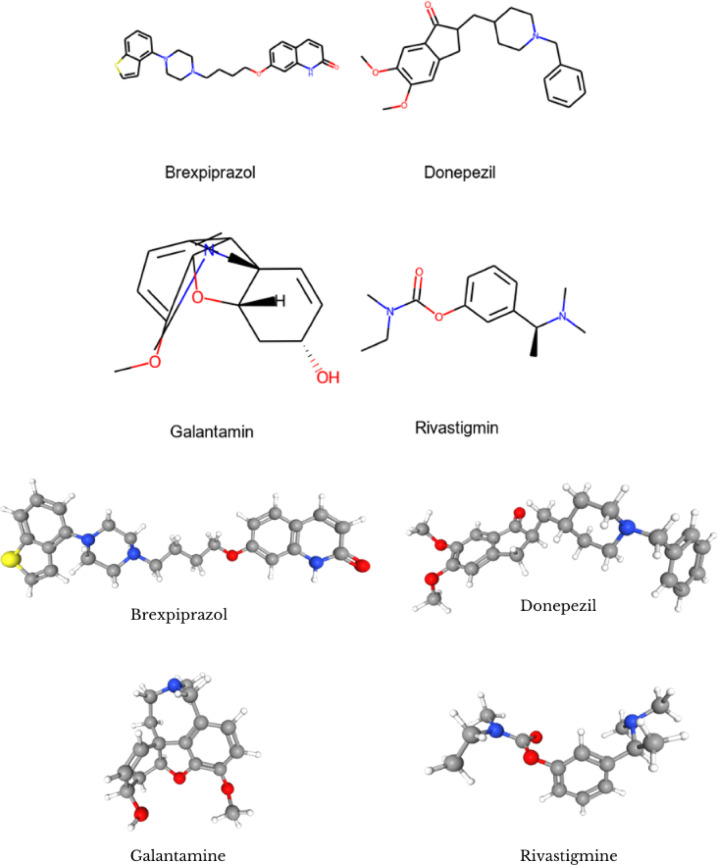 Figure 4
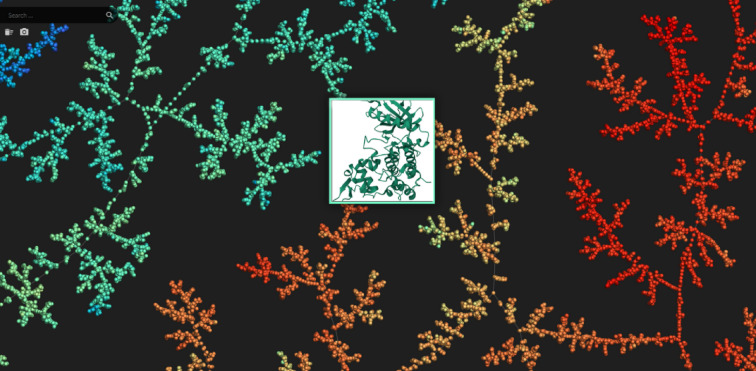 Figure 5
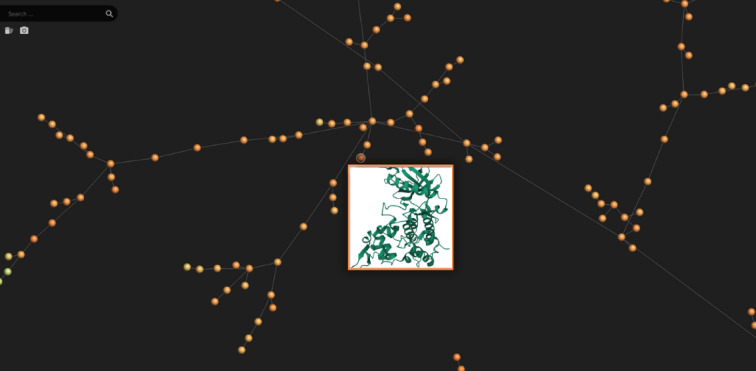 Figure 6
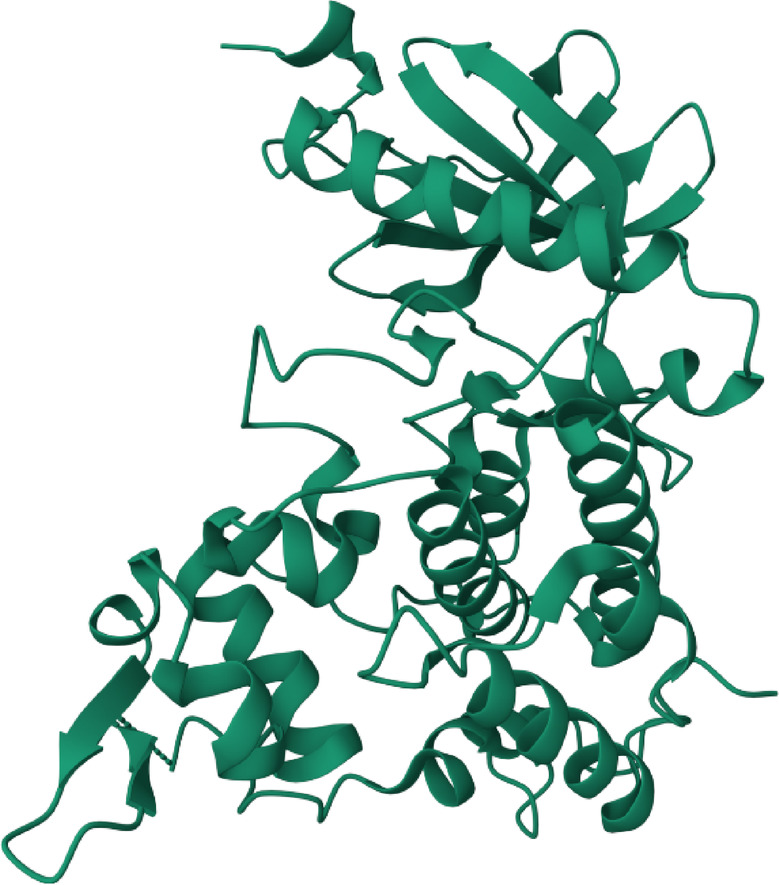 Figure 7
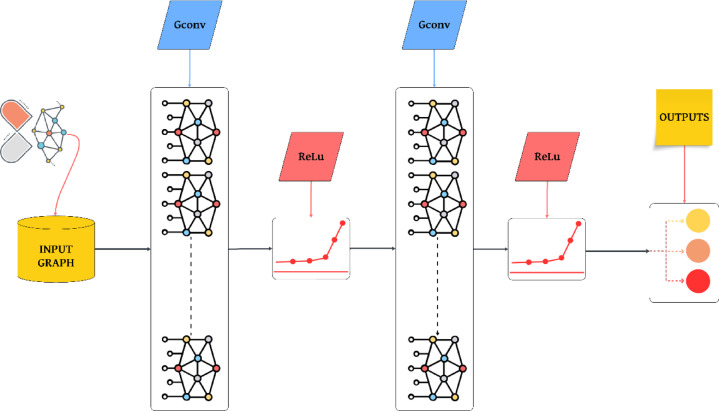 Figure 8
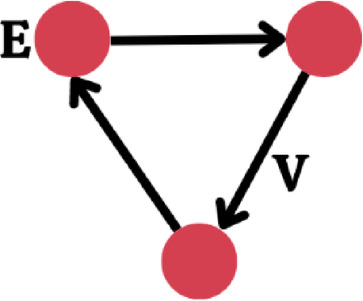 Figure 9
Peer Reviews
No public reviews on file for this paper yet. If you reviewed it on a platform where reviews are public (OpenReview, ICLR, NeurIPS, ICML), you can paste yours below so the community can read it here.
Videos
No videos yet. Explain this paper in a talk, walkthrough, or lecture? Add one.
Taxonomy
TopicsComputational Drug Discovery Methods · Down syndrome and intellectual disability research · Cholinesterase and Neurodegenerative Diseases